Side-by-Side IQ Profile
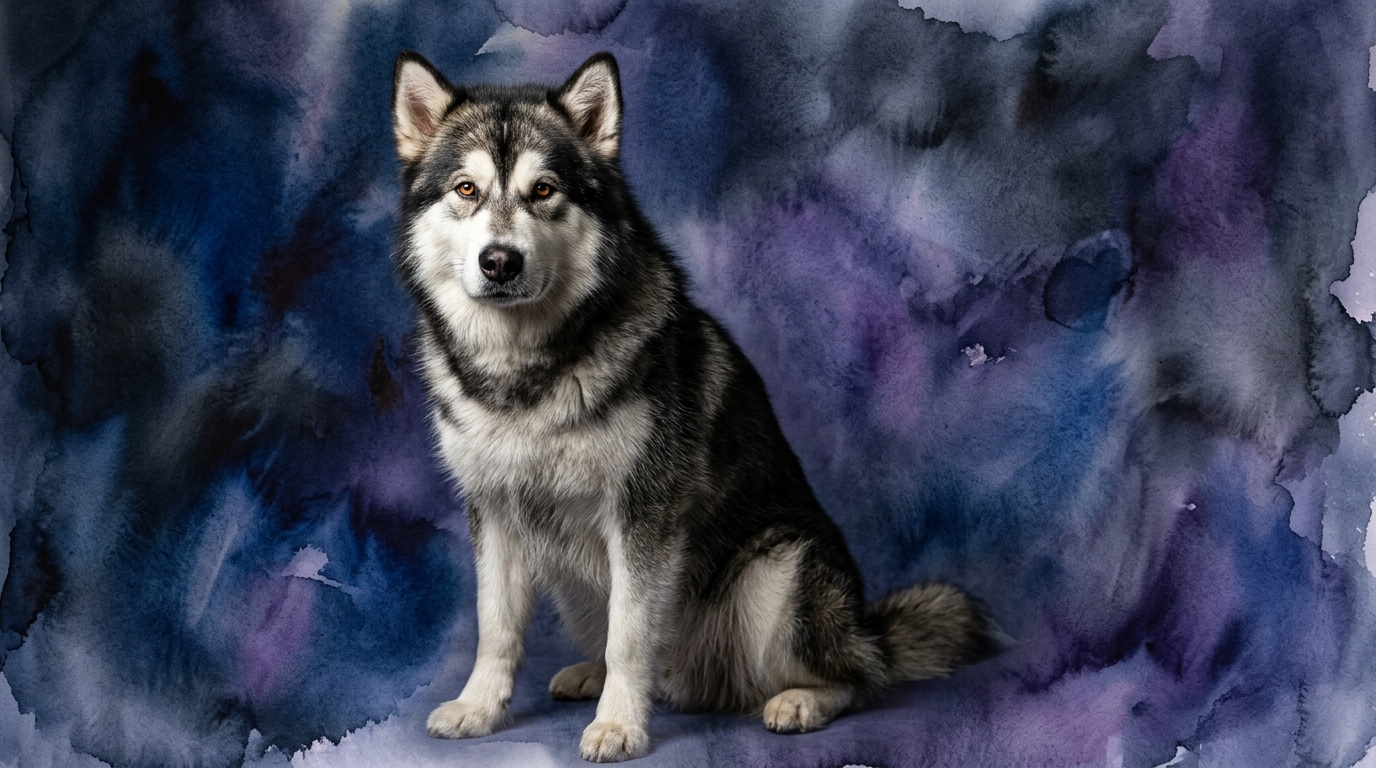
The Cosmic Pet's Pet IQ Lab provides a granular look into the cognitive architecture of our canine companions, using five key dimensions. For the formidable Alaskan Malamute, a breed sculpted by the demands of arctic survival and heavy hauling, problem-solving registers at a strong 4/5, reflecting their capacity for independent thought and resourceful action. However, their training speed is a more measured 2/5, indicative of a self-reliant spirit that values partnership over unquestioning obedience. Social intelligence sits at 3/5, showing an ability to connect but often with a reserved demeanor towards strangers, while their instinctive drive is a commanding 5/5, deeply rooted in their heritage of pulling, digging, and exploring. Their memory, crucial for navigating vast territories, is an impressive 4/5.
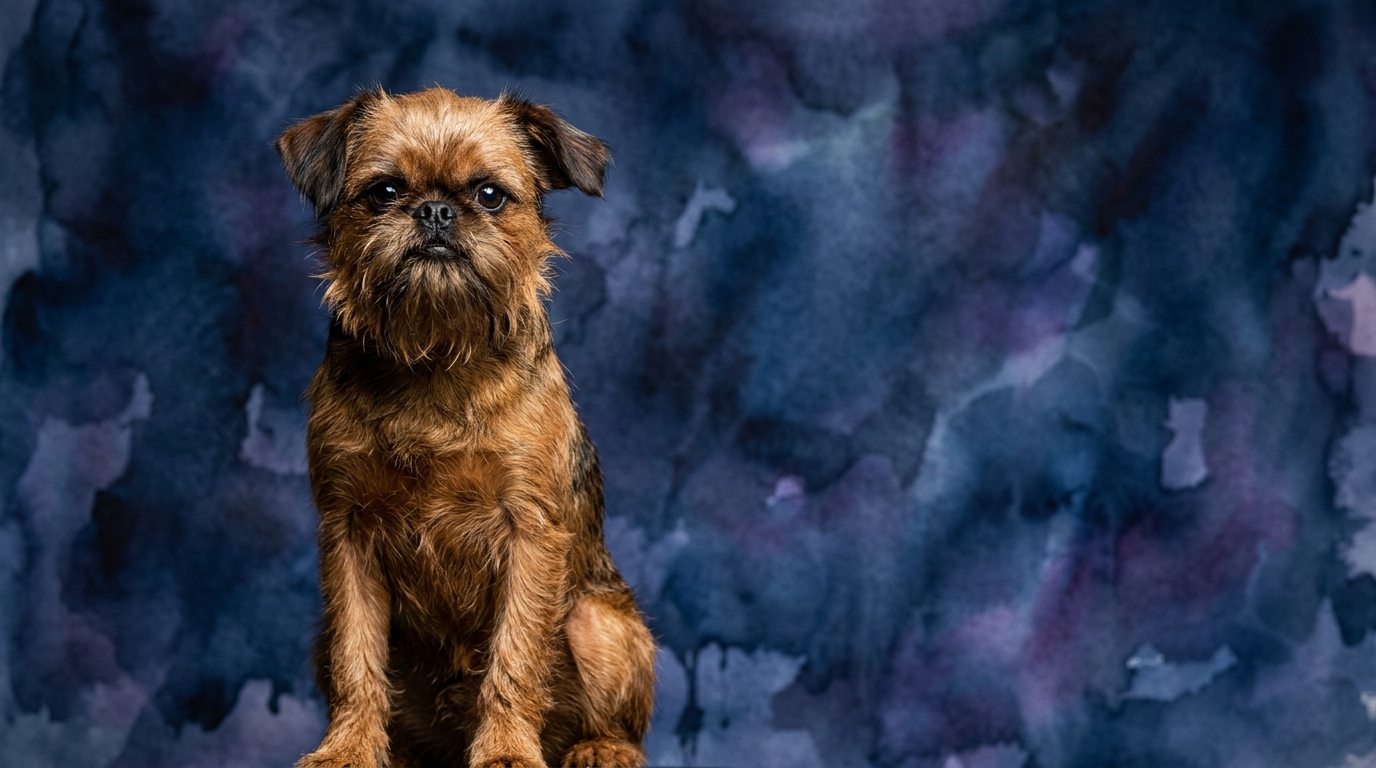
In contrast, the diminutive Brussels Griffon, a breed refined for companionship and alert vigilance, presents a different cognitive blueprint. Their problem-solving ability is a respectable 3/5, enabling them to decipher everyday challenges but perhaps with less independent ambition than the Malamute. Training speed for the Griffon is a balanced 3/5, suggesting a moderately receptive learner who can be engaged with patience and positive methods. Social intelligence also scores 3/5, but this manifests as a deep attunement to their human family, often expressing emotions and seeking interaction. Their instinctive drive is a moderate 3/5, with less intense urges for specific tasks, predominantly focusing on their role as a companion. Memory for the Griffon is a solid 3/5, allowing them to retain routines and learned behaviors effectively within their domestic sphere.
Where Alaskan Malamute Wins Cognitively
The Alaskan Malamute's cognitive strengths distinctly emerge in areas demanding self-sufficiency and robust physical engagement. Their superior problem-solving score of 4/5, compared to the Griffon's 3/5, is evident in their ability to methodically strategize escapes from secure enclosures or to independently locate hidden resources over varied terrain. This isn't just about brute force; it's about the mental process of evaluating obstacles and devising solutions without constant human intervention, a trait honed by their ancestral role as survivalists.
Furthermore, the Malamute's commanding 5/5 instinctive drive is a profound cognitive advantage when it comes to tasks aligned with their heritage. This deep-seated programming translates into an intrinsic motivation for activities like pulling, scent tracking, and digging, reflecting an advanced neural wiring for specific, complex behavioral sequences. It's a drive that doesn't merely manifest as energy but as a cognitive blueprint for purpose-driven action, making them exceptional at jobs requiring enduring focus and physical output. Their memory, rated at 4/5 against the Griffon's 3/5, allows them to recall intricate routes, complex training sequences, and the precise locations of objects or people over extended periods, an invaluable asset for a breed once tasked with navigating vast, featureless landscapes and remembering specific sledding trails. This robust recall supports their independent problem-solving capabilities in challenging environments.
Where Brussels Griffon Wins Cognitively
While the Alaskan Malamute excels in independent, physical problem-solving, the Brussels Griffon's cognitive strengths shine in areas demanding nuanced interaction and adaptability within a human-centric world. The Griffon's training speed of 3/5, compared to the Malamute's 2/5, indicates a more readily trainable disposition for basic obedience and household manners. This isn't necessarily about understanding complex concepts faster, but rather about a greater willingness to engage with human instruction and a reduced propensity for the independent stubbornness often seen in working breeds. Their smaller stature and focus on the handler contribute to this quicker uptake of commands, making them generally more straightforward to guide through learning new behaviors in a domestic setting.
The Griffon's social intelligence, while rated similarly at 3/5, manifests with a distinct advantage in emotional attunement. They possess a remarkable sensitivity to human moods and subtle social cues, often anticipating their owner's needs or offering comfort without explicit prompts. This form of social cognition is less about cooperative work in a pack and more about intricate, empathetic bonding with individual humans, translating into a responsive and emotionally supportive companion. Their moderate problem-solving (3/5) is perfectly adequate for navigating the intricacies of a home, such that they often require less extensive mental "work" in the traditional sense, preferring interactive games or puzzles over independent, large-scale challenges, which can be seen as a cognitive win for a relaxed companion role.
Which is Easier to Train and Why
When assessing trainability, the Brussels Griffon generally presents a more accessible experience for the average owner compared to the Alaskan Malamute. The Griffon's training speed is rated 3/5, one point higher than the Malamute's 2/5, a difference that significantly impacts the ease of teaching new behaviors. Griffons often display a greater eagerness to please their human companions, a trait that makes them more receptive to positive reinforcement methods and less likely to challenge authority. Their smaller size also inherently makes them easier to manage during training sessions, where physical control can sometimes be a factor. They are typically less prone to distraction by strong environmental stimuli and tend to maintain focus on their handler, particularly when motivated by treats or praise.
The Alaskan Malamute, by contrast, is known for a profound independence and a strong will, which can make training a more demanding endeavor. Their lower training speed (2/5) isn't an indicator of inability, but rather a reflection of their preference for self-directed action and their deep-seated working drives. A Malamute might understand a command perfectly but choose not to comply if they perceive a more interesting activity or if the motivation isn't compelling enough. Their high instinctive drive (5/5) means they are easily diverted by opportunities to pull, dig, or explore, requiring trainers to be exceptionally consistent, engaging, and creative to hold their attention and channel their natural inclinations into desired behaviors. Training a Malamute is less about teaching them what to do and more about convincing them that doing it is their idea, or that it aligns with their own strong internal motivations.
Which Suits Active Owners vs Relaxed Owners
The cognitive and behavioral profiles of these two breeds clearly delineate their suitability for different owner lifestyles. The Alaskan Malamute, with its formidable instinctive drive (5/5), robust problem-solving (4/5), and enduring memory (4/5), is an ideal match for active owners who relish outdoor adventure and are prepared for significant engagement. These dogs thrive when given a "job" – whether it's participating in sledding, skijoring, hiking, or extensive scent work. Their independent nature and strong will demand an owner who can consistently provide both physical exertion and mental challenges that satisfy their innate drives and intelligent curiosity. A Malamute needs an owner who understands how to channel their problem-solving skills into constructive activities, rather than allowing them to become bored and invent their own, potentially destructive, forms of entertainment.
Conversely, the Brussels Griffon, with its moderate instinctive drive (3/5) and profound social intelligence (3/5), is a superb fit for more relaxed owners who desire a close companion without the intense demands for physical output. While they certainly enjoy walks and interactive play, their exercise needs are significantly lower than those of a Malamute. Griffons are content to spend much of their time in their owner's company, thriving on social interaction, gentle play, and mental puzzles that can be enjoyed indoors or in a smaller yard. Their adaptability to apartment living and their strong emotional connection make them excellent choices for individuals or families seeking a devoted, portable friend who integrates seamlessly into a less strenuous daily routine, valuing companionship and emotional reciprocity above strenuous physical activity.
The Verdict
Select this breed if you are an experienced, active individual or family committed to providing extensive daily physical exercise, advanced mental stimulation, and consistent, firm guidance for a self-reliant, powerful working dog.
Opt for a Griffon if you seek a devoted, sensitive companion who thrives on close human interaction, requires moderate exercise, and enjoys engaging in interactive play and basic training within a comfortable home environment.
🧠 Find Your Pet's IQ Score
Our Pet IQ Lab assessment covers 25+ tests across 5 cognitive dimensions — personalized to your breed.
Take the Full IQ Test →Frequently Asked Questions
Do Alaskan Malamutes require more mental stimulation than Brussels Griffons?
Yes, Alaskan Malamutes generally demand more complex and independent mental stimulation due to their 4/5 problem-solving and 5/5 instinctive drive. They benefit from activities that challenge their intellect and allow them to utilize their natural instincts for tasks like scent work, puzzle toys, or navigating new environments, whereas Griffons often find sufficient mental engagement through social interaction and simpler games.
Is a Brussels Griffon a good choice for a first-time dog owner?
A Brussels Griffon can be a suitable choice for a first-time dog owner, particularly one who is prepared for consistent positive reinforcement training and values close companionship. Their moderate training speed (3/5) and adaptability make them generally easier to manage than more independent or high-drive breeds, though they still require dedication to socialization and basic obedience.
How do their social intelligence scores of 3/5 differ in practical terms?
While both breeds score 3/5, the Alaskan Malamute's social intelligence often manifests as cooperative pack behavior and clear communication within a familiar group, with some aloofness towards strangers. The Brussels Griffon's 3/5 social intelligence typically focuses on deep emotional attunement with their primary human companions, exhibiting sensitivity to moods and a strong desire for close, personal interaction.