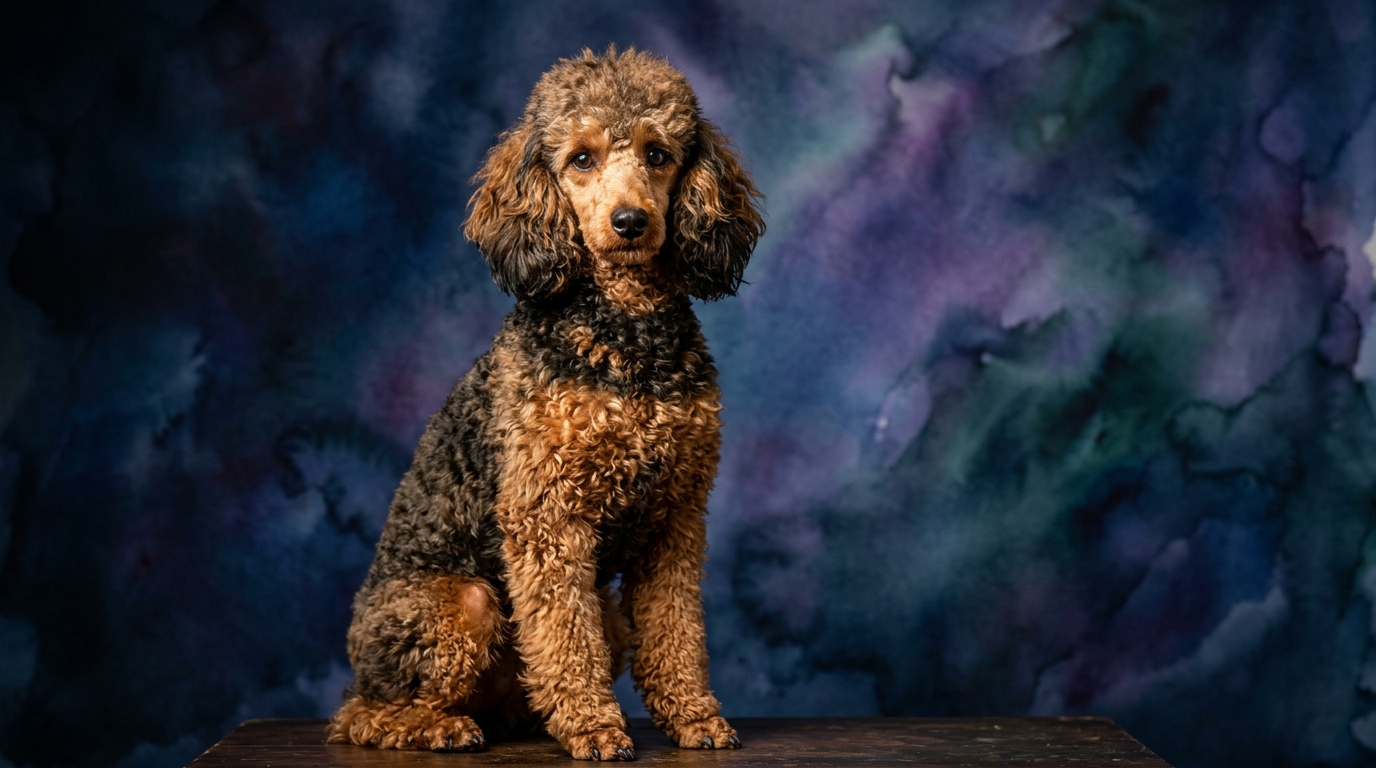
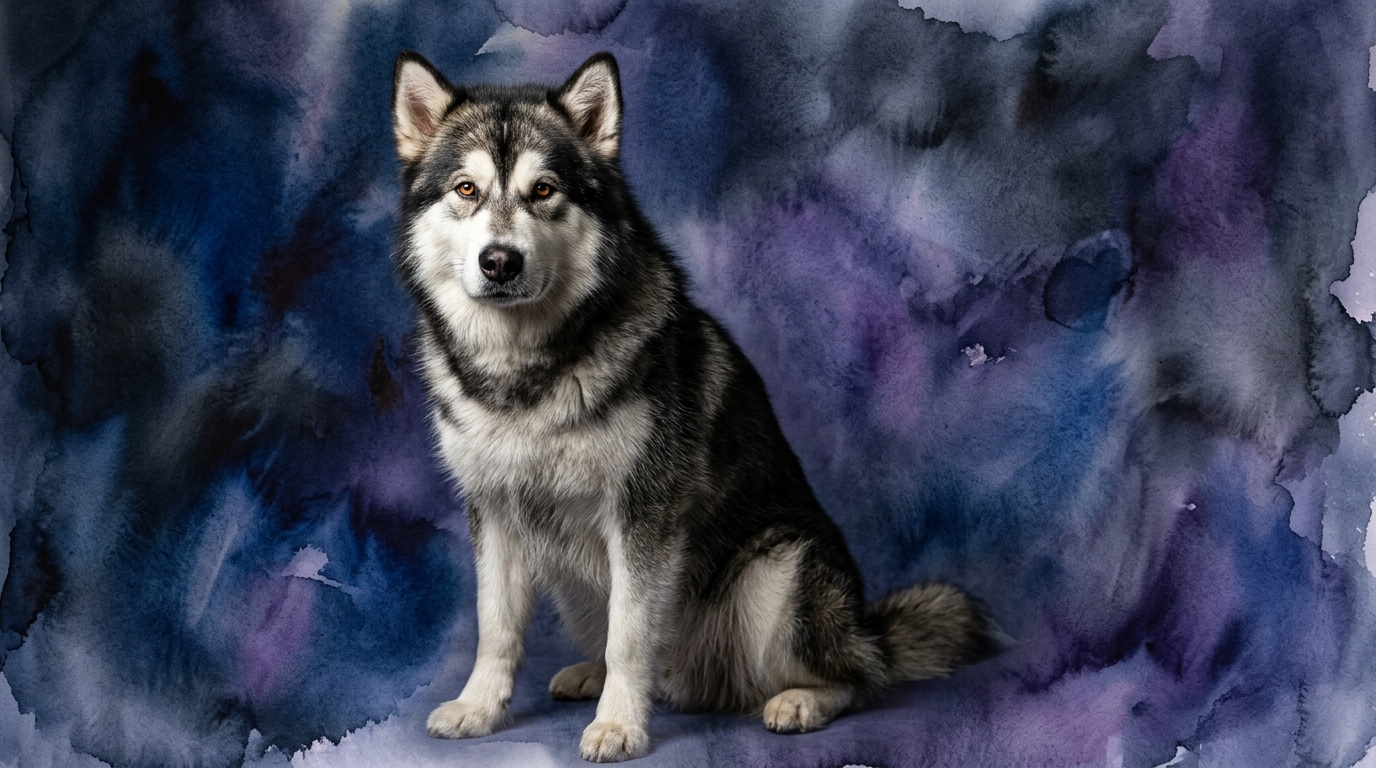
Side-by-Side IQ Profile: Poodle vs. Malamute
The Standard Poodle exhibits exceptional cognitive prowess across several domains. Their Problem Solving is rated 5/5, indicating a remarkable capacity to analyze new situations, devise effective solutions, and adapt strategies quickly. Training Speed also scores a perfect 5/5, meaning they grasp new commands and complex tasks with minimal repetition, eager to engage in structured learning. With a 5/5 in Social Intelligence, Poodles are highly attuned to human emotions and cues, fostering deep, nuanced communication. Their Instinctive Drive, while still significant at 4/5, is well-balanced, often channeled into retrieving or other cooperative tasks rather than independent pursuits. Memory, at 5/5, ensures they retain vast amounts of information, from commands to routines, over extended periods.
In contrast, the Alaskan Malamute's intelligence profile is sculpted by its working heritage. Their Problem Solving is a robust 4/5, demonstrating a strong ability to navigate complex environments and overcome physical challenges, often in an independent fashion. Training Speed, at 2/5, reflects a more deliberate and self-directed learning approach, requiring patience and consistent motivation. Social Intelligence, at 3/5, indicates they form strong bonds but might be less focused on subtle human emotional shifts, prioritizing their own drives. Where Malamutes truly shine is their Instinctive Drive, a perfect 5/5, encompassing an insatiable desire for physical work, exploration, and sustained effort, particularly in pulling and endurance activities. Their Memory, rated 4/5, is solid, particularly for routes, learned tasks within their work, and established routines.
Where the Standard Poodle Wins Cognitively
The Standard Poodle's cognitive advantages are most evident in their capacity for nuanced interaction and rapid, versatile learning. Their 5/5 Problem Solving means they quickly understand complex sequences, such as opening latches or figuring out puzzle toys, often with a strategic, rather than brute-force, approach. This mental agility allows them to adapt seamlessly to varied domestic environments and novel situations, anticipating outcomes. The Poodle's 5/5 Training Speed is unparalleled; they absorb new commands and behaviors almost instantly, requiring far fewer repetitions than many breeds. This isn't just about speed, but also about a deep-seated desire to understand and comply, which stems from their perfect 5/5 Social Intelligence. They are profoundly attuned to human body language, tone, and intent, making them exceptionally responsive and cooperative partners in any learning endeavor. This ability to read and respond to human cues, coupled with their 5/5 Memory, means they retain a vast repertoire of commands and experiences, building upon their knowledge base consistently. For owners seeking a dog that can master advanced obedience, excel in agility, or even learn complex service tasks, the Poodle's cognitive toolkit offers a distinct advantage in terms of teachability and responsiveness.
Where the Alaskan Malamute Wins Cognitively
The Alaskan Malamute's cognitive strengths are deeply rooted in their historical role as powerful, independent working dogs, particularly in harsh environments. Their perfect 5/5 Instinctive Drive is their crowning cognitive achievement, translating into an unwavering focus on purposeful work, endurance, and navigation. This isn't just brute force; it's a cognitive drive that fuels sustained effort, strategic route-finding, and an innate understanding of their environment. Their 4/5 Problem Solving shines brightest when applied to tasks requiring physical ingenuity and persistence, such as finding ways to overcome obstacles on a trail, strategizing to reach a desired location, or even figuring out how to 'escape' a perceived confinement to pursue an interesting scent. While their Social Intelligence is 3/5, they form incredibly strong, loyal bonds, demonstrating their understanding of pack hierarchy and their role within the family unit. Their 4/5 Memory is particularly robust for spatial awareness and learned routines related to their work; a Malamute will remember a specific trail, a favorite digging spot, or the sequence of a sledding run with remarkable accuracy. This combination of strong drive, practical problem-solving, and route memory makes them exceptionally capable in long-distance activities, exploration, and tasks where self-reliant decision-making under challenging conditions is paramount.
Training Ease: Poodle vs. Malamute
Without question, the Standard Poodle is significantly easier to train than the Alaskan Malamute. The Poodle's perfect 5/5 Training Speed means they pick up new commands and behaviors with remarkable alacrity, often after just a few repetitions. This is profoundly supported by their 5/5 Social Intelligence, which makes them highly responsive to human cues and exceptionally eager to please. Poodles thrive on positive reinforcement, mental challenges, and the cooperative bond formed during training sessions. They view training as an engaging partnership, actively seeking to understand and perform what is asked of them. In contrast, the Alaskan Malamute's 2/5 Training Speed indicates a much slower learning curve, requiring immense patience, consistency, and varied motivational strategies from their owner. Their 3/5 Social Intelligence, combined with a powerful 5/5 Instinctive Drive for independent action and exploration, means they often possess their own strong opinions and motivations. A Malamute might understand a command perfectly but choose not to comply if their independent drive, such as following a scent or digging, is more compelling at that moment. Training a Malamute requires an understanding of their deep-seated independence, making it crucial to make training sessions fun, fair, and highly rewarding to channel their inherent purposefulness effectively.
Best Fit: Active Owners vs. Relaxed Owners
The suitability for active versus relaxed owners starkly differentiates these two breeds. The Standard Poodle, while energetic and requiring regular exercise, possesses a versatile activity profile that can accommodate both active and moderately active owners. Their 4/5 Instinctive Drive is sufficient for daily walks, engaging play, and dog sports like agility or obedience, but they also possess an 'off switch' and can settle contentedly indoors after their needs are met. An active owner will find a Poodle a willing and capable partner for runs or hikes, while a moderately active owner who provides consistent mental enrichment and daily physical activity can also manage them well. Conversely, the Alaskan Malamute is unequivocally suited for highly active owners who understand and can cater to a working breed's profound needs. Their 5/5 Instinctive Drive for physical exertion, endurance, and exploration demands extensive daily exercise, often requiring several hours of vigorous activity such as long hikes, running, or sledding. A Malamute that doesn't receive adequate physical and mental stimulation will quickly become bored, leading to common behavioral issues like destructive chewing, incessant digging, or escape artistry, all stemming from their unfulfilled cognitive and physical drives. A relaxed or sedentary owner would likely find a Malamute overwhelming and challenging to manage, as their fundamental cognitive makeup requires a purposeful outlet.
The Verdict
Select the Standard Poodle if you seek a highly cooperative, adaptable, and responsive companion eager for mental engagement and quick to master a wide array of commands and tricks.
Opt for the Alaskan Malamute if you are an experienced, active owner ready to embrace a strong-willed, independent partner with an unwavering drive for physical work, exploration, and self-directed purpose.
🧠 Find Your Pet's IQ Score
Our Pet IQ Lab assessment covers 25+ tests across 5 cognitive dimensions — personalized to your breed.
Take the Full IQ Test →Frequently Asked Questions
Are Alaskan Malamutes difficult to train compared to other breeds?
Alaskan Malamutes, with a Training Speed of 2/5, are generally considered more challenging to train than many breeds, including the Standard Poodle. Their independence and strong instinctive drives mean they require exceptional patience, consistency, and highly motivating rewards to encourage compliance. They often understand commands but may choose whether to obey based on their current motivations.
Do Standard Poodles require significant exercise?
While not as demanding as a Malamute, Standard Poodles are energetic dogs with a 4/5 Instinctive Drive and require regular, substantial exercise. Daily vigorous walks, play sessions, or participation in dog sports are essential to keep them physically fit and mentally stimulated, preventing boredom and channeling their cognitive capabilities positively.
Which breed is better suited for a first-time dog owner?
For a first-time dog owner, the Standard Poodle is generally a more suitable choice due to their 5/5 Training Speed and Social Intelligence, making them more forgiving and responsive to training efforts. The Alaskan Malamute's strong independence, high exercise needs, and training challenges (2/5 Training Speed) are typically better managed by experienced owners.