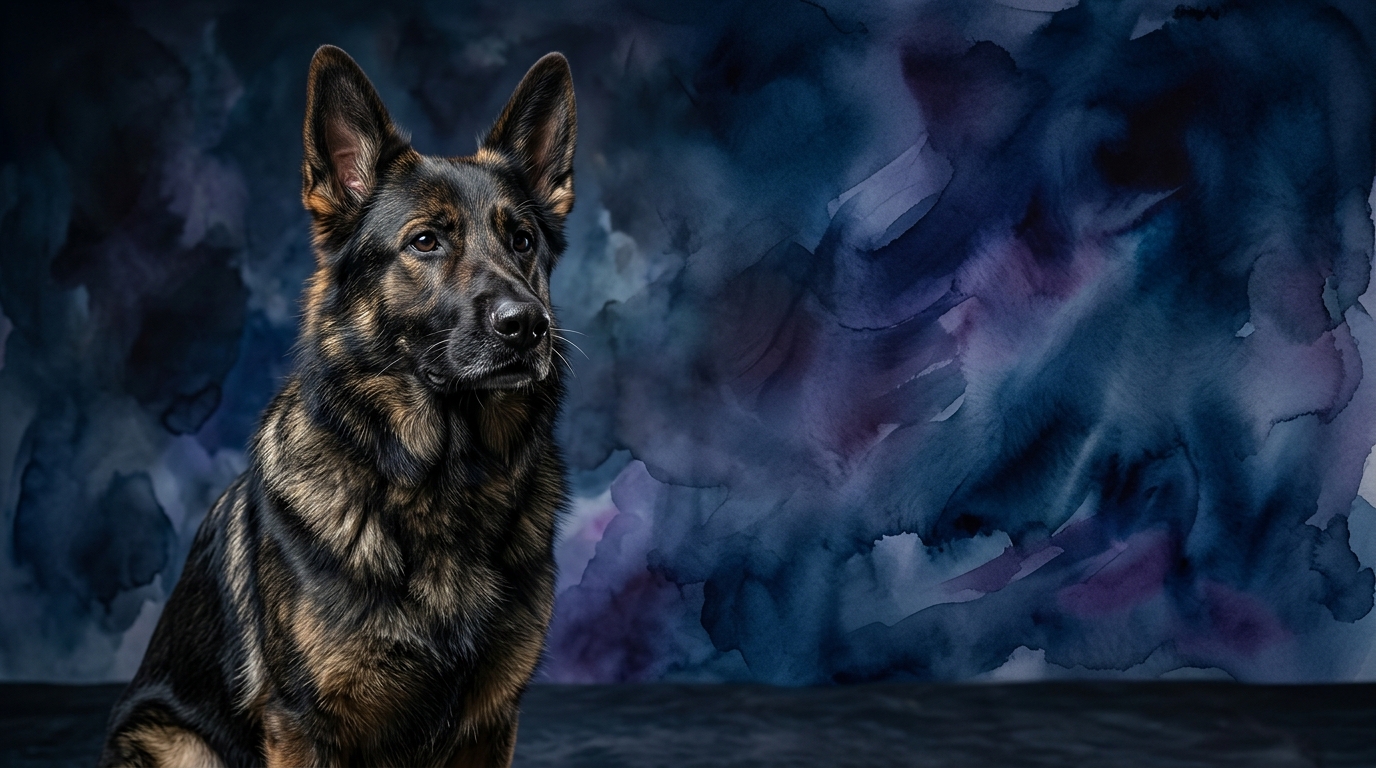
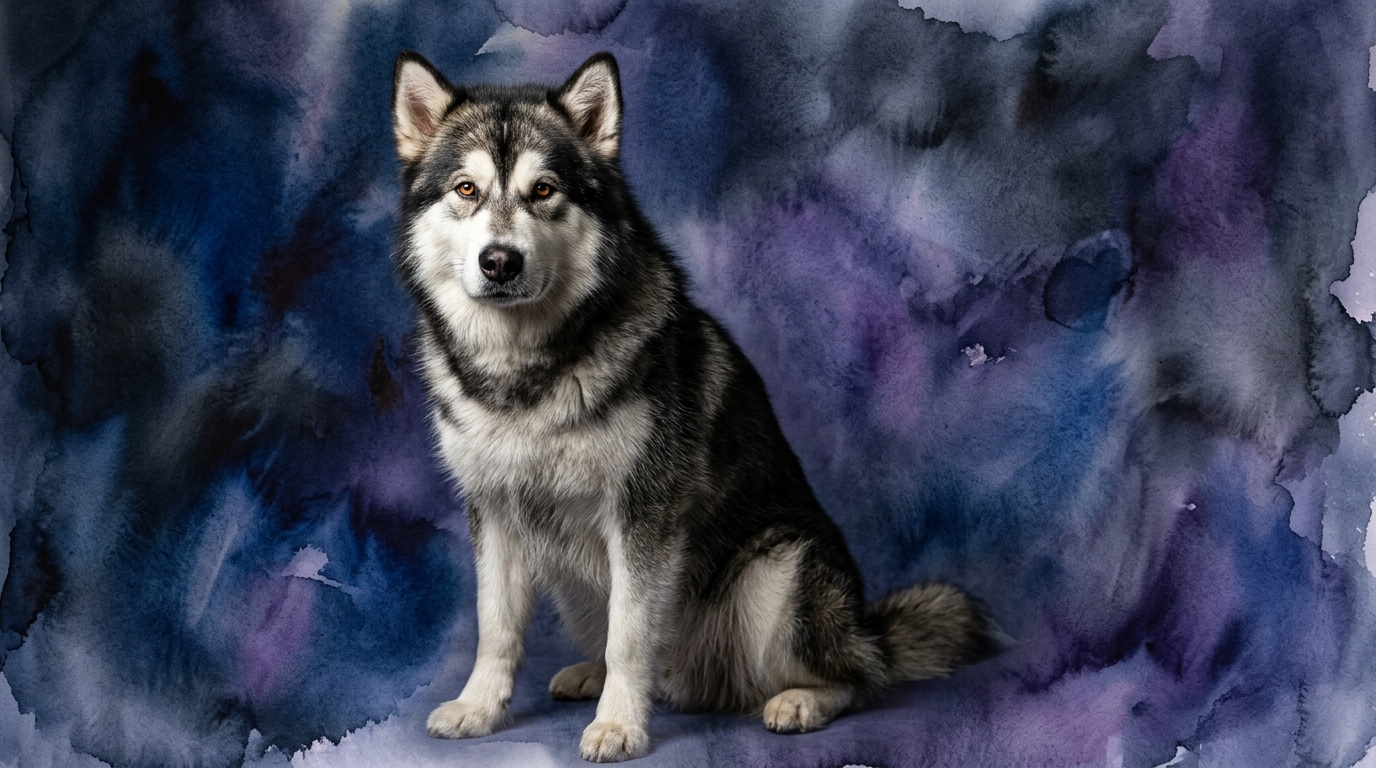
Side-by-Side IQ Profile: German Shepherd vs. Alaskan Malamute
The Cosmic Pet Pet IQ Lab employs a multi-dimensional approach to assess canine cognition, moving beyond simple obedience scores to evaluate problem-solving, training speed, social intelligence, instinctive drive, and memory. For the German Shepherd, ranked #3 by Coren, its profile reflects a breed crafted for intricate partnership. Its Problem Solving is rated 5/5, demonstrating exceptional analytical skills, quickly assessing new situations and devising effective strategies, often in collaboration with a human handler. Training Speed is 5/5, exhibiting a remarkable capacity for rapid learning, absorbing complex commands and multi-step routines with minimal repetition. Social Intelligence also scores 5/5, possessing a profound understanding of human communication, interpreting subtle cues, vocal inflections, and body language to respond appropriately within social structures. Instinctive Drive is 5/5, driven by powerful intrinsic urges for protection, herding, and companionship, readily channeled into structured work. Finally, Memory is 5/5, retaining vast amounts of information, from complex command sequences to detailed environmental layouts and long-term associations, crucial for consistent performance.
In contrast, the Alaskan Malamute, with a Coren rank of #50, presents a cognitive profile built for endurance and autonomy. Its Problem Solving is 4/5, displaying robust independent problem-solving abilities, particularly in scenarios related to survival, resource acquisition, and navigating challenging environments, relying on self-initiative. Training Speed is 2/5, requiring significant patience and consistent motivation during training, often taking more repetitions to solidify new commands due to an independent streak that prioritizes self-interest over immediate obedience. Social Intelligence is 3/5, understanding pack dynamics and forming strong bonds with its chosen family, yet less attuned to the nuanced directives of a human handler compared to breeds bred for close collaboration. Instinctive Drive is 5/5, possessing an intense, innate drive for pulling, endurance, and exploration, deeply rooted in their heritage as Arctic sled dogs. Memory is 4/5, exhibiting strong spatial memory, recalling routes and territories with precision, and remembering past experiences, though its recall for human-centric obedience tasks might be less spontaneous.
Where the German Shepherd Wins Cognitively
The German Shepherd's cognitive architecture shines in tasks demanding precision, responsiveness, and intricate collaboration with a human partner. Their superior problem-solving (5/5) is not merely about finding a solution, but finding the correct, handler-approved solution quickly. For instance, in scent work, a German Shepherd can rapidly discriminate target odors from distractors and indicate with high accuracy, demonstrating focused analytical processing under direction. Their exceptional social intelligence (5/5) allows them to anticipate human intentions and adapt behavior, crucial for roles like service work where reading subtle cues is paramount. They excel at generalizing learned behaviors to novel situations with minimal guidance, a testament to their deep understanding of underlying principles rather than rote memorization. This cognitive flexibility means a command learned in one environment is readily applied in another, showcasing a profound ability to abstract and apply knowledge.
Where the Alaskan Malamute Wins Cognitively
The Alaskan Malamute's cognitive strengths lie in areas requiring immense independence, resilience, and self-directed problem-solving, often in the absence of human instruction. Their problem-solving (4/5) truly excels when facing environmental challenges like finding a way out of an enclosure, locating a hidden food source, or navigating treacherous terrain – tasks demanding ingenuity and persistence for survival rather than handler-directed compliance. Their powerful instinctive drive (5/5) is coupled with a robust spatial memory (4/5) that enables them to recall complex trail routes over vast distances, critical for their sledding heritage. This isn't about remembering a trick, but a journey. They demonstrate a formidable capacity for sustained focus on physically demanding, repetitive tasks, such as pulling a sled for hours, requiring a unique mental fortitude that prioritizes endurance and self-preservation over immediate human approval. This breed makes autonomous decisions, a cognitive trait invaluable when leading a team through a blizzard where the musher's visibility is compromised.
Which is Easier to Train, and Why?
Training a German Shepherd is generally a more straightforward and rewarding experience for the average owner due to their unparalleled training speed (5/5) and social intelligence (5/5). They possess an inherent eagerness to engage with their handler, often viewing training as a collaborative game. Their strong desire to please and attentiveness to human cues mean they quickly grasp new commands and complex sequences. For example, teaching a German Shepherd a multi-step retrieve or a protection routine often involves fewer repetitions and a faster progression through stages, as they are actively trying to understand and comply. Their instinctive drive, while potent, is highly pliable and readily channeled into structured tasks, making them receptive to learning roles that align with their protective or herding instincts.
Conversely, the Alaskan Malamute presents a more significant training challenge, reflected in their lower training speed (2/5) and more independent social intelligence (3/5). While intelligent, their cognitive framework is geared towards self-sufficiency rather than constant human direction. They are not naturally inclined to be "eager to please" in the same way a German Shepherd is; instead, they weigh commands against their own perceived interests or comfort. Teaching a Malamute a simple "stay" command might require substantially more patience, higher-value rewards, and a deeper understanding of their motivations. Their powerful instinctive drive (5/5) often manifests as a desire to explore, roam, or pull, which can be difficult to redirect into conventional obedience without consistent, engaging, and highly motivating methods. They might understand a command perfectly but choose to ignore it if they don't see an immediate benefit or if something more interesting captures their attention.
Which Suits Active Owners vs. Relaxed Owners?
Neither the German Shepherd nor the Alaskan Malamute are suited for truly relaxed or sedentary owners. Both breeds demand significant engagement, but the nature of that engagement differs. The German Shepherd thrives with active owners who enjoy structured activities, consistent mental challenges, and a clear daily routine. They need a "job," whether it's advanced obedience, agility, protection work, or service tasks. An owner committed to daily training sessions, long walks, and interactive play that stimulates their problem-solving and social intelligence will find a deeply fulfilling partnership. Their high energy and need for purpose mean a relaxed owner will likely encounter behavioral issues from boredom and under-stimulation.
The Alaskan Malamute also requires an active owner, but one who appreciates their independent spirit and robust physical endurance. They are ideal for individuals who engage in activities like hiking, running, skijoring, or urban mushing, where their powerful pulling drive and love for exploration can be safely channeled. Their need for extensive physical exercise, often in cooler climates, and tendency to roam means they are not content with short backyard romps. A relaxed owner will quickly find themselves with a bored, potentially destructive, and escape-prone Malamute whose instincts are not being met. They are not lap dogs, but rather partners for grand outdoor adventures.
The Verdict
Choose a German Shepherd if you seek a highly collaborative, responsive working partner capable of intricate tasks, thriving on clear direction and a purpose-driven life alongside their human.
Opt for an Alaskan Malamute if you desire a robust, independent companion for endurance activities and outdoor adventures, appreciating their self-reliant spirit and ancient instincts.
🧠 Find Your Pet's IQ Score
Our Pet IQ Lab assessment covers 25+ tests across 5 cognitive dimensions — personalized to your breed.
Take the Full IQ Test →Frequently Asked Questions
Is the German Shepherd truly smarter than the Alaskan Malamute?
When measured by criteria like rapid command acquisition and human-directed task performance, the German Shepherd generally excels. However, the Malamute demonstrates superior independent problem-solving and navigational skills in self-preservation contexts.
Can an Alaskan Malamute be trained for complex tasks like a German Shepherd?
While a Malamute can learn complex tasks, it typically requires significantly more patience, repetition, and motivation due to their independent nature and lower training speed. Their cognitive strengths lie more in self-directed ingenuity than in eager compliance.
Which breed is better for a first-time dog owner?
Given their higher trainability and responsiveness, a German Shepherd can be a more manageable choice for a dedicated first-time owner willing to invest in consistent training. An Alaskan Malamute's independence and strong drives make them more suitable for experienced owners.