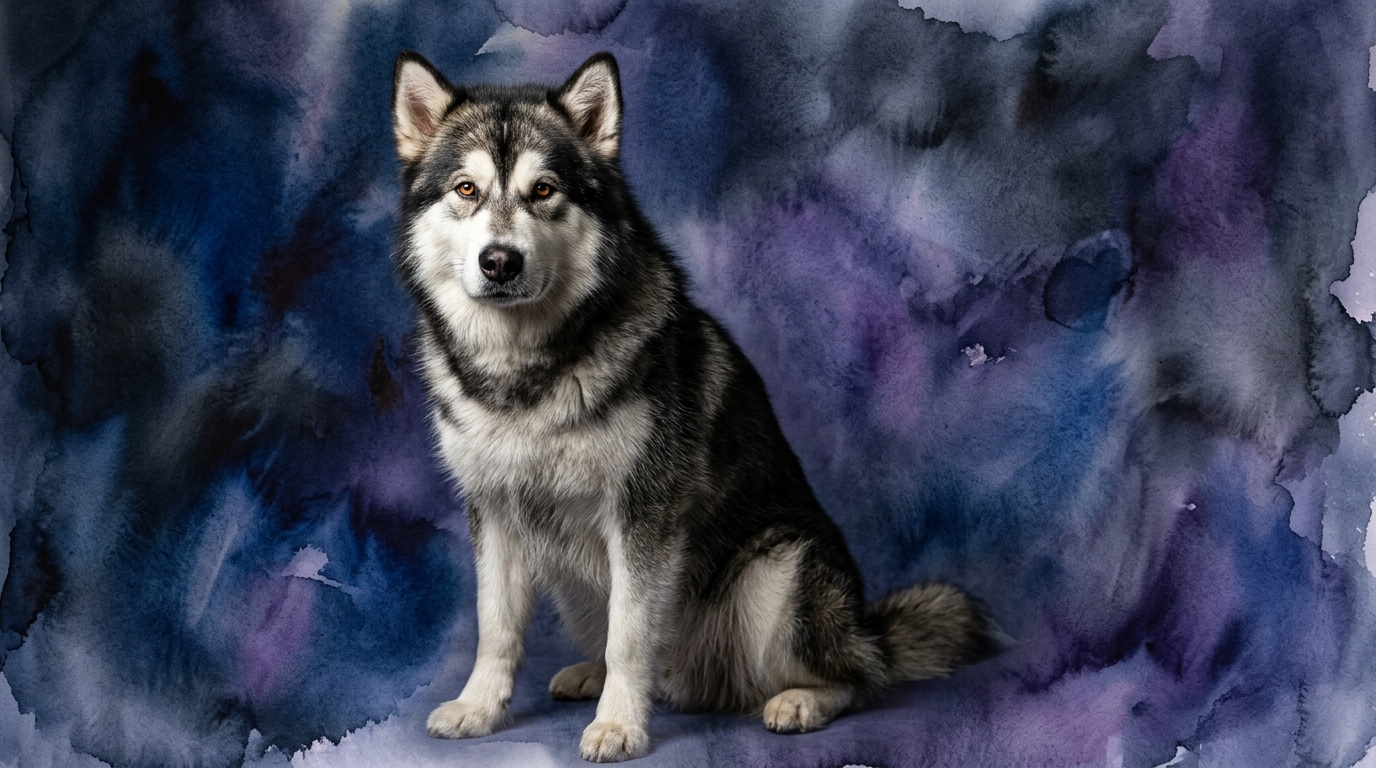
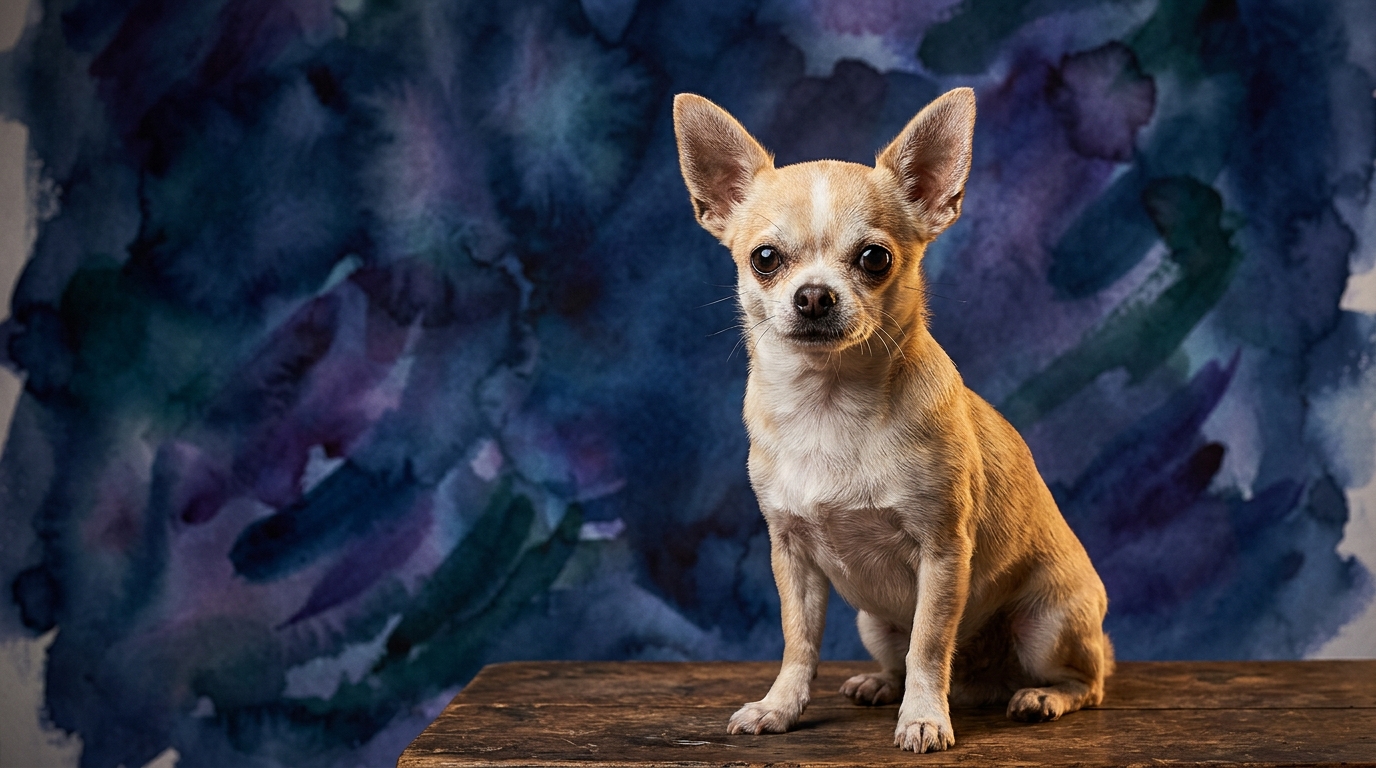
Side-by-Side Cognitive Profiles
The Alaskan Malamute, a Working breed ranked #50 by Coren, exhibits a robust cognitive makeup suited for its historical role. Their Problem Solving score of 4/5 indicates a strong ability to navigate complex challenges, devising solutions for tasks like finding pathways or securing resources. Training Speed, at 2/5, suggests they require significant repetition and patience, often preferring to act on their own initiative rather than immediate human instruction. Social Intelligence, rated 3/5, points to a moderate understanding of social cues, often prioritizing pack dynamics and independence over constant human-centric appeasement. An exceptional Instinctive Drive of 5/5 underscores their deep-seated motivation for endurance, pulling, and exploration. Finally, their Memory at 4/5 means they retain experiences and learned behaviors quite effectively over time.
In contrast, the Chihuahua, a Toy breed ranked #67, presents a cognitive profile optimized for companionship. Their Problem Solving score of 3/5 indicates a moderate capacity for figuring out simpler puzzles or routines within their environment. Training Speed, at 3/5, suggests they learn new commands and habits at an average pace, responding well to consistent positive reinforcement. Where they truly shine is Social Intelligence, scoring 4/5, demonstrating a keen perception of human emotions and subtle cues, fostering deep bonds with their caregivers. Their Instinctive Drive, at 3/5, is geared more towards companionship, alerting, and short bursts of play rather than sustained physical labor. Like the Malamute, their Memory is strong at 4/5, enabling them to recall routines, experiences, and specific interactions.
Where the Alaskan Malamute Wins Cognitively
The Alaskan Malamute's cognitive strengths distinctly align with their heritage as a powerful working dog. Their superior Problem Solving score of 4/5, compared to the Chihuahua's 3/5, means they possess a more pronounced ability to tackle intricate, multi-step challenges. This manifests in their capacity to strategize, like figuring out how to open complex latches or navigate challenging terrains to reach a destination. This isn't just about raw strength, but the mental agility to apply it effectively in varied scenarios.
Furthermore, the Malamute's remarkable Instinctive Drive of 5/5, significantly higher than the Chihuahua's 3/5, translates into a cognitive advantage in sustained, goal-oriented tasks. This isn't merely about energy; it's the intrinsic motivation and mental fortitude to persist through demanding activities, such as long-distance pulling or extensive exploration, even when faced with obstacles. Their drive is deeply integrated with their capacity for endurance and purposeful action, requiring a consistent application of their problem-solving skills to achieve their objectives.
Where the Chihuahua Wins Cognitively
The Chihuahua's cognitive strengths are particularly evident in their nuanced understanding of social dynamics and their speed in acquiring new behaviors. Their Social Intelligence, rated 4/5 compared to the Malamute's 3/5, signifies a superior ability to interpret human moods, intentions, and subtle body language. This allows them to forge exceptionally close emotional bonds and react empathetically to their owner's state, making them incredibly intuitive companions. They are often quick to offer comfort or respond to unspoken cues, a hallmark of deep social perception.
Moreover, the Chihuahua's Training Speed of 3/5, surpassing the Malamute's 2/5, indicates they generally pick up new commands and routines with fewer repetitions. While not the fastest learners in the canine world, they demonstrate a more ready willingness to engage in training and associate actions with rewards, making basic obedience and house-training often a smoother process. This quicker grasp of human expectations is a distinct cognitive advantage for a companion animal, facilitating integration into family life with relative ease.
Which is Easier to Train and Why
Based on their cognitive profiles, the Chihuahua is generally considered easier to train than the Alaskan Malamute. The Chihuahua's Training Speed of 3/5, combined with their higher Social Intelligence (4/5), means they are often more receptive to human direction and quicker to form associations between commands and desired actions. Their keen ability to read human cues allows for more effective communication during training sessions, and their desire for close companionship often translates into a motivation to please their owners, making them responsive to positive reinforcement.
Conversely, the Alaskan Malamute's Training Speed of 2/5, coupled with their powerful Instinctive Drive (5/5) and moderate Social Intelligence (3/5), presents a greater training challenge. Malamutes possess a strong independent streak; their drive is often self-directed towards activities like exploring or pulling, rather than an inherent desire to constantly comply with human commands. They require an exceptionally patient, consistent, and creative trainer who can make training rewarding and compelling enough to overcome their natural inclination for self-determination. Without clear motivation or perceived benefit, a Malamute may simply choose not to engage, reflecting their problem-solving nature applied to whether a command is 'worth' their effort.
Which Suits Active Owners vs. Relaxed Owners
For active owners, the Alaskan Malamute is an ideal match. Their exceptional Instinctive Drive (5/5) means they possess a vast reservoir of energy and a profound need for purposeful physical activity, such as long hikes, sledding, or strenuous games. Owners who embrace outdoor adventures and can provide consistent, challenging physical and mental stimulation will find a loyal and enthusiastic partner in a Malamute. Their problem-solving capabilities also mean they thrive on mentally engaging tasks that go beyond simple obedience, requiring owners to be creative in their enrichment strategies.
Relaxed owners, or those seeking a more sedentary companion, would find the Chihuahua more suitable. With a moderate Instinctive Drive (3/5), Chihuahuas are content with shorter walks, indoor play, and significant amounts of cuddle time. Their high Social Intelligence (4/5) means they deeply value close human interaction and thrive on being central to their family's daily life, often preferring to be on a lap or by their owner's side. While they still require regular exercise and mental engagement, their needs are far less demanding than those of a Malamute, making them perfect for apartment living or less intensely active lifestyles.
The Verdict
Choose an Alaskan Malamute if you are an active, experienced owner seeking a powerful, independent companion for demanding outdoor adventures and are prepared for consistent, patient training.
Opt for a Chihuahua if you desire a highly perceptive, socially attuned companion who thrives on close bonds and moderate activity, appreciating their quick grasp of routines and emotional intelligence.
🧠 Find Your Pet's IQ Score
Our Pet IQ Lab assessment covers 25+ tests across 5 cognitive dimensions — personalized to your breed.
Take the Full IQ Test →Frequently Asked Questions
Do Alaskan Malamutes need a lot of mental stimulation?
Yes, their Problem Solving score of 4/5 and high Instinctive Drive mean Malamutes thrive on mental challenges. They require engaging tasks and opportunities to use their problem-solving skills to prevent boredom and destructive behaviors.
Are Chihuahuas good at learning tricks?
Chihuahuas can be quite good at learning tricks, thanks to their Training Speed of 3/5 and strong Social Intelligence. They often enjoy the interaction and attention that trick training provides, responding well to positive reinforcement and their owner's enthusiasm.
How does size impact the intelligence comparison between these breeds?
Size itself doesn't directly dictate intelligence; rather, it's the breed's historical purpose and selective breeding that shapes their cognitive profile. The Malamute's intelligence is geared towards working tasks, while the Chihuahua's is optimized for companionship, regardless of their physical stature.