The Cosmic Pet Pet IQ Lab: Side-by-Side Cognitive Profiles
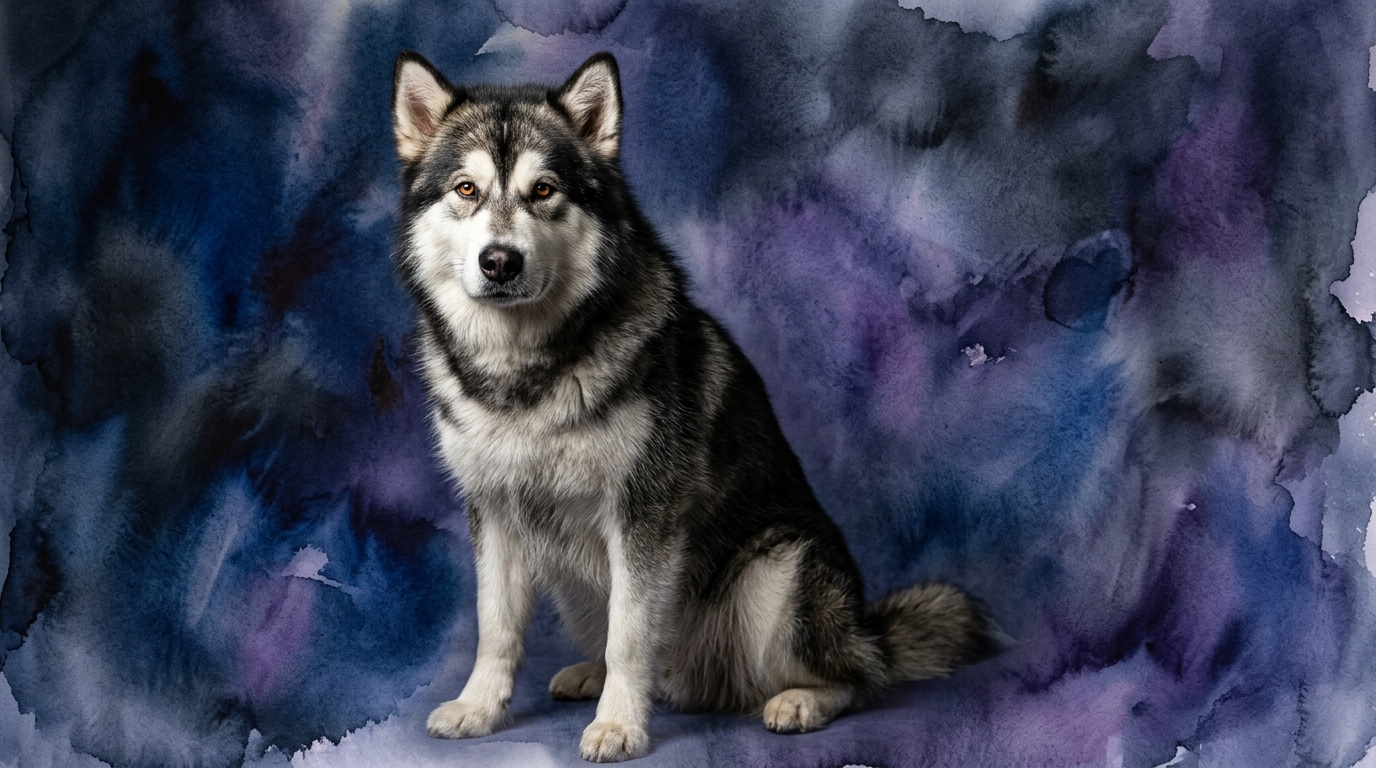
The Alaskan Malamute, a prominent working breed, holds a Coren rank of #50, signifying a respectable capacity for learning and obedience, though not among the top tiers. Our Cosmic Pet Pet IQ Lab assessment scores its problem-solving at an impressive 4/5, indicating a resourceful and independent mind. However, its training speed is rated 2/5, suggesting a more deliberate and often self-directed learning pace. Social intelligence stands at 3/5, meaning they are capable of forming strong bonds but may not always prioritize human directives over their own judgment. An outstanding instinctive drive of 5/5 highlights their profound connection to their original purpose, while memory is strong at 4/5, allowing them to retain complex information like routes and routines.
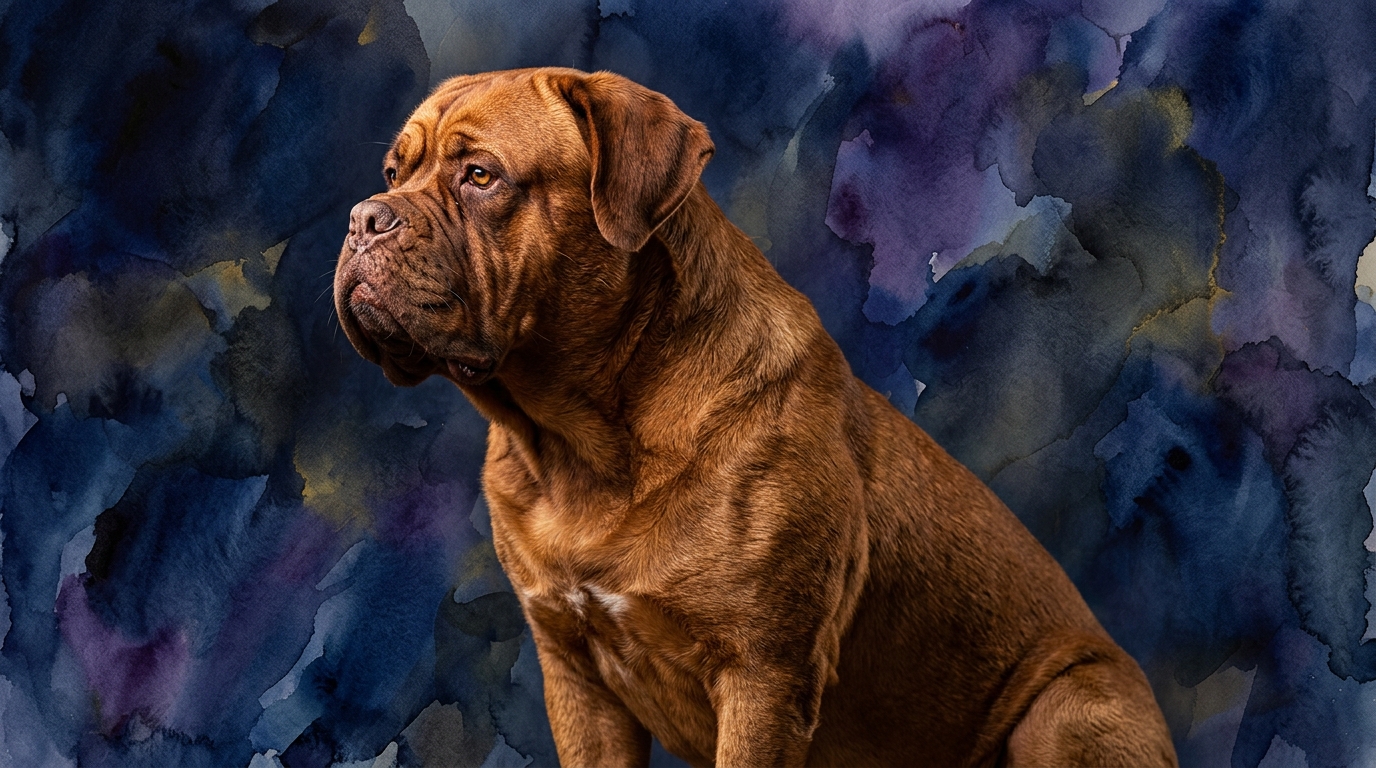
In contrast, the Dogue de Bordeaux, another powerful working breed, is not listed on the Coren ranking, which often implies a more specialized or less generalized approach to learning. Its IQ Lab scores are remarkably consistent across the board: problem-solving 3/5, training speed 3/5, social intelligence 3/5, instinctive drive 3/5, and memory 3/5. This profile suggests a stable and steady cognitive processing ability, without extreme highs or lows in any single dimension. They are capable learners and companions, but perhaps less inclined towards the intricate, independent strategizing seen in their Malamute counterpart.
Where the Alaskan Malamute's Mind Shines
The Alaskan Malamute's cognitive strengths are deeply rooted in its heritage as a powerful sled dog capable of independent work in harsh conditions. Its 4/5 problem-solving score means it excels at figuring out complex situations, whether it's navigating a challenging trail or devising a strategy to access a coveted treat. This isn't about compliance but about ingenious self-sufficiency. Coupled with its formidable 5/5 instinctive drive, the Malamute possesses an unwavering persistence and a deep understanding of its environment, making it a master of self-preservation and task completion.
Furthermore, the Malamute's memory, rated at 4/5, greatly enhances its problem-solving and instinctive capabilities. This allows them to remember intricate routes, successful hunting strategies, and the layout of their territory with remarkable accuracy. This combination of independent thought, strong drive, and excellent recall made them invaluable partners for Arctic explorers, requiring them to make critical decisions without constant human oversight, demonstrating a profound capacity for autonomous action and learning from experience.
The Dogue de Bordeaux's Unique Cognitive Strengths
The Dogue de Bordeaux's cognitive profile, characterized by consistent 3/5 scores across all dimensions, reveals a different kind of strength: reliability and balance. While it might not display the Malamute's flash of independent problem-solving genius, the Dogue’s moderate problem-solving (3/5) allows it to assess and respond to situations with a steady, pragmatic approach. It's less about outsmarting and more about understanding and reacting appropriately within its learned framework.
Its social intelligence (3/5) is particularly significant in its role as a devoted family companion and guardian. This moderate score indicates a capacity for strong, loyal bonds and an awareness of its human pack, without the extreme independence that might make a dog less attentive to family dynamics. The Dogue de Bordeaux offers a steadfast presence, relying on its solid memory (3/5) and balanced instinctive drives (3/5) to be a dependable, predictable member of the household, valuing consistency and interaction over solitary pursuits.
Training Dynamics: A Tale of Two Approaches
When it comes to training, the Alaskan Malamute and Dogue de Bordeaux present distinct challenges and rewards. The Malamute's training speed is rated 2/5, reflecting its independent spirit and tendency to question commands if they don't align with its own perceived purpose. Its high problem-solving (4/5) often means it's figuring out how to achieve its own goals, rather than focusing solely on human directives. This requires a trainer with immense patience, creativity, and a knack for making training feel like a collaborative problem-solving exercise rather than a series of commands.
Conversely, the Dogue de Bordeaux has a training speed of 3/5. While not an exceptionally quick learner, it generally exhibits a more compliant attitude than the Malamute. Its moderate instinctive drives (3/5) mean it's less likely to be distracted by overwhelming urges, and its social intelligence (3/5) fosters a desire to engage with its human. Consistent, positive reinforcement methods yield steady progress with the Dogue de Bordeaux, making it generally more amenable to traditional obedience training, though repetition will still be key.
Ultimately, neither breed is suited to harsh training methods. For the Malamute, such approaches often result in stubborn resistance or even clever avoidance. For the Dogue de Bordeaux, it can lead to emotional shutdown. Understanding their inherent cognitive wiring is paramount: the Malamute needs purpose and respect for its independence, while the Dogue de Bordeaux thrives on clear communication and a calm, reassuring leadership.
Matching Minds to Lifestyles: Active vs. Relaxed Owners
For owners with an active lifestyle, the Alaskan Malamute presents a compelling choice. Its remarkable 5/5 instinctive drive, deeply rooted in its sledding heritage, demands significant physical and mental exertion. These dogs thrive on long hikes, 'backyard' sledding, or any activity that allows them to use their strength and endurance. Their 4/5 problem-solving skills also mean they need regular mental challenges, such as advanced training, puzzle toys, or exploring new environments, to prevent boredom and destructive behaviors. They are partners for adventure, not passive observers.
The Dogue de Bordeaux, with its more balanced cognitive profile and moderate drives, is often a better fit for a more relaxed home environment. While they certainly benefit from regular exercise to maintain health, their needs are less intense and prolonged than a Malamute's. Their 3/5 social intelligence makes them content with quality family time, enjoying a cozy spot by their owner's side. They are devoted companions who appreciate a predictable routine and a calm atmosphere, making them suitable for owners who seek a steadfast presence without the constant demand for high-energy engagement.
The Verdict: When to Choose Each Breed
The Verdict
Opt for the Alaskan Malamute if you seek a resilient, independent partner for outdoor adventures and mental challenges, valuing self-sufficiency and a strong will. Be prepared to channel its formidable problem-solving and instinctive drives into productive activities.
Select the Dogue de Bordeaux if you prefer a steadfast, devoted companion with a balanced temperament, amenable to consistent training and a more relaxed home life. Its moderate cognitive demands make it a reliable family member, less prone to independent escapades.
🧠 Find Your Pet's IQ Score
Our Pet IQ Lab assessment covers 25+ tests across 5 cognitive dimensions — personalized to your breed.
Take the Full IQ Test →Frequently Asked Questions
Are Alaskan Malamutes harder to train than Dogue de Bordeaux?
Based on their IQ profiles, Alaskan Malamutes have a training speed of 2/5 compared to the Dogue de Bordeaux's 3/5. Malamutes are not necessarily 'harder' but require a different approach due to their strong independence and problem-solving skills, often using their intellect to negotiate rather than simply comply. The Dogue de Bordeaux, while not a quick learner, is generally more compliant with traditional methods.
Which breed is better at adapting to new environments?
The Alaskan Malamute's higher problem-solving (4/5) and memory (4/5) can make it adept at navigating new physical challenges and remembering layouts, but its strong instinctive drives might make it less adaptable to rapid routine changes. The Dogue de Bordeaux, with its balanced scores across the board, might adapt steadily with patient introduction, valuing consistency over novel challenges.
Do either of these breeds excel in guarding roles due to their intelligence?
Both breeds possess qualities suitable for guarding, though expressed differently. The Dogue de Bordeaux's social intelligence (3/5) and moderate instinctive drive (3/5) make it a natural, steadfast protector of its family and home, relying on its imposing presence. The Alaskan Malamute's high instinctive drive (5/5) and problem-solving (4/5) could be channeled into protective roles, but it's more inclined to independent action and less to direct territorial guarding compared to the Dogue.