
Side-by-Side IQ Profile: A Cognitive Blueprint
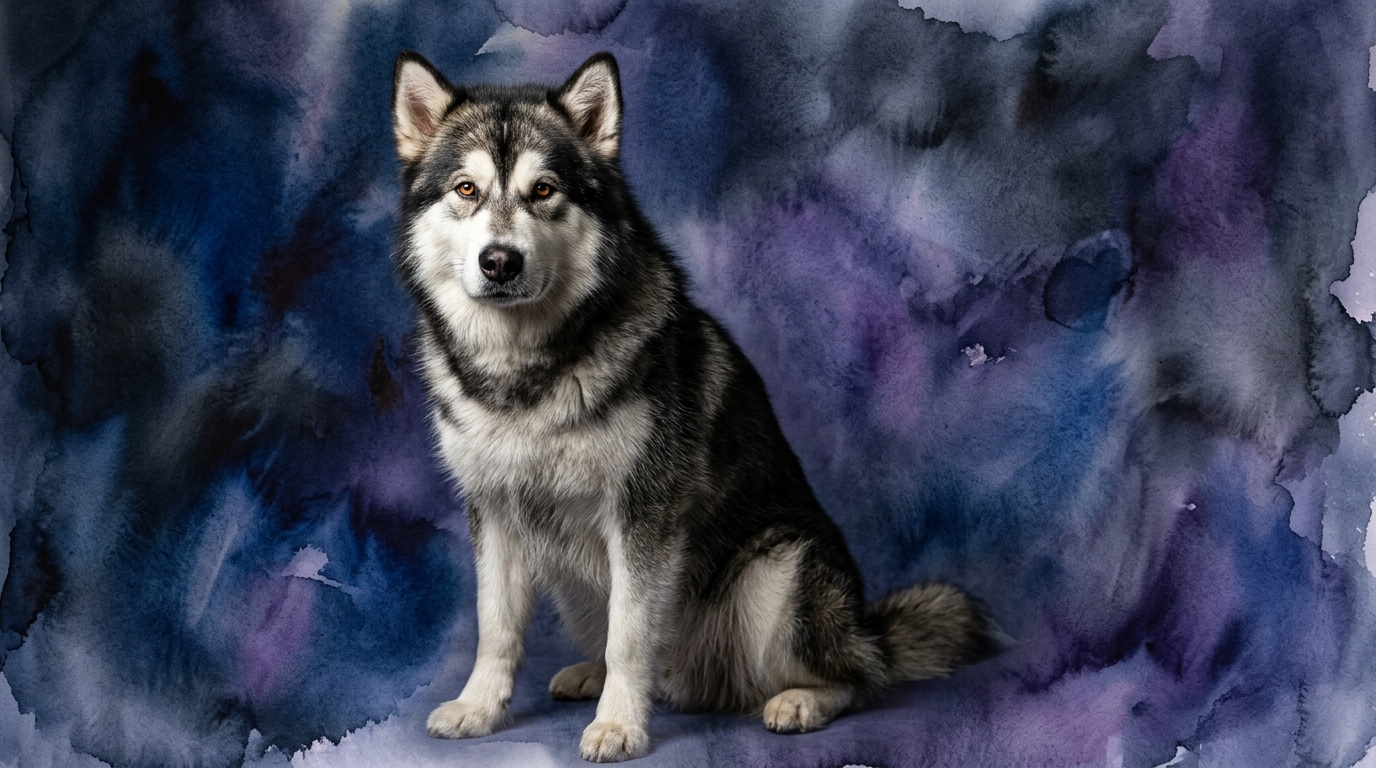
The Alaskan Malamute, a Working group dog Coren-ranked at #50, presents a robust cognitive profile tailored for demanding tasks. Their Problem Solving is rated 4/5, reflecting a significant capacity for independent thought and navigating complex scenarios. Training Speed, however, stands at 2/5, indicating a strong will and a tendency to evaluate commands before compliance. Social Intelligence is 3/5, allowing for an understanding of pack dynamics, though not always translating to eager obedience. An exceptional Instinctive Drive of 5/5 fuels their innate desire for pulling, digging, and exploring. Finally, their Memory is 4/5, enabling them to retain complex information and experiences over time.
In contrast, the English Toy Spaniel, a Toy breed not Coren-ranked, exhibits a more balanced and companion-focused intelligence. Their Problem Solving is 3/5, suggesting a moderate ability to figure out dilemmas, often relying on human guidance. Training Speed is 3/5, indicating an average pace for learning new commands, often driven by a desire to please. Social Intelligence is also 3/5, highlighting their attunement to human emotions and strong bond-forming capabilities. Their Instinctive Drive is 3/5, reflecting a less intense need for strenuous physical tasks, prioritizing comfort and companionship. Memory is rated 3/5, allowing for retention of routines and basic training without the extraordinary recall seen in some working breeds.
Alaskan Malamute's Cognitive Strengths
The Malamute's superior scores in Problem Solving (4/5), Instinctive Drive (5/5), and Memory (4/5) reveal specific cognitive advantages. Their elevated problem-solving ability stems from a history requiring independent decision-making in challenging environments, meaning a Malamute is adept at devising its own solutions to obstacles, whether it's navigating unfamiliar terrain or figuring out how to access a desired item. The formidable instinctive drive rating of 5/5 signifies a powerful internal motivation for purposeful activity, like pulling or exploring, deeply ingrained from generations of sled work; this isn't just about physical stamina but a strong cognitive program driving engagement with the world. Coupled with a robust memory, Malamutes can retain complex learned behaviors and environmental layouts over long periods, making them proficient at recalling intricate training sequences or remembering specific trails, even if the initial learning takes longer. This combination of independent problem-solving, powerful internal drive, and strong memory makes them uniquely suited for tasks demanding endurance, self-reliance, and navigating vast, unpredictable landscapes.
English Toy Spaniel's Unique Cognitive Advantages
While the English Toy Spaniel doesn't boast higher individual scores in specific IQ dimensions, its balanced profile and especially its Training Speed (3/5 vs 2/5 for Malamute) and Social Intelligence (3/5, expressed differently than the Malamute) present unique cognitive strengths for its intended role. The English Toy Spaniel's more moderate instinctive drive allows its cognitive resources to be directed towards human interaction and companionship without the overwhelming pull of working instincts. This results in a dog that is generally more amenable to domestic routines and less prone to independent, often destructive, problem-solving like digging or escaping. Their average training speed means they are typically more eager to please and less resistant to learning basic manners, making them smoother to integrate into a family setting. Their social intelligence, focused on close human bonding, means they excel at reading subtle emotional cues and providing comfort, a cognitive strength invaluable for a companion animal. This breed's cognitive architecture is optimized for intimate companionship, prioritizing connection and adaptability within a domestic sphere over rugged independence.
Training Dynamics: Independence vs. Amenability
When considering ease of training, the English Toy Spaniel generally offers a smoother experience for the average owner compared to the Alaskan Malamute. The English Toy Spaniel's Training Speed of 3/5, combined with its moderate instinctive drive and focus on companionship, means it tends to be more cooperative and less likely to challenge commands. They are typically motivated by praise and treats, eager to please their human, which facilitates faster acquisition of basic obedience and house rules. Their cognitive energy is less consumed by strong independent drives, allowing them to focus more readily on human instruction.
In contrast, the Alaskan Malamute's Training Speed of 2/5 and formidable Instinctive Drive of 5/5 indicate a breed that is often more challenging to train. Their high problem-solving ability often translates into an independent streak; they will frequently assess if a command benefits them before complying. This isn't a lack of understanding, but rather a strong will and a history of making their own decisions in survival situations. Training a Malamute requires immense patience, consistency, and a deep understanding of their motivations, often leveraging their natural drives in structured ways, rather than expecting immediate, eager compliance. Their cognitive independence means training is less about rote memorization and more about building a respectful, working partnership.
Matching Intellect to Lifestyle: Active vs. Relaxed Owners
The cognitive profiles of these two breeds clearly delineate their suitability for different lifestyles. The Alaskan Malamute, with its exceptional Instinctive Drive (5/5), high Problem Solving (4/5), and robust Memory (4/5), thrives with active owners who can meet its intense need for physical and mental engagement. These are dogs that require owners prepared for long hikes, sledding, canicross, or other demanding activities that tap into their innate drives. Their independent problem-solving mind also needs challenging brain games and consistent training to prevent boredom, which can lead to destructive behaviors. An owner unprepared for this cognitive and physical output would quickly find themselves overwhelmed.
Conversely, the English Toy Spaniel, with its moderate scores across all IQ dimensions and a focus on companionship, is an ideal fit for more relaxed owners. Their moderate instinctive drive means they are content with shorter walks, indoor play, and cuddling on the couch. Their cognitive needs are largely met through close interaction, gentle training, and simply being part of the family's daily life. While they appreciate mental stimulation, it's not the relentless, physically demanding kind required by a Malamute. They are cognitively wired to be devoted companions in a calmer, less physically intensive household.
The Verdict
Choose the Alaskan Malamute if you are an experienced, active owner seeking a powerful, independent, and highly driven partner for demanding outdoor adventures and consistent, patient training.
Opt for the English Toy Spaniel if you desire a gentle, adaptable, and affectionate companion who thrives on close interaction and a relaxed indoor lifestyle, without requiring extensive physical exertion.
🧠 Find Your Pet's IQ Score
Our Pet IQ Lab assessment covers 25+ tests across 5 cognitive dimensions — personalized to your breed.
Take the Full IQ Test →Frequently Asked Questions
Does a Malamute's lower training speed mean it's not smart?
Not at all. A Malamute's lower training speed (2/5) reflects its independent problem-solving (4/5) and strong will, rather than a lack of cognitive capacity. They assess commands and often require more convincing and consistent, stimulating methods, rather than simply obeying, showcasing a different kind of intelligence.
Is the English Toy Spaniel too delicate for any mental stimulation?
No, the English Toy Spaniel, despite its relaxed nature, benefits from mental stimulation. With a problem-solving score of 3/5 and average memory, they enjoy puzzle toys, learning new tricks, and engaging in gentle obedience work, which enriches their lives and strengthens their bond with owners.
How does a dog's "instinctive drive" impact its daily life?
Instinctive drive profoundly influences daily behavior; for a Malamute (5/5), it means a powerful urge to pull, dig, and explore, requiring outlets like sledding or hiking. For an English Toy Spaniel (3/5), it translates to a more moderate drive, content with less intense activities, making them easier to manage in a typical home environment.