Side-by-Side IQ Profile
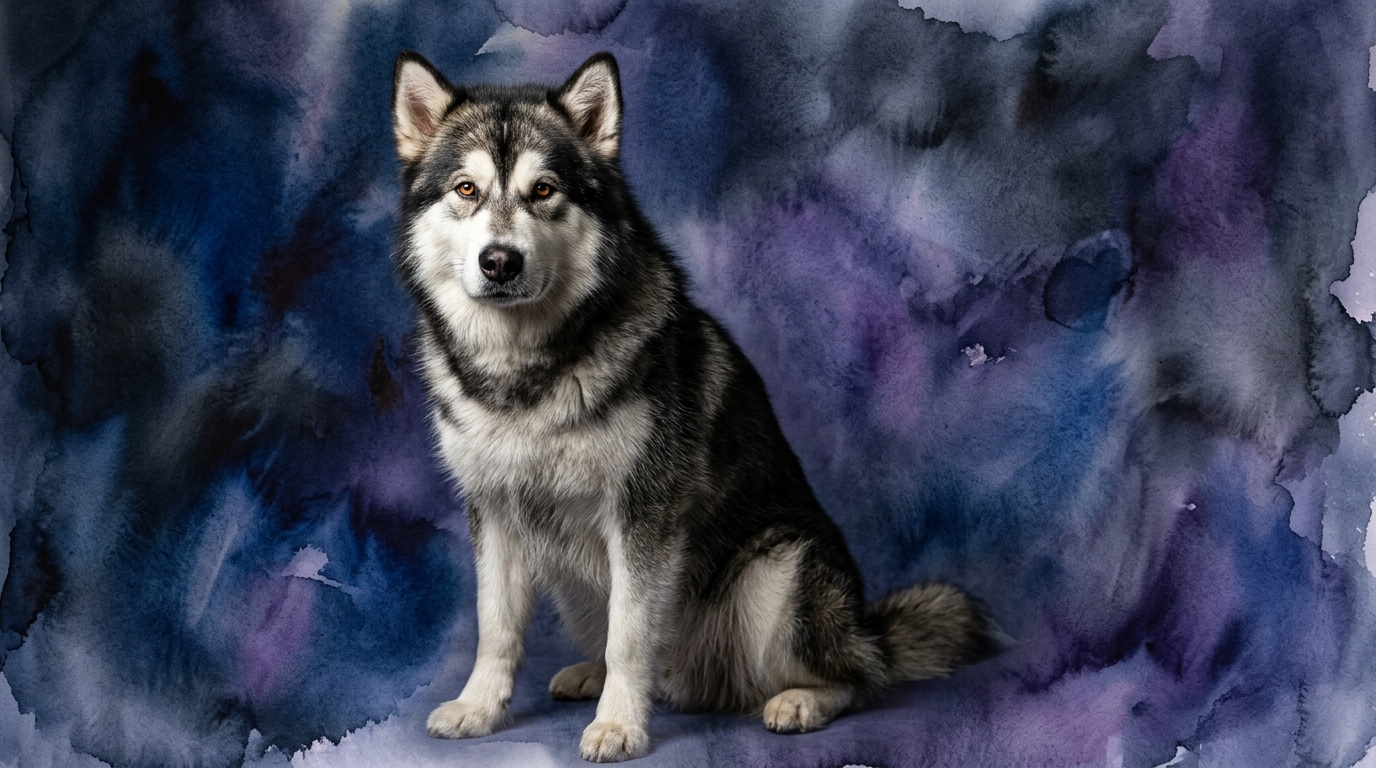
The Cosmic Pet Pet IQ Lab data presents a nuanced picture of these two breeds' cognitive abilities. The Alaskan Malamute, a powerful Working group dog, exhibits a robust Problem Solving score of 4/5, indicating a strong capacity for independent thought and finding solutions to environmental challenges. Their Instinctive Drive is exceptional at 5/5, reflecting deep-seated motivations for tasks like pulling and hunting, while Memory also scores well at 4/5. However, their Training Speed is rated 2/5, and Social Intelligence at 3/5, suggesting a more self-reliant and less handler-dependent learning style.
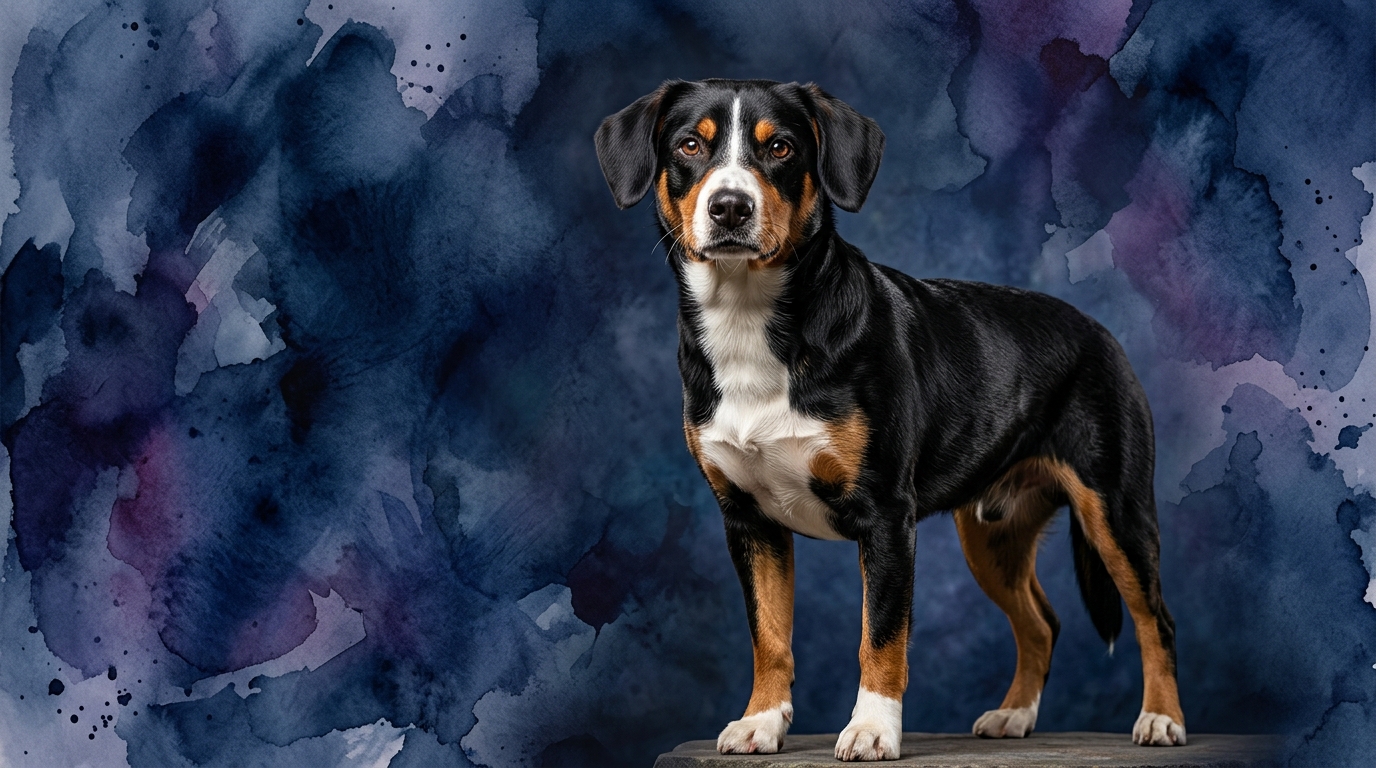
In contrast, the Entlebucher Mountain Dog, a vigilant Herding group member, shows a more balanced cognitive profile. Their Problem Solving is rated 3/5, indicating a practical intelligence focused on their immediate environment and tasks. Training Speed is 3/5, suggesting they are moderately responsive to instruction, while Social Intelligence also stands at 3/5, reflecting their role as attentive companions and workers. Instinctive Drive is 3/5, a moderate level suitable for their herding duties, and Memory is also 3/5, indicating reliable recall.
Where the Alaskan Malamute Wins Cognitively
The Alaskan Malamute's cognitive superiority shines in areas demanding independence and robust drive. Their Problem Solving score of 4/5, combined with an outstanding Instinctive Drive of 5/5, means they excel at navigating complex situations and pursuing goals with unwavering determination. This is evident in their historical role, where they were required to make decisions on the trail, find paths, and work tirelessly in challenging environments, often without direct human instruction. Their impressive Memory (4/5) further supports this, allowing them to recall routes, previously encountered obstacles, and learned strategies for efficiency. This strong cognitive package makes them highly resourceful and self-sufficient, capable of assessing and reacting to situations with minimal intervention, a trait valued in their original working capacity.
Where the Entlebucher Mountain Dog Wins Cognitively
The Entlebucher Mountain Dog's cognitive strengths lie in their balanced responsiveness and adaptability, particularly in a structured working relationship. While their Problem Solving at 3/5 is lower than the Malamute's, it's a practical intelligence well-suited for their herding tasks, focusing on observation and quick reactions within a defined system. Their Training Speed of 3/5, surpassing the Malamute's 2/5, indicates a greater willingness and aptitude for absorbing new commands and routines. This suggests a dog more attuned to human direction and eager to participate in collaborative tasks. Their moderate Instinctive Drive (3/5) is also a cognitive advantage in a companion setting, as it is robust enough for engagement but less likely to manifest as overwhelming independence, making them generally more manageable in everyday situations.
Which is Easier to Train and Why
Comparing Training Speed, the Entlebucher Mountain Dog (3/5) generally presents an easier training experience than the Alaskan Malamute (2/5). Entlebuchers, rooted in herding, possess a natural inclination to work cooperatively with their handler. They tend to be attentive and eager to please, thriving on structured tasks and positive reinforcement. This responsiveness means they often pick up commands more readily and show a consistent desire to perform, making training sessions productive. In contrast, the Alaskan Malamute's independent nature, a legacy of their long-distance sledding work, often translates to a "what's in it for me?" attitude. They are capable of learning, but their strong will and self-sufficiency mean they require significant patience, consistency, and highly motivating rewards. Training a Malamute often feels like a negotiation, whereas an Entlebucher is more likely to view it as a joint venture.
Which Suits Active Owners vs Relaxed Owners
Neither the Alaskan Malamute nor the Entlebucher Mountain Dog are suited for truly "relaxed" owners, as both breeds require substantial engagement. However, their activity profiles differ. The Alaskan Malamute, with its 5/5 Instinctive Drive and 4/5 Problem Solving, demands an exceptionally active owner who embraces long, vigorous outdoor adventures like hiking, running, or sledding. They thrive on challenging physical work and mental puzzles, utilizing their independent problem-solving skills and immense stamina. Owners must be prepared for a dog needing significant daily energy expenditure. The Entlebucher Mountain Dog, while also active, suits owners looking for a more structured, handler-focused partnership. Their 3/5 Instinctive Drive and 3/5 Training Speed mean they enjoy activities like agility, obedience, or herding trials, providing both physical exercise and mental stimulation through collaboration. They need consistent daily walks and playtime but might be content with shorter bursts of intense activity compared to the Malamute's endurance needs.
The Verdict
For owners seeking an independent, robust companion for extreme outdoor activities who appreciate exceptional self-reliance and problem-solving, the Alaskan Malamute is an ideal choice, provided they commit to extensive physical and mental stimulation.
Conversely, the Entlebucher Mountain Dog is better suited for active owners desiring a responsive, engaged partner for structured training, dog sports, and a generally more collaborative relationship in daily activities.
🧠 Find Your Pet's IQ Score
Our Pet IQ Lab assessment covers 25+ tests across 5 cognitive dimensions — personalized to your breed.
Take the Full IQ Test →Frequently Asked Questions
Are Alaskan Malamutes difficult to train?
Alaskan Malamutes, with a Training Speed of 2/5, are not necessarily difficult but require immense patience and consistency due to their independent nature. They often need highly motivating rewards and a handler who understands their strong will and self-sufficiency, preferring to work with you rather than just for you.
What kind of mental stimulation do Entlebucher Mountain Dogs need?
Entlebucher Mountain Dogs, possessing 3/5 Problem Solving and 3/5 Social Intelligence, thrive on varied mental stimulation that engages their collaborative nature. Activities like obedience training, puzzle toys, agility, or even herding games can keep their minds sharp and prevent boredom, channeling their natural attentiveness and responsiveness.
How do their social intelligences compare?
Both breeds score 3/5 in Social Intelligence, indicating they are generally capable of understanding social cues, but their application differs. Malamutes apply it with a degree of independence, observing and reacting to their environment and human companions with a self-assured demeanor. Entlebuchers, while equally socially aware, often direct their social intelligence more towards their handler, seeking interaction and guidance in their environment.