Side-by-Side Cognitive Profiles
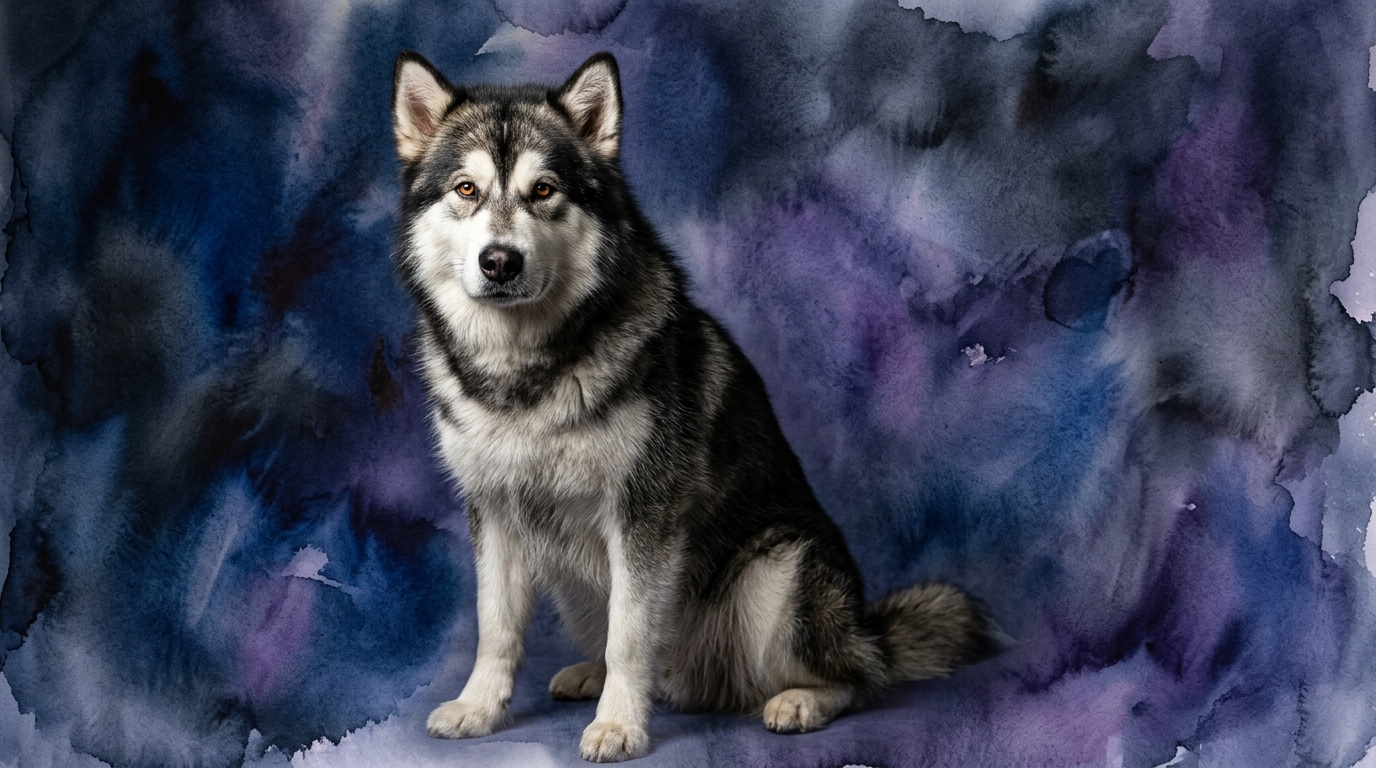
The Cosmic Pet Pet IQ Lab employs a five-dimensional framework to assess canine intelligence, moving beyond simple obedience to understand the depth of a breed's cognitive architecture. For the Alaskan Malamute, a Working breed ranked #50 by Coren, its profile reflects a powerful, self-sufficient mind built for endurance and navigation: Problem Solving 4/5, Training Speed 2/5, Social Intelligence 3/5, Instinctive Drive 5/5, and Memory 4/5. This suggests a dog capable of complex independent thought but with a deliberate approach to learning human directives.
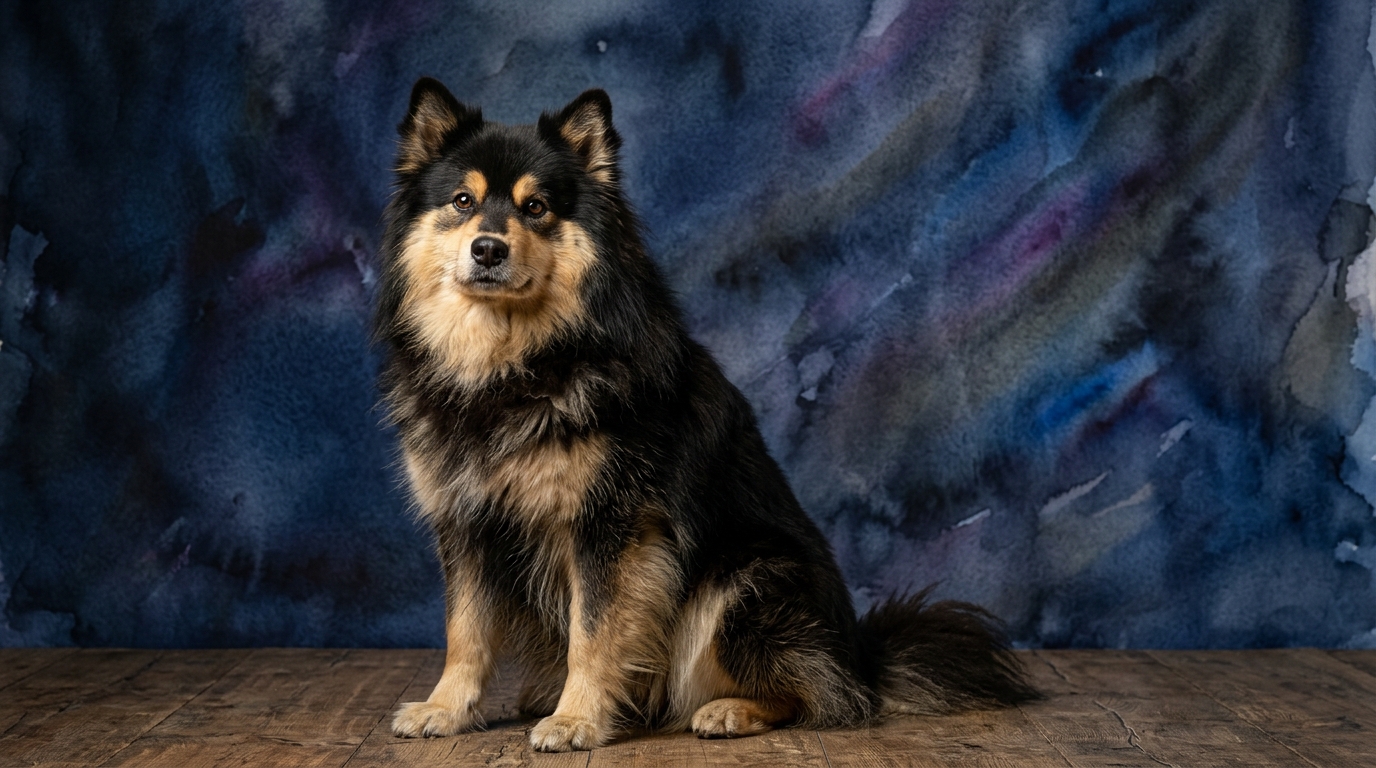
In contrast, the Finnish Lapphund, a Herding breed not ranked by Coren, exhibits a more balanced and adaptable cognitive makeup suited for dynamic interaction. Its profile includes: Problem Solving 3/5, Training Speed 3/5, Social Intelligence 3/5, Instinctive Drive 3/5, and Memory 3/5. This points to a dog that is generally responsive and cooperative, thriving in roles that require quick, on-the-spot decisions and collaboration with a handler.
Where the Alaskan Malamute's Brain Excels
The Alaskan Malamute's cognitive strengths are profoundly shaped by its heritage as an Arctic sled dog, where independence and survival often hinged on its own decisions. Its 4/5 rating in Problem Solving indicates a robust capacity for strategic thinking, particularly in physical and environmental challenges. A Malamute might excel at figuring out how to bypass an obstacle to reach a desired location, or how to manipulate a latch to gain access to a treat, often employing a trial-and-error approach with impressive persistence. This isn't about quick obedience but about intrinsic motivation to solve a problem for its own benefit, or for the benefit of its 'pack' in a working context.
Furthermore, the Malamute's 4/5 Memory score is crucial for its historical role. This breed remembers routes, complex sequences of actions, and the locations of resources with remarkable precision. A Malamute might recall a trail traversed months ago or remember the exact spot where a favorite toy was buried. This strong spatial and episodic memory allows them to navigate vast, featureless landscapes and retain intricate task knowledge over long periods, making them formidable partners in demanding, repetitive work that requires consistent application of learned information.
Where the Finnish Lapphund's Brain Shines
The Finnish Lapphund's cognitive advantages are rooted in its role as a reindeer herder, demanding quick reactions and adaptable thinking in fluid, unpredictable situations. While its Problem Solving is rated 3/5, this reflects a different kind of intelligence than the Malamute's. Lapphunds are adept at dynamic problem-solving, such as adjusting their herding strategy based on the unpredictable movements of a flock or the changing commands of a shepherd. They process real-time information rapidly and modify their behavior accordingly, a crucial skill for managing live animals across varied terrain.
Their balanced Instinctive Drive (3/5) allows them to engage their herding instincts effectively without becoming overly fixated or difficult to redirect. This means they can be 'called off' a task and transition to another with relative ease, a valuable trait in complex working scenarios or a busy household. This adaptability, combined with a 3/5 Training Speed, suggests a dog that learns at a steady pace and is generally amenable to instruction, making them responsive companions in a variety of activities from agility to general obedience. Their cognitive profile supports a dog that works with, rather than independently of, its human partner.
Which Breed is Easier to Train, and Why?
Comparing their Training Speed ratings, the Finnish Lapphund (3/5) generally presents a more straightforward training experience than the Alaskan Malamute (2/5). The Lapphund's herding heritage instilled a need for responsiveness and cooperation with its human handler; their role required them to listen and react to commands to effectively manage livestock. This inherent desire to work collaboratively translates into a greater willingness to engage in training sessions and absorb new commands, even if not at the lightning speed of some other breeds.
The Alaskan Malamute, conversely, possesses a strong independent streak, a trait that was vital for survival in harsh Arctic environments where making autonomous decisions could be life-saving. Their 2/5 Training Speed doesn't imply a lack of ability to learn, but rather a deliberate and often self-serving approach to training. A Malamute will learn commands, but they often require significant motivation and patience, and may choose to comply only if they perceive it as beneficial or if the reward is substantial. Their powerful Instinctive Drive (5/5) means they are often more driven by their own deep-seated urges than by human directives, making consistent, engaging, and reward-based training essential to overcome their natural inclination towards self-direction.
Matching Breeds to Lifestyles: Active vs. Relaxed Owners
For the highly active owner seeking a robust partner for outdoor adventures, the Alaskan Malamute is an exceptional choice, provided that owner understands and respects the breed's unique cognitive makeup. Their formidable physical endurance and 5/5 Instinctive Drive mean they thrive on demanding activities like long-distance hiking, sledding, or skijoring. Owners must be prepared to engage their Malamute's significant problem-solving abilities and strong memory with consistent mental stimulation, such as puzzle toys, scent work, or complex obedience sequences, to prevent boredom. This breed is not for the owner who desires a dog that simply follows instructions; they need a partner who can appreciate a canine with its own strong will and often, its own agenda.
The Finnish Lapphund, with its more balanced cognitive profile, is better suited for active owners who appreciate a responsive and engaged companion for a wider range of activities that emphasize cooperation. Their 3/5 Instinctive Drive makes them less singularly focused than a Malamute, allowing them to adapt well to sports like agility, obedience, rally, or even therapy work. While they certainly enjoy physical activity, they are also content with more moderate exercise, provided they receive consistent mental engagement through training and interaction. This breed integrates more readily into a variety of family dynamics, offering a devoted presence without the same level of independent decision-making that defines the Malamute.
The Verdict
Choose the Alaskan Malamute if you are an experienced, active owner seeking an independent, capable partner for demanding outdoor pursuits, and are prepared to engage with a dog that thinks for itself and requires consistent, motivated training.
Opt for the Finnish Lapphund if you desire a responsive, cooperative, and adaptable companion for a variety of activities, valuing a dog that learns steadily and thrives on collaborative engagement with its human family.
🧠 Find Your Pet's IQ Score
Our Pet IQ Lab assessment covers 25+ tests across 5 cognitive dimensions — personalized to your breed.
Take the Full IQ Test →Frequently Asked Questions
Do Alaskan Malamutes and Finnish Lapphunds get along with other pets?
Alaskan Malamutes, with their strong prey drive (Instinctive Drive 5/5), can be challenging with smaller pets and may require careful, early socialization. Finnish Lapphunds (Instinctive Drive 3/5) generally have a more moderate prey drive and often adapt better to multi-pet households, especially if introduced thoughtfully.
Are these breeds suitable for first-time dog owners?
The Alaskan Malamute is generally not recommended for first-time dog owners due to its independent nature, strong will, and significant training requirements. The Finnish Lapphund, while still needing consistent training, is more adaptable and cooperative, making it a more manageable option for dedicated first-time owners willing to learn.
How much exercise do these breeds need daily?
Alaskan Malamutes require substantial daily exercise, often several hours of vigorous activity, to satisfy their high energy and working drive. Finnish Lapphunds need moderate to high daily exercise, typically 60-90 minutes of active play or walks, combined with mental stimulation, to keep them content.