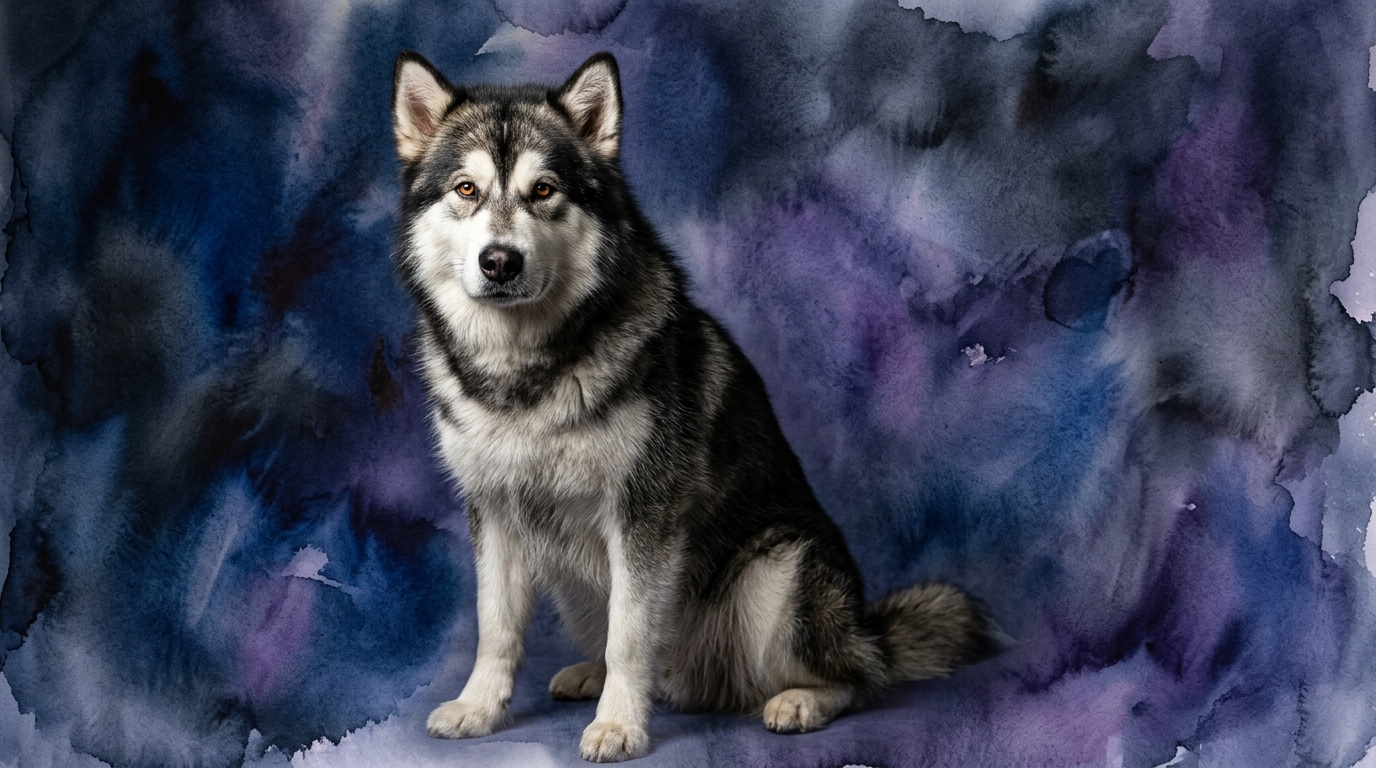
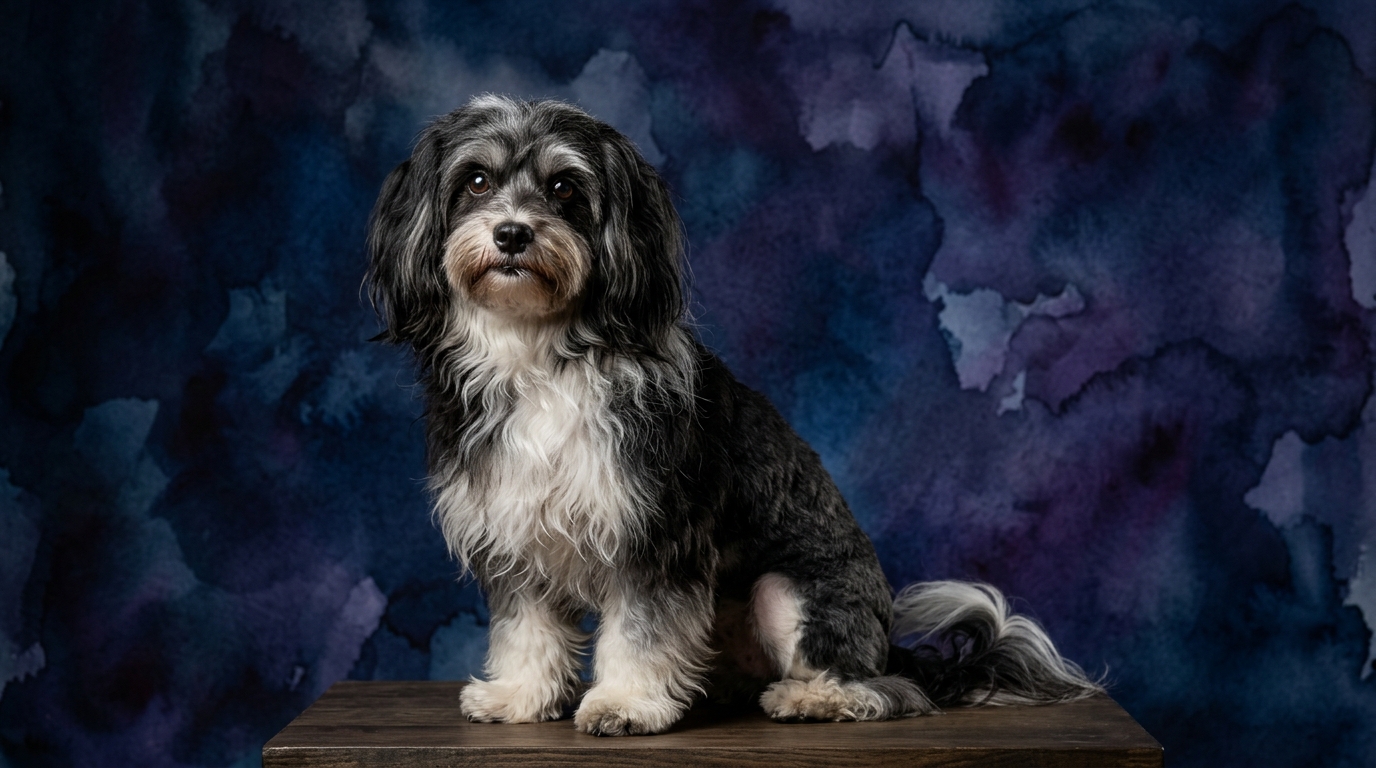
Side-by-Side Cognitive Profile: Malamute vs. Löwchen
The Cosmic Pet Pet IQ Lab evaluates canine intelligence across five key dimensions, offering a nuanced look beyond simple obedience. For the Alaskan Malamute, a breed ranked #50 by Stanley Coren, their profile reflects a heritage of demanding tasks and independent thought. They score 4/5 in Problem Solving, indicating a strong capacity for independent decision-making and navigating complex situations, crucial for their historical roles. Their Training Speed is 2/5, suggesting they may take longer to comply with new commands, often preferring to weigh options or follow their own initiative. Social Intelligence stands at 3/5, demonstrating an understanding of pack dynamics and human cues without being overly people-pleasing. An exceptional Instinctive Drive of 5/5 highlights their profound internal motivation for endurance, purpose-driven tasks, and survival, while their Memory is a robust 4/5, vital for retaining routes and learned behaviors over long periods.
In contrast, the Löwchen, a breed not Coren-ranked but with its own distinct cognitive strengths, presents a more balanced profile suited to its role as a spirited companion. Their Problem Solving is 3/5, indicating an adequate ability to understand and resolve typical household challenges and routines. They exhibit a Training Speed of 3/5, making them moderately responsive and generally eager to engage in learning new behaviors at an average pace. Social Intelligence is also 3/5, reflecting a good understanding of human emotions and social interactions, which is paramount for a close companion. Their Instinctive Drive registers at 3/5, a moderate level focused more on play, interaction, and companionship rather than intense working tasks. Finally, their Memory is 3/5, sufficient for retaining daily routines and basic training cues.
Where the Alaskan Malamute Excels Cognitively
The Alaskan Malamute's cognitive profile showcases a mind built for endurance, strategy, and self-reliance. Their superior Problem Solving (4/5 versus Löwchen's 3/5) means they are adept at independently assessing situations and devising solutions, whether it's navigating a challenging trail or figuring out how to access a desired item. This isn't just about simple tasks; it reflects a capacity for tactical thinking.
Perhaps their most defining cognitive strength is their exceptional Instinctive Drive (5/5 versus Löwchen's 3/5). This isn't merely about physical energy; it’s a profound mental fortitude and intrinsic motivation to perform purposeful work and overcome obstacles. This drive fuels their perseverance and makes them formidable in tasks requiring sustained effort and determination. Complementing this is their strong Memory (4/5 versus Löwchen's 3/5), allowing them to retain complex information, such as intricate routes or multi-step tasks, which was historically crucial for their roles in sled teams.
Where the Löwchen Excels Cognitively
While the Löwchen's scores might appear lower in comparison to the Malamute's working strengths, their cognitive profile represents an optimization for companionship, offering distinct advantages. Their higher Training Speed (3/5 versus Malamute's 2/5) is a significant cognitive win for owners seeking a responsive learner. Löwchens are generally more amenable to acquiring new commands and performing desired behaviors, often driven by a desire to interact and please their human counterparts, making training a more straightforward and often quicker process.
Furthermore, the Löwchen's balanced cognitive profile across all dimensions (all 3/5) allows for a remarkable adaptability in diverse home and social settings. Their moderate Instinctive Drive (3/5) means their natural inclinations are more aligned with domestic life, making them less prone to independent working behaviors that might challenge a typical pet owner. This cognitive flexibility allows them to thrive in varied environments without the intense, singular focus characteristic of a highly specialized working breed.
Ease of Training: A Question of Motivation and Independence
When considering ease of training, the Löwchen generally presents a more accessible experience for the average owner. Their Training Speed of 3/5 signifies a moderate responsiveness and a willingness to engage with their trainer. They are often motivated by positive reinforcement and social interaction, readily picking up basic obedience and household manners. Their moderate instinctive drives mean fewer inherent conflicts between their natural inclinations and human directives, leading to a smoother learning curve.
The Alaskan Malamute, with a Training Speed of 2/5, demands a different approach. Their strong problem-solving abilities and high instinctive drive mean they often question directives or prefer their own solutions. Training a Malamute requires immense patience, consistency, and a deep understanding of their independent nature. They are not dogs that blindly obey; rather, they engage in a collaborative process, where motivation must be compelling and tasks framed as engaging challenges. Their drive to work independently means they might prioritize their own goals over human commands if not properly stimulated or if the command seems illogical to them, making their training journey more nuanced and often more time-consuming.
Matching Cognitive Profiles to Owner Lifestyles
For active owners seeking a dog to share in demanding physical and mental pursuits, the Alaskan Malamute is a compelling choice. Their high Instinctive Drive (5/5) and robust Problem Solving (4/5) mean they thrive when given a 'job' – whether it's long hikes, sledding, pulling carts, or engaging in complex scent work. These dogs require consistent, challenging outlets for their cognitive strengths; without sufficient mental and physical engagement, their powerful intellect and drive can manifest as boredom or destructive behaviors. They need an owner who appreciates their independent spirit and can channel their considerable mental energy constructively.
Relaxed owners, or those seeking a versatile companion for a less intense lifestyle, will find the Löwchen's cognitive profile more fitting. Their balanced scores across Problem Solving, Training Speed, Social Intelligence, Instinctive Drive, and Memory (all 3/5) indicate a dog that is adaptable and enjoys interaction without requiring extreme levels of specific activity. They are content with moderate daily walks, engaging playtime, and participating in family activities. Their cognitive makeup allows them to integrate smoothly into varied home environments, providing affectionate companionship without the demanding cognitive needs of a working breed.
The Verdict
Choose the Alaskan Malamute if you are an experienced owner prepared to engage a thinking, driven companion in demanding activities, appreciating their independent problem-solving spirit and profound instinctive drive.
Opt for the Löwchen if you seek a versatile, responsive companion who enjoys interaction and moderate activity, fitting seamlessly into a varied home life with a generally quicker training response.
🧠 Find Your Pet's IQ Score
Our Pet IQ Lab assessment covers 25+ tests across 5 cognitive dimensions — personalized to your breed.
Take the Full IQ Test →Frequently Asked Questions
Are Alaskan Malamutes truly stubborn?
Instead of 'stubborn,' it's more accurate to describe Alaskan Malamutes as possessing a strong independent streak, fueled by their high instinctive drive and problem-solving abilities. They tend to analyze situations and make their own decisions, rather than blindly obeying, which requires patient and consistent training methods.
Do Löwchens need much mental stimulation?
While Löwchens don't demand the intense, task-oriented mental challenges of a working breed, they certainly benefit from regular mental stimulation. Engaging in interactive play, puzzle toys, and consistent training sessions keeps their moderate problem-solving and social intelligence sharp and prevents boredom.
How do their social intelligence scores (both 3/5) differ in practical terms?
Though both score 3/5, the practical manifestation differs due to their breed purposes. The Malamute's social intelligence often relates to understanding pack hierarchy and navigating group dynamics in a working context, while the Löwchen's is typically geared towards nuanced understanding of human emotions and social cues for intimate companionship.