Side-by-Side IQ Profile: Alaskan Malamute vs. Redbone Coonhound
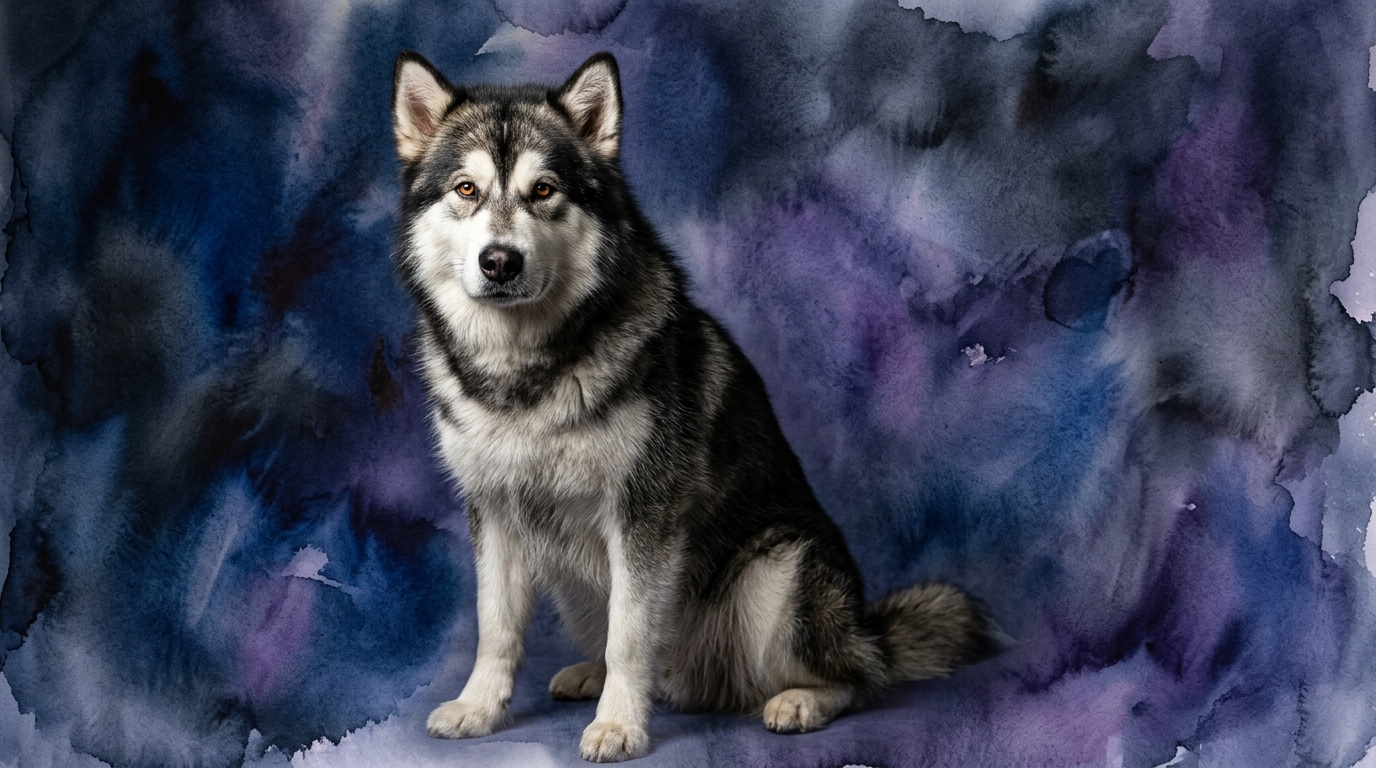
The Cosmic Pet Pet IQ Lab employs a five-dimensional framework to assess canine intelligence, offering a granular view of each breed's cognitive strengths. For the robust Alaskan Malamute, classified as a Working breed and holding Coren rank #50, its profile highlights a Problem Solving score of 4/5, indicating a high capacity for independent thought and strategic action in complex environments. Training Speed is rated 2/5, reflecting a strong-willed nature that values self-direction over immediate compliance. Social Intelligence stands at 3/5, suggesting a balanced ability to navigate pack dynamics and human interactions without being overly subservient. An Instinctive Drive of 5/5 underscores their powerful genetic predisposition for tasks like pulling, digging, and demonstrating strong prey drive. Finally, their Memory is rated 4/5, indicating a solid ability to recall learned commands, routes, and experiences over time.
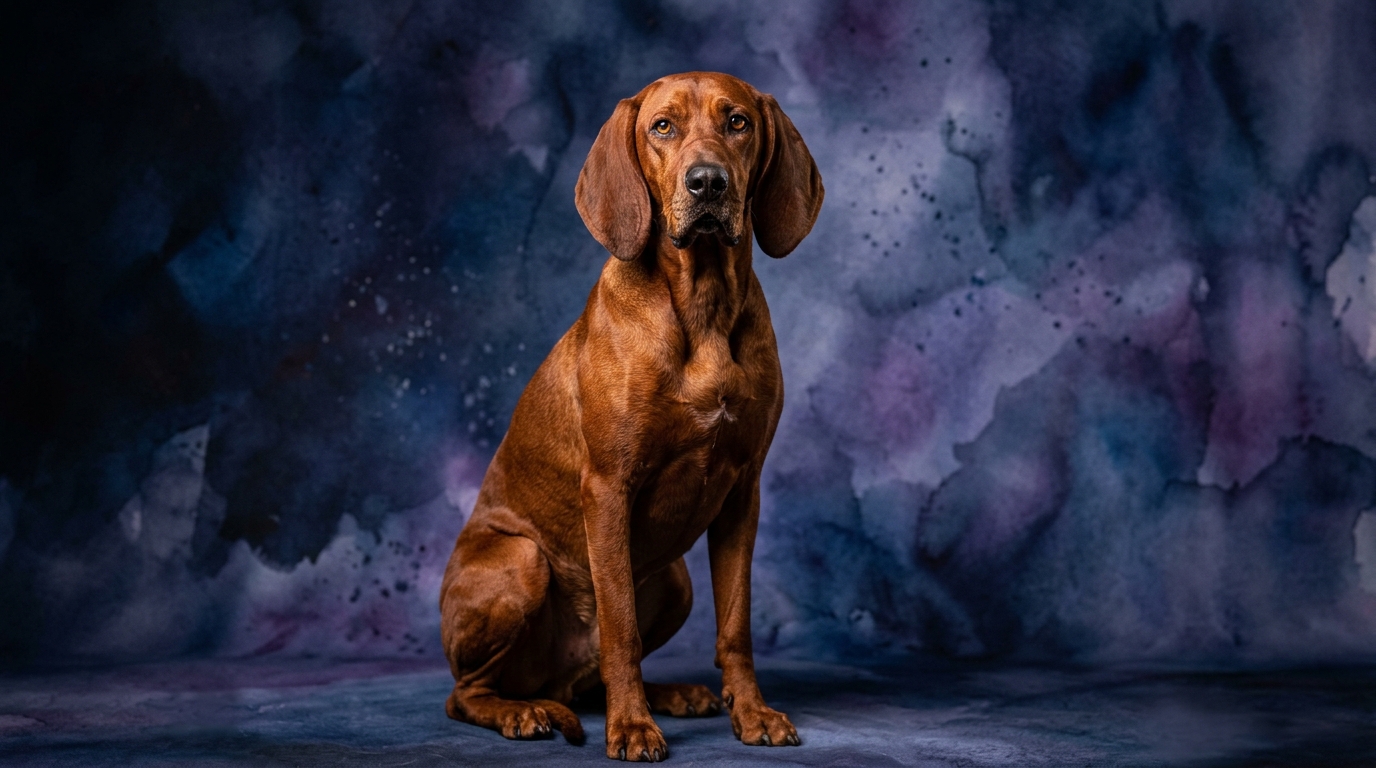
In contrast, the Redbone Coonhound, a dedicated Hound breed not listed on Coren's ranking, presents a different cognitive blueprint. Its Problem Solving score is 3/5, demonstrating practical intelligence primarily geared towards tracking and navigating scent puzzles rather than abstract manipulation. Training Speed is a moderate 3/5, suggesting they can learn effectively but often require persistent motivation due to their independent, scent-driven focus. Social Intelligence matches the Malamute at 3/5, indicating a generally amiable disposition and an ability to cooperate within a group, especially during a hunt. Their Instinctive Drive is 3/5, reflecting a strong, but perhaps more focused, drive for scent work and trailing rather than the Malamute's broader physical exertions. The Redbone Coonhound's Memory is also 3/5, proficient for recalling scent trails and familiar hunting grounds, but perhaps less for intricate multi-step commands.
Where the Alaskan Malamute Excels Cognitively
The Alaskan Malamute's superior Problem Solving (4/5) and Memory (4/5) scores position it as a breed adept at navigating and manipulating its physical environment. This translates into a capacity for intricate problem-solving, such as figuring out how to unlatch gates, bypass obstacles on a trail, or devise strategies to reach desired objects. Their cognitive strength lies in their ability to analyze a situation, recall past successes or failures, and apply a solution, often with a remarkable degree of independence. This resourcefulness, honed over generations of surviving and working in harsh conditions, means they can often "think their way" through challenges, making them formidable partners in tasks requiring initiative.
Furthermore, their strong memory contributes significantly to their ability to learn and retain complex routines, routes, and the nuances of their human companions' expectations. While their training speed might be lower due to their independent streak, once a concept is truly understood and accepted by a Malamute, it tends to stick. This combination of robust problem-solving and memory means a Malamute is capable of impressive feats of navigation and task completion, provided they are sufficiently motivated and understand the benefit of cooperation.
Where the Redbone Coonhound Shines Cognitively
The Redbone Coonhound's cognitive strengths are profoundly rooted in its specialized role as a scent hunter. While its Problem Solving is rated 3/5, this score doesn't fully capture its exceptional ability to interpret and follow complex scent trails. Their intelligence manifests as an unparalleled focus and persistence when on a scent, requiring intricate discrimination of odors, memory of previous tracks, and the ability to ignore distractions. This specific form of problem-solving is less about manipulating objects and more about navigating an invisible, olfactory landscape, a skill where they are truly masters.
Their Instinctive Drive (3/5) is entirely geared towards this pursuit, and their cognitive processes are optimized for it. A Redbone Coonhound can demonstrate incredible stamina and determination, mentally mapping out a quarry's path through varying terrains and conditions. This persistence, combined with their moderate memory (3/5) for scent patterns and locations, makes them highly effective in their chosen field. Their social intelligence (3/5) also plays a role here, as they often work cooperatively with other hounds and human hunters, demonstrating a nuanced understanding of group dynamics within the context of a hunt.
Which is Easier to Train and Why?
When it comes to ease of training, the Redbone Coonhound (Training Speed 3/5) generally presents a more straightforward path than the Alaskan Malamute (Training Speed 2/5). The Malamute's lower score is a direct reflection of its strong independent nature and formidable instinctive drives. They are bred to make decisions in the absence of human direction, a trait that translates into a "what's in it for me?" attitude during training. A Malamute requires consistent, engaging, and highly motivating training methods, as they can quickly become bored or simply choose not to comply if they don't see the value. Their strong prey drive and digging instincts, rated 5/5, often compete with obedience, making off-leash reliability a significant challenge that demands extensive and ongoing effort.
The Redbone Coonhound, while possessing its own brand of independence, particularly when a compelling scent is present, typically has a more moderate instinctive drive (3/5) and a slightly higher willingness to engage in structured learning. They can be enthusiastic learners when the training is positive and rewarding, often driven by a desire to please or the prospect of a treat. However, their profound focus on scent means that once a trail is picked up, all prior training can temporarily vanish. Owners must understand that while a Redbone Coonhound can learn commands at a reasonable pace, managing their natural hunting instincts requires consistent management and specific training to ensure safety and responsiveness in distracting environments.
Which Suits Active Owners vs. Relaxed Owners
For owners seeking an extremely active companion ready for rigorous outdoor adventures, the Alaskan Malamute is the clear choice, but with a significant caveat: these owners must also be exceptionally dedicated and experienced. Their immense Instinctive Drive (5/5) means they require vast amounts of physical exercise – not just a walk around the block, but sustained, purposeful activity like hiking, skijoring, or backpacking. Beyond physical exertion, their high problem-solving capacity and memory demand consistent mental stimulation through training, puzzle toys, and new challenges to prevent boredom and destructive behaviors. A Malamute thrives with an owner who understands their independent spirit and can channel their formidable drives into productive outlets, ideally someone who enjoys being challenged by their dog's formidable will.
The Redbone Coonhound, while also requiring an active lifestyle, suits owners whose activity preferences align more with long walks, hikes, and especially scent-based activities. Their moderate instinctive drive (3/5) for trailing means they will eagerly explore and follow scents, making them excellent companions for owners who enjoy exploring natural areas. They are generally less demanding in terms of sheer physical output compared to a Malamute, but their need for mental engagement through nose work or tracking games is paramount. Relaxed owners would likely find both breeds overwhelming; however, the Redbone Coonhound might be marginally more adaptable to a slightly less intense, but still consistently active, household, provided their scenting needs are met and their vocal nature is understood.
The Verdict: When to Choose Each Breed
The Verdict
Choose an Alaskan Malamute if you are an experienced, highly active individual or family prepared for a significant commitment to exercise, consistent training, and managing a dog with formidable independent thought and powerful drives. You'll gain a resourceful, loyal companion for adventurous pursuits.
Opt for a Redbone Coonhound if you are an active owner who appreciates a dog with a keen nose, enjoys long walks or hikes, and is prepared to manage a vocal, scent-driven companion with consistent, positive training. You'll find a devoted, amiable partner for outdoor exploration and scent work.
🧠 Find Your Pet's IQ Score
Our Pet IQ Lab assessment covers 25+ tests across 5 cognitive dimensions — personalized to your breed.
Take the Full IQ Test →Frequently Asked Questions
Are Alaskan Malamutes genuinely stubborn, or is it just strong will?
It's more accurate to describe their behavior as strong-willed independence rather than simple stubbornness. Their high problem-solving ability means they often evaluate requests and may choose not to comply if they don't see the benefit, a trait stemming from their history of making decisions in challenging environments.
Can Redbone Coonhounds be reliably walked off-leash?
Due to their powerful scent drive, reliably walking a Redbone Coonhound off-leash is extremely challenging and often not recommended in unsecured areas. Once they pick up a compelling scent, their focus becomes singularly dedicated to that trail, overriding most commands and making recall difficult.
Do both breeds require significant mental stimulation?
Absolutely, both breeds benefit immensely from mental stimulation, though the type differs. Malamutes need complex problem-solving tasks and new challenges to engage their high cognitive abilities, while Coonhounds thrive on nose work, tracking games, and activities that engage their exceptional olfactory senses.