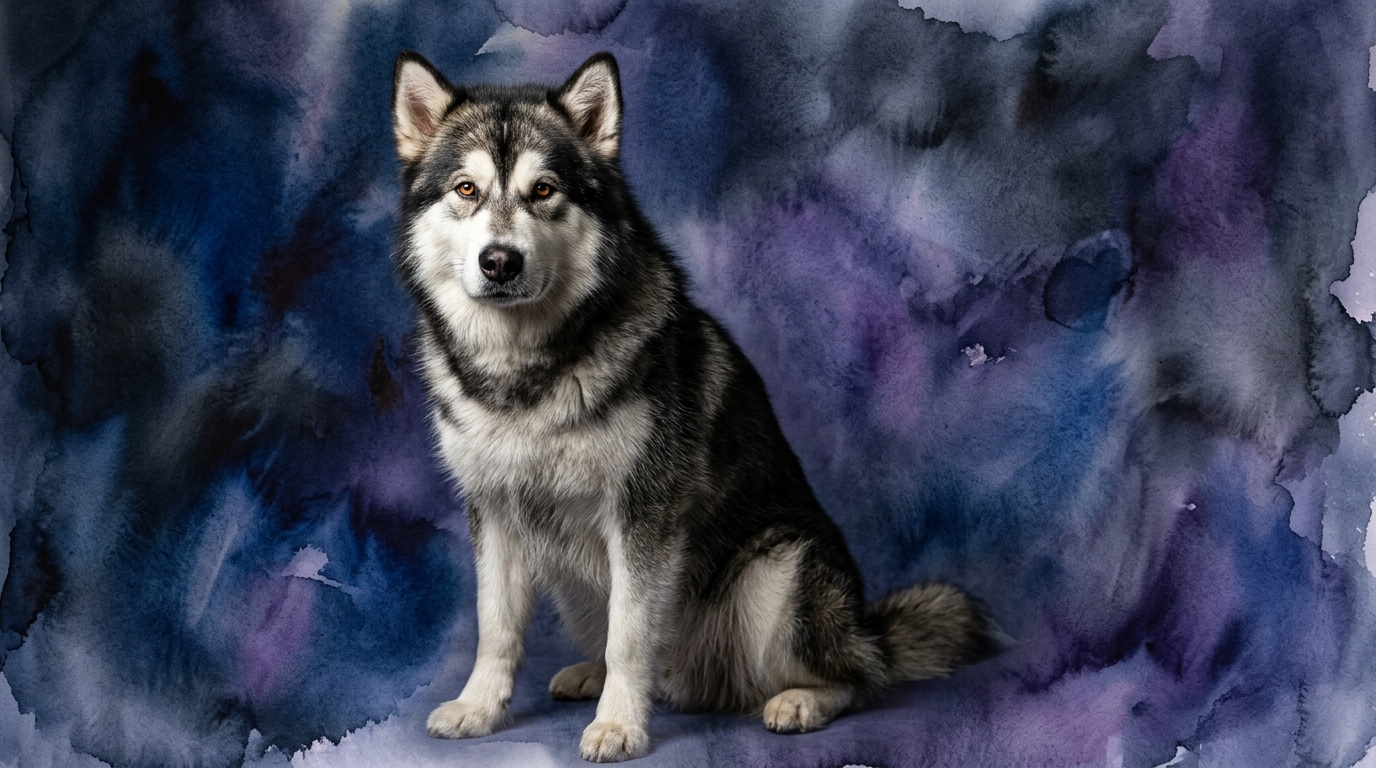
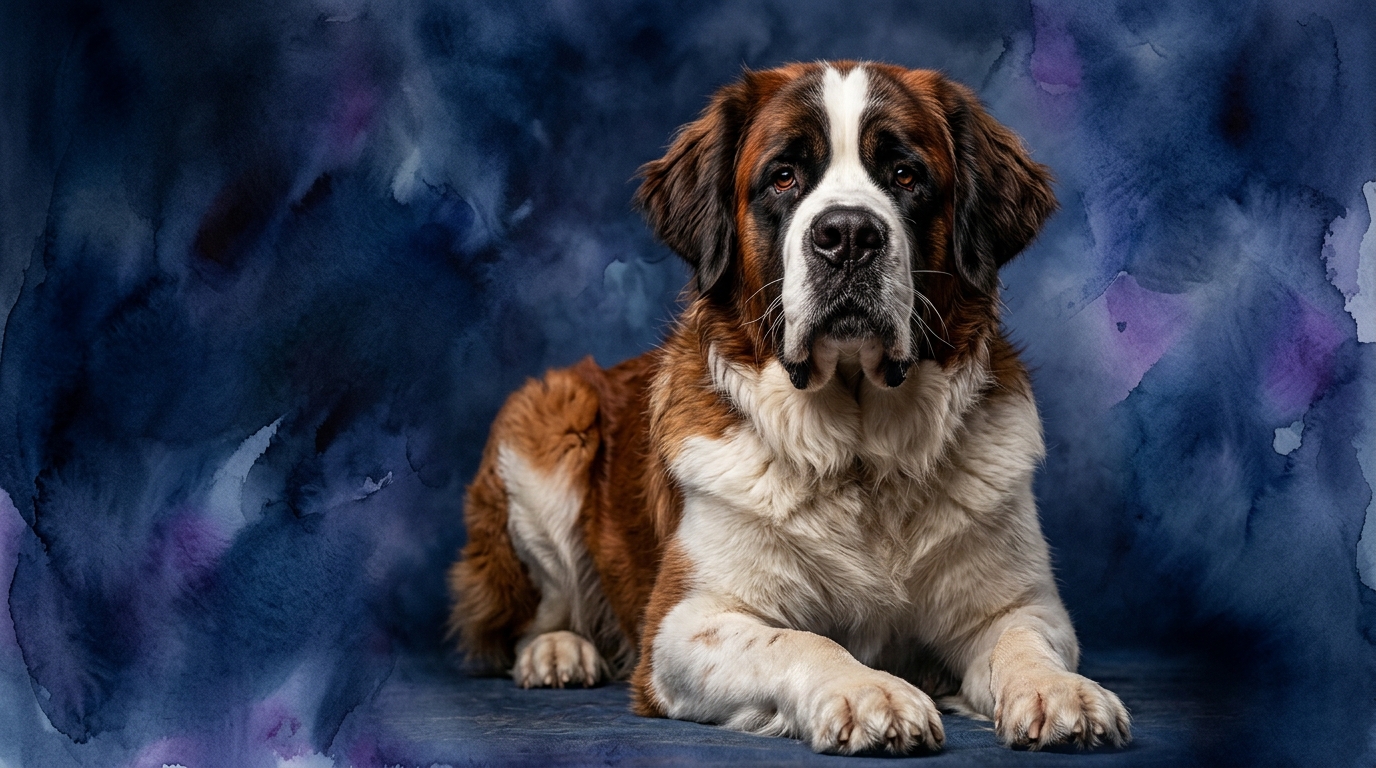
Side-by-Side IQ Profile: Alaskan Malamute vs. Saint Bernard
The Cosmic Pet Pet IQ Lab provides a detailed breakdown of canine intelligence across five key dimensions, revealing fascinating distinctions even among breeds within the same working group. For the Alaskan Malamute, their profile includes a robust Problem Solving score of 4/5, indicating a strong capacity for independent thought and strategic action. Their Training Speed, however, sits at 2/5, suggesting that while capable, they require consistent and patient guidance. Social Intelligence is rated 3/5, meaning they are generally adept in social situations but might not be as universally outgoing as some breeds. Their Instinctive Drive is a powerful 5/5, reflecting their deep-seated work ethic and intrinsic motivations. Finally, their Memory is strong at 4/5, allowing them to retain complex information and experiences.
In contrast, the Saint Bernard presents a slightly different cognitive landscape. Their Problem Solving ability is rated 3/5, showing a capacity for figuring out challenges, though perhaps with less spontaneous innovation than the Malamute. Similar to the Malamute, their Training Speed is 2/5, indicating a need for patience and positive reinforcement to embed new behaviors. Where the Saint Bernard shines is in Social Intelligence, scoring 4/5, highlighting their inherent empathy and strong bonds with their human companions. Like the Malamute, their Instinctive Drive is a formidable 5/5, reflecting their historical roles in rescue and guardianship. Their Memory score is 3/5, suggesting they retain information adequately, but might require more repetition than a breed with a higher memory score.
Where the Alaskan Malamute Wins Cognitively
The Alaskan Malamute's cognitive advantages are most evident in their superior Problem Solving and Memory scores. With a 4/5 in Problem Solving, Malamutes often display a remarkable ability to navigate complex environments, figure out how to access desired items, or even devise strategies to achieve their goals, such as opening gates or solving intricate puzzle toys. This capacity for independent thought means they are not simply following commands but actively engaging with their surroundings, often learning through observation and experimentation. Owners frequently report their Malamutes finding creative solutions to perceived obstacles, which can be both impressive and challenging to manage if not channeled appropriately.
Their 4/5 Memory score further enhances this problem-solving prowess. A Malamute can remember sequences of actions, recall past experiences to inform future decisions, and retain a wide array of commands and routines over long periods. This strong memory allows them to build upon learned experiences, making them adept at tasks requiring multiple steps or a series of conditioned responses. For an owner, this means that once a Malamute learns something, it tends to stick, though their independent nature (linked to their lower training speed) means consistent reinforcement is still crucial to ensure compliance rather than just retention.
Where the Saint Bernard Wins Cognitively
The Saint Bernard's primary cognitive strength lies in their elevated Social Intelligence, scoring 4/5 compared to the Malamute's 3/5. This higher social IQ translates into an exceptional capacity for empathy and understanding human emotions. Saint Bernards are often described as gentle giants, keenly attuned to the moods and needs of their family members. They excel at forming deep, intuitive bonds, making them highly responsive to emotional cues and excellent companions for children or individuals needing a comforting presence. This social acumen is a cornerstone of their historical role as rescue dogs, where sensing distress and offering comfort were paramount.
Their strong social intelligence also means Saint Bernards are generally more open and welcoming to strangers and new situations, provided they are properly socialized. They tend to integrate smoothly into family dynamics, often acting as a calm, reassuring presence. While their Problem Solving score is slightly lower than the Malamute's, their ability to read and react to social dynamics makes them incredibly perceptive partners in a home environment. This strength allows them to anticipate needs, offer gentle nudges of comfort, and generally contribute to a harmonious household through their innate understanding of social structures.
Which is Easier to Train and Why?
When it comes to ease of training, both the Alaskan Malamute and the Saint Bernard share a Training Speed score of 2/5, indicating that neither is inherently quick to pick up new commands or behaviors without significant effort and consistency. However, the *reasons* for this moderate training speed often differ. The Alaskan Malamute's independent problem-solving nature and strong instinctive drive mean they can be willful; they might understand what you want but choose whether or not to comply based on their own assessment of the situation or their desire for a higher reward. Training a Malamute often involves convincing them that cooperation is more beneficial than independent action, requiring patience, positive reinforcement, and making training sessions engaging and varied to combat boredom.
The Saint Bernard, while also scoring 2/5, tends to exhibit a different kind of deliberation in training. Their training speed is less about defiance and more about a methodical approach, sometimes coupled with a gentle stubbornness or a preference for comfort over exertion. They are powerful dogs with a strong sense of self, and while their social intelligence makes them eager to please their loved ones, they may not always move with lightning speed or enthusiasm. Consistency, clear communication, and positive reinforcement are equally vital for the Saint Bernard, but the trainer’s focus might be more on motivating a large, sometimes ponderous animal to move and act, rather than outsmarting a highly independent thinker.
Which Suits Active Owners vs. Relaxed Owners
The choice between an Alaskan Malamute and a Saint Bernard largely depends on an owner's lifestyle and what they seek in a canine companion. The Alaskan Malamute, with its high instinctive drive (5/5) and superior problem-solving abilities (4/5), thrives with active owners who enjoy engaging in mentally and physically stimulating activities. These dogs were bred for endurance and hauling, meaning they require regular, vigorous exercise to be content. Owners who enjoy hiking, running, sledding, or canine sports like agility (despite their size) will find a Malamute a willing and capable partner. Their independent nature also means they appreciate owners who can provide consistent leadership and channel their intelligence into productive tasks, such as advanced obedience or puzzle-solving games, to prevent boredom-induced mischief. A relaxed owner might find a Malamute's energy and cognitive demands overwhelming.
Conversely, the Saint Bernard, while possessing an equally strong instinctive drive (5/5), channels it differently, often towards guardianship and companionship rather than relentless physical exertion. Their high social intelligence (4/5) makes them ideal for relaxed owners seeking a devoted, empathetic, and gentle giant. While they still require daily walks and moderate exercise to maintain health, they are not typically high-energy dogs that need to run for miles. They are more content to be near their family, observing and offering comfort. Their slower training speed means a relaxed owner must still be committed to consistent, patient training, but the focus will be more on developing good manners and a strong bond, rather than preparing for competitive sports. They are well-suited to families who appreciate a calm, loving presence and can accommodate their substantial size without demanding extreme athleticism.
The Verdict
Choose the Alaskan Malamute if you are an active, experienced owner who enjoys mental challenges and can provide consistent training and ample outlets for their substantial physical and cognitive energy.
Opt for the Saint Bernard if you are a relaxed, family-oriented owner seeking a deeply empathetic, gentle, and devoted companion who thrives on social interaction and a calm home environment, even with their training patience demands.
🧠 Find Your Pet's IQ Score
Our Pet IQ Lab assessment covers 25+ tests across 5 cognitive dimensions — personalized to your breed.
Take the Full IQ Test →Frequently Asked Questions
Are Alaskan Malamutes good with children?
Alaskan Malamutes can be good with children, especially if raised with them and properly socialized. However, their strong prey drive and independent nature mean supervision is always recommended, and they may be less naturally tolerant of rough play compared to some other breeds.
Do Saint Bernards drool a lot?
Yes, Saint Bernards are well-known for their significant drooling, especially after eating or drinking. This is a common breed trait due to their jowls and is something prospective owners should be prepared for with regular cleaning and management.
Which breed is more prone to separation anxiety?
Both breeds can develop separation anxiety if not properly conditioned or if left alone for excessive periods, but the Saint Bernard's higher social intelligence and stronger bond with family might make them slightly more prone to distress when isolated. The Malamute's independence can sometimes make them more tolerant of solitude, provided their exercise and mental stimulation needs are met.