The Cosmic Pet IQ Lab: Side-by-Side Cognitive Profiles
The Cosmic Pet Pet IQ Lab employs a five-dimensional framework to assess canine intelligence, offering a nuanced perspective beyond traditional rankings. For both the Alaskan Malamute and the Shiba Inu, a remarkable consistency emerges across these core cognitive areas, yet their Coren ranking tells a different story about their working intelligence. The Alaskan Malamute, a proud member of the Working Group, holds a Coren rank of #50, indicating a solid capacity for obedience and working tasks. In contrast, the Shiba Inu, from the Non-Sporting Group, is not Coren-ranked, suggesting a different disposition towards human-directed commands.
When we examine the individual IQ dimensions, both breeds score identically: Problem Solving 4/5, Training Speed 2/5, Social Intelligence 3/5, Instinctive Drive 5/5, and Memory 4/5. A Problem Solving score of 4/5 indicates that both breeds possess strong cognitive flexibility, capable of navigating complex situations and devising solutions to obstacles, whether that's figuring out how to open a gate or understanding a multi-step command. Their Training Speed, at 2/5, suggests they are not the quickest learners when it comes to new commands, often requiring patience and consistent repetition from their handlers to solidify new behaviors. This score reflects a certain independence in their learning process rather than an eagerness to immediately comply.
Social Intelligence at 3/5 for both points to an ability to read and respond to social cues, both canine and human, though perhaps not with the high emotional attunement seen in some other breeds. They understand social hierarchies and interactions but maintain a degree of self-possession. The perfect 5/5 score in Instinctive Drive highlights a profound internal motivation rooted in their ancestral roles; for the Malamute, this translates to a powerful urge to pull and work, while for the Shiba, it often manifests as a strong prey drive and a desire to explore. Finally, a Memory score of 4/5 means both breeds have excellent recall for routines, commands, and experiences, remembering both positive and negative associations over long periods. This strong memory can be a double-edged sword: excellent for retaining good habits, but also for holding onto negative experiences or patterns of behavior.
Where the Alaskan Malamute Excels Cognitively
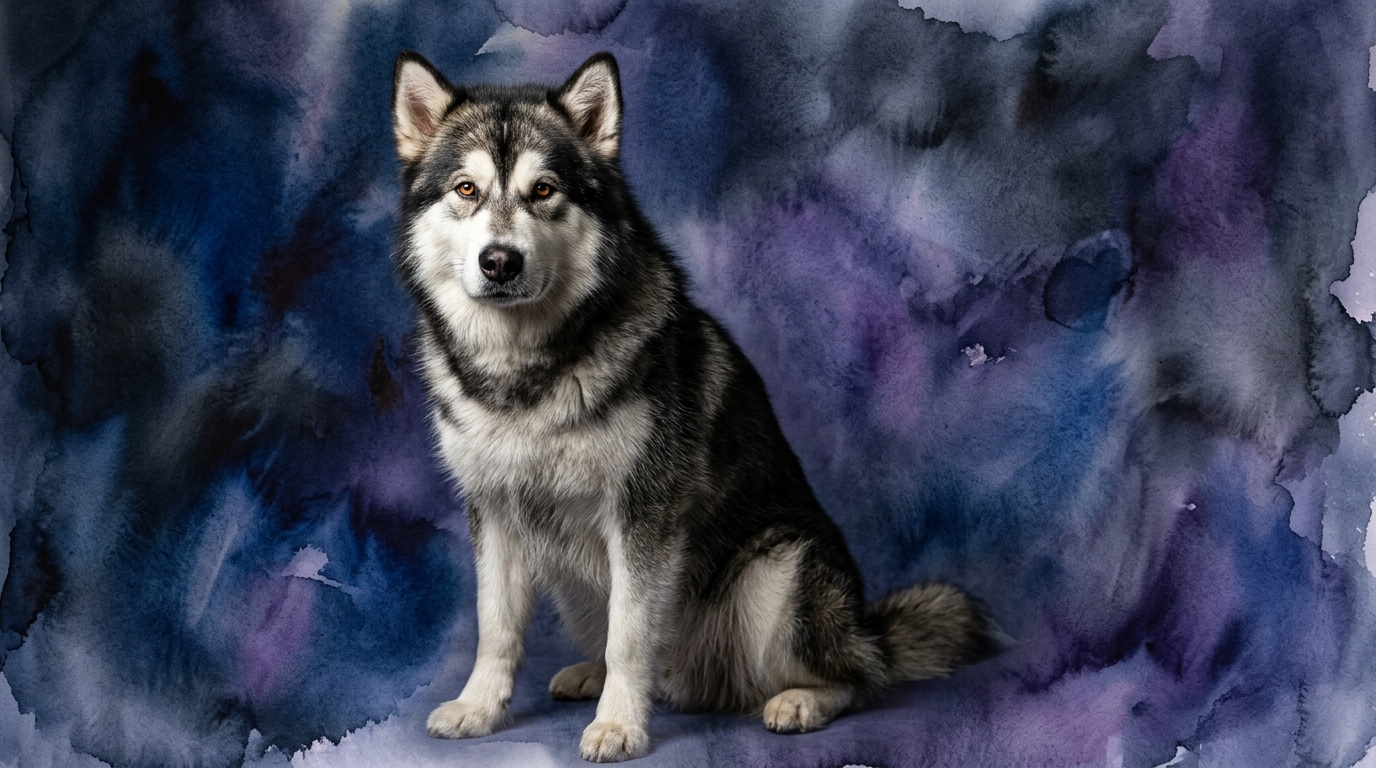
Despite identical scores in the five IQ dimensions, the Alaskan Malamute's cognitive strengths manifest uniquely, particularly as evidenced by its Coren rank of #50. This ranking, even if not at the very top, places it firmly within the category of dogs capable of understanding and reliably executing commands. Its 4/5 Problem Solving and 4/5 Memory are often directed towards cooperative tasks, reflecting its heritage as a powerful sled dog requiring intricate teamwork with humans and other dogs. The Malamute's intelligence shines when presented with a 'job' that leverages its physical prowess and mental fortitude, such as navigating complex trails or understanding directional cues while pulling. Its social intelligence, though rated 3/5, often manifests as a deep, albeit sometimes reserved, bond with its family, allowing it to interpret subtle human intentions in a working context.
The Malamute's instinctive drive, a perfect 5/5, is channeled into purposeful activity. This breed's memory is adept at retaining long sequences of actions and routes, crucial for sustained effort in demanding environments. While its training speed is moderate at 2/5, the Malamute's capacity for sustained focus on a task, coupled with its memory, means that once a behavior is learned through consistent reinforcement, it becomes deeply ingrained. Its cognitive edge lies in its willingness to apply its problem-solving and memory within a human-directed framework, demonstrating a practical intelligence geared towards partnership and shared objectives, making it a formidable companion for intricate, collaborative endeavors.
Where the Shiba Inu Demonstrates Unique Cognitive Strengths
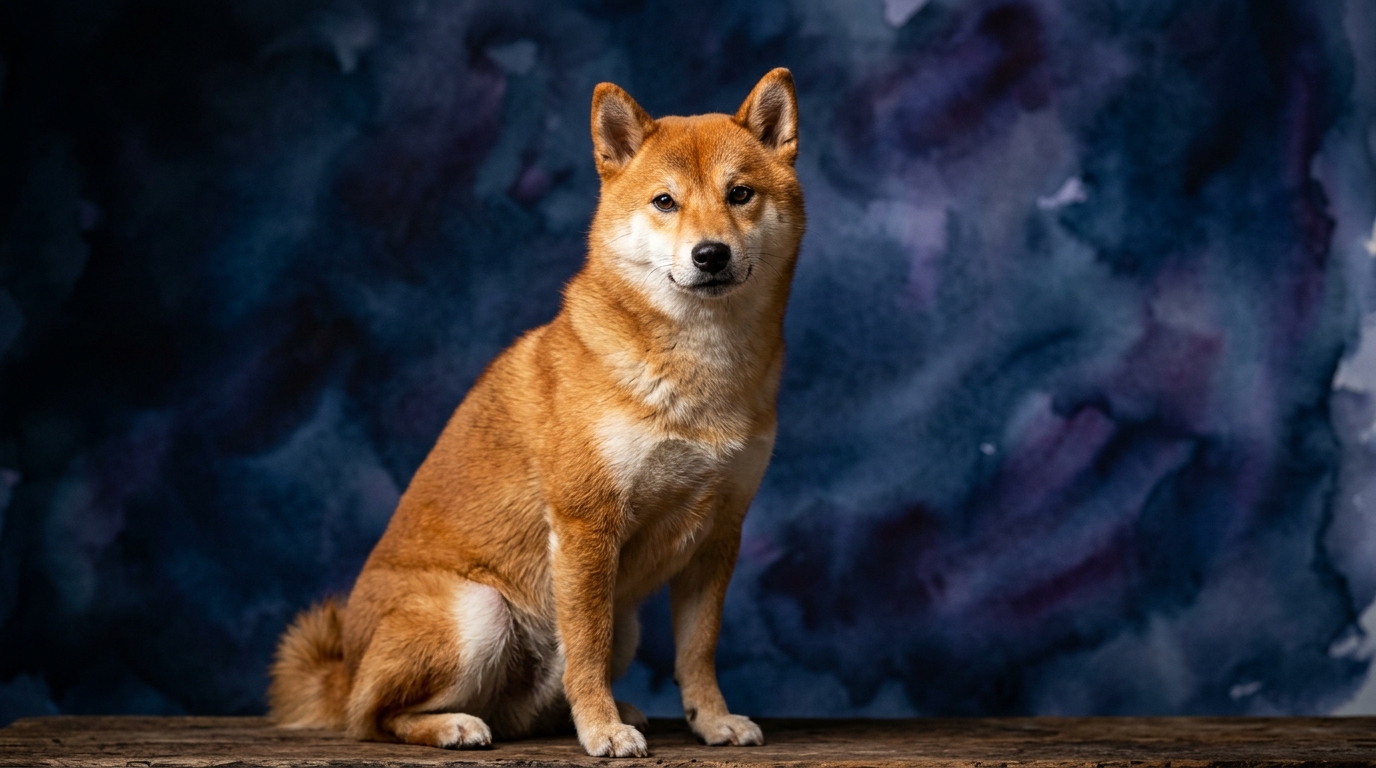
The Shiba Inu, while sharing identical raw IQ scores with the Malamute, applies its cognitive abilities with a distinct independence, reflecting its 'Not Coren-ranked' status. Its 4/5 Problem Solving isn't typically geared towards pleasing a handler, but rather towards navigating its environment, achieving its own objectives, or outsmarting perceived limitations. A Shiba's intelligence often manifests as resourcefulness and cunning; it might figure out how to open cabinets, escape enclosures, or manipulate situations to its advantage with remarkable ingenuity. This independent problem-solving often makes them appear exceptionally clever to their owners, albeit sometimes mischievously so.
The Shiba's 5/5 Instinctive Drive fuels a keen awareness of its surroundings and a strong prey drive, making its memory (4/5) particularly effective at recalling scents, routes, and potential escape opportunities. Their social intelligence (3/5) allows them to engage selectively, often observing situations before deciding whether to participate, a hallmark of their self-possessed nature. While their Training Speed is 2/5, this isn't due to a lack of capacity to learn, but rather a strong will and a 'what's in it for me?' attitude. They remember what benefits them and can be remarkably persistent in pursuing those goals. The Shiba's cognitive strength lies in its self-reliance and its ability to thrive using its intelligence for independent action and self-preservation, making it a master of its own domain.
Training Dynamics: Alaskan Malamute vs. Shiba Inu
Both the Alaskan Malamute and the Shiba Inu carry a Training Speed score of 2/5, indicating that neither is inherently quick to pick up new commands. However, the practical implications of this score diverge significantly when considering their Coren rankings and breed temperaments. The Malamute, ranked #50 by Coren, demonstrates a foundational level of cooperative intelligence. While requiring 25-40 repetitions to learn a new command and obeying the first command 30% of the time, this still signifies a breed that, with consistent and fair methods, will engage in a learning partnership. Their desire to be part of a 'team' and their working heritage mean that while they can be stubborn, they respond well to positive reinforcement and clear leadership, especially when training taps into their natural drives like pulling or scent work.
The Shiba Inu, being 'Not Coren-ranked,' presents a more formidable training challenge. While possessing the same raw cognitive abilities, their independent and strong-willed nature means they are often less inclined to obey simply to please their human. Their 2/5 Training Speed is compounded by a deep-seated self-interest; they learn quickly what benefits them directly, but might ignore commands that don't offer immediate gratification. Training a Shiba often feels like a negotiation, requiring extreme patience, creativity, and high-value rewards to maintain their focus. Real behavioral differences include the Malamute's eventual, albeit sometimes grudging, compliance born from a desire to work with its human, versus the Shiba's tendency to weigh the cost-benefit of obedience against its own desires. Therefore, while both demand patience, the Malamute is generally perceived as 'easier' in the sense that it is more amenable to human direction, whereas the Shiba often requires owners to adapt to its unique, independent mindset.
Matching Breeds to Lifestyles: Cooperative Partners vs. Independent Companions
Both the Alaskan Malamute and the Shiba Inu score a robust 5/5 in Instinctive Drive, signaling that neither is suited for a truly 'relaxed' owner in terms of physical and mental stimulation needs. These are breeds that require significant engagement to thrive. However, the *nature* of that engagement differs, appealing to different types of active owners. The Alaskan Malamute, as a Working dog, thrives with owners who can provide outlets for its powerful drive to pull, hike, and engage in structured activities. They are ideal for active individuals or families seeking a cooperative partner for long treks, sledding, or canine sports like canicross. Their social intelligence, while not overly effusive, translates into a loyal and dedicated companion for shared adventures. An owner who understands and respects their working heritage, providing consistent training and ample opportunity for physical exertion, will find a deeply rewarding bond.
The Shiba Inu, while equally high in instinctive drive, channels this energy into independent exploration and often, a strong prey drive. They are best suited for active owners who appreciate a dog with a distinct personality and a flair for self-sufficiency. These owners must provide secure environments for exercise, such as securely fenced yards or safe, leashed walks, as a Shiba's independent nature and strong instincts can lead them to wander or chase. They enjoy puzzle toys, scent games, and activities that stimulate their clever problem-solving skills without necessarily requiring constant human direction. While they enjoy their family's company, they are less inclined to be a 'velcro' dog, making them suitable for owners who value a more independent companionship rather than a constant shadow. Neither breed is for a sedentary lifestyle; both demand significant commitment to their well-being, but the *form* of that commitment varies considerably.
The Verdict
Choose the Alaskan Malamute if you seek a strong, loyal partner for cooperative outdoor adventures and are prepared for consistent, patient training to channel its working drive.
Opt for the Shiba Inu if you admire a highly independent, resourceful companion with a unique personality and are ready to embrace a more nuanced, negotiation-based approach to training and management.
🧠 Find Your Pet's IQ Score
Our Pet IQ Lab assessment covers 25+ tests across 5 cognitive dimensions — personalized to your breed.
Take the Full IQ Test →Frequently Asked Questions
Are Alaskan Malamutes and Shiba Inus good for first-time dog owners?
Neither breed is typically recommended for first-time dog owners due to their strong wills, high energy levels, and specific training needs. Both require experienced handlers who understand their independent natures and can provide consistent leadership and appropriate outlets for their instinctive drives.
Do Alaskan Malamutes or Shiba Inus bark a lot?
Alaskan Malamutes are known for being vocal, often 'talking' with a characteristic 'woo-woo' sound rather than traditional barking, though they can bark. Shiba Inus are generally quieter but can be quite vocal when excited or alarmed, often emitting a unique 'Shiba scream' that is distinct from a typical bark.
Which breed is more prone to running away or wandering?
Both breeds have a strong instinctive drive and can be prone to wandering if not properly secured. The Shiba Inu, with its strong prey drive and independent nature, is particularly notorious for attempting to escape and explore, often requiring exceptionally secure fencing and vigilant supervision.