Side-by-Side Cognitive Profile: Malamute vs. Terrier
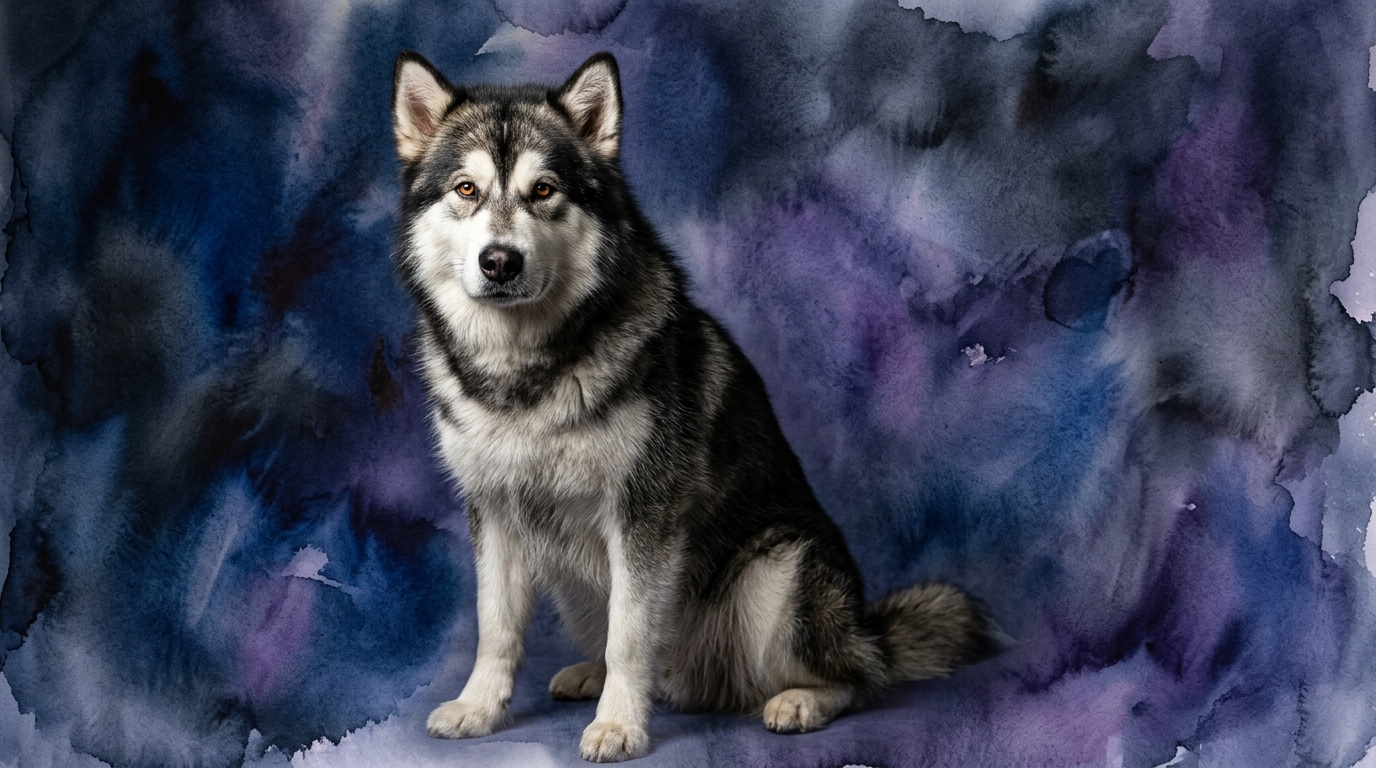
At The Cosmic Pet Pet IQ Lab, we evaluate canine cognition across five distinct dimensions, providing a granular view of how different breeds process their environment. For the Alaskan Malamute, a Working breed with a Coren ranking of #50, their profile reflects a heritage of endurance and independent decision-making in challenging conditions. Their Problem Solving is rated 4/5, indicating a strong capacity for complex, sustained tasks, often involving physical manipulation or strategic navigation. Training Speed, however, stands at 2/5, suggesting a more deliberate learning pace where motivation and perceived utility play significant roles. Social Intelligence is 3/5, as they are adept at understanding pack dynamics within their trusted circle but can be reserved with outsiders. Their Instinctive Drive is a powerful 5/5, fueling their innate desire for pulling, scenting, and extensive activity. Finally, their Memory is 4/5, allowing them to retain intricate spatial information and routines over long periods, crucial for vast territories.
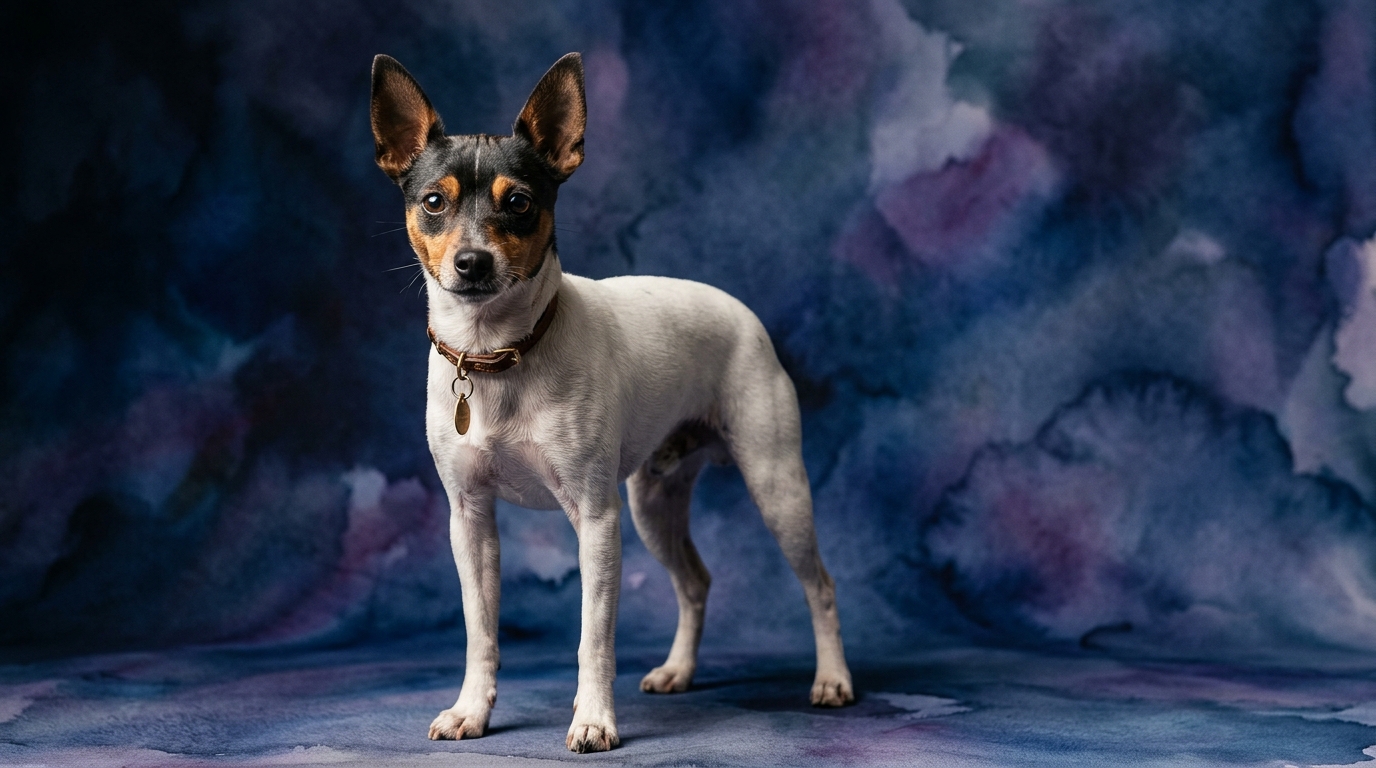
In contrast, the Toy Fox Terrier, a lively Toy breed not individually ranked by Coren, demonstrates a different set of cognitive strengths, honed for quick reactions and nimble engagement. Their Problem Solving is 3/5, showing an aptitude for puzzles that require agility of thought and quick manipulation, like figuring out how to access a hidden treat. Training Speed is 3/5, meaning they pick up new commands at a moderate pace, often thriving on interactive, rewarding sessions. Social Intelligence is also 3/5; they observe and adapt to human family dynamics and social cues, though their terrier nature can sometimes lead to selective focus. Their Instinctive Drive is 3/5, manifesting as a moderate but persistent drive for chasing, digging, and energetic play, reflecting their historical role as vermin hunters. Their Memory is 3/5, allowing them to recall routines, specific commands, and familiar faces quite effectively, though perhaps without the extensive, long-range spatial recall of a working sled dog.
Where the Alaskan Malamute Excels Cognitively
The Alaskan Malamute's cognitive architecture shines brightest in scenarios demanding sustained effort, independent judgment, and long-term retention of complex environmental data. Their 4/5 Problem Solving score isn't about quick tricks, but about methodical perseverance: an individual Malamute might spend hours strategizing how to bypass a fence or navigate a novel, expansive trail, drawing on deep spatial memory (4/5). This breed excels at tasks requiring endurance and the ability to make decisions without constant human oversight, a trait crucial for their historical role in pulling sleds across vast, changing landscapes. They possess a remarkable capacity to map their environment, remembering landmarks and routes, and can apply past solutions to new, similar physical challenges. Their strong instinctive drive (5/5) means they are internally motivated for activities like scent work or pulling, demonstrating a focused mental engagement when these drives are tapped, even if the learning process is deliberate.
Where the Toy Fox Terrier Wins Cognitively
The Toy Fox Terrier's cognitive strengths lie in their capacity for quick, agile thought and adaptability in varied, often dynamic, social settings. With a Problem Solving score of 3/5, they are adept at puzzles requiring dexterity and rapid assessment, such as quickly discerning which hand holds a treat or manipulating a toy to extract a reward. Their moderate Training Speed (3/5) indicates they can be quite responsive to positive reinforcement, learning new cues efficiently, especially when the task is engaging and offers immediate gratification. This breed often demonstrates a nimble mental processing, allowing them to react swiftly to changes in their immediate environment or human cues. Their social intelligence, also 3/5, enables them to integrate smoothly into family life, often picking up on subtle household routines and human moods, leveraging their observational skills to navigate their social world with a spirited, engaging presence.
Training Dynamics: A Tale of Two Temperaments
When considering ease of training, the Alaskan Malamute and Toy Fox Terrier present markedly different experiences. The Malamute's Training Speed of 2/5, coupled with an instinctive drive of 5/5, means they are not inherently motivated by simply pleasing their owner. They often weigh a command against their own strong internal motivations, such as the urge to explore a scent or the desire for independent action. Training a Malamute requires immense patience, consistent positive reinforcement, and a deep understanding of their independent and often 'what's in it for me?' mindset. They might learn a command, but choose not to perform it if they don't see the immediate benefit or if a stronger instinct takes precedence. This isn't a lack of comprehension, but a reflection of their history as independent working dogs.
Conversely, the Toy Fox Terrier, with a Training Speed of 3/5 and an instinctive drive of 3/5, is generally more amenable to conventional training methods. While they can exhibit a typical terrier stubbornness, they are often eager to engage in interactive training sessions and respond well to clear, consistent cues and positive reinforcement. Their smaller size and quicker physical reactions mean they can excel at agility or trick training, where their problem-solving (3/5) and moderate memory (3/5) are well-utilized. They are often motivated by attention, treats, and the sheer fun of interaction, making them a more straightforward training partner for many owners who appreciate their spirited responsiveness, even with their occasional independent streak.
Matching Canine Cognition to Owner Lifestyle
The cognitive profiles of these two breeds naturally align with very different owner lifestyles. An Alaskan Malamute, with its high instinctive drive (5/5), strong problem-solving (4/5) geared towards physical challenges, and deliberate training speed (2/5), is best suited for active, experienced owners. These individuals should be prepared to provide extensive physical exercise, such as long hikes, sledding, or carting, and consistent mental engagement that respects their independent nature. Owners who thrive on partnering with a dog that thinks for itself, enjoys exploring vast spaces, and requires a patient, motivational approach to training will find a deep connection with a Malamute. They are not dogs for casual obedience, but for a partnership built on mutual respect and understanding of their unique motivations.
The Toy Fox Terrier, with its moderate instinctive drive (3/5), agile problem-solving (3/5), and responsive training speed (3/5), is an excellent companion for owners seeking an engaging, lively, and compact partner. While energetic, their exercise needs can often be met with vigorous play sessions, walks, and mental games within a smaller footprint. They thrive with owners who enjoy interactive training, providing consistent mental stimulation through puzzles, trick training, or dog sports that leverage their quick wit and agility. Relaxed owners who appreciate a spirited companion that enjoys being part of daily activities and can provide consistent, stimulating engagement will find the Toy Fox Terrier a delightful and adaptable addition to their home.
The Verdict: When to Choose Each Intelligent Companion
The Verdict
Choose an Alaskan Malamute if you are an experienced, active owner seeking a partner for endurance, independent problem-solving in challenging environments, and appreciate a dog with a strong will and deep-seated working drives. Be prepared for a patient, consistent training journey that respects their unique motivations.
Opt for a Toy Fox Terrier if you desire a nimble, spirited companion who thrives on interactive engagement, quick-witted play, and can be motivated by positive reinforcement in a variety of settings. They are well-suited for owners who enjoy consistent mental stimulation and a lively presence in their daily lives.
🧠 Find Your Pet's IQ Score
Our Pet IQ Lab assessment covers 25+ tests across 5 cognitive dimensions — personalized to your breed.
Take the Full IQ Test →Frequently Asked Questions
Are Alaskan Malamutes difficult to train?
Their training speed of 2/5 and strong instinctive drive can make them more challenging than some breeds. They require patient, consistent motivation and often need to understand the 'why' behind a command, rather than simply obeying.
Do Toy Fox Terriers require a lot of mental stimulation?
Yes, despite their size, Toy Fox Terriers have a moderate problem-solving ability and thrive on mental engagement. Regular puzzle toys, interactive games, and consistent training sessions help satisfy their curious and energetic minds.
Can an Alaskan Malamute live in a warm climate?
While adaptable, their thick double coat means they are naturally suited for colder climates. In warm environments, extreme care must be taken to prevent overheating, including limiting exercise during hot parts of the day and providing ample shade and water.