
Side-by-Side Cognitive Profiles
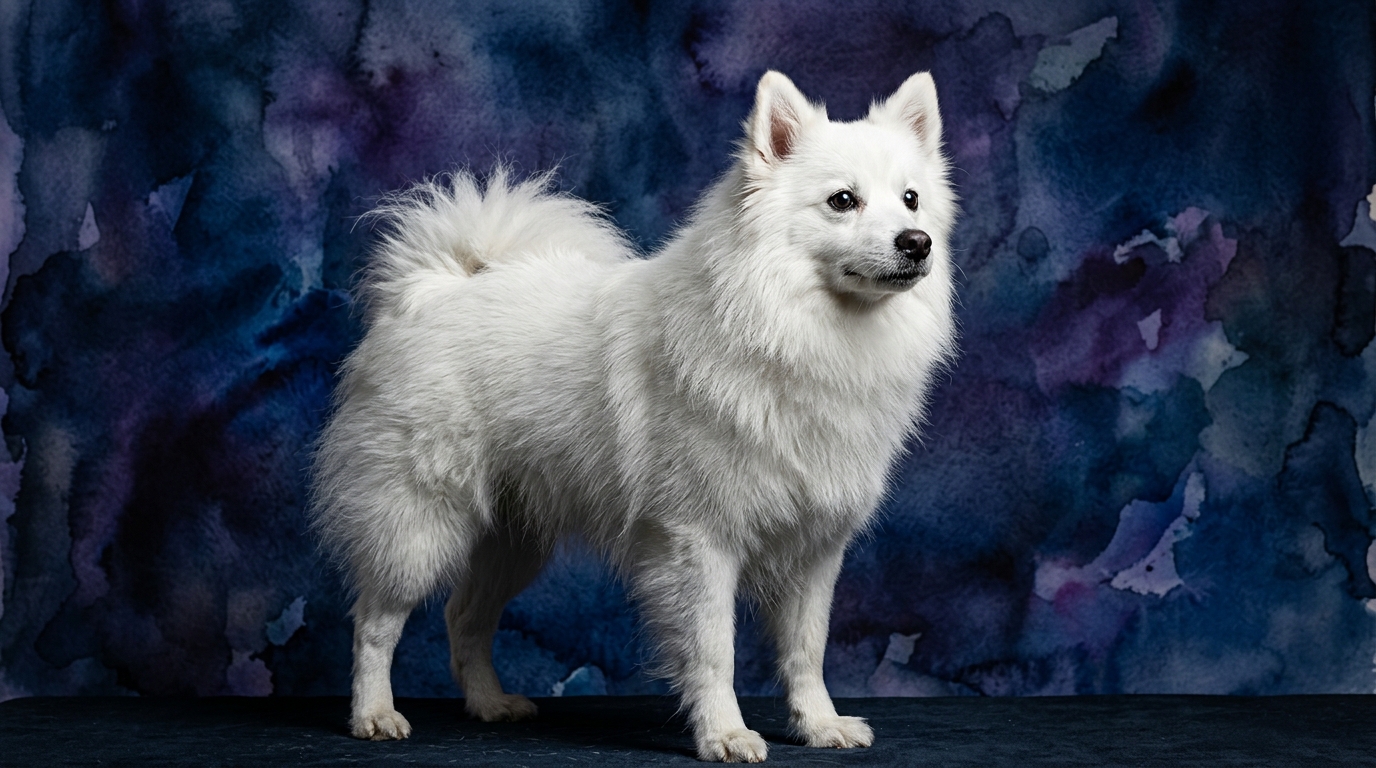
The American Eskimo Dog presents a remarkably balanced cognitive profile, scoring a consistent 3 out of 5 across all five dimensions measured by The Cosmic Pet Pet IQ Lab. This means their problem-solving ability is solid enough for everyday challenges, such as figuring out basic puzzle toys or navigating new environments, but they might find multi-step or abstract tasks more challenging. Their training speed, also a 3/5, indicates they learn new commands and routines with consistent repetition and positive reinforcement, though they aren't instant learners. In terms of social intelligence, a 3/5 suggests they are adequately attuned to human emotions and cues, capable of forming strong bonds and understanding basic social dynamics. Their instinctive drive, rated 3/5, means they possess moderate natural urges like chasing or vocalizing, which are manageable with proper training. Finally, a 3/5 in memory implies they retain learned information and routines reliably, but might require occasional refreshers for less frequently practiced commands.
In stark contrast, the Miniature Poodle exhibits a cognitive profile that showcases remarkable intellectual prowess, earning it a prestigious #2 rank in Stanley Coren's canine intelligence hierarchy. This breed excels with a top score of 5 out of 5 in problem-solving, demonstrating an exceptional capacity to analyze novel situations, devise creative solutions, and master complex multi-step tasks. Their training speed is equally impressive at 5/5, allowing them to grasp new commands and concepts with astonishing rapidity, often requiring only a handful of repetitions before mastery. Like the American Eskimo Dog, the Miniature Poodle scores a 3/5 in social intelligence and instinctive drive, indicating a similar aptitude for reading human cues and possessing moderate natural urges. However, their memory is another standout at 5/5, signifying an outstanding ability to recall commands, complex sequences, and past experiences with remarkable accuracy, even after extended periods.
Where the American Eskimo Dog Shines Cognitively
While the Miniature Poodle boasts higher scores in several cognitive domains, the American Eskimo Dog's balanced 3/5 profile offers distinct advantages for certain lifestyles. Their moderate problem-solving abilities (3/5) mean they are less likely to independently 'engineer' trouble, such as figuring out how to open childproof cabinets, unlock gates, or creatively escape from secure enclosures. This can translate into a more predictable and less mischievous household companion, reducing the need for constant vigilance against clever canine antics that sometimes accompany high-scoring breeds. Owners who prefer a dog that is capable of learning but not constantly seeking to outsmart its environment may find this trait particularly appealing.
Furthermore, the Eskie's consistent 3/5 across all dimensions contributes to a generally stable and less demanding cognitive presence. Their moderate training speed and memory mean they appreciate routine and consistency without requiring constant novelty or advanced mental gymnastics to prevent boredom. This makes them wonderfully adaptable to a more relaxed pace of life, where mental stimulation is provided regularly but doesn't need to be intensely challenging every single day. Their social intelligence at 3/5 ensures they are affectionate and responsive companions, forming strong bonds without the potential for over-sensitivity or intense emotional demands that can sometimes be observed in dogs with extremely high social intelligence scores.
Where the Miniature Poodle Excels Cognitively
The Miniature Poodle's cognitive strengths clearly shine in areas requiring rapid learning, complex thought, and excellent retention. Their 5/5 problem-solving capability means they are adept at navigating intricate dog sports courses, figuring out advanced puzzle toys, and adapting quickly to new environments or routines. This mental agility makes them highly suitable for owners who enjoy engaging their dogs in challenging activities and appreciate a companion that can learn to perform sophisticated tricks or assist with various tasks. They thrive on mental stimulation, finding genuine satisfaction in mastering new skills and solving intellectual challenges.
The Poodle's exceptional training speed (5/5) is a significant advantage, allowing them to pick up new commands and behaviors in very few repetitions. This makes the training process incredibly efficient and rewarding, enabling them to progress rapidly through obedience levels or specialized training disciplines like agility, rally, or even service work. Coupled with their 5/5 memory, they retain these learned behaviors over long periods, making them reliable and consistent performers. This combination of quick learning and strong recall means a well-trained Miniature Poodle can be an incredibly versatile and responsive companion, capable of understanding and executing a wide array of commands in diverse situations.
Which is Easier to Train and Why
Without question, the Miniature Poodle is easier to train, primarily due to its superior scores in training speed (5/5) and memory (5/5). A Poodle typically grasps new commands with remarkable speed, often understanding what's expected after just a few repetitions. This allows for quick progression through basic obedience and opens the door to more advanced training, complex trick learning, and dog sports. Their exceptional memory ensures that once a command is learned, it is retained effectively, making them highly reliable in recalling cues even after extended breaks from training. This inherent aptitude for learning makes the training process highly efficient and often quite enjoyable for both dog and owner.
The American Eskimo Dog, with a 3/5 in both training speed and memory, requires a more patient and consistent approach. While they are certainly trainable and eager to please, they don't pick up new concepts with the same lightning speed as a Poodle. Owners should be prepared for more repetitions and a slower, more methodical pace when introducing new commands. Their memory is reliable for frequently reinforced behaviors, but less consistently practiced cues might fade without regular review. This means training an Eskie is a journey of consistent reinforcement and positive engagement, building on foundational skills steadily rather than expecting instant mastery of complex tasks.
Suitability for Active vs. Relaxed Owners
For active owners who seek a canine partner deeply engaged in mental and physical challenges, the Miniature Poodle is an ideal match. Their high problem-solving abilities and rapid learning make them excellent candidates for dog sports such as agility, obedience, flyball, and scent work, where they can truly utilize their cognitive horsepower. Owners who enjoy teaching complex tricks, participating in competitive events, or even exploring potential service dog roles will find the Poodle's intellectual capacity and drive to learn incredibly rewarding. They thrive on consistent mental stimulation and can become bored or exhibit undesirable behaviors if their sharp minds are not adequately challenged.
Conversely, the American Eskimo Dog often suits owners with a more relaxed lifestyle, provided they still offer regular engagement. While energetic and playful, their moderate cognitive demands mean they are less likely to become anxious or destructive if not constantly pushed to their intellectual limits. They enjoy daily walks, playtime, and consistent routines, but may not require the intense, novel mental challenges that a Poodle thrives on. Their adaptable nature, stemming from their balanced cognitive profile, allows them to integrate smoothly into a household that values companionship and routine, rather than intense, competitive activities. They are happy to be involved in family life and enjoy moderate mental enrichment like puzzle toys and basic training sessions.
The Verdict
Choose the American Eskimo Dog if you seek a balanced, adaptable companion who thrives on routine and consistent, positive reinforcement, and where moderate cognitive demands align with a relaxed yet engaging lifestyle.
Opt for the Miniature Poodle if you are an active owner eager to engage a dog in advanced training, complex dog sports, and provide consistent, high-level mental stimulation to satisfy their exceptional intellect.
🧠 Find Your Pet's IQ Score
Our Pet IQ Lab assessment covers 25+ tests across 5 cognitive dimensions — personalized to your breed.
Take the Full IQ Test →Frequently Asked Questions
Does the American Eskimo Dog's 3/5 problem-solving score mean it's not smart?
Not at all. A 3/5 indicates solid, functional intelligence for everyday tasks and learning. It means they can solve common problems and learn effectively, just perhaps not with the same creative ingenuity or speed as a dog scoring 5/5.
Can a Miniature Poodle be a good family dog, given its high IQ?
Absolutely. Miniature Poodles make wonderful family pets. Their intelligence means they are often highly responsive and eager to please, but they do require consistent mental engagement to prevent boredom and potential mischievousness.
Do American Eskimo Dogs get bored easily if not constantly challenged?
While all dogs need mental stimulation, the American Eskimo Dog's moderate cognitive scores suggest they are less prone to extreme boredom or destructive behavior from a lack of intense mental challenges compared to some higher-IQ breeds. They appreciate routine enrichment and interaction.