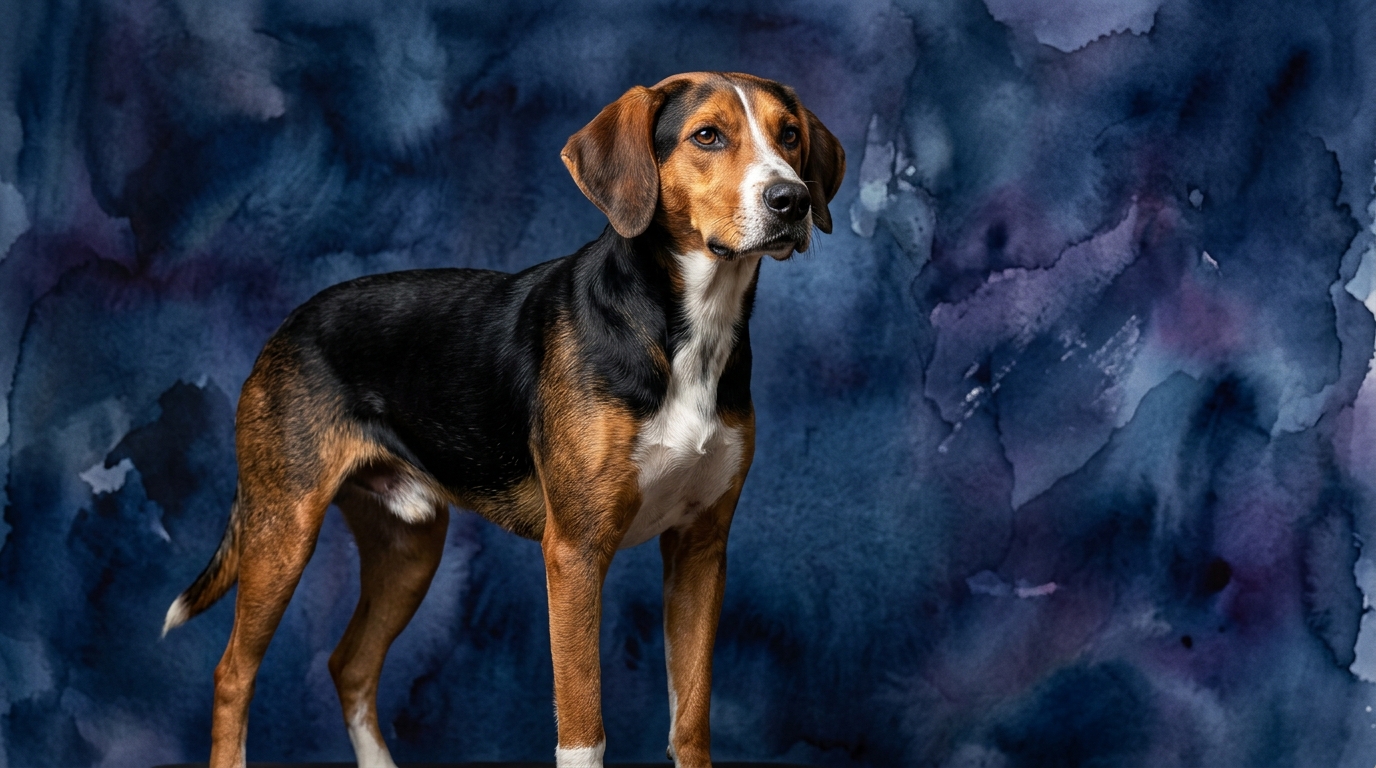
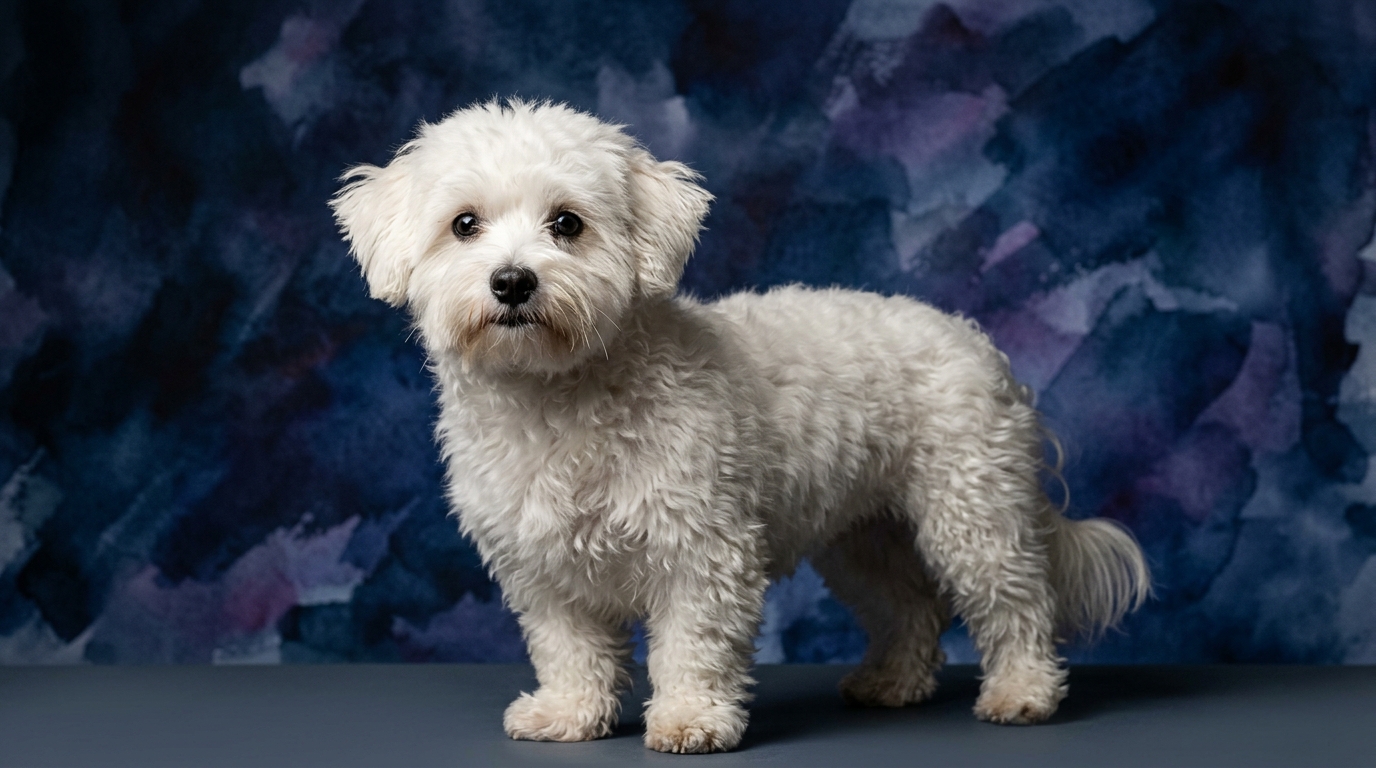
Side-by-Side Cognitive Profile
**American Foxhound - Problem Solving (3/5):** Their problem-solving is primarily scent-driven, focused on navigating complex environments to locate a target, demanding sustained focus and independent decision-making in the field.
**Coton de Tuléar - Problem Solving (3/5):** Coton problem-solving often involves understanding human routines and manipulating their environment for comfort or attention, using observation and social cues effectively.
**American Foxhound - Training Speed (3/5):** While capable, their training speed is moderated by a strong, independent hunting instinct; consistent, high-value motivation is crucial to override their powerful scent drive.
**Coton de Tuléar - Training Speed (3/5):** Cotons show moderate training speed, generally eager to please and responsive to positive reinforcement, though their playful nature can sometimes require patient engagement.
**American Foxhound - Social Intelligence (3/5):** They possess a pack-oriented social intelligence, understanding canine dynamics. With humans, they are amiable but often independent, forming bonds without constant need for physical closeness.
**Coton de Tuléar - Social Intelligence (3/5):** Excelling in human social intelligence, Cotons are highly attuned to owner moods, using subtle cues to solicit interaction and thrive on deep companionship.
**American Foxhound - Instinctive Drive (3/5):** Their drive is overwhelmingly centered on scent and pursuit, fueling a desire to explore, track, and vocalize, a powerful instinct fundamental to their cognitive makeup.
**Coton de Tuléar - Instinctive Drive (3/5):** Cotons exhibit a moderate drive, expressed through play, curiosity, and a strong desire for companionship, less intense in pursuit than a hound but focused on interaction.
**American Foxhound - Memory (3/5):** Foxhounds have a robust memory for scent profiles and geographical pathways, recalling complex trails and specific odors crucial for their hunting heritage over long periods.
**Coton de Tuléar - Memory (3/5):** Cotons remember routines, people, and specific events within their home, demonstrating a memory geared towards social predictability and environmental consistency.
Where the American Foxhound Wins Cognitively
The American Foxhound's cognitive strengths shine brightest in activities demanding sustained focus on an external stimulus, particularly scent. Their ability to dissect and follow complex odor trails, often over vast distances and varied terrain, represents a profound level of specialized problem-solving and memory application. This isn't just about finding something; it's about processing layers of information from the environment, ignoring distractions, and committing to a singular, long-term objective. Their independence, while sometimes challenging for training, also means they are adept at making decisions in the field without constant human guidance, a critical cognitive advantage in their historical role.
Where the Coton de Tuléar Wins Cognitively
The Coton de Tuléar, in contrast, excels in the sphere of social cognition and adaptability within a human household. Their keen observation skills allow them to quickly learn household routines, interpret human body language, and understand social dynamics to achieve their goals, whether it's gaining attention or a treat. This involves a sophisticated understanding of cause-and-effect within a social context, often employing charming behaviors to manipulate their environment. Their problem-solving is often geared towards comfort, interaction, and adapting to novel situations within their domestic world, demonstrating a flexible and socially-oriented intelligence.
Which is Easier to Train and Why
When considering ease of training, the Coton de Tuléar generally presents a more straightforward experience for the average pet owner. Their moderate desire to please, coupled with a strong social drive, means they are typically more motivated by human approval and positive reinforcement. While their training speed is rated 3/5, their willingness to engage and fewer strong, distracting instinctive drives make them more receptive to learning basic obedience and house manners within a typical home environment. The American Foxhound, also rated 3/5 for training speed, often requires a trainer who understands and can harness their powerful independent spirit and overwhelming scent drive. Their inclination to follow a scent trumps many commands, making consistent recall and off-leash work particularly challenging without extensive, specialized training. Training a Foxhound is less about teaching them *what* to do and more about convincing them *why* they should choose human commands over their primal instincts, which demands more patience and specific motivational strategies.
Which Suits Active Owners vs. Relaxed Owners
For active owners who thrive on outdoor adventures and appreciate a dog with immense stamina, the American Foxhound is an ideal match. They require substantial daily exercise, including long runs, hikes, or opportunities for scent work. Their cognitive needs are best met when their powerful instinctive drives are channeled into appropriate activities, preventing boredom and potential destructive behaviors. Owners who enjoy exploring trails or participating in scent-based dog sports will find a fulfilling partnership. Conversely, the Coton de Tuléar is better suited for owners seeking a companion who enjoys a balance of playful activity and relaxed indoor living. While they appreciate daily walks and interactive play sessions, their exercise requirements are moderate. Their cognitive engagement comes more from social interaction, learning new tricks, and being an integral part of family life, making them a wonderful fit for owners who enjoy consistent companionship and mental stimulation through games and training in a less demanding physical context.
The Verdict
Choose an American Foxhound if you are an active, experienced owner prepared to manage and channel a powerful scent drive into demanding outdoor activities and consistent, specialized training.
Choose a Coton de Tuléar if you desire a charming, adaptable companion dog who thrives on social interaction, moderate activity, and enjoys being a central, playful part of family life.
🧠 Find Your Pet's IQ Score
Our Pet IQ Lab assessment covers 25+ tests across 5 cognitive dimensions — personalized to your breed.
Take the Full IQ Test →Frequently Asked Questions
Do American Foxhounds and Coton de Tuléars learn at the same pace?
While both breeds have a 3/5 training speed, their motivations differ; Cotons generally learn basic obedience more readily due to their desire to please, whereas Foxhounds, driven by scent, require more specialized methods to overcome their strong independent instincts.
How do their problem-solving abilities differ in a home environment?
A Coton de Tuléar might problem-solve by figuring out how to get your attention or open a cabinet for a treat, leveraging social cues. An American Foxhound's problem-solving in a home context might involve attempting to "track" a dropped food item or finding an escape route to explore outdoors.
Is one breed more affectionate than the other?
The Coton de Tuléar is typically more overtly affectionate and thrives on close human companionship, often described as a "velcro dog" due to their strong bond. American Foxhounds are affectionate with their families but tend to be more independent and less demonstrative, valuing their personal space more.