Side-by-Side IQ Profile: A Deeper Look at Identical Scores
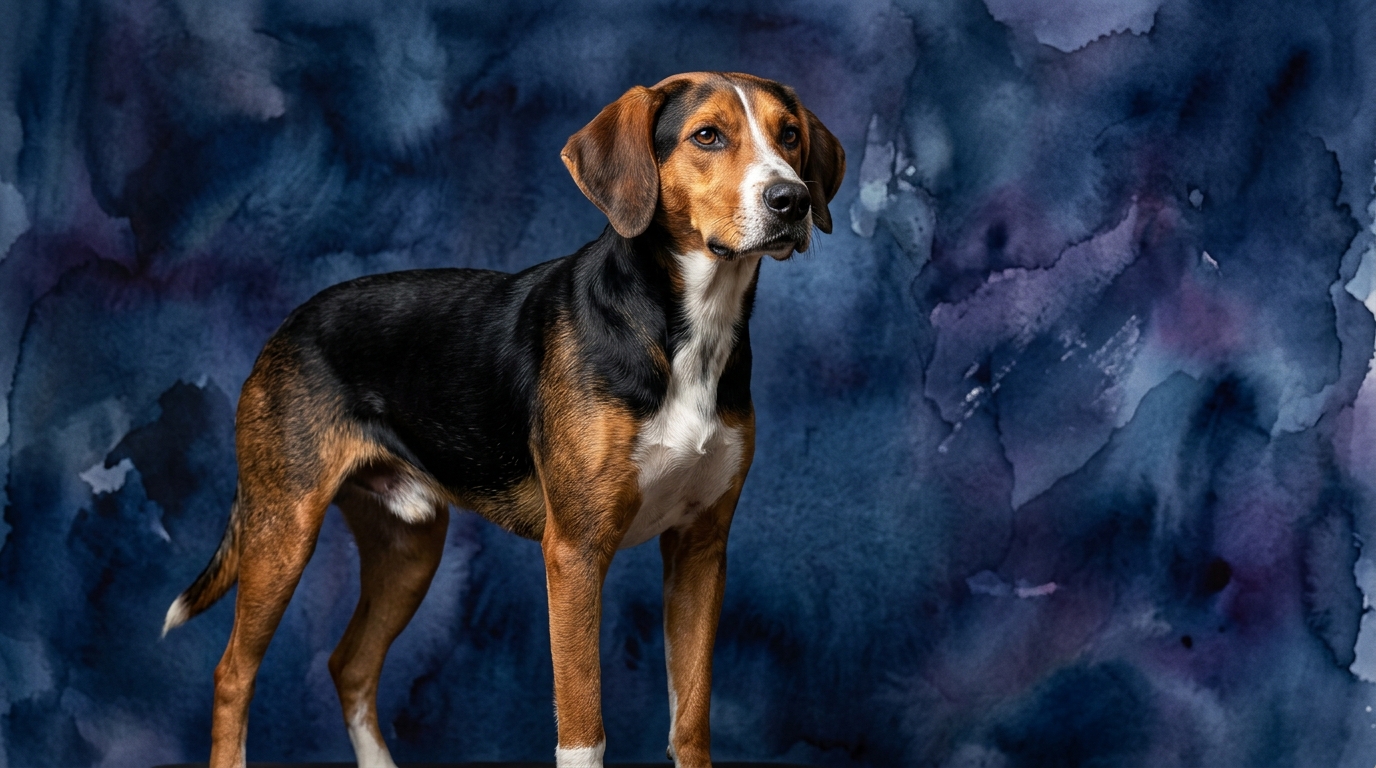
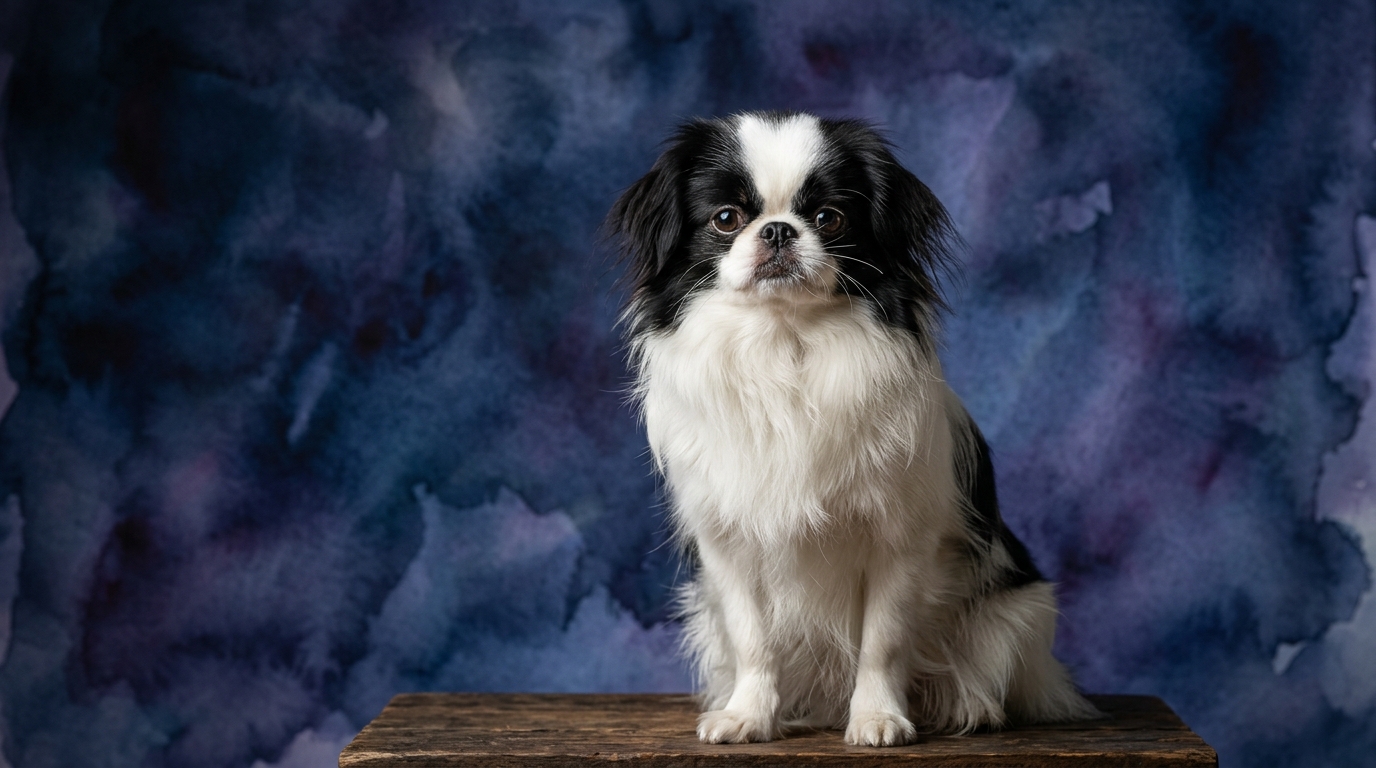
For the American Foxhound, a 3/5 in problem-solving indicates a practical, sequential approach to challenges, particularly those encountered in their traditional role. When faced with a complex scent trail, they demonstrate persistence in unraveling its intricacies, methodically navigating terrain and obstacles to follow the lead. Their cognitive efforts are often directed towards overcoming environmental hurdles to achieve a sensory goal, rather than abstract reasoning. Conversely, the Japanese Chin's 3/5 in problem-solving manifests differently, often within the domestic sphere. They might skillfully manipulate objects to gain access to desired items, such as nudging open a cupboard for a treat or strategically positioning themselves to solicit attention. Their problem-solving is often socially oriented, figuring out the quickest route to human interaction or comfort.
The American Foxhound’s moderate training speed of 3/5 is often influenced by their powerful independent drive. While capable of learning commands, their innate focus on scent can make them appear less responsive in training scenarios, particularly outdoors. Their learning pace is steady, but consistent, patient repetition and high-value rewards are crucial to overcome their tendency to prioritize environmental stimuli over human directives. The Japanese Chin, also rated 3/5 for training speed, typically presents a different training dynamic. As a breed developed for close companionship, they are generally eager to engage with their human counterparts. Their moderate learning speed means they grasp new cues and routines effectively, especially when training is kept positive, consistent, and integrated into their daily interactions, often picking up on subtle body language cues from their owners.
A 3/5 in social intelligence for the American Foxhound highlights their capacity to interact harmoniously within a group, whether a canine pack or a human family. They understand social hierarchies and can cooperate during activities, but their primary focus during "work" is often on their individual task (scenting). While amiable and tolerant, their interpretation of human emotional nuances might be more generalized compared to breeds bred solely for companionship, often responding to broad cues rather than subtle shifts in mood. The Japanese Chin’s identical 3/5 in social intelligence, however, is expressed through a profound sensitivity to human emotions and intentions. They are adept at reading subtle facial expressions and vocal tones, often adjusting their behavior to suit the mood of their household. This translates into a highly attuned companion who can offer comfort or solicit interaction with remarkable precision, demonstrating a keen awareness of their social environment.
The American Foxhound’s 3/5 instinctive drive is undeniably centered on their olfactory prowess. This moderate score indicates a strong, pervasive urge to follow scent, to track, and to vocalize while doing so. While present and powerful, it suggests that with appropriate outlets and management, this drive can be channeled rather than becoming overwhelming. Their instincts are primarily geared towards the pursuit of a trail, a behavior deeply ingrained in their genetic makeup. For the Japanese Chin, a 3/5 in instinctive drive manifests quite differently. Their core instincts revolve around companionship, comfort, and interaction. This can include a propensity for "chin spins" – a joyful circling behavior – or a desire to be physically close to their owners. While they may exhibit a mild prey drive towards small, fast-moving objects, their primary instinctive focus is on forming and maintaining close social bonds within their human family.
Both breeds share a 3/5 rating for memory, implying a reliable capacity for recall. The American Foxhound's memory is instrumental in remembering successful hunting grounds, the layout of familiar trails, or the sequence of events during a long chase. They can retain learned commands, but their application might be influenced by current environmental distractions. Their memory is practical, aiding in navigation and task completion. The Japanese Chin’s memory, similarly rated, is typically applied to remembering household routines, the location of favorite toys or treats, and the specific individuals who provide affection or engage in play. They recall past interactions and learn from experiences within their domestic setting, contributing to their adaptability and consistent behavior within the home.
Where the American Foxhound's Cognition Excels
The American Foxhound's cognitive strengths are most evident when their abilities align with their ancestral purpose. Their 3/5 problem-solving, combined with a persistent 3/5 instinctive drive and reliable 3/5 memory, creates a formidable package for sustained, independent work in expansive, complex environments. They excel at deciphering intricate scent puzzles across varied terrains, a task demanding unwavering focus, sequential decision-making, and the recall of successful strategies. This isn't about rapid, novel problem-solving, but rather about methodical, enduring dedication to a sensory goal.
Their moderate social intelligence, while not as overtly expressive as some companion breeds, is perfectly suited for cooperative ventures with other hounds, where interpreting subtle canine body language and pack dynamics is crucial for a successful hunt. This collective intelligence, applied to a physical challenge, is where the American Foxhound truly shines, demonstrating a cognitive profile optimized for purposeful outdoor exploration and collaboration within a working pack.
Where the Japanese Chin's Cognition Excels
The Japanese Chin's cognitive prowess, despite identical scores, is optimized for navigating the nuanced world of human companionship. Their 3/5 problem-solving and 3/5 memory are finely tuned to understand complex household routines, anticipate human behaviors, and subtly communicate their desires. They can quickly learn which actions elicit specific responses from their owners, for example, a gentle nudge for attention or a specific whine for a walk.
Their 3/5 social intelligence, in particular, is a standout, manifesting as an acute sensitivity to human emotional states and intentions. They are often profoundly attuned to their owner's mood, offering comfort during distress or initiating play during moments of joy. This capacity for deep emotional attunement and precise social interaction is where the Japanese Chin's cognitive profile truly excels, making them sophisticated and empathetic domestic companions.
Training Dynamics: American Foxhound vs. Japanese Chin
When considering ease of training, the practical manifestation of the 3/5 training speed rating diverges significantly between these two breeds. The American Foxhound, while capable of learning, often presents a unique training challenge due to their powerful 3/5 instinctive drive, primarily focused on scent. Their independent nature, honed over generations of tracking, means that an intriguing scent trail can easily override a human command. This inherent focus requires immense patience, consistent positive reinforcement, and often necessitates training in distraction-free environments before generalizing skills. Their perceived "stubbornness" is less about a lack of capacity and more about their profound dedication to their primary sensory world.
The Japanese Chin, conversely, often feels "easier" to train in a typical home setting, despite the identical 3/5 training speed. Their 3/5 social intelligence makes them keen observers of human cues and generally eager to please their owners, whose companionship is their central instinctive drive. They are highly motivated by praise, gentle handling, and interactive rewards, making them responsive to positive reinforcement methods. While they still require consistency, their focus is more readily directed towards their human trainer, as the primary distractions in their world are usually social rather than environmental. This makes them generally more amenable to learning household manners and basic obedience commands without the intense battle against instinctual urges seen in the Foxhound.
Matching Canine Cognition to Lifestyle: Active vs. Relaxed Owners
The American Foxhound is unequivocally suited for active owners who relish outdoor adventures and possess a deep appreciation for a dog with a robust working heritage. Their substantial stamina and 3/5 instinctive drive for scenting demand considerable physical exercise – think long runs, hikes, or dedicated scent work sessions in securely fenced areas. Owners must be prepared to manage their independent nature and strong urge to explore, providing consistent mental stimulation through activities that engage their powerful nose. They thrive with individuals who can integrate them into an active lifestyle, offering outlets for their natural behaviors rather than attempting to suppress them, and are not content with mere short daily strolls.
In stark contrast, the Japanese Chin is an ideal companion for relaxed owners who prefer a calmer, predominantly indoor lifestyle. As a toy breed, their exercise requirements are modest, easily satisfied with indoor play sessions and short, leisurely walks around the neighborhood. Their 3/5 instinctive drive is primarily focused on companionship and close human interaction, making them happiest when nestled beside their owner or engaging in gentle play within the home. They thrive on consistent human presence, gentle affection, and a predictable routine, making them perfect for those seeking a devoted, sensitive companion who requires less strenuous physical activity but offers immense emotional connection.
The Verdict
When considering an American Foxhound, choose this breed if you are an active, outdoors-oriented individual or family prepared to channel a strong, independent scent drive into structured activities, appreciating a dog whose cognitive strengths lie in persistent, methodical outdoor exploration.
Conversely, opt for a Japanese Chin if you seek a sensitive, highly adaptable companion for a quieter, indoor lifestyle, valuing a dog whose cognitive abilities are finely tuned to human social cues and deep emotional connection.
🧠 Find Your Pet's IQ Score
Our Pet IQ Lab assessment covers 25+ tests across 5 cognitive dimensions — personalized to your breed.
Take the Full IQ Test →Frequently Asked Questions
Are American Foxhounds good with children?
American Foxhounds can be good with older, respectful children due to their amiable nature and tolerance, especially if raised with them. However, their high energy and independent drive mean they might accidentally knock over very young children, and their scent focus can make them less consistently attentive than some other breeds.
Do Japanese Chins bark a lot?
Japanese Chins are not typically known for excessive barking; they tend to be moderate vocalizers. They might bark to alert their owners to visitors or unfamiliar noises, or to express excitement during play, but they are generally not considered a "barky" breed if properly socialized and trained.
How much grooming do these breeds need?
American Foxhounds have short, dense coats that require minimal grooming, typically a weekly brushing to remove loose hair and occasional baths. Japanese Chins, despite their long, silky coats, also have relatively moderate grooming needs, requiring regular brushing a few times a week to prevent tangles and occasional professional grooming or trimming to maintain their elegant appearance.