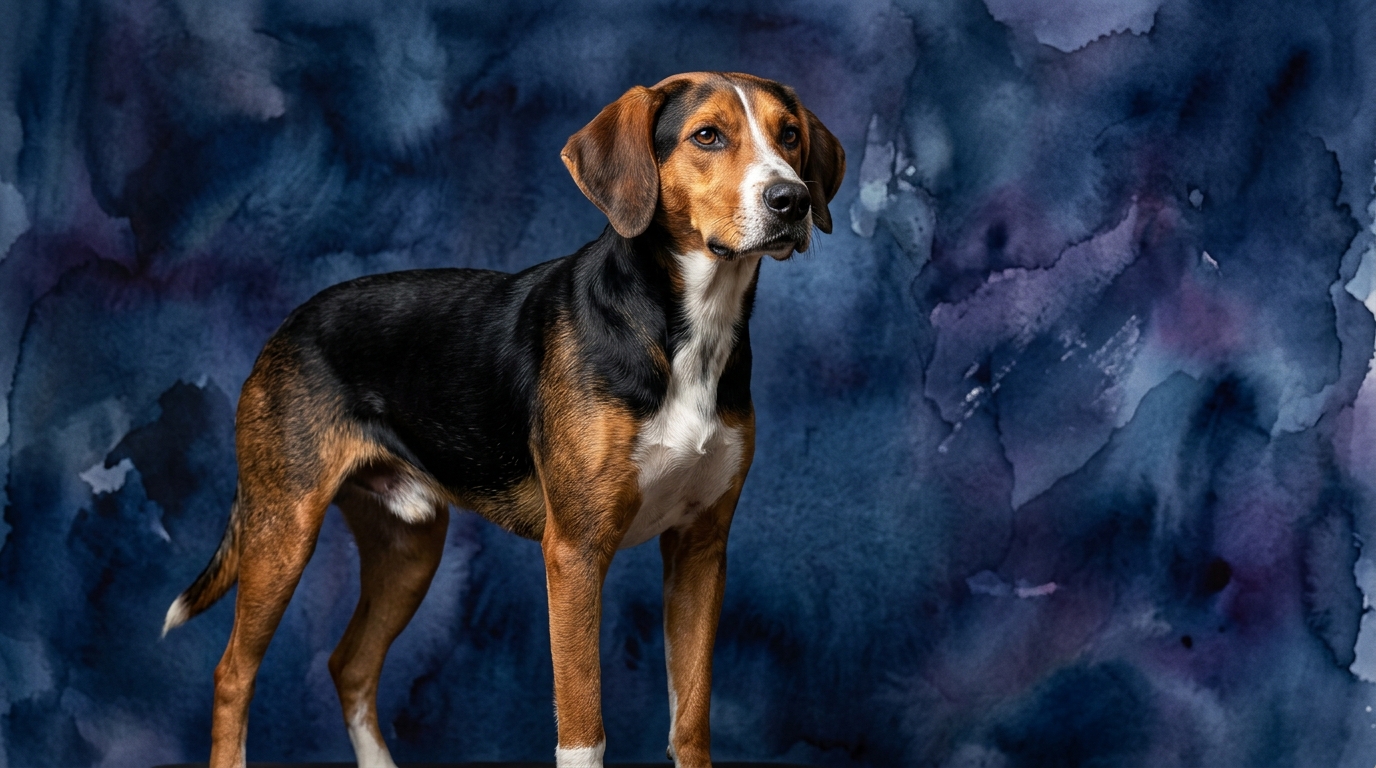
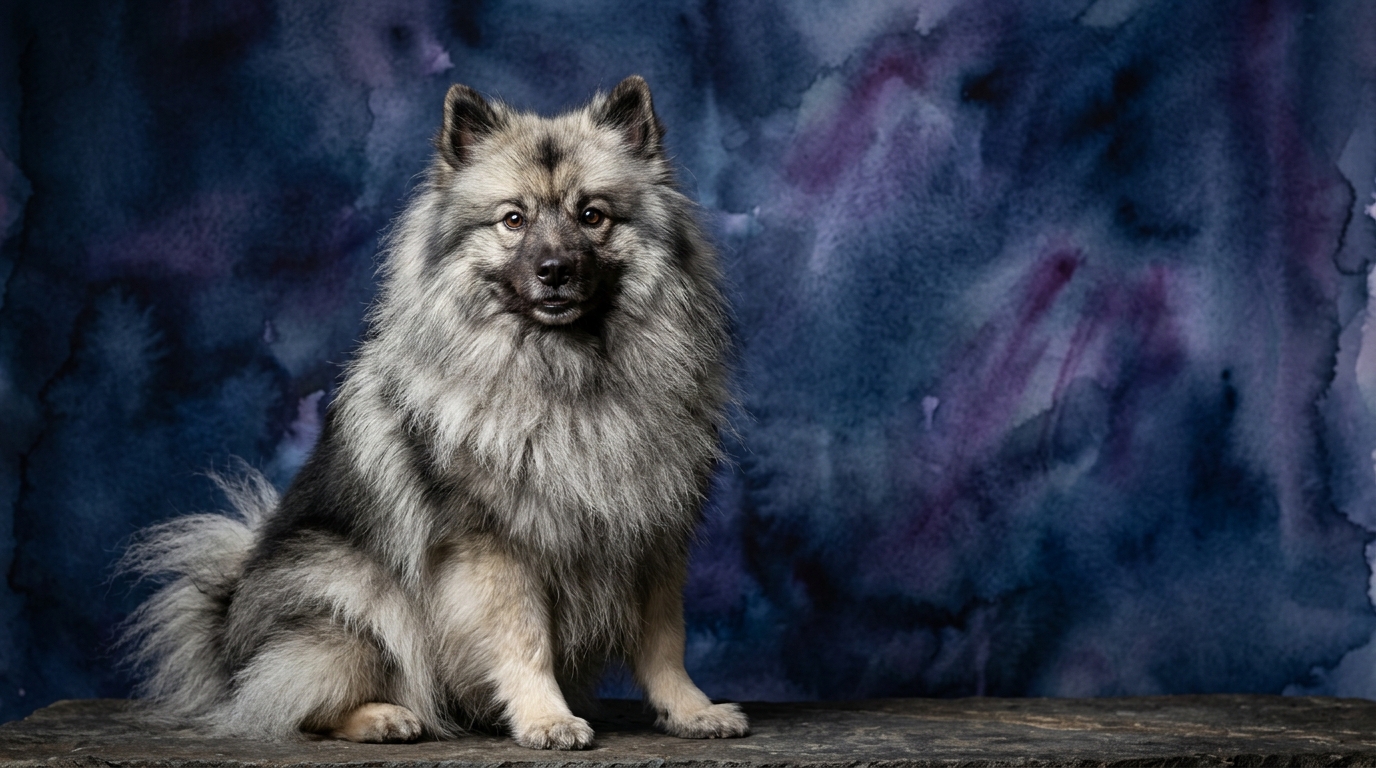
Side-by-Side Cognitive Profiles: American Foxhound vs. Keeshond
The American Foxhound, a breed forged for endurance and independent pursuit, exhibits a cognitive profile tailored to its hunting heritage. Its Problem Solving is rated 3/5, reflecting an ability to navigate complex scent trails and overcome obstacles in the field, rather than solving human-devised puzzles. Training Speed is also 3/5; while capable of learning, their strong independent streak and focus on scent can make traditional obedience a gradual process. Social Intelligence stands at 3/5, indicating competence in pack dynamics and appropriate interactions, but perhaps less emphasis on nuanced human emotional cues. Their Instinctive Drive is a solid 3/5, primarily centered around scenting and chasing. Memory, at 3/5, is proficient for recalling trails and learned hunting patterns.
In contrast, the Keeshond, a companion and watchdog breed, presents a different set of cognitive advantages. Their Problem Solving rates 4/5, demonstrating a cleverness in figuring out domestic challenges or learning complex sequences. Training Speed is a commendable 4/5, suggesting a readiness to absorb new commands and routines, often motivated by positive interaction. Social Intelligence mirrors the Foxhound at 3/5, indicating good family integration and responsiveness, though not necessarily a profound depth in reading human emotions beyond typical cues. Instinctive Drive is 3/5, primarily manifesting as a vigilant watchdog nature rather than a strong prey drive. Where the Keeshond truly shines is in Memory, earning a perfect 5/5, showcasing an exceptional capacity to retain commands, routines, and experiences over time.
Where the American Foxhound's Cognition Excels
The American Foxhound's cognitive strengths are deeply rooted in its original purpose: the relentless pursuit of game. Its 3/5 problem-solving ability, while not focused on abstract puzzles, is exceptional within the context of tracking. This breed excels at deciphering complex scent puzzles, following faint traces across varied terrain for extended periods, and making independent decisions about the most efficient path to its quarry. This isn't about sitting and thinking; it's about dynamic, in-the-moment environmental analysis and adaptation. Their problem-solving is a physical, sensory intelligence, allowing them to overcome natural obstacles and outmaneuver prey through sheer persistence and an acute olfactory sense. This translates into an unwavering focus when on a scent, a cognitive tunnel vision that can be both a strength in the field and a challenge in a suburban park.
Furthermore, the Foxhound's 3/5 instinctive drive is a powerful cognitive engine. It fuels their boundless stamina and single-minded dedication to a task initiated by scent. This drive isn't easily deterred; once engaged, their minds are singularly focused on the hunt. This cognitive persistence means they are less likely to give up on a task once their instincts are fully activated. While their memory rating of 3/5 might seem average, it is perfectly suited for recalling specific scent patterns, established hunting routes, and the locations of previous encounters, contributing to their effectiveness as a working hound. Their social intelligence, also 3/5, is geared towards efficient cooperation within a pack, understanding the subtle cues of fellow hounds during a chase, which is a specialized form of social processing.
Where the Keeshond's Cognition Shines Brightest
The Keeshond's cognitive profile, particularly its Problem Solving at 4/5 and Memory at 5/5, highlights a breed adept at navigating the complexities of human companionship and domestic life. Their superior problem-solving manifests in a capacity to learn intricate routines, figure out how to open cabinets, or strategize to get what they want within a household setting. This is a more generalized, adaptable form of intelligence compared to the Foxhound's specialized tracking acumen. They often demonstrate a cleverness in manipulating their environment or their human companions to achieve desired outcomes, indicating a flexible and resourceful mind.
The Keeshond's exceptional 5/5 Memory is perhaps its most distinguishing cognitive feature. This allows them to quickly master a vast vocabulary of commands, remember complex sequences of tricks, and retain information about people, places, and past events with remarkable precision. This excellent recall makes them highly receptive to training and consistent in their learned behaviors. Couple this with a 4/5 Training Speed, and you have a dog that not only learns quickly but remembers what it has learned, making long-term retention of commands and good habits a strong point. Their social intelligence, at 3/5, while not scoring higher than the Foxhound's, is applied differently; it's about forming strong bonds with their human family, being observant of household dynamics, and often acting as a vigilant, vocal guardian, attuned to the comings and goings of their home.
Training Dynamics: Which Breed Learns More Readily?
When it comes to traditional obedience and learning new commands, the Keeshond generally presents an easier training experience compared to the American Foxhound. The Keeshond's 4/5 Training Speed, combined with its outstanding 5/5 Memory, means they grasp new concepts quickly and retain them over time. They are often eager to please their owners and thrive on positive reinforcement, making them responsive to reward-based training methods. Their inherent desire for companionship also contributes to their willingness to engage in training sessions, viewing them as valuable interaction time. This means a Keeshond is more likely to reliably perform a 'stay' command or learn a series of complex tricks with fewer repetitions and greater consistency.
The American Foxhound, with a Training Speed of 3/5 and Memory of 3/5, can certainly learn, but their training journey often requires more patience and a deeper understanding of their breed-specific motivations. Their independence, a crucial trait for a hunting hound, means they are not inherently driven by a desire to please humans in the same way. Their powerful instinctive drive (3/5) towards scent can frequently override human commands, especially in stimulating outdoor environments. While they remember scent trails well, remembering a 'come' command when a compelling smell crosses their path can be a significant challenge. Training a Foxhound means competing with their nose, requiring creative, high-value rewards and an understanding that their focus is often external and sensory, rather than internally people-oriented. They are trainable, but often on their own terms, making them less suited for owners seeking a highly compliant companion.
Matching Lifestyles: Active Explorers vs. Engaged Companions
The American Foxhound is an ideal match for owners who embrace an exceptionally active, outdoor-centric lifestyle and understand the unique demands of a hound. Their cognitive makeup, driven by instinct and stamina, means they require extensive opportunities to run, explore, and engage their formidable sense of smell. Owners who enjoy long-distance running, hiking in varied terrain, or even participating in scent work or field trials will find a fulfilling partnership with a Foxhound. This breed thrives when given a purpose that taps into its natural drives. Relaxed owners who prefer short walks and minimal mental engagement will quickly find themselves with a bored and potentially destructive or vocal companion, as their mind and body demand significant outlets for their specialized intelligence.
The Keeshond, while certainly enjoying activity, fits a broader spectrum of active and moderately active owners who appreciate an engaged, observant companion. Their cognitive strengths make them excellent partners for daily walks, games of fetch, agility, or obedience training. They are not as intensely driven by prey instinct as the Foxhound, making them more adaptable to urban or suburban living where off-leash running might be less feasible. Keeshonden are content to be active with their families, but also appreciate downtime indoors, often observing their surroundings with their keen social intelligence. They suit owners who want a dog that is mentally stimulated through training and interaction, rather than solely through boundless physical exertion, making them excellent companions for those seeking a balance of activity and affectionate presence.
The Verdict
Choose the American Foxhound if you are an experienced, highly active owner dedicated to providing extensive outlets for a dog's independent scenting and running drives.
Opt for the Keeshond if you desire a clever, highly trainable companion with an exceptional memory, suited for an engaged family life with moderate activity and mental challenges.
🧠 Find Your Pet's IQ Score
Our Pet IQ Lab assessment covers 25+ tests across 5 cognitive dimensions — personalized to your breed.
Take the Full IQ Test →Frequently Asked Questions
Is the American Foxhound stubborn during training?
The American Foxhound isn't necessarily stubborn, but their strong instinctive drive and independence mean their attention is often captured by scents, making traditional obedience challenging. Training requires significant patience and understanding of their hound nature.
Can a Keeshond live in an apartment?
A Keeshond can adapt to apartment living if provided with sufficient daily exercise, mental stimulation, and consistent training. Their moderate activity level and desire to be with their family make them suitable, provided their vocal nature is managed.
Which breed is better with children?
Both breeds can be good with children with proper socialization, but the Keeshond, being historically a companion breed with a strong social intelligence and less intense prey drive, often adapts more readily to family dynamics and is generally more tolerant and playful with children.