Side-by-Side Cognitive Profiles
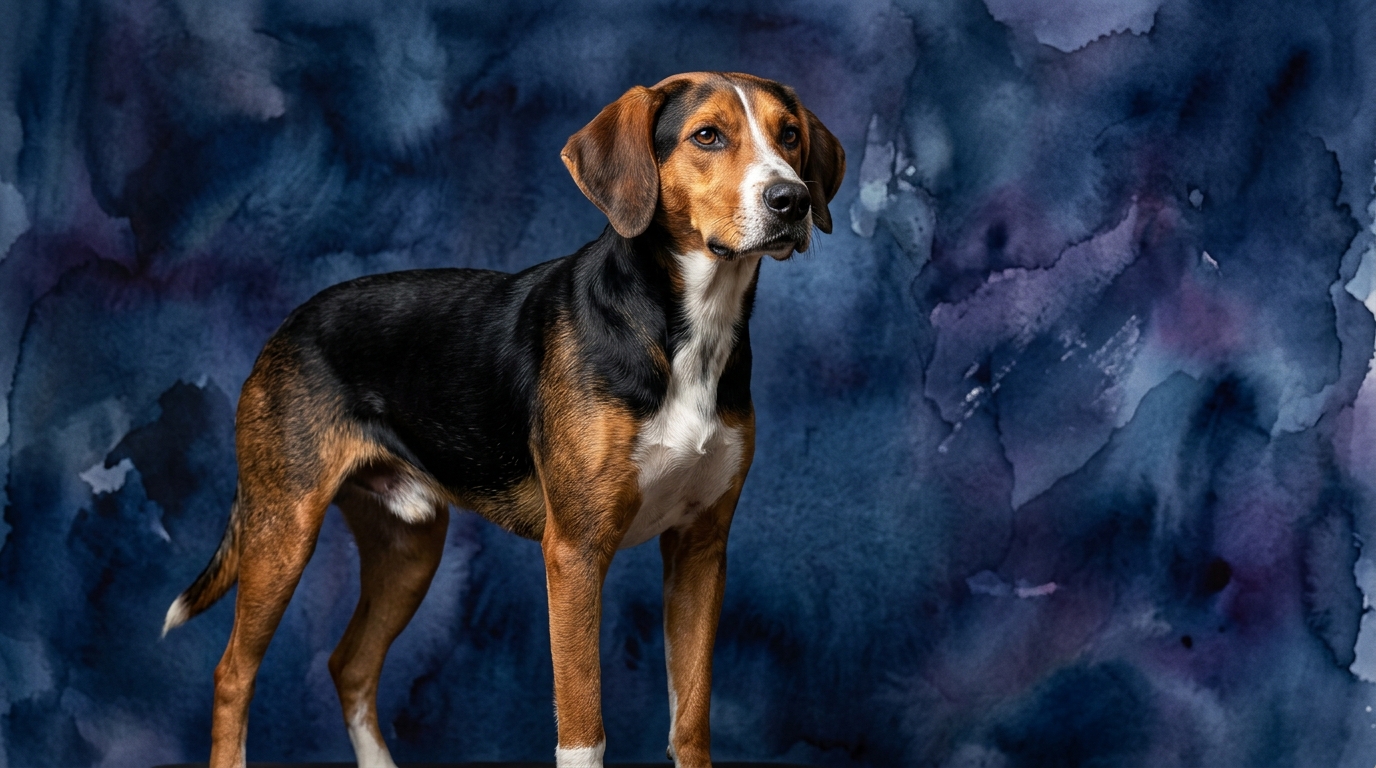
The American Foxhound, a breed forged for endurance and scent work, presents a cognitive profile perfectly aligned with its historical purpose. Our Pet IQ Lab data assigns them 3/5 for Problem Solving, indicating their intellectual prowess leans more towards sustained, instinct-driven tasks rather than complex, novel puzzles. Their Training Speed is also 3/5, suggesting they absorb new commands at a moderate pace, often requiring consistent repetition. Social Intelligence stands at 3/5, reflecting an adequate understanding of pack dynamics and human cues, but perhaps not exceptional social manipulation or empathy. Their Instinctive Drive, rated 3/5, points to a moderate but persistent desire to follow scent trails and engage in typical hound behaviors. Finally, their Memory is 3/5, meaning they retain routines and learned experiences sufficiently for their role, but might not excel at recalling intricate sequences of commands.
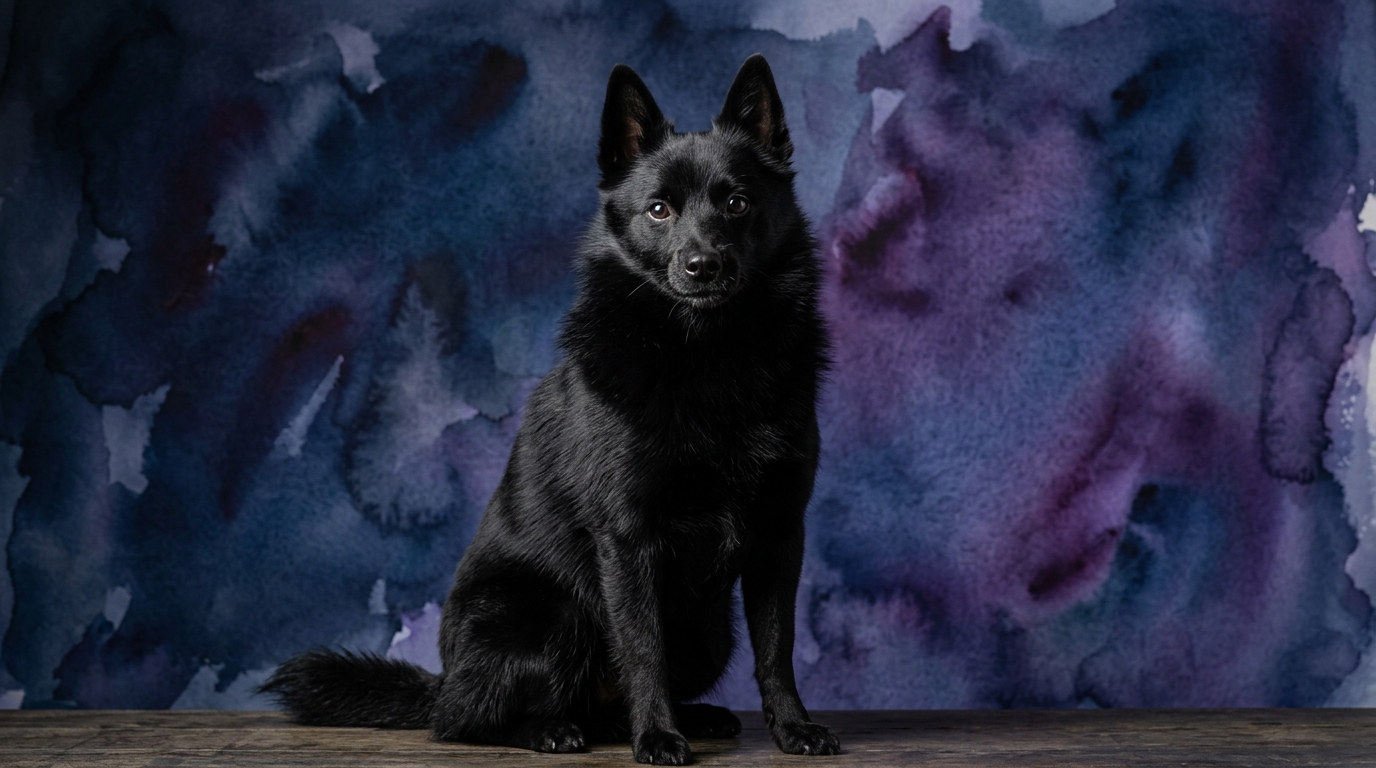
In stark contrast, the Schipperke, a watchful and agile companion from the Non-Sporting group, showcases a cognitive makeup geared for quick thinking and adaptability, reflected in their impressive Coren ranking of #15. They score an exceptional 5/5 for Problem Solving, indicating a remarkable capacity to analyze new situations and devise effective solutions. Their Training Speed is equally impressive at 5/5, meaning they grasp new commands and concepts with remarkable swiftness. Like the Foxhound, their Social Intelligence is 3/5, suggesting they are socially adept but not overtly expressive in this domain. Their Instinctive Drive also registers 3/5, perhaps reflecting a moderate but focused drive for vigilance, guarding, and potentially vermin control, rather than an overwhelming prey or herding instinct. The Schipperke's Memory is rated 5/5, signifying an excellent ability to recall past experiences, learned behaviors, and complex patterns over time.
Where the American Foxhound Excels Cognitively
The American Foxhound’s cognitive strengths are deeply rooted in its heritage as a scent hound, making it a master of specific, enduring tasks. While its Problem Solving is 3/5, this score likely understates its specialized ability to unravel complex scent puzzles over vast distances and varied terrain. This isn't about solving a human-designed brain game, but rather the intricate, layered challenge of following an aged trail, which requires immense focus, discrimination, and stamina. Their moderate Instinctive Drive (3/5), when channeled, allows for sustained periods of independent work, demonstrating an internal motivation to pursue a goal without constant human oversight. They exhibit a unique form of specialized intelligence in their relentless pursuit and interpretation of olfactory information, a skill honed over centuries and unparalleled in many other breeds. Their social intelligence, while 3/5, contributes to their ability to work cooperatively within a pack, reading canine cues and maintaining group cohesion during a hunt.
Where the Schipperke Excels Cognitively
The Schipperke’s cognitive profile paints a picture of a quick-witted, highly adaptable companion, with its strengths primarily in rapid learning and analytical thinking. Their 5/5 Problem Solving capability means they are adept at figuring out how things work, often devising clever strategies to achieve their goals, whether it’s opening a cabinet or navigating a new environment. This proactive approach to challenges sets them apart, indicating a dog that doesn't just react but actively seeks solutions. Paired with a 5/5 Training Speed, they absorb new information and commands with remarkable alacrity, making them exceptionally receptive to structured learning. Their 5/5 Memory further solidifies this, ensuring that once a lesson is learned or an experience gained, it is retained effectively. This combination allows the Schipperke to build a vast repertoire of understood commands and behaviors, adapting quickly to new expectations and maintaining consistency over time. Their moderate Instinctive Drive (3/5) is often channeled into their natural vigilance and watchfulness, applying their sharp minds to their surroundings.
Training: Ease and Behavioral Differences
When it comes to ease of training, the Schipperke clearly holds an advantage, largely due to its superior scores in Training Speed (5/5) and Memory (5/5). These traits translate into a dog that not only picks up new commands quickly but also remembers them reliably. A Schipperke is typically attentive and eager to engage with its handler, often finding mental stimulation in the training process itself. Their high Problem Solving (5/5) means they are likely to understand the 'why' behind a command more readily, making them less prone to repetitive errors and more capable of generalizing learned behaviors to new contexts. This breed thrives on intellectual engagement and positive reinforcement, making training a rewarding experience for both dog and owner.
The American Foxhound, with its 3/5 scores in Training Speed and Memory, presents a more significant training challenge. Their independent nature, a crucial trait for a dog expected to follow a scent trail for hours without human direction, often means they are less inclined to offer immediate obedience. Their primary focus can be heavily influenced by their environment, particularly compelling scents, which can override human commands. Training a Foxhound requires immense patience, consistency, and a deep understanding of their hound instincts. Owners must find ways to make training highly rewarding and engaging, often leveraging their moderate Instinctive Drive (3/5) in a constructive manner, such as scent work games, to maintain their interest. While trainable, their learning curve is slower, and retention of complex sequences may require more reinforcement compared to a Schipperke.
Suitability for Active vs. Relaxed Owners
The American Foxhound is unequivocally suited for active owners who relish outdoor adventures and possess a deep appreciation for the hound temperament. Their moderate Instinctive Drive (3/5) combined with their historical role means they require extensive daily exercise, often in the form of long runs, hikes, or opportunities to engage their powerful noses in a safe, expansive environment. A relaxed owner, or one unable to meet these substantial physical and mental stimulation needs, would quickly find themselves overwhelmed by a bored and potentially destructive Foxhound. Their independence also means they are not a 'velcro dog,' but rather a companion who enjoys shared activities but is comfortable with self-directed exploration.
The Schipperke, while small, is far from a relaxed, sedentary companion; they are an energetic and mentally acute breed requiring significant engagement. Owners who appreciate a dog with a robust personality and a need for mental challenges will find the Schipperke a rewarding fit. Their high scores in Problem Solving, Training Speed, and Memory mean they thrive on activities like obedience, agility, puzzle toys, and learning new tricks. While their exercise requirements are not as vast as a Foxhound's in terms of sheer mileage, they need consistent physical activity and, critically, ample mental stimulation to prevent boredom and channel their intelligence constructively. They are excellent for active owners who enjoy interactive play and training sessions, but perhaps do not require a daily long-distance running partner.
The Verdict
Choose the American Foxhound if you are an active, patient owner who deeply values canine independence, seeks a companion for extensive outdoor pursuits, and understands the unique joys and challenges of a scent-driven hound.
Opt for the Schipperke if you desire a quick-witted, highly trainable, and vigilant companion who thrives on mental challenges and interactive engagement, suitable for owners who enjoy consistent training and an alert presence.
🧠 Find Your Pet's IQ Score
Our Pet IQ Lab assessment covers 25+ tests across 5 cognitive dimensions — personalized to your breed.
Take the Full IQ Test →Frequently Asked Questions
Is the American Foxhound difficult to train?
The American Foxhound can be more challenging to train due to its independent nature and powerful scent drive, reflected in its 3/5 Training Speed and Memory. They require consistent, patient, and highly motivating training methods to overcome their instinctual focus on scent.
How does the Schipperke's problem-solving compare to the Foxhound's?
The Schipperke excels in problem-solving with a 5/5 score, demonstrating a strong ability to analyze and adapt to new situations, whereas the American Foxhound's 3/5 score indicates a more specialized problem-solving ability geared towards following complex scent trails rather than novel human-directed puzzles.
Which breed is better for apartment living based on their cognitive needs?
The Schipperke is generally better suited for apartment living, provided their significant mental stimulation and regular exercise needs are met, given their high Problem Solving and Memory scores. The American Foxhound's extensive exercise requirements and independent nature, suited for long outdoor pursuits, make apartment living a considerable challenge.