A Side-by-Side Cognitive Profile
The Cosmic Pet Pet IQ Lab employs a five-dimensional framework to assess canine intelligence, moving beyond simple obedience to encompass a broader spectrum of cognitive functions. Let's delve into how the American Staffordshire Terrier and the Coton de Tuléar measure up across these dimensions, providing a nuanced understanding of their mental landscapes.
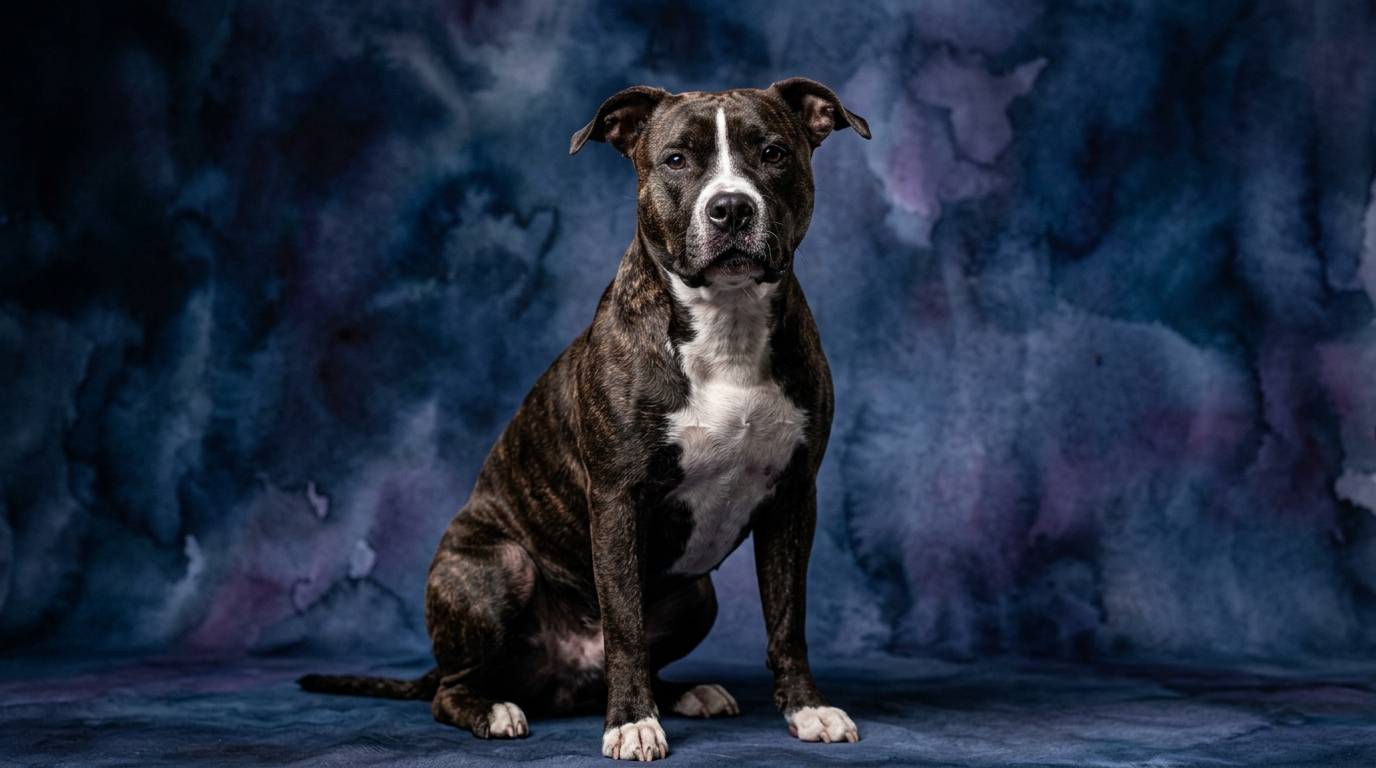
For the American Staffordshire Terrier, a breed with a notable Coren rank of #48, their cognitive scores reflect a capable and tenacious companion. Their Problem Solving is rated at 3/5, indicating a capacity to navigate complex situations and work through obstacles, often with a physical component. Training Speed also stands at 3/5, meaning they grasp new commands and routines at a consistent pace, though persistent, clear guidance is beneficial. Social Intelligence, at 3/5, highlights their ability to interpret human cues and form strong, perceptive bonds, often expressing loyalty and attentiveness. Their Instinctive Drive, also 3/5, speaks to their heritage as a terrier, manifesting as determination, a potential for prey drive, and a strong sense of purpose in tasks. A standout score for the AmStaff is Memory at 4/5, suggesting a superior capacity for retaining learned behaviors and experiences over extended periods.
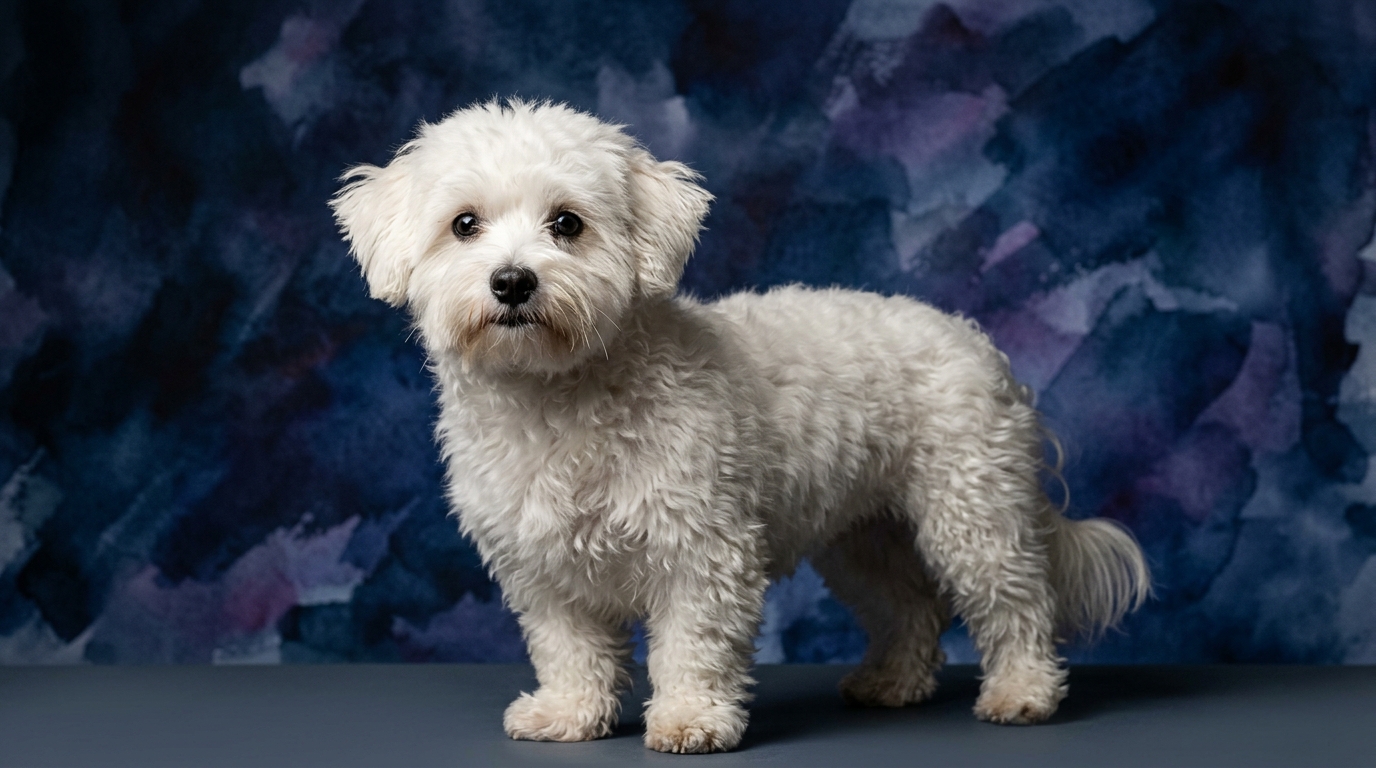
The Coton de Tuléar, a charming Non-Sporting breed, currently does not hold a Coren rank, yet their cognitive profile is equally compelling, tailored for their role as affectionate companions. Their Problem Solving is rated 3/5, demonstrating an ability to figure out common household puzzles or achieve desired outcomes, often through observation and charm rather than brute force. Training Speed, like the AmStaff, is 3/5, indicating they learn steadily, often motivated by positive reinforcement and a desire to please their people. Social Intelligence also scores 3/5, reflecting their strong attunement to human emotions and their pronounced need for companionship and interaction. Instinctive Drive, at 3/5, for the Coton typically manifests as a strong desire for attention, comfort-seeking, and perhaps a playful chasing instinct rather than a strong prey drive. Their Memory, however, differs slightly, scoring 3/5, which means they retain information adequately but may require more consistent refreshers for complex or less frequently used commands compared to a breed with higher memory retention.
Where the American Staffordshire Terrier Demonstrates Cognitive Advantages
The American Staffordshire Terrier exhibits a clear cognitive advantage in memory, scoring 4/5 compared to the Coton de Tuléar's 3/5. This higher memory capacity means AmStaffs are more likely to retain complex command sequences, elaborate tricks, or intricate routines with fewer repetitions over time. For an owner, this translates to less need for constant reinforcement of previously mastered skills, allowing for faster progression to advanced training or specialized activities. For instance, an AmStaff might excel in canine sports requiring long chains of commands, remembering each step even after a break.
While both breeds share a 3/5 in problem-solving and instinctive drive, the AmStaff's physical build and terrier heritage often mean their problem-solving is applied to more robust, physically demanding challenges. They might more readily figure out how to retrieve a toy from a difficult spot or navigate an agility course with determined physical strategy. Their instinctive drive, when channeled appropriately, can make them formidable partners in activities like weight pull, scent work, or protection sports, where their tenacity and focus are leveraged effectively. This directed application of their drives, combined with their superior memory, allows them to master and consistently perform tasks that require both mental and physical engagement over prolonged periods.
Where the Coton de Tuléar Demonstrates Cognitive Strengths
While the Coton de Tuléar's numerical scores are consistently 3/5 across all dimensions, their cognitive strengths lie in the *application* and *nuance* of these abilities, particularly in a companion role. Their 3/5 Social Intelligence is often expressed with exceptional sensitivity to human moods and a deep desire for connection. This makes them adept at discerning subtle emotional cues, leading to a profound capacity for emotional support and companionship. They might not outperform in complex obedience trials, but they excel at being attuned, responsive family members who intuit needs without explicit commands.
The Coton's 3/5 Problem Solving often manifests in clever, socially-oriented ways, such as figuring out how to gain attention, locate a favorite comfortable spot, or 'train' their owners through endearing behaviors. Their 3/5 Instinctive Drive, less focused on prey or guarding, instead fuels a vibrant, engaging personality that seeks interactive play and close proximity. This lower intensity of certain drives can be a significant advantage for owners seeking a less demanding temperament, where cognitive energy is directed towards social interaction and maintaining a harmonious household rather than managing strong working instincts. Their cognitive profile, therefore, is ideally suited for a life centered around affectionate companionship and gentle engagement, where mental agility is expressed through charm and adaptability within a domestic setting.
Which is Easier to Train and Why
Determining which breed is 'easier' to train involves considering both training speed and retention, alongside inherent motivations. Both the American Staffordshire Terrier and the Coton de Tuléar share a 3/5 rating for Training Speed, suggesting they learn new commands at a steady, comparable pace. However, the AmStaff's superior Memory at 4/5 gives them an edge in long-term retention. Once an AmStaff grasps a concept or command, it is likely to stick more firmly in their mind, requiring fewer refreshers over weeks or months. This means that while initial teaching might take similar effort, the AmStaff will likely maintain proficiency with less ongoing reinforcement.
Behaviorally, the AmStaff's terrier drive (3/5) often translates into a strong motivation to work for a clear objective, whether it's a toy, praise, or a specific task. They often thrive on structured training that provides a 'job' to do, and their physical capabilities support a wide range of activities. The Coton, with its 3/5 instinctive drive, is typically motivated by social connection and positive interaction. They respond well to gentle, reward-based training and will often perform willingly to maintain close contact and receive praise. While they may not have the AmStaff's long-term memory for complex sequences, their eagerness to please and social intelligence can make them highly responsive in a typical companion setting. For owners seeking a dog for advanced obedience or canine sports, the AmStaff's memory and drive can offer a more robust foundation, whereas the Coton excels in home manners and social graces with consistent, positive methods.
Which Suits Active Owners vs. Relaxed Owners
The cognitive and physical makeup of these two breeds naturally aligns them with different owner lifestyles. The American Staffordshire Terrier, with its robust physical presence, terrier drive (3/5), and problem-solving acumen (3/5), thrives with active owners. They benefit immensely from daily vigorous exercise, structured play, and mental challenges that engage both their mind and body. Owners who enjoy hiking, running, or participating in dog sports like agility, obedience, or weight pull will find a willing and capable partner in an AmStaff. Their tenacity and drive mean they need consistent outlets for their energy, and without them, their problem-solving might be directed towards less desirable behaviors.
Conversely, the Coton de Tuléar, with its smaller stature, strong social intelligence (3/5), and more moderate instinctive drive (3/5), is an ideal fit for more relaxed owners. While they still require regular walks and mental stimulation to prevent boredom, their needs are less physically demanding. They are content with indoor play, short strolls, and ample cuddle time on the sofa. Owners who prefer a calmer pace of life, enjoy frequent companionship, and are looking for a dog that integrates seamlessly into a quiet household will find the Coton's cognitive and behavioral profile highly suitable. Their problem-solving might be geared towards finding the sunniest spot for a nap or subtly nudging for attention, perfectly suiting a home environment focused on comfort and connection.
The Verdict
Choose the American Staffordshire Terrier if you are an active owner seeking a physically robust, mentally tenacious companion for structured activities and advanced training, valuing their superior memory for complex tasks.
Opt for the Coton de Tuléar if you desire a charming, emotionally attuned companion for a more relaxed lifestyle, appreciating their social intelligence and adaptability in a close-knit home environment.
🧠 Find Your Pet's IQ Score
Our Pet IQ Lab assessment covers 25+ tests across 5 cognitive dimensions — personalized to your breed.
Take the Full IQ Test →Frequently Asked Questions
Do American Staffordshire Terriers need a lot of mental stimulation?
Yes, American Staffordshire Terriers benefit significantly from mental stimulation. Their 3/5 problem-solving and 3/5 instinctive drive mean they thrive when given tasks or puzzles, beyond just physical exercise, to keep their minds engaged and prevent boredom-related behaviors. This could include puzzle toys or learning new commands.
Is the Coton de Tuléar a good choice for first-time dog owners?
The Coton de Tuléar can be a good choice for first-time dog owners due to their adaptable nature and strong desire for companionship. Their 3/5 training speed and social intelligence mean they are generally responsive to positive training methods, though consistent reinforcement is key given their 3/5 memory score.
How do their social intelligence scores impact their interactions with families?
Both breeds score 3/5 in social intelligence, indicating a strong capacity for understanding human cues. The AmStaff's social intelligence often manifests as loyal, perceptive guardianship, while the Coton's tends towards a more effusive, emotionally supportive companionship, both forming deep bonds with their families.