Side-by-side IQ profile
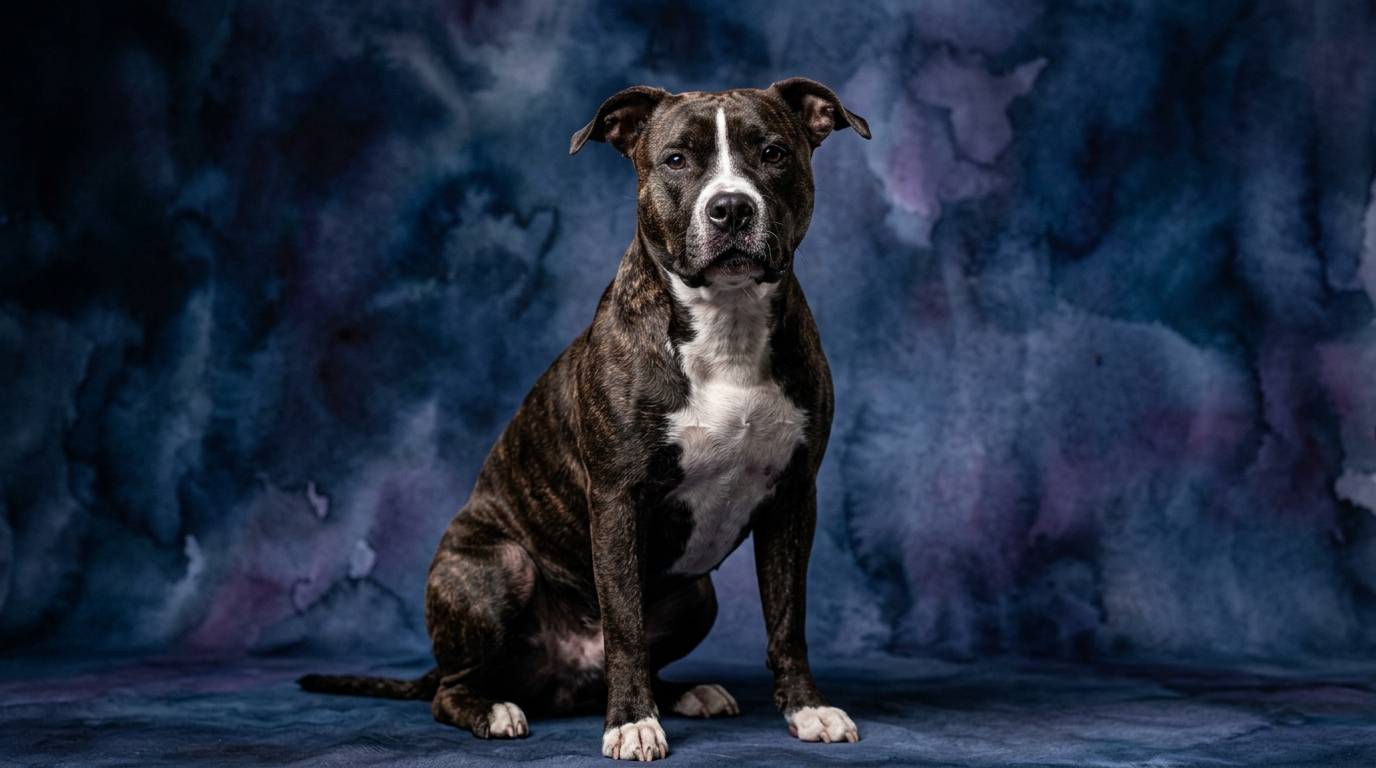
The American Staffordshire Terrier exhibits a balanced cognitive profile, with its problem-solving, training speed, social intelligence, and instinctive drive all registering a 3 out of 5. This score suggests a dog capable of learning, adapting, and engaging, but one that benefits from consistent guidance rather than being a natural prodigy in any single area. Their standout trait is memory, rated at 4 out of 5, indicating a strong capacity to retain learned behaviors, commands, and experiences over time. This robust memory contributes to their reliability once trained, but also means they will remember negative experiences or inconsistencies. As a Coren-ranked breed at #48, they fall into the "average working/obedience intelligence" category, capable of understanding new commands in 25 to 40 repetitions and obeying known commands 50% of the time or better.
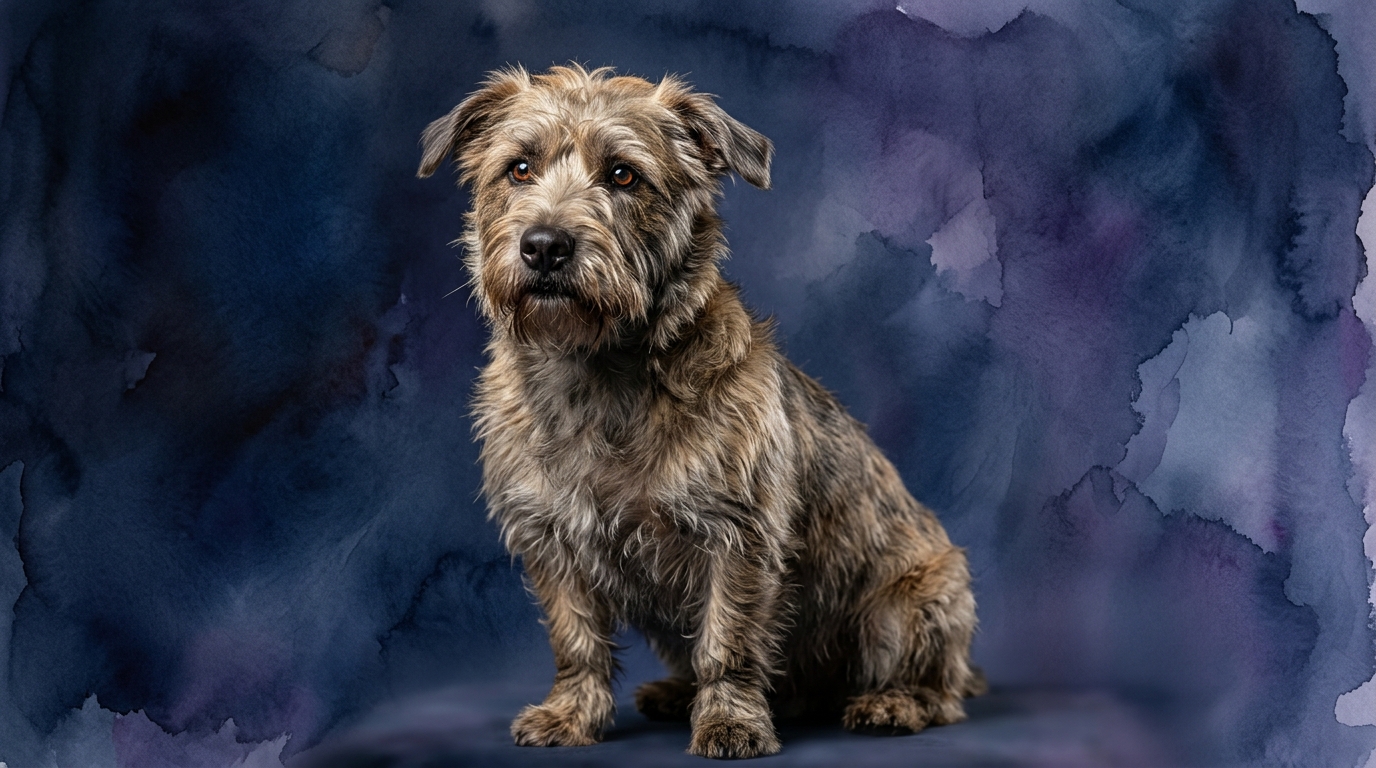
The Glen of Imaal Terrier presents a remarkably consistent cognitive blueprint across most dimensions, scoring 3 out of 5 for problem-solving, training speed, social intelligence, and instinctive drive. This uniformity points to a dog with a solid, albeit not exceptional, foundational intelligence in these areas. Unlike the AmStaff, their memory is rated at 3 out of 5, suggesting a good, but not outstanding, ability to recall information. The Glen’s lack of a Coren ranking doesn't imply a lack of intellect, but rather reflects their relatively rarer status and specialized historical role. Their intelligence is practical, rooted in their original purpose as "go-to-ground" hunters, demanding independent thought and perseverance rather than eager compliance.
Where American Staffordshire Terrier wins cognitively
The American Staffordshire Terrier's clear cognitive advantage lies in its superior memory, rated 4/5 compared to the Glen's 3/5. This enhanced memory means an AmStaff can more quickly solidify learned commands and routines, and they are less likely to "forget" training over time or in different contexts. For an owner, this translates to greater consistency in behavior once a command or habit is established, making them potentially more reliable in complex sequences or under varied conditions. Their better memory also contributes to their adaptability in different environments and with various people, as they can more readily recall positive and negative interactions and adjust their social responses accordingly. This strong recall supports their role as versatile companions capable of participating in various dog sports and activities where remembering sequences is key.
Where Glen of Imaal Terrier wins cognitively
While their raw IQ scores are largely parallel, the Glen of Imaal Terrier's cognitive strengths manifest uniquely through their historical function. Their 3/5 in instinctive drive, problem-solving, and social intelligence, coupled with their background as independent "go-to-ground" hunters, means their intelligence is geared towards self-sufficiency and persistent task focus in challenging environments. Where an AmStaff might look to its handler for guidance, a Glen is more inclined to assess a situation and devise its own solution, particularly if it involves digging or pursuing prey. This independent problem-solving, while not numerically higher, reflects a deep-seated tenacity and ability to work without constant human direction, a cognitive win for specific scenarios requiring such self-reliance. Their social intelligence, at 3/5, is often expressed through a patient, observant demeanor rather than overt eagerness, allowing them to gauge situations before reacting.
Which is easier to train and why
Based on their cognitive profiles, the American Staffordshire Terrier generally presents as easier to train due to their superior memory. A 4/5 memory score means once an AmStaff grasps a concept or command, they are more likely to retain it, requiring fewer refreshers and exhibiting greater consistency in their responses. While both breeds score 3/5 in training speed, the AmStaff's memory amplifies the impact of that training, making the effort more enduring. Their higher Coren ranking also suggests a greater willingness to work cooperatively with humans, a trait often bred into dogs selected for companionship and performance events. This translates into an AmStaff typically being more eager to please and more responsive to positive reinforcement methods.
In contrast, the Glen of Imaal Terrier, with a 3/5 memory and a history of independent work, can be more challenging to train for absolute obedience. Their problem-solving and instinctive drive, while at 3/5, are often directed towards their own agenda, particularly if it involves scent-driven pursuits or digging. Glens can be wonderfully attentive learners, but their memory is not as robust, meaning consistency from the owner is paramount to prevent skills from fading. Their independent nature often requires more patience and creative motivation during training, as they are less driven by a desire to please and more by what benefits them or satisfies their inherent terrier instincts. Owners must understand that a Glen learns effectively, but its application of that learning is often filtered through a lens of self-interest and tenacity, which can be misconstrued as stubbornness.
Which suits active owners vs relaxed owners
The American Staffordshire Terrier, with its balanced drives and good memory, suits moderately active owners who enjoy engaging with their dogs in structured activities. While possessing a 3/5 instinctive drive, it is often channeled into play, walks, and training, making them adaptable companions for various adventures. They thrive on mental stimulation that utilizes their memory and problem-solving skills, such as advanced obedience, agility, or rally. An AmStaff appreciates a consistent routine and sufficient exercise to prevent boredom, but they are also content to relax with their family after their needs are met. They are not typically high-strung dogs that demand constant, intense activity, but neither are they content to be couch potatoes without proper engagement.
The Glen of Imaal Terrier, despite its working heritage, often surprises owners with its comparatively more relaxed demeanor indoors, making it suitable for owners seeking a less overtly demanding canine companion. While they possess a 3/5 instinctive drive, it's frequently expressed through bursts of activity and a deep-seated desire to explore scents, rather than incessant, high-energy demands for running or fetching. They are less about sustained, vigorous exercise and more about purposeful exploration or a good digging session. Relaxed owners will appreciate the Glen’s calm presence in the home, provided their inherent terrier need for mental engagement and occasional outdoor "missions" are satisfied. They are not a dog for the intensely active owner seeking a running partner, but rather for those who appreciate a dog with an "off switch" after a satisfying, perhaps shorter, outdoor adventure.
The Verdict
Choose the American Staffordshire Terrier if you value a dog with strong memory for training, a desire for cooperative engagement, and the versatility to excel in various structured activities. They are an excellent fit for owners who appreciate a robust companion capable of consistent learning and family integration.
Opt for the Glen of Imaal Terrier if you are drawn to a patient, independent spirit, appreciate a dog that thinks for itself, and can provide outlets for their specific terrier instincts without demanding constant high-energy output. They suit owners who enjoy a calmer indoor presence balanced with opportunities for focused outdoor exploration.
🧠 Find Your Pet's IQ Score
Our Pet IQ Lab assessment covers 25+ tests across 5 cognitive dimensions — personalized to your breed.
Take the Full IQ Test →Frequently Asked Questions
Do American Staffordshire Terriers or Glen of Imaal Terriers excel at dog sports?
American Staffordshire Terriers, with their superior memory and cooperative nature, often excel in dog sports like obedience, agility, and rally. Glen of Imaal Terriers can participate, but their independent streak and focus on specific instincts might make them less inclined towards high-speed, precision-based sports, though they can enjoy earthdog trials.
How do their social intelligence scores of 3/5 translate into real-world behavior?
A 3/5 social intelligence score means both breeds can navigate social interactions effectively, but they aren't inherently predisposed to extreme friendliness with all strangers or dogs. AmStaffs tend to be more overtly social with their family and known individuals, while Glens often display a more reserved, observant social approach, preferring to assess new situations before engaging.
Does the lack of a Coren ranking for the Glen of Imaal Terrier mean it's less intelligent?
No, the lack of a Coren ranking for the Glen of Imaal Terrier primarily reflects its relative rarity and specialized historical role, rather than an absence of intellect. Coren's rankings are largely based on obedience intelligence, and the Glen's independent, tenacious nature, while highly intelligent for its purpose, doesn't always translate to eager, rapid obedience in a standardized test setting.