Side-by-Side IQ Profile: Unpacking Canine Cognition
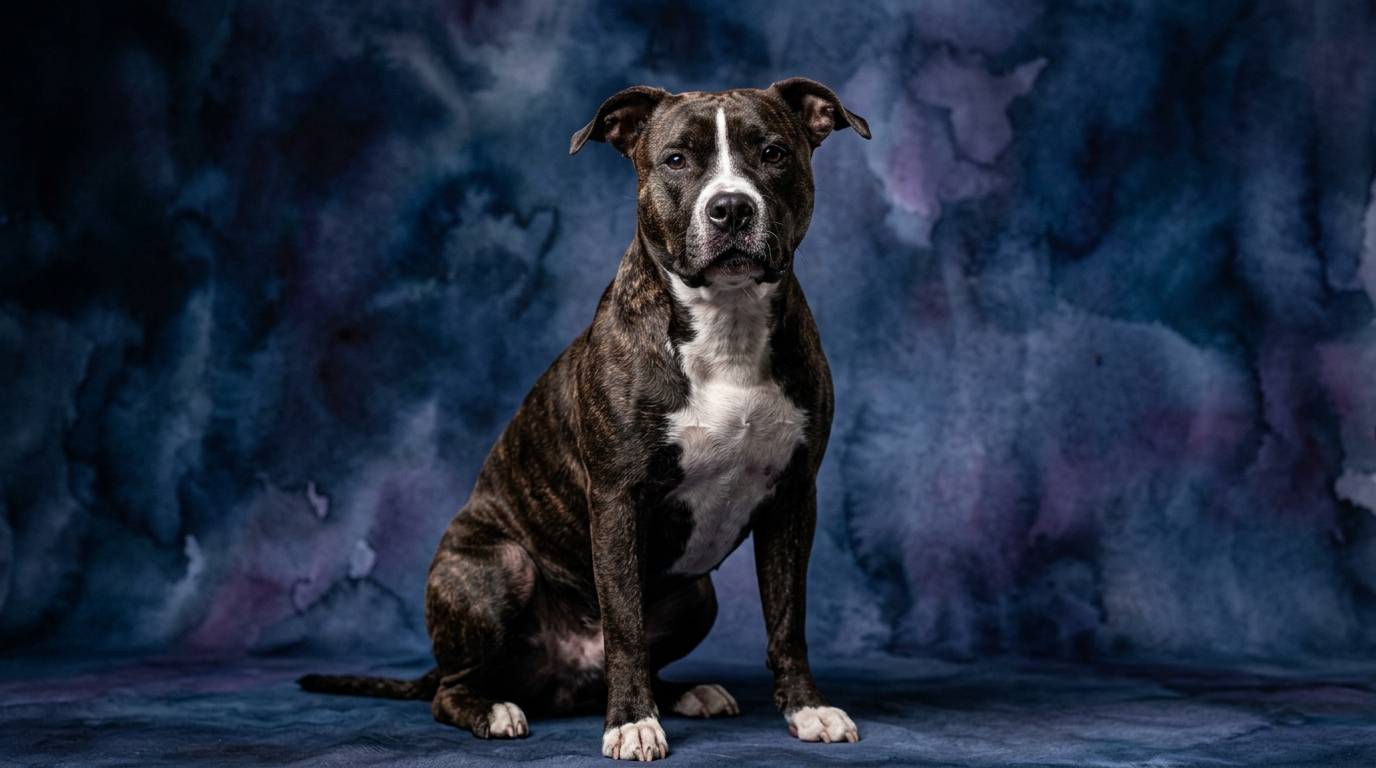
**American Staffordshire Terrier (AmStaff)**
**Coren Rank #48:** Positioned within the average working/obedience intelligence group, indicating a solid capacity for learning and understanding.
**Problem Solving (3/5):** AmStaffs approach challenges with a practical, hands-on methodology. They are capable of figuring out environmental puzzles or tasks, often employing physical solutions rather than intricate strategies. Their problem-solving is generally effective and direct.
**Training Speed (3/5):** These dogs learn new commands and routines at a steady pace. While they possess the aptitude, their inherent enthusiasm and occasional independent streak mean consistent, engaging training methods yield the best results for solid retention.
**Social Intelligence (3/5):** AmStaffs competently read human body language and vocal cues, enabling them to navigate social interactions. They understand household dynamics and their place within the family structure, though their assertiveness can sometimes be misconstrued without proper socialization.
**Instinctive Drive (3/5):** The breed retains a moderate level of terrier drive, manifesting as a desire to engage with their environment, explore, and sometimes a focus on objects or movement. This drive, when properly channeled, can fuel their participation in various dog sports and activities.
**Memory (4/5):** A notable strength, AmStaffs possess a robust memory. They retain learned commands, routines, and past experiences, both positive and negative, over extended periods. This contributes significantly to their ability to build on previous training and adapt to established household norms.
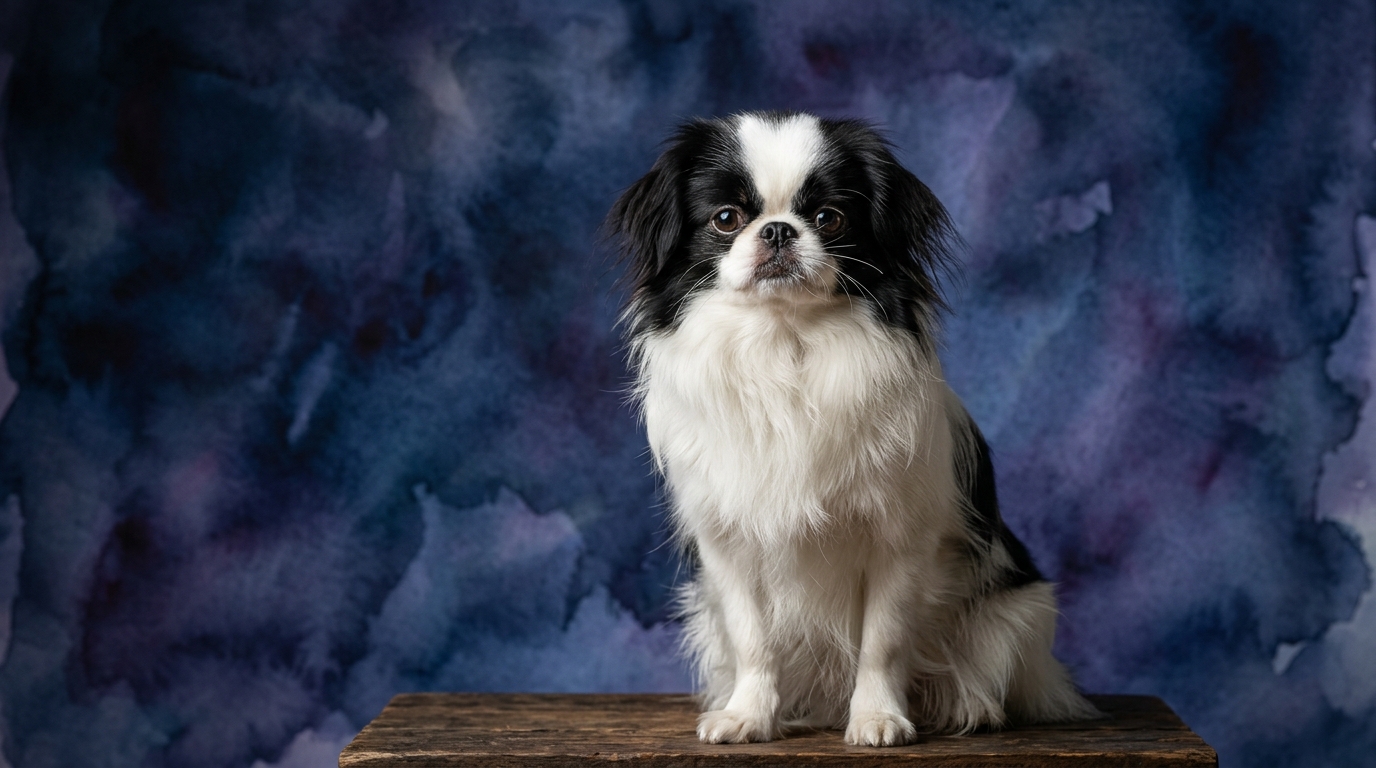
**Japanese Chin**
**Coren Rank: Not Ranked:** As a toy breed primarily bred for companionship, the Japanese Chin's cognitive profile is often assessed differently, focusing on social and adaptive intelligence rather than traditional working obedience.
**Problem Solving (3/5):** Japanese Chins demonstrate a competent ability to solve immediate, practical problems, such as navigating obstacles to reach a desired location or figuring out how to get attention. Their approach often involves observing and then attempting actions, sometimes with a charming reliance on human assistance.
**Training Speed (3/5):** Chins learn at a consistent rate, especially when training is kept positive, gentle, and engaging. They respond well to reward-based methods and thrive on the one-on-one attention that training provides, though they can be sensitive to harsh corrections.
**Social Intelligence (3/5):** This breed excels in understanding human emotional states and intentions. They are highly attuned to their owners' moods, often adjusting their behavior to provide comfort or seek interaction. Their social acumen makes them perceptive companions, though they can be reserved with strangers.
**Instinctive Drive (3/5):** The primary instinctive drive of the Japanese Chin is for companionship and comfort. They exhibit minimal prey drive or territorial instincts compared to many other breeds, instead channeling their energy into engaging with their human family and seeking cozy resting spots.
**Memory (3/5):** Japanese Chins effectively remember routines, familiar people, and their preferred comfort zones. While they retain information for daily living, their recall for complex sequences or specific, detailed events might not be as pronounced as breeds with higher memory scores.
Where the American Staffordshire Terrier Wins Cognitively
The American Staffordshire Terrier’s cognitive profile shows a distinct advantage in the realm of memory, scoring a 4/5 compared to the Japanese Chin’s 3/5. This enhanced retention means AmStaffs are generally more adept at recalling complex sequences of commands, remembering boundaries set weeks or months prior, and building upon past training sessions with greater ease. For an owner aiming to teach advanced obedience, intricate tricks, or participate in dog sports requiring a long chain of learned behaviors, the AmStaff’s superior memory provides a significant cognitive edge. They can more readily generalize learned skills to new environments and situations, demonstrating a deeper, more enduring understanding of expectations and learned tasks. This robust memory also extends to remembering people and places, which can influence their consistent behavior and comfort in various social settings over time.
Where the Japanese Chin Wins Cognitively
While both breeds share a 3/5 in social intelligence, the Japanese Chin often expresses this capacity with a particular nuance that gives it a unique cognitive advantage in specific social contexts. Chins are masters of subtle emotional attunement; they frequently demonstrate an uncanny ability to perceive and respond to the minute shifts in their owner's mood or stress levels. This isn't just about reading body language, but an almost intuitive grasp of human emotional states, leading them to offer comfort or seek attention precisely when it's most needed. Their problem-solving, also rated 3/5, often manifests in socially intelligent ways—for instance, figuring out how to charmingly solicit a lap cuddle or a favorite treat by employing specific vocalizations or appealing gazes. This refined social cognition allows the Japanese Chin to navigate the intricacies of human-dog relationships with exceptional finesse, making them extraordinarily perceptive and responsive companions.
Which is Easier to Train and Why
Assessing which breed is "easier" to train requires understanding their distinct motivations and learning styles, as both score 3/5 in training speed. The American Staffordshire Terrier, with its higher memory score (4/5), has the capacity for deep retention of commands and routines. However, their inherent enthusiasm and strong will mean training requires consistent, firm, and engaging methods. They thrive on structure and benefit from an owner who can channel their energy and focus into productive learning. Once an AmStaff grasps a concept, their excellent memory ensures it's likely to stick, making them capable of mastering complex obedience and specialized tasks over time.
Conversely, the Japanese Chin, while having a slightly lower memory score (3/5), often excels in basic manners and house training due to their strong desire for companionship and preference for a harmonious home environment. They are typically sensitive and respond best to gentle, positive reinforcement, often eager to please their beloved humans. Their smaller size and lower physical demands can make early socialization and potty training feel less daunting for some owners. However, their sensitivity means harsh corrections can be counterproductive, potentially leading to anxiety or withdrawal. Therefore, an AmStaff might be better suited for an owner seeking a dog for advanced, structured training, while a Chin might be perceived as "easier" for an owner prioritizing a calm, well-mannered house companion through gentle, consistent positive methods.
Which Suits Active Owners vs. Relaxed Owners
The choice between an American Staffordshire Terrier and a Japanese Chin heavily depends on an owner's lifestyle and activity level. The American Staffordshire Terrier is a robust and energetic breed requiring substantial physical exercise and mental stimulation. They thrive with active owners who can provide daily vigorous walks, runs, or engaging play sessions, alongside consistent training and opportunities for structured activities like agility, obedience, or weight pull. Their instinctive drive, while moderate, benefits from outlets that challenge both their bodies and minds. An AmStaff is best suited for individuals or families who lead an active outdoor lifestyle and are prepared to commit significant time to their dog's physical and cognitive enrichment.
In stark contrast, the Japanese Chin is perfectly suited for more relaxed or sedentary owners. Their modest exercise requirements can typically be met with short daily walks and indoor play. These charming companions are content to spend much of their day lounging nearby, thriving on close human interaction and quiet companionship. They are ideal for individuals living in apartments or smaller homes, or those who prefer a less physically demanding pet. The Chin's primary need is consistent affection and presence, making them an excellent choice for retirees, individuals with limited mobility, or anyone seeking a devoted, low-key companion who enjoys a serene home environment.
The Verdict
For owners seeking a resilient, active companion for structured training and outdoor pursuits, who value a dog with strong memory and a desire for engaging, consistent interaction, the American Staffordshire Terrier is an excellent choice.
For owners desiring a charming, emotionally perceptive companion for a quieter, more relaxed lifestyle, who appreciate a dog that thrives on close human connection and gentle daily routines, the Japanese Chin offers a perfect match.
🧠 Find Your Pet's IQ Score
Our Pet IQ Lab assessment covers 25+ tests across 5 cognitive dimensions — personalized to your breed.
Take the Full IQ Test →Frequently Asked Questions
Do American Staffordshire Terriers need a lot of mental stimulation?
Yes, AmStaffs benefit significantly from mental engagement beyond physical exercise. Their robust memory and problem-solving abilities thrive on puzzle toys, consistent training refreshers, and learning new tricks to keep their minds sharp and prevent boredom.
Are Japanese Chins good for first-time dog owners?
Japanese Chins can be suitable for first-time owners who are prepared for their sensitive nature and focus on positive, gentle training. Their small size and relatively low exercise needs make them manageable, but their need for consistent companionship requires commitment.
How do their social intelligence scores of 3/5 differ in practice?
While both score 3/5, the AmStaff's social intelligence often manifests as understanding pack dynamics and responding to clear human directives, whereas the Chin's tends towards a more subtle, intuitive emotional attunement, making them highly perceptive of their owner's feelings and moods.