Side-by-Side IQ Profile
The Cosmic Pet Pet IQ Lab employs a five-dimensional framework to assess canine intelligence, offering a nuanced view beyond simplistic labels. Let's examine how the American Staffordshire Terrier and Keeshond measure up.
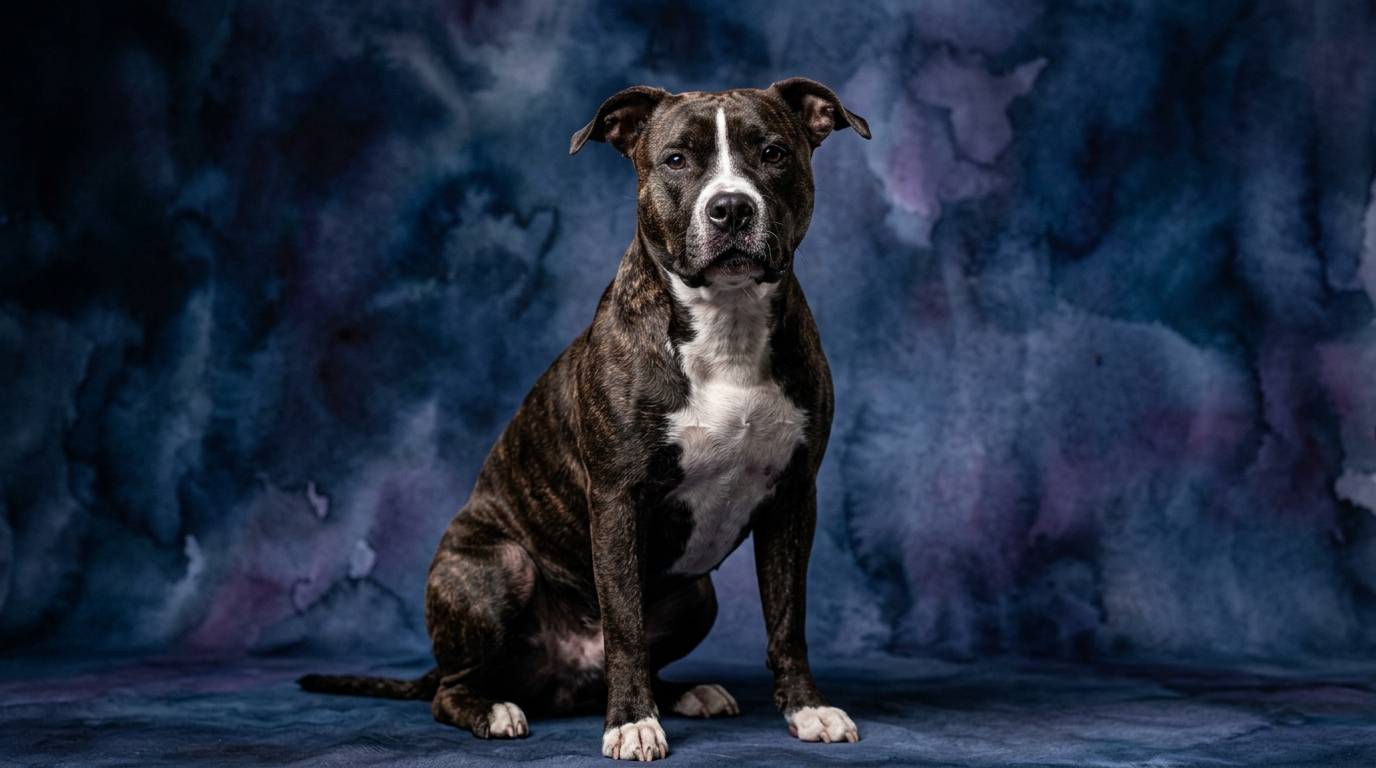
American Staffordshire Terrier (Coren Rank #48): These spirited Terriers showcase a balanced yet distinct cognitive blueprint. Their Problem Solving is rated 3/5, meaning they can tackle moderate challenges and figure out puzzles, often employing a tenacious, hands-on approach, though complex, multi-step tasks might require more guidance. Training Speed also registers at 3/5; AmStaffs are capable learners, absorbing commands steadily with consistent positive reinforcement, but they typically don't pick up new concepts instantaneously. Social Intelligence stands at 3/5, indicating a moderate ability to interpret human cues and bond deeply within their family, though they benefit from extensive socialization to extend this understanding to new people and situations. Their Instinctive Drive is 3/5, reflecting a historical role that required determination, which can manifest as a moderate prey drive or protective instinct requiring careful channeling. Finally, their Memory is a strong 4/5, meaning learned behaviors and experiences are retained effectively over time, making retraining generally straightforward.
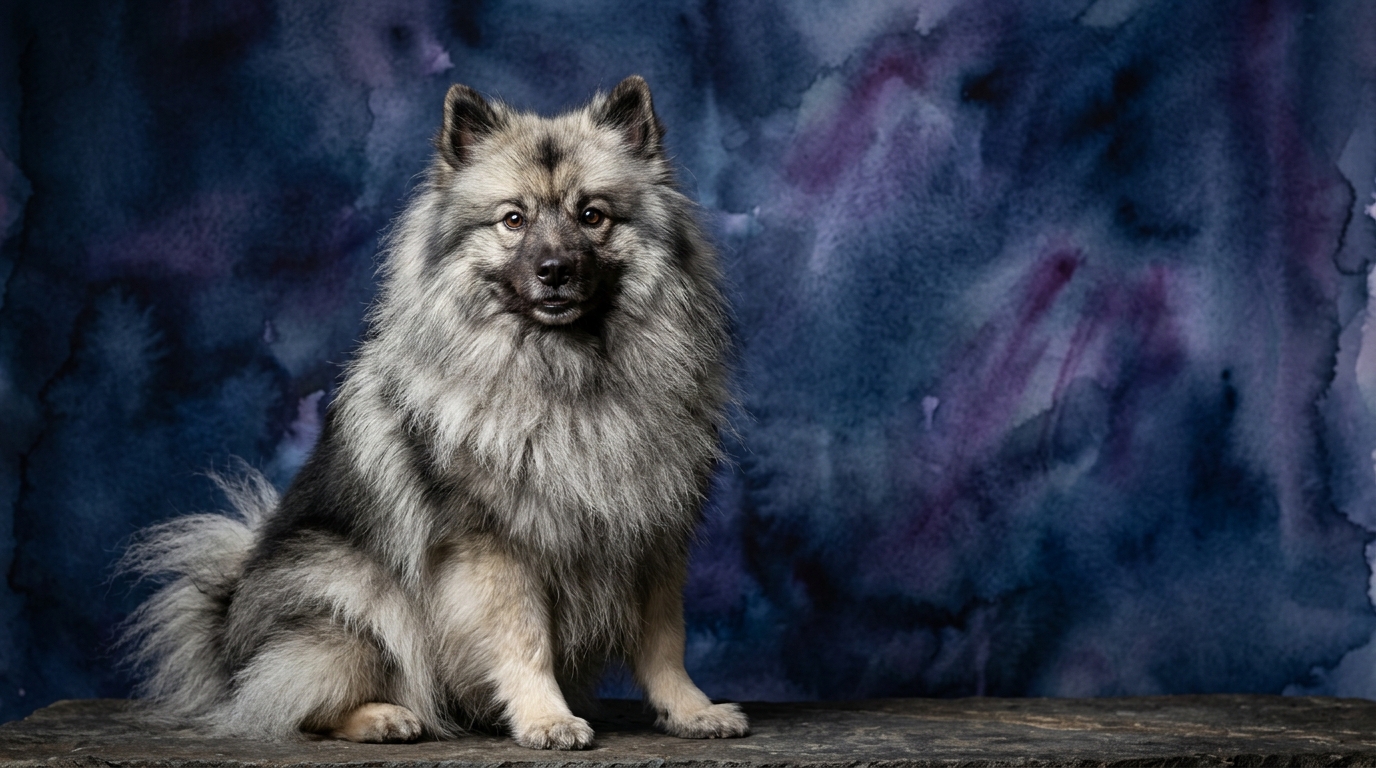
Keeshond (Coren Rank #16): Hailing from the Non-Sporting group, the Keeshond presents a different cognitive emphasis. Their Problem Solving is a robust 4/5; these dogs often approach novel situations with thoughtful observation and can devise clever solutions to complex puzzles or environmental challenges, demonstrating significant independent reasoning. Training Speed is also a high 4/5, signifying their rapid ability to grasp new commands and concepts with fewer repetitions, often eager to please and quick to respond. Social Intelligence matches the AmStaff at 3/5; Keeshonds are highly attuned to their human companions' emotions and intentions, acting as sensitive barometers within the home, yet their social acumen with strangers benefits from early exposure. Their Instinctive Drive is 3/5, typically manifesting as alertness, a strong watchdog tendency, and a desire for companionship rather than intense prey pursuit. A standout feature is their Memory, earning a perfect 5/5; Keeshonds possess exceptional recall, retaining commands, names, and routines with remarkable accuracy and longevity, making advanced training highly rewarding.
Where American Staffordshire Terrier Wins Cognitively
While the Keeshond often outscores the AmStaff in raw intellectual metrics, the American Staffordshire Terrier's cognitive profile offers unique strengths, particularly in the application of intelligence requiring physical tenacity and focused effort. Their 3/5 problem-solving, though not the highest, is often paired with a powerful physical presence and a 3/5 instinctive drive, making them uniquely adept at tasks demanding persistent, physical engagement to overcome obstacles. For instance, in activities like weight pull or certain types of scent work, their mental focus aligns with their physical determination, allowing them to methodically work through a challenge until a solution is physically achieved. Unlike breeds that might disengage from a task if it becomes too physically demanding, an AmStaff's cognitive approach often involves sustained, determined effort. Their solid 4/5 memory ensures that once they’ve successfully tackled such a physically demanding task or a sequence of actions, they remember the process, making them reliable partners for repetitive, strength-based activities. This combination of focused, persistent problem-solving and strong memory, integrated with their physical prowess, allows them to excel in practical, hands-on scenarios where sheer mental agility might be less critical than determined, remembered execution.
Where Keeshond Wins Cognitively
The Keeshond clearly demonstrates superior cognitive strengths in areas demanding rapid intellectual assimilation and exceptional recall, reflected in their impressive 4/5 problem-solving, 4/5 training speed, and perfect 5/5 memory. Their mental agility allows them to quickly process new information and integrate it into their understanding, making them remarkably fast learners across various disciplines. This quick uptake means a Keeshond can master complex obedience routines, learn numerous advanced tricks, or navigate intricate agility courses with considerably fewer repetitions than many other breeds. Their advanced problem-solving ability empowers them to independently assess novel situations and devise clever solutions, often showcasing an endearing and sometimes mischievous ingenuity. The Keeshond’s exceptional 5/5 memory ensures that once a lesson or command is learned, it becomes deeply ingrained and rarely forgotten, requiring minimal refreshing over time. This makes them outstanding candidates for competitive obedience, rally, or therapy work where consistent performance and reliable recall of a wide array of commands are crucial. Their intellectual capacity thrives on continuous learning and complex mental stimulation, making them highly responsive and engaging companions for owners who enjoy interactive cognitive challenges.
Which is Easier to Train and Why
When comparing trainability, the Keeshond generally presents a more straightforward experience for owners due to its superior cognitive attributes. The Keeshond's 4/5 Training Speed and 5/5 Memory are strong indicators of its capacity to learn and retain commands quickly. They are often eager to please and possess a focused attention span, allowing them to grasp new concepts with minimal repetitions and remember them for extended periods. This makes the training process efficient and rewarding, often suitable for novice trainers who appreciate a dog that picks up cues readily. In contrast, the American Staffordshire Terrier's 3/5 Training Speed suggests they learn at a moderate pace, requiring more consistent repetition and a patient approach. While their 4/5 memory is commendable, the initial acquisition of new behaviors might demand more dedicated effort. The AmStaff's 3/5 instinctive drive, while manageable, can also occasionally lead to moments of distraction or stubbornness if not effectively channeled, requiring a trainer to be highly engaging and consistent to maintain focus. Therefore, for an owner prioritizing a dog that learns rapidly and reliably retains a broad range of commands, the Keeshond offers a distinctly easier training journey.
Which Suits Active Owners vs Relaxed Owners
Matching a dog's cognitive and inherent drives to an owner's lifestyle is crucial for a harmonious relationship. The American Staffordshire Terrier, with its 3/5 problem-solving and 3/5 instinctive drive, flourishes with active owners who can provide consistent, structured physical exercise and engaging mental challenges. Their inherent tenacity means they benefit from activities like structured walks, vigorous play sessions, or dog sports that channel their physical energy and provide a mental outlet for their determined nature. An owner who is unable to commit to regular, stimulating physical and mental activities might find an AmStaff developing boredom-driven or destructive behaviors. The Keeshond, while also possessing a moderate instinctive drive (3/5), is generally less physically demanding than the AmStaff but requires substantial mental stimulation due to its 4/5 problem-solving and 5/5 memory. They are well-suited for owners who enjoy teaching new tricks, engaging in complex puzzle games, or participating in low-impact dog sports like rally obedience or canine freestyle. While they appreciate regular walks, their primary need is for consistent intellectual enrichment and dedicated companionship, making them an excellent fit for relaxed owners who are nonetheless committed to daily mental engagement and interaction, rather than just intense physical activity.
The Verdict
Opt for an American Staffordshire Terrier if you are an active owner who appreciates a dog with tenacious physical problem-solving skills, a solid memory for practical tasks, and are prepared to provide consistent, structured physical and mental outlets.
Select a Keeshond if you value a highly intelligent, quick-learning companion with exceptional memory, a strong aptitude for complex tasks, and can provide consistent mental enrichment and dedicated companionship.
🧠 Find Your Pet's IQ Score
Our Pet IQ Lab assessment covers 25+ tests across 5 cognitive dimensions — personalized to your breed.
Take the Full IQ Test →Frequently Asked Questions
Do American Staffordshire Terriers have a strong prey drive?
American Staffordshire Terriers have a moderate instinctive drive (3/5), which can include a prey drive influenced by their terrier heritage. This means they might show interest in chasing small animals, but it is typically manageable with proper training and socialization from a young age. Consistent training can help channel this drive into appropriate activities.
Are Keeshonds good for first-time dog owners?
Keeshonds, with their 4/5 training speed and 5/5 memory, are generally considered a good choice for first-time owners who are committed to consistent training and mental stimulation. Their eagerness to learn and retain commands makes the training process rewarding, though their alert nature means socialization is still important.
How do their Coren ranks reflect their intelligence scores?
Coren ranks reflect a breed's working and obedience intelligence, aligning well with our specific IQ dimensions. The Keeshond's #16 rank (excellent working dog) correlates with its higher scores in training speed, problem-solving, and memory, while the AmStaff's #48 rank (above-average working dog) reflects its slightly lower but still capable scores in these areas.