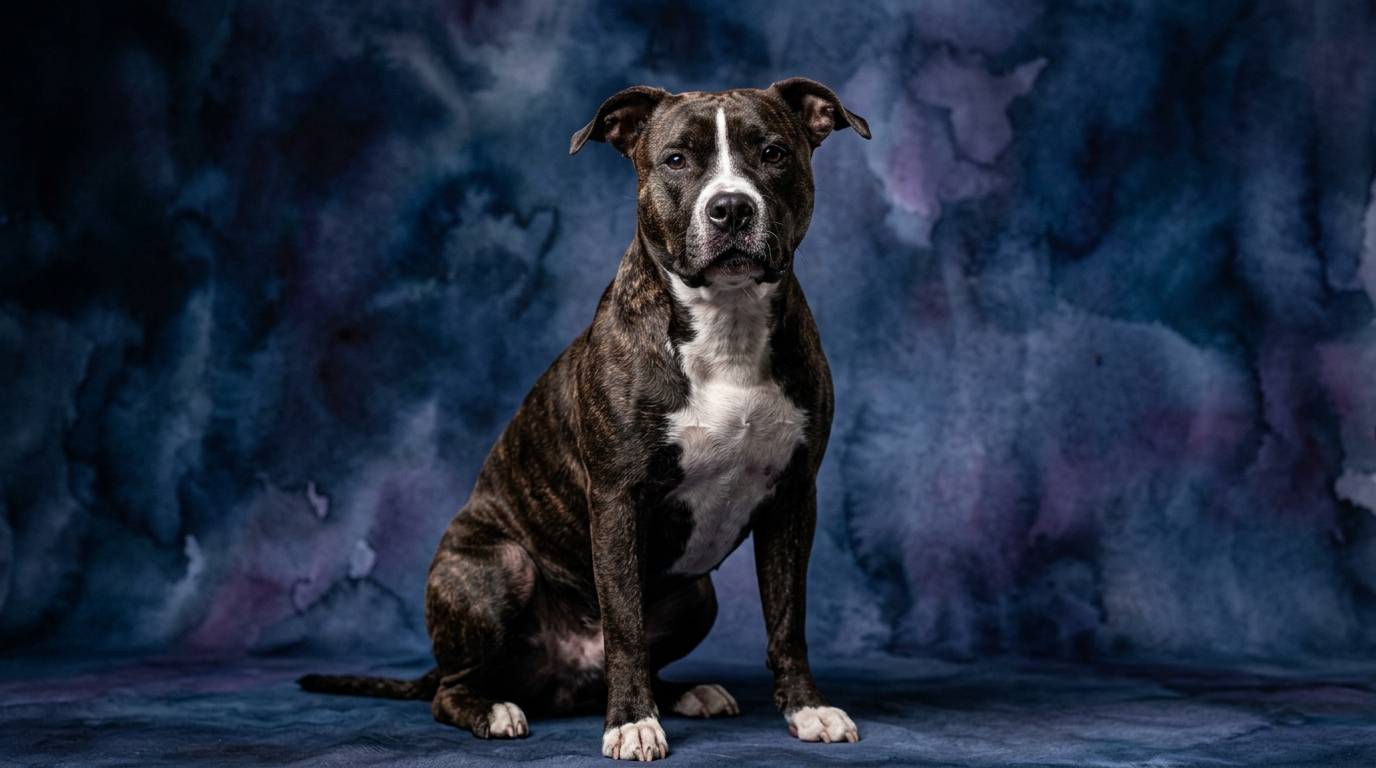
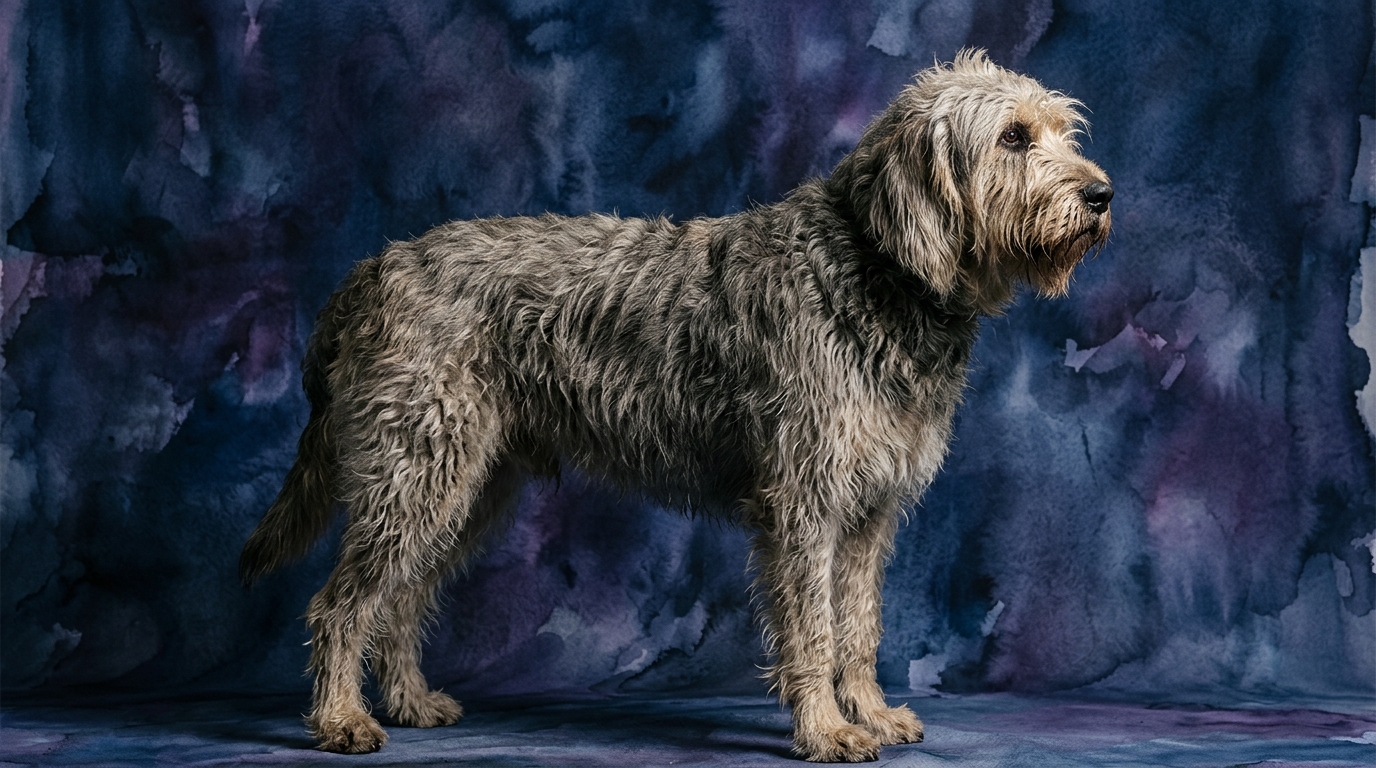
Side-by-Side IQ Profile
The American Staffordshire Terrier, often referred to as an AmStaff, registers on Coren's ranking at #48, indicating a notable capacity for understanding and executing commands. Their cognitive breakdown includes a Problem Solving score of 3/5, meaning they are adept at navigating moderate environmental challenges and can learn to overcome obstacles with thoughtful effort. Training Speed is also rated 3/5, suggesting a steady learning curve; they absorb new commands and routines effectively when taught with consistency and positive reinforcement. Social Intelligence stands at 3/5, reflecting their capacity to read human cues and form strong, perceptive bonds, though they benefit from early and diverse socialization to refine their interactions with various individuals and other animals. An Instinctive Drive of 3/5 indicates a moderate but present prey drive and protective inclination, which requires appropriate channeling through structured activities. Finally, their Memory is a strong 4/5, enabling them to retain learned behaviors and past experiences with impressive recall, making long-term habit formation more robust.
In contrast, the Otterhound, a distinctive scent hound, does not appear on Coren's ranking, which often reflects a focus on specialized, rather than broad, working intelligence. Across the board, the Otterhound scores 3/5 in every cognitive dimension. Their Problem Solving at 3/5 is often expressed in their tenacious ability to follow complex scent trails, demonstrating ingenuity in navigating varied terrains and obstacles for a specific sensory goal, rather than abstract puzzle-solving. Training Speed, also 3/5, means they learn at a consistent pace, though their independent hound nature and potent olfactory distractions can sometimes temper their immediate responsiveness. Social Intelligence, rated 3/5, describes a generally amiable and tolerant disposition, allowing them to integrate well into family life and group dynamics, although their primary focus can frequently be drawn to compelling scents over direct human interaction. An Instinctive Drive of 3/5 is profoundly centered on their powerful scenting ability, driving them to explore and track with remarkable endurance and single-mindedness. Their Memory, at 3/5, is adequate for retaining basic commands and routines, but may require more persistent reinforcement, especially when competing with the overwhelming allure of a fresh scent.
Where American Staffordshire Terrier Wins Cognitively
The American Staffordshire Terrier demonstrates a clear cognitive advantage in memory, earning a 4/5 compared to the Otterhound's 3/5. This elevated capacity for retention means an AmStaff typically solidifies learned behaviors and commands with greater speed and fewer repetitions, making the establishment of consistent routines more efficient for their owners. Their ability to recall past experiences and lessons effectively contributes to a more predictable and responsive companion over time. Furthermore, the AmStaff's inclusion on Coren's ranking at #48 points to a general cognitive versatility that often translates into a broader aptitude for various obedience and performance tasks. This ranking reflects a breed more readily inclined to understand and adapt to human-centric expectations, particularly those involving complex sequences of commands or problem-solving scenarios that rely on remembered patterns. This inherent ability to internalize and reproduce desired actions with greater fidelity provides the AmStaff with a tangible edge in structured learning environments and day-to-day responsiveness.
Where Otterhound Wins Cognitively
While the Otterhound does not surpass the American Staffordshire Terrier in any specific quantitative metric provided, its cognitive profile represents a triumph of specialized intelligence, particularly through its potent instinctive drive. Scoring a consistent 3/5 across all five dimensions—problem solving, training speed, social intelligence, instinctive drive, and memory—the Otterhound's intellect is profoundly integrated with its historical purpose: the pursuit of scent. Their problem-solving acumen, for instance, isn't typically seen in manipulating objects for treats, but rather in ingeniously deciphering and following intricate scent trails across challenging landscapes, demonstrating remarkable persistence and focus in their olfactory quests. Their social intelligence, while rated 3/5, fosters a generally genial and cooperative nature within a pack, essential for their historical hunting role, even if their nose can sometimes divert their attention from immediate human cues. The Otterhound's 'win' lies in this coherent, deep-seated specialization, where all cognitive faculties converge to create an unparalleled scenting machine. This breed excels when allowed to engage its highly refined sensory intelligence, showcasing a unique brilliance that transcends conventional obedience metrics.
Which Is Easier to Train and Why
Evaluating which breed presents an easier training experience necessitates a look beyond their identical 3/5 training speed scores, focusing on their other cognitive attributes and breed-specific tendencies. The American Staffordshire Terrier's superior memory, rated 4/5, offers a significant practical advantage; once an AmStaff has grasped a command or a desired behavior, they are generally more likely to retain it with fewer reinforcement sessions. Their 3/5 social intelligence also contributes positively, as they often strive to understand and comply with human expectations, especially when training is engaging, consistent, and reward-based. This combination typically results in a more straightforward and predictable training journey for the average owner. In contrast, while the Otterhound also scores 3/5 in training speed, their powerful instinctive drive (3/5) for scent work can introduce substantial challenges. A compelling scent in the environment can easily override their focus on human commands, making consistent recall, leash manners, or heel work more demanding to establish and maintain. Their memory, at 3/5, while adequate, suggests that new behaviors might require more persistent and repetitive reinforcement to become ingrained, particularly when competing with the formidable distractions their nose provides. Therefore, for general obedience and reliable responsiveness in varied environments, the AmStaff typically offers a more amenable training experience, benefiting from its stronger retention and generally more human-focused drive.
Which Suits Active Owners vs. Relaxed Owners
Both the American Staffordshire Terrier and the Otterhound are breeds that thrive with engaged, active owners, though the nature of that activity differs significantly, reflecting their distinct cognitive profiles and ancestral roles. The AmStaff, with its balanced 3/5 scores in problem-solving and instinctive drive, complemented by a strong 4/5 memory, flourishes under owners who can provide consistent, structured mental and physical engagement. Active owners who enjoy participating in dog sports, advanced obedience, agility, or consistent daily training sessions will find the AmStaff a highly rewarding and responsive partner, benefiting from their capacity for retention and eagerness to engage. A more "relaxed" owner who offers minimal stimulation might inadvertently encourage an AmStaff to develop their own, potentially destructive or undesirable, problem-solving projects out of boredom.
The Otterhound, while equally demanding of an active lifestyle, is best suited for owners who specifically appreciate and can facilitate its profound instinctive drive for scent work. Their endurance, coupled with their relentless desire to follow a trail, means they are ideal companions for owners who enjoy extensive outdoor activities such as long hikes, wilderness exploration, or participation in scent-specific disciplines like tracking or nose work. A more "relaxed" owner, who cannot accommodate the Otterhound’s inherent need to explore with its nose, might find the dog seeming perpetually distracted, restless, or less engaged in typical household routines. Their problem-solving (3/5) and instinctive drive (3/5) are intimately tied to their scenting ability, meaning fulfillment comes from engaging these specific cognitive strengths. Ultimately, both breeds require active, committed owners, but the AmStaff's versatility allows for a broader spectrum of structured activities, whereas the Otterhound particularly excels and finds contentment when its unique olfactory intelligence is consistently put to work.
The Verdict
Choose the American Staffordshire Terrier if you seek a versatile companion who excels at retaining training and thrives on structured mental and physical challenges, offering consistent responsiveness.
Opt for the Otterhound if you appreciate a unique hound with an unparalleled scent drive, perfect for owners who enjoy long outdoor adventures and engaging in scent-based activities.
🧠 Find Your Pet's IQ Score
Our Pet IQ Lab assessment covers 25+ tests across 5 cognitive dimensions — personalized to your breed.
Take the Full IQ Test →Frequently Asked Questions
Are American Staffordshire Terriers good family dogs?
Yes, with proper socialization and training, American Staffordshire Terriers can be devoted and affectionate family members. Their social intelligence (3/5) allows them to form strong bonds, and their desire to please, combined with good memory (4/5), means they respond well to consistent guidance within a family setting.
Do Otterhounds shed a lot?
Otterhounds possess a shaggy, double coat that is water-resistant, and while they do shed, it's generally considered moderate. Regular brushing helps manage their shedding and keeps their unique coat in good condition, preventing matting and distributing natural oils.
What kind of exercise do Otterhounds need?
Otterhounds require significant and consistent exercise, ideally involving long walks, hikes, or opportunities for off-leash exploration in secure areas where they can follow scents. Their instinctive drive (3/5) and endurance mean they thrive on activities that engage both their physical body and their powerful nose, making them excellent companions for active outdoor enthusiasts.