Side-by-Side IQ Profile: AmStaff vs. PLS
To truly understand the mental landscape of these two distinct breeds, The Cosmic Pet Pet IQ Lab employs a five-dimensional cognitive framework. This allows us to move beyond anecdotal observations and pinpoint specific strengths and areas where each breed might excel or require more tailored approaches. Let’s break down their profiles.
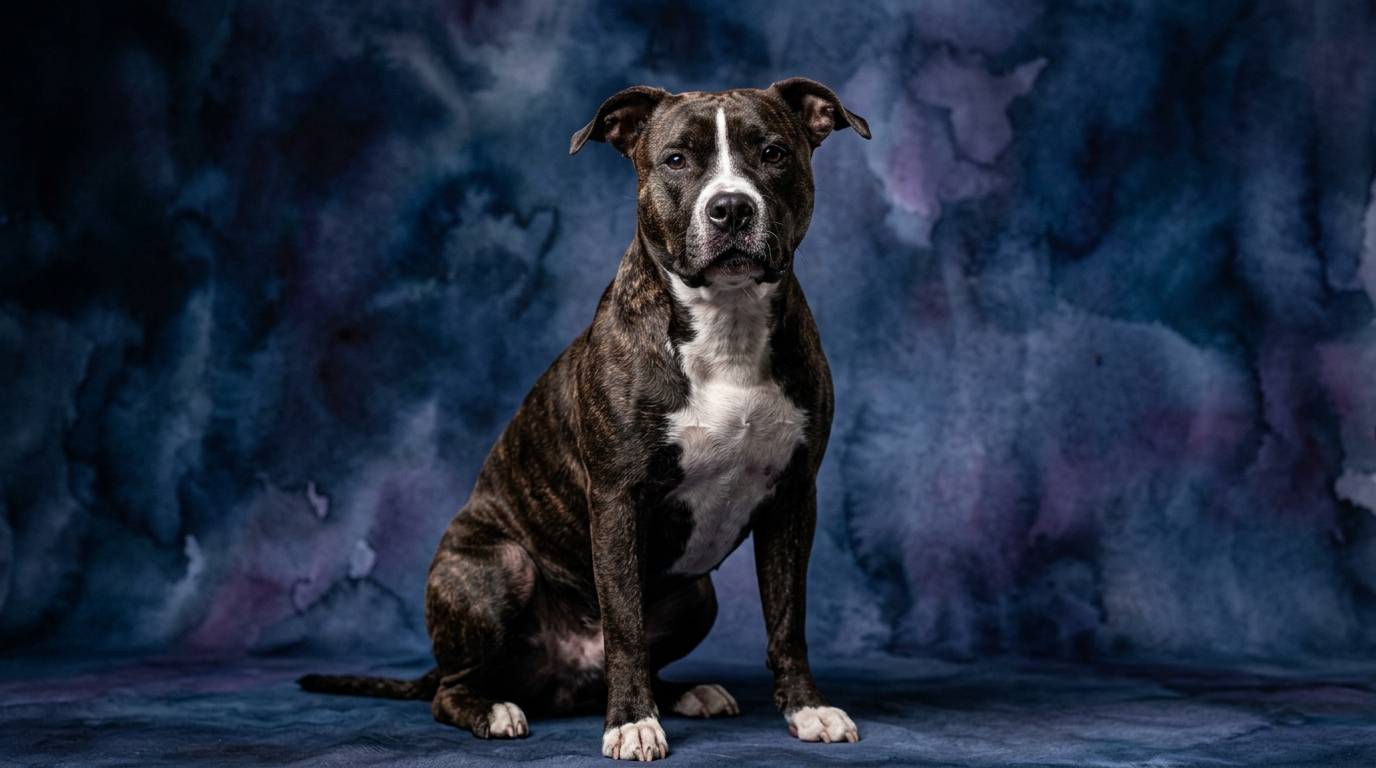
The American Staffordshire Terrier (AmStaff), a formidable member of the Terrier group, holds a Coren rank of #48, suggesting a solid, trainable intellect. Their Problem Solving is rated 3 out of 5, indicating a moderate capacity for navigating novel challenges, finding solutions through trial and error, and understanding complex sequences. They are not typically master strategists but can figure things out with persistence. Their Training Speed also scores 3 out of 5, meaning they learn new commands or behaviors at a moderate pace, receptive to consistent instruction but not instant learners. Social Intelligence, at 3 out of 5, points to a moderate ability to interpret human cues, understand social hierarchies, and adapt to varying social situations, enabling them to connect well with their families. Instinctive Drive, also 3 out of 5, reflects a moderate level of innate, hardwired behaviors, which for a Terrier often translates to a moderate prey drive or a tenacious approach to tasks. However, the AmStaff shines particularly brightly in Memory, boasting a solid 4 out of 5, suggesting excellent retention of learned behaviors, past experiences, and routines, remembering commands, people, places, and even specific situations with notable clarity.
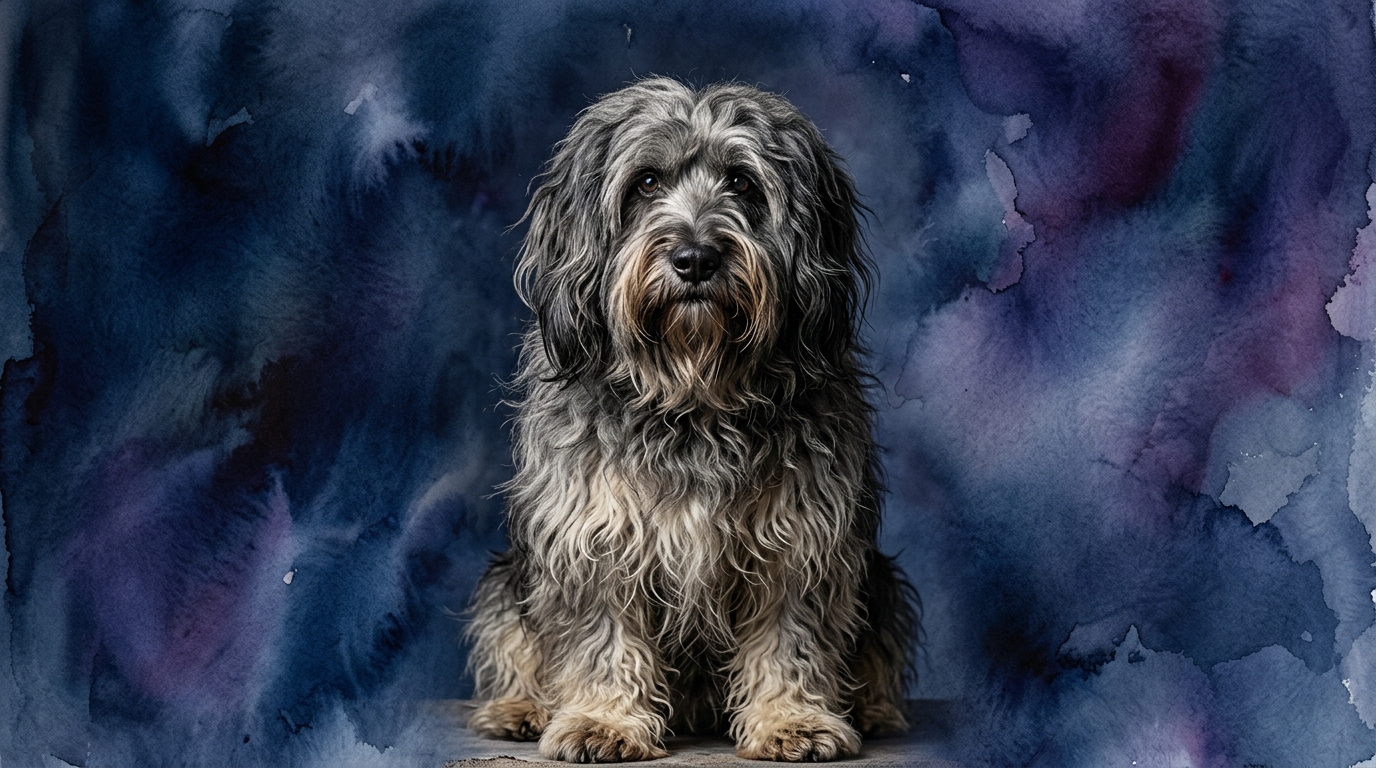
In contrast, the Polish Lowland Sheepdog (PLS), a Herding breed, is not currently Coren-ranked, yet possesses a distinctive cognitive makeup. Their Problem Solving mirrors the AmStaff at 3 out of 5, indicating a moderate ability to tackle new problems, often applying this in practical, real-world scenarios. Their Training Speed is also 3 out of 5, signifying a moderate pace for learning new tasks and requiring patient, consistent methods. Social Intelligence, similarly 3 out of 5, reflects a moderate capacity for understanding social dynamics, both human and canine, allowing them to form strong bonds but often displaying a degree of independence. The PLS’s Instinctive Drive, rated 3 out of 5, is crucially tied to their inherent herding tendencies—a strong, purposeful drive to gather and control. This isn't just a generic 'drive' but a very specific, complex set of behaviors. Their Memory, however, is rated 3 out of 5, indicating a moderate ability to recall past events, training, and routines; they learn and remember, but perhaps not with the exceptional clarity seen in the AmStaff.
Where the American Staffordshire Terrier Wins Cognitively
The most discernible cognitive advantage for the American Staffordshire Terrier lies squarely in its superior Memory, scoring 4 out of 5 compared to the Polish Lowland Sheepdog's 3 out of 5. This elevated recall capability translates into several practical benefits for AmStaff owners. An AmStaff is exceptionally adept at retaining learned commands and routines over long periods, meaning less refresher training is typically needed once a behavior is established. They are less likely to 'forget' house rules, boundary training, or specific tricks, making them highly reliable companions in a structured environment. This strong memory also allows them to quickly learn and navigate complex routes, remember the location of hidden toys, or anticipate daily schedules, contributing significantly to their consistency and ease of living within a family setting. Their ability to remember specific interactions and individuals also fosters deeper, more consistent bonds, as they reliably recall positive associations and the nuances of their human relationships.
Where the Polish Lowland Sheepdog Wins Cognitively
While many of their general IQ scores align with the AmStaff, the Polish Lowland Sheepdog's cognitive strengths manifest in a highly specialized and context-dependent manner, particularly within their ancestral purpose. Their Instinctive Drive, rated 3 out of 5, is not just a general trait but a sophisticated blueprint for livestock management. This drive encompasses intricate spatial reasoning – understanding how to move a flock, block escape routes, or gather stragglers – and a keen ability to read the subtle body language of animals. This specialized problem-solving, focused on dynamic, real-time environmental challenges, allows them to make independent decisions in the field, showcasing a unique cognitive prowess distinct from a terrier's tenacity. Even with a Problem Solving score of 3 out of 5, their application of this intelligence within a herding context demands a complex interplay of observation, prediction, and action that is a true cognitive 'win' in their specific domain. They excel at independent thought and initiative when presented with a task, a trait bred into them for working semi-autonomously, requiring a nuanced understanding of their environment and charges.
Which is Easier to Train and Why?
When evaluating ease of training, both breeds share a Training Speed score of 3 out of 5, suggesting they absorb new information at a similar, moderate pace. However, the American Staffordshire Terrier gains an edge due to its superior Memory (4/5). This means that while an AmStaff might take the same amount of time to initially grasp a command as a PLS, they are significantly more likely to retain that command over time, requiring fewer refreshers and exhibiting greater consistency. Their moderate Social Intelligence (3/5) often pairs with a general desire to please their human companions, making them cooperative and eager participants in training sessions, especially with positive reinforcement. They thrive on clear structure and consistent expectations, and their excellent recall makes proofing behaviors in various environments more straightforward.
The Polish Lowland Sheepdog, while equally capable of learning (3/5 Training Speed, 3/5 Social Intelligence), can present a different set of training considerations. Their herding background instills a strong independent streak; they were bred to make decisions without constant human supervision, which can sometimes be interpreted as stubbornness or a lack of immediate compliance in a pet setting. Their moderate memory means that while they learn, consistent reinforcement and periodic refreshers are crucial to solidify behaviors. PLS benefit immensely from patient, engaging training methods that respect their intelligence and independent nature, often responding best when they feel they are 'solving' a problem rather than merely obeying. Owners need to understand that their intelligence is geared towards purposeful work, and training should tap into this drive.
Which Suits Active Owners vs. Relaxed Owners?
Understanding their cognitive profiles helps align these breeds with suitable lifestyles. The American Staffordshire Terrier, with its moderate Instinctive Drive and Social Intelligence, proves to be a versatile companion. They thrive on interactive physical activity, enjoying games of fetch, brisk walks, or structured training sessions. Their strong memory and desire for companionship mean they are generally happy to settle down with their family after exercise, making them suitable for active owners who want a dog to participate in various family outings and activities, from hiking to dog sports. They need mental engagement to prevent boredom, but their cognitive needs are often met through consistent interaction, training, and exploring their environment with their people. They are well-suited for families who can provide consistent structure and companionship.
The Polish Lowland Sheepdog, however, presents a different challenge, primarily due to its strong herding-specific Instinctive Drive (3/5). This isn't just energy; it's a need for purposeful work and mental stimulation related to their ancestral role. A PLS will benefit immensely from owners who are prepared to engage this drive, whether through formal herding trials, agility, rally obedience, or even complex puzzle toys and long, varied walks that allow for ample sniffing and exploration. Their independent problem-solving nature means they need tasks to engage their minds, and a lack of appropriate outlets can lead to boredom and potentially undesirable behaviors like nipping at heels or 'herding' family members. Therefore, PLS are generally better suited for active owners who enjoy dog sports, outdoor adventures, and are committed to providing consistent, engaging mental and physical challenges. Owners seeking a more relaxed, sedentary companion might find the PLS's inherent needs too demanding.
The Verdict: When to Choose Each
The Verdict
Choose the American Staffordshire Terrier if you're seeking a highly loyal, adaptable companion with excellent recall, eager to participate in family life and varied activities, and thrives on consistent structure and companionship.
Opt for the Polish Lowland Sheepdog if you appreciate an independent thinker, are prepared to engage a dog's strong herding instincts with purposeful work, and can provide ample mental and physical challenges through dog sports or active outdoor pursuits.
🧠 Find Your Pet's IQ Score
Our Pet IQ Lab assessment covers 25+ tests across 5 cognitive dimensions — personalized to your breed.
Take the Full IQ Test →Frequently Asked Questions
Are American Staffordshire Terriers good family dogs?
With proper socialization and consistent training, AmStaffs can be wonderful family dogs. Their moderate social intelligence and strong memory allow them to form deep bonds and reliably integrate into household routines, thriving on companionship.
Do Polish Lowland Sheepdogs bark a lot?
Polish Lowland Sheepdogs can be quite vocal due to their herding instincts, using barks to control livestock or alert their family. Consistent training and providing appropriate outlets for their instinctive drive can help manage excessive barking.
How much exercise do these breeds need?
American Staffordshire Terriers require moderate daily exercise and mental stimulation to stay content. Polish Lowland Sheepdogs, with their strong working background, generally need more vigorous and purposeful exercise, often benefiting from activities that engage their herding drive, to satisfy their cognitive and physical needs.