Side-by-Side Cognitive Profiles
Delving into the Pet IQ Lab scores provides a granular view of each breed's mental landscape.
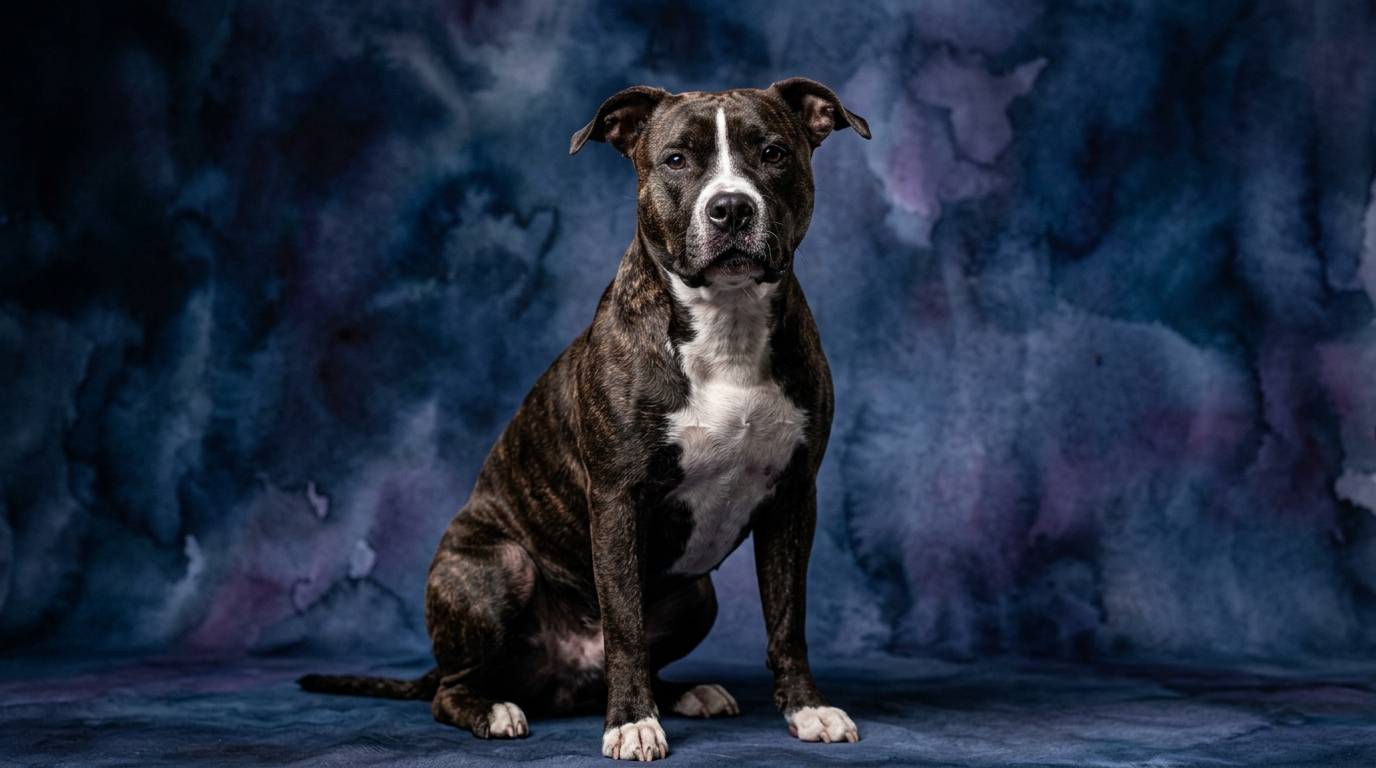
American Staffordshire Terrier (AmStaff):
Problem Solving (3/5): AmStaffs competently navigate new situations, learning effective strategies through experience and consistent guidance. Their approach is practical and direct, not always instantly creative.
Training Speed (3/5): They possess a solid capacity for learning, though new commands may require more repetition. Once grasped, concepts are retained well, indicating a steady acquisition process.
Social Intelligence (3/5): AmStaffs exhibit a well-rounded understanding of social cues, integrating effectively into family dynamics. Their interactions are confident and adaptable rather than overly sensitive.
Instinctive Drive (3/5): Instinctive drives, like prey or territoriality, are present but generally manageable. This moderate score allows for focused training and redirection without overwhelming urges.
Memory (4/5): AmStaffs have an impressive capacity to recall learned commands, routines, and experiences over time, contributing significantly to their reliability in established training.
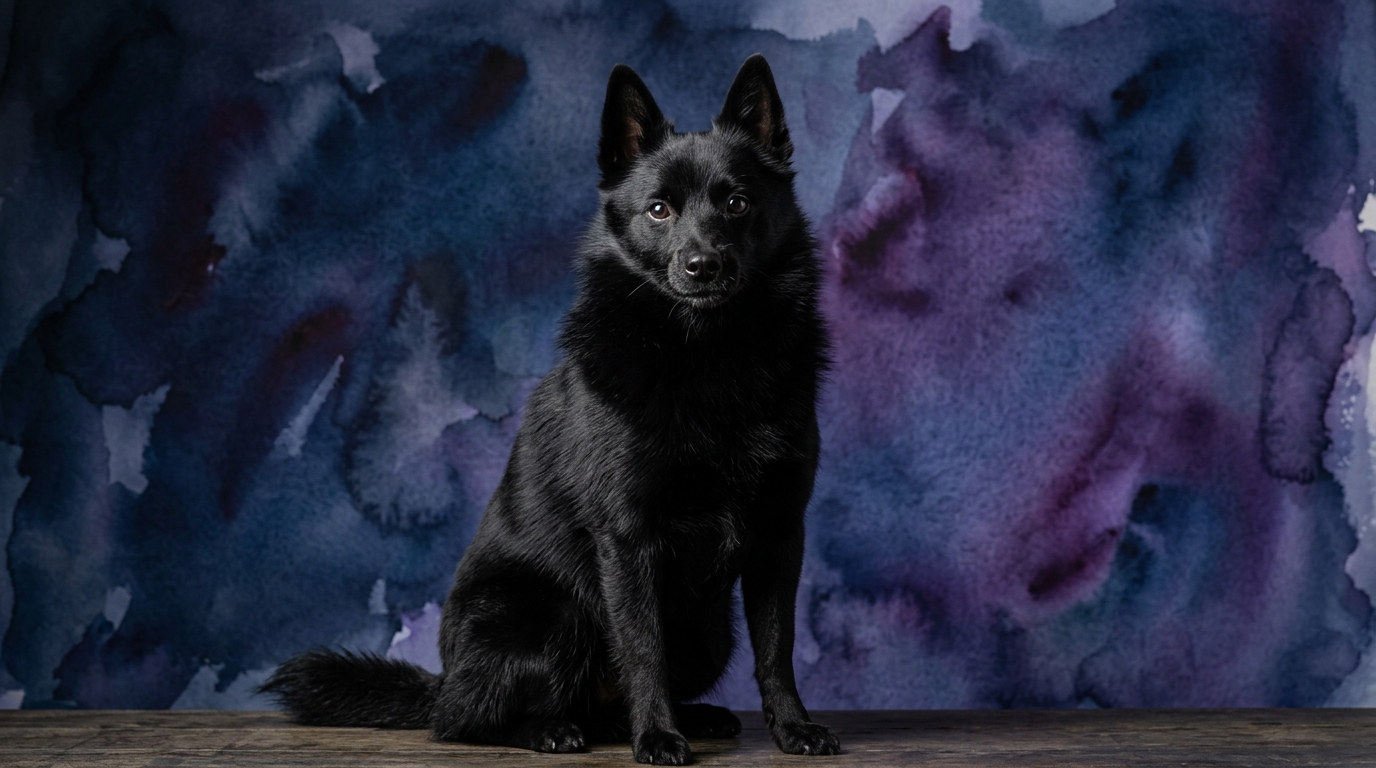
Schipperke:
Problem Solving (5/5): Schipperkes excel with exceptional problem-solving, adept at analyzing novel situations and devising creative solutions, whether for puzzles or environmental challenges.
Training Speed (5/5): This breed learns new commands and tasks with remarkable swiftness, often grasping concepts in just a few repetitions. Their eagerness and sharp faculties make them highly responsive to training.
Social Intelligence (3/5): Schipperkes possess a robust understanding of social dynamics, interpreting human moods and interacting effectively. Their social approach is watchful, independent, but ultimately loyal.
Instinctive Drive (3/5): Their instinctive drives, reflecting their vigilant barge dog history, are moderate. This suggests a natural alertness and some territoriality, typically well-balanced and responsive to guidance.
Memory (5/5): Schipperkes boast outstanding memory, retaining vast amounts of information about their environment, training, and experiences, ensuring consistent performance and long-term recall.
Where the American Staffordshire Terrier Excels Cognitively
While the Schipperke generally scores higher in raw cognitive metrics, the American Staffordshire Terrier's profile offers a distinct strength in its balanced application. An AmStaff's 4/5 memory, while not top-tier, is robust, ensuring deep retention of learned behaviors and routines, resulting in a reliable companion. Their 3/5 social intelligence and moderate instinctive drive often lead to a confident, adaptable dog, less prone to constant intellectual challenge-seeking or excessive independent problem-solving.
This balanced approach can be a cognitive 'win' for owners valuing a steadfast companion whose intelligence is expressed through loyalty, consistent behavior, and a sturdy, predictable nature. They are not dogs that constantly seek to outsmart their environment, but rather to integrate reliably within their established social structure, making them excellent anchors for a family.
Where the Schipperke Excels Cognitively
The Schipperke's cognitive profile clearly shines in several key areas, painting a picture of a remarkably sharp and agile mind. A perfect 5/5 in Problem Solving means extraordinary capacity for independent thought and creative solutions to complex situations, often surprising owners with their ingenuity in navigating challenges.
Their 5/5 Training Speed is unparalleled, allowing them to absorb new commands and elaborate routines impressively fast, making them excellent candidates for advanced obedience, agility, or trick training. Furthermore, their 5/5 Memory ensures deeply ingrained lessons and reliable recall, building a vast repertoire of skills. These combined strengths make the Schipperke a formidable intellectual powerhouse, constantly seeking mental engagement and thriving on challenges that leverage their sharp wits.
Training: A Tale of Two Speeds
When it comes to training ease, the Schipperke holds a distinct advantage, primarily due to its 5/5 Training Speed and 5/5 Problem Solving. This combination means they grasp new concepts almost instantly and actively enjoy the mental challenge, often eager to offer behaviors in anticipation of rewards. Their high problem-solving also allows them to generalize learned behaviors to new situations with minimal prompting, making them highly adaptable in varied training contexts.
In contrast, the American Staffordshire Terrier's 3/5 Training Speed suggests a more deliberate learning curve. While fully capable of mastering commands, they typically require more repetitions and a consistent, patient approach. Training is most effective when built on a foundation of trust and positive reinforcement, focusing on clarity and consistency rather than rapid-fire instruction. AmStaffs might not pick up a new trick in one session, but their 4/5 memory ensures that once learned, it sticks reliably for the long term.
Matching Cognitive Needs to Owner Lifestyles
For owners seeking a dynamic, mentally stimulating companion, the Schipperke is an excellent match. Their exceptional problem-solving and rapid learning thrive with consistent mental challenges, from puzzle toys to advanced dog sports like agility, obedience, or even scent work. A Schipperke without adequate mental engagement can become bored and channel their considerable intellect into less desirable behaviors, finding creative ways to entertain themselves. Their historical role as vigilant barge dogs also hints at an underlying alertness and a need for purpose, making them ideal for active individuals who enjoy interactive training and adventures.
The American Staffordshire Terrier, with its more balanced cognitive scores, offers versatility. While not a couch potato, their 3/5 problem solving and instinctive drive mean they are less likely to constantly demand complex mental exercises. They appreciate consistent routines and physical activity, such as long walks, fetching, or structured play, and can adapt well to a family lifestyle that includes both active outings and relaxed home time. Their 3/5 social intelligence makes them excellent family companions who enjoy being involved without needing to be the constant center of a mental circus, suiting owners who appreciate a strong, affectionate presence that is content with a good balance of activity and downtime.
The Verdict
Choose an American Staffordshire Terrier if you value a steadfast, loyal companion with a robust memory and a balanced, confident social intelligence that thrives on consistent routines and affectionate engagement. They are best for owners who appreciate a strong presence and are committed to patient, positive reinforcement training for a reliable, adaptable family member.
Opt for a Schipperke if you are an active, intellectually curious owner who relishes the challenge of training a highly intelligent, quick-witted dog capable of mastering complex tasks and enjoys providing constant mental stimulation. They are ideal for those seeking a small but mighty companion eager to engage in advanced dog sports and problem-solving activities.
🧠 Find Your Pet's IQ Score
Our Pet IQ Lab assessment covers 25+ tests across 5 cognitive dimensions — personalized to your breed.
Take the Full IQ Test →Frequently Asked Questions
Are Schipperkes challenging to live with due to their high intelligence?
Schipperkes are not inherently challenging but require consistent mental engagement to prevent boredom. Their high problem-solving and memory mean they need outlets for their intelligence, otherwise, they might create their own entertainment, which may not always align with owner preferences.
Do American Staffordshire Terriers need a lot of exercise for their mental well-being?
American Staffordshire Terriers benefit from regular physical exercise and consistent mental stimulation through training and play. While their cognitive demands aren't as intense as a Schipperke's, a balanced routine prevents boredom and supports their well-rounded temperament and adaptability.
How do their social intelligence scores impact their interactions with strangers?
Both breeds score 3/5 in social intelligence, suggesting they are capable of understanding social cues but may approach strangers with a degree of discernment rather than immediate effusiveness. Early, positive socialization is crucial for both to ensure they develop into confident, well-adjusted adults who interact appropriately with new people and environments.