Side-by-Side IQ Profile: AmStaff vs. Tibetan Terrier
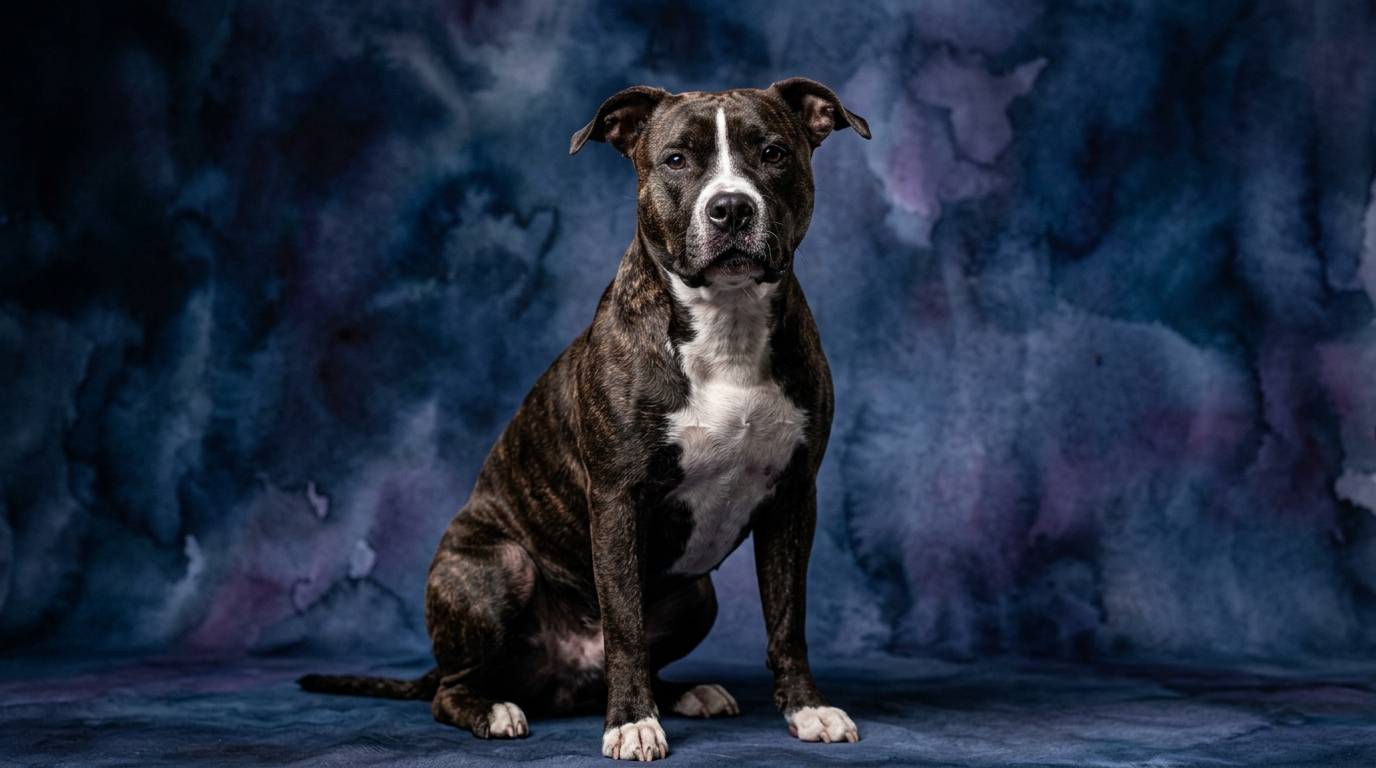
American Staffordshire Terrier (Coren Rank #48): This robust terrier displays a balanced cognitive profile with a notable strength in memory, positioning it comfortably in the upper-mid tier of canine intelligence rankings. Its Problem Solving is rated 3/5, indicating an aptitude for navigating practical challenges and finding solutions, though they may not always devise the most elegant or immediate answer. Training Speed also sits at 3/5, meaning they grasp new commands and routines at a moderate pace, consistently responding to clear, positive reinforcement. Social Intelligence, at 3/5, suggests they are adept at understanding and responding to human cues, body language, and social structures within their family unit, forming strong, loyal bonds. Their Instinctive Drive, also 3/5, points to a moderate inherent inclination towards their breed's original working purpose, manifesting as a desire for engagement and structured activity. The standout here is Memory at 4/5, signifying a strong ability to retain complex information, learned routines, and past experiences over extended periods, which greatly aids in long-term training.
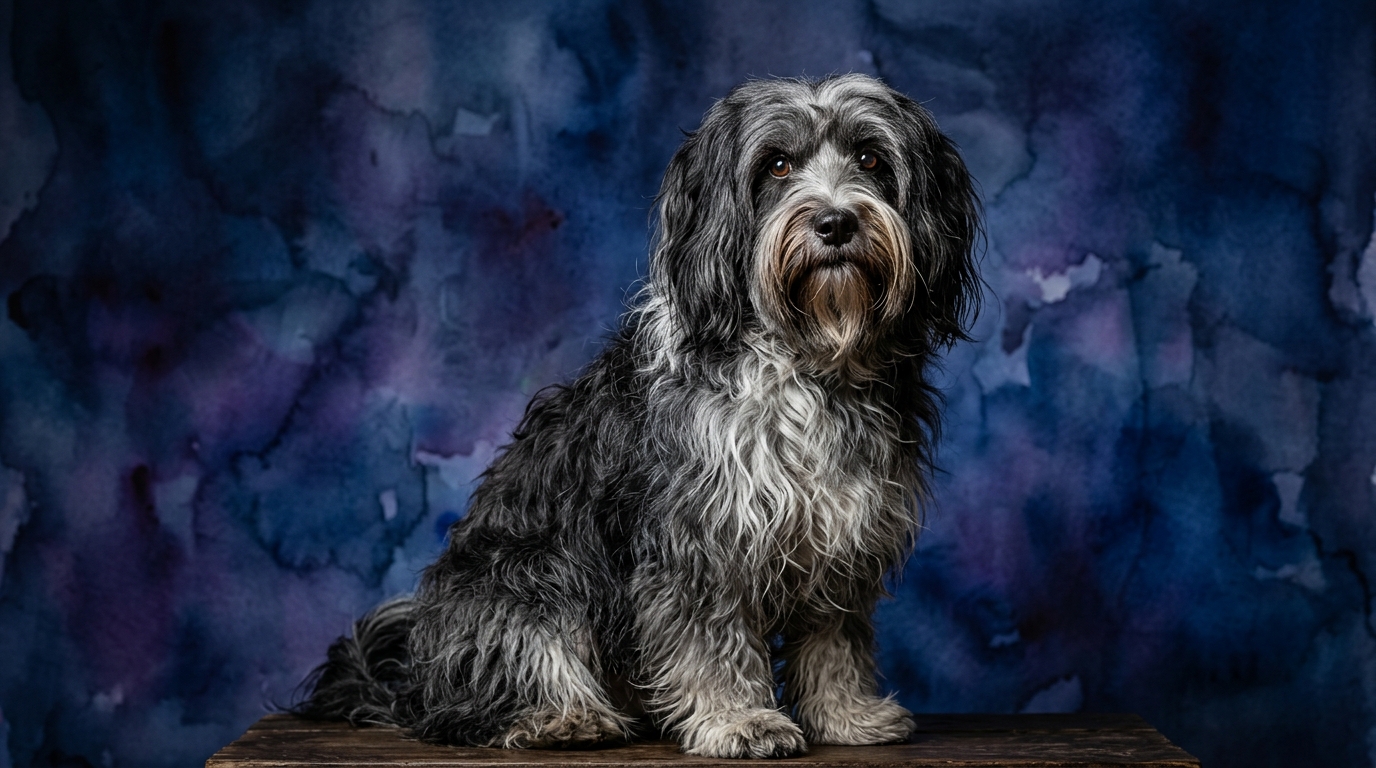
Tibetan Terrier (Coren Rank #63): Positioned slightly lower on the Coren ranking, the Tibetan Terrier presents a consistent cognitive landscape across most dimensions, often described as possessing a “thinking dog’s” mentality. Its Problem Solving is rated 3/5, similar to the AmStaff, reflecting a capacity to figure things out, frequently with an independent and sometimes inventive approach to obstacles. Training Speed is 3/5, meaning they learn new behaviors steadily but thrive on patience, engaging methods, and a sense of partnership rather than strict command. Social Intelligence, also 3/5, highlights their ability to connect deeply with people and understand subtle social cues, contributing to their reputation as sensitive and intuitive companions who are highly attuned to their family's moods. Their Instinctive Drive, 3/5, points to a moderate inherent inclination, perhaps tied to their historical role as companions and watchdogs, manifesting as alertness and a desire to be involved. Memory, however, is rated 3/5, suggesting a good but not exceptional recall, meaning regular refreshers and consistent practice can be beneficial for solidifying learned behaviors.
Where the American Staffordshire Terrier Shines Cognitively
The American Staffordshire Terrier’s cognitive strength truly lies in its superior memory, rated 4/5 compared to the Tibetan Terrier’s 3/5. This enhanced recall means an AmStaff is significantly more likely to remember complex command sequences, consistent training routines, and even specific positive or negative experiences with greater longevity and accuracy. For owners who wish to engage in advanced obedience competitions, intricate agility courses, or tasks requiring a substantial repertoire of learned behaviors, this stronger memory capacity can significantly streamline the learning process and reduce the need for constant re-training. Their higher Coren rank (#48 versus #63) further reinforces their capacity for understanding and executing commands efficiently, especially when their inherent drive and powerful physique are channeled into purposeful activities. This combination allows them to master and retain a wide array of skills, making them highly capable partners in structured tasks.
Where the Tibetan Terrier's Cognition Stands Out
While the Tibetan Terrier's individual cognitive scores largely mirror the AmStaff's (with the exception of memory), its problem-solving ability (3/5) and social intelligence (3/5) manifest distinctively within its non-sporting heritage. The Tibetan Terrier, historically a companion and protector in challenging, isolated environments, often employs its problem-solving skills with a unique blend of independence and adaptability. This might mean figuring out how to open a cabinet, navigate a complex obstacle in the home, or achieve a desired outcome through observation and trial-and-error, rather than direct instruction. Their social intelligence, while rated the same, often translates into a keen sensitivity to their family's emotional states, allowing them to offer comfort or companionship in profoundly nuanced ways. This breed's intellect frequently shines in its capacity to navigate complex household dynamics, adapt to various social situations, and form deep, empathetic connections, making them remarkably attuned and intuitive family members rather than simply command-followers.
Ease of Training: A Behavioral Perspective
When comparing ease of training, the American Staffordshire Terrier generally presents a more straightforward path for many owners due primarily to its superior memory (4/5) and higher Coren rank. While both breeds share a 3/5 rating for training speed, the AmStaff's stronger recall means commands, once learned, are more likely to stick without extensive refreshers, building a solid foundation quickly. Their instinctive drive, also 3/5, when channeled correctly through engaging activities and positive reinforcement, can make them eager and enthusiastic participants in structured training sessions, responding well to clear expectations and consistent leadership. The Tibetan Terrier, with its 3/5 memory and independent problem-solving style, can be equally trainable but often requires a more patient, creative, and consistent approach, sometimes displaying a “what’s in it for me?” attitude. They might occasionally choose to “think for themselves” or require more repetitions to solidify a command, reflecting their historical role as independent companions rather than highly obedient working dogs. Their inherent sensitivity means harsh or inconsistent methods are counterproductive, demanding positive reinforcement, engaging techniques, and a strong relationship built on trust to encourage their full participation.
Suiting Active vs. Relaxed Owners
For active owners seeking a canine partner for demanding physical and mental activities, the American Staffordshire Terrier often proves to be an excellent match. Their balanced instinctive drive (3/5), combined with robust physical capabilities and a strong memory for complex routines, makes them exceptionally well-suited for activities like advanced obedience, agility, flyball, or even certain working roles that demand focus and stamina. They thrive on having a purpose, structured engagement, and opportunities to channel their energy and cognitive abilities into productive outlets, enjoying challenges that test both their body and mind. On the other hand, the Tibetan Terrier, while capable of enjoying brisk walks and playful romps, typically suits owners who appreciate a companion with a moderate activity level and a rich inner life. Their social intelligence and adaptability make them wonderful family dogs, comfortable with a blend of structured activity and relaxed companionship. They don't demand constant high-intensity exercise but greatly benefit from regular mental stimulation, puzzle toys, and consistent interaction, fitting well into both active family life and more tranquil home environments where their charming independence can flourish.
The Verdict
Opt for an American Staffordshire Terrier if you value robust memory for complex training, enjoy engaging in structured activities, and seek a powerful companion who thrives on purpose and consistent guidance.
Select a Tibetan Terrier if you appreciate a sensitive, adaptable companion with an independent streak, value nuanced social interactions, and prefer a moderate activity level combined with mental stimulation.
🧠 Find Your Pet's IQ Score
Our Pet IQ Lab assessment covers 25+ tests across 5 cognitive dimensions — personalized to your breed.
Take the Full IQ Test →Frequently Asked Questions
Does the Coren rank directly indicate overall intelligence?
The Coren rank primarily assesses a breed's working and obedience intelligence, reflecting how quickly they learn and obey commands. It's a useful metric for specific cognitive functions but doesn't encompass all aspects of canine intelligence, such as problem-solving in novel situations or social-emotional acuity.
How does "instinctive drive" impact a dog's daily life?
Instinctive drive refers to a dog's inherent tendencies related to its breed's original purpose, such as herding, guarding, or retrieving. A moderate drive (3/5) suggests these instincts are present but manageable, influencing their natural curiosities and requiring appropriate outlets to prevent frustration or unwanted behaviors.
Can a dog's intelligence improve with training?
Consistent, positive training and mental enrichment can significantly enhance a dog's cognitive performance and adaptability. While innate capacities (like memory or problem-solving potential) are breed-specific, engagement helps dogs learn to utilize their existing intelligence more effectively and develop new skills.