Side-by-Side IQ Profile
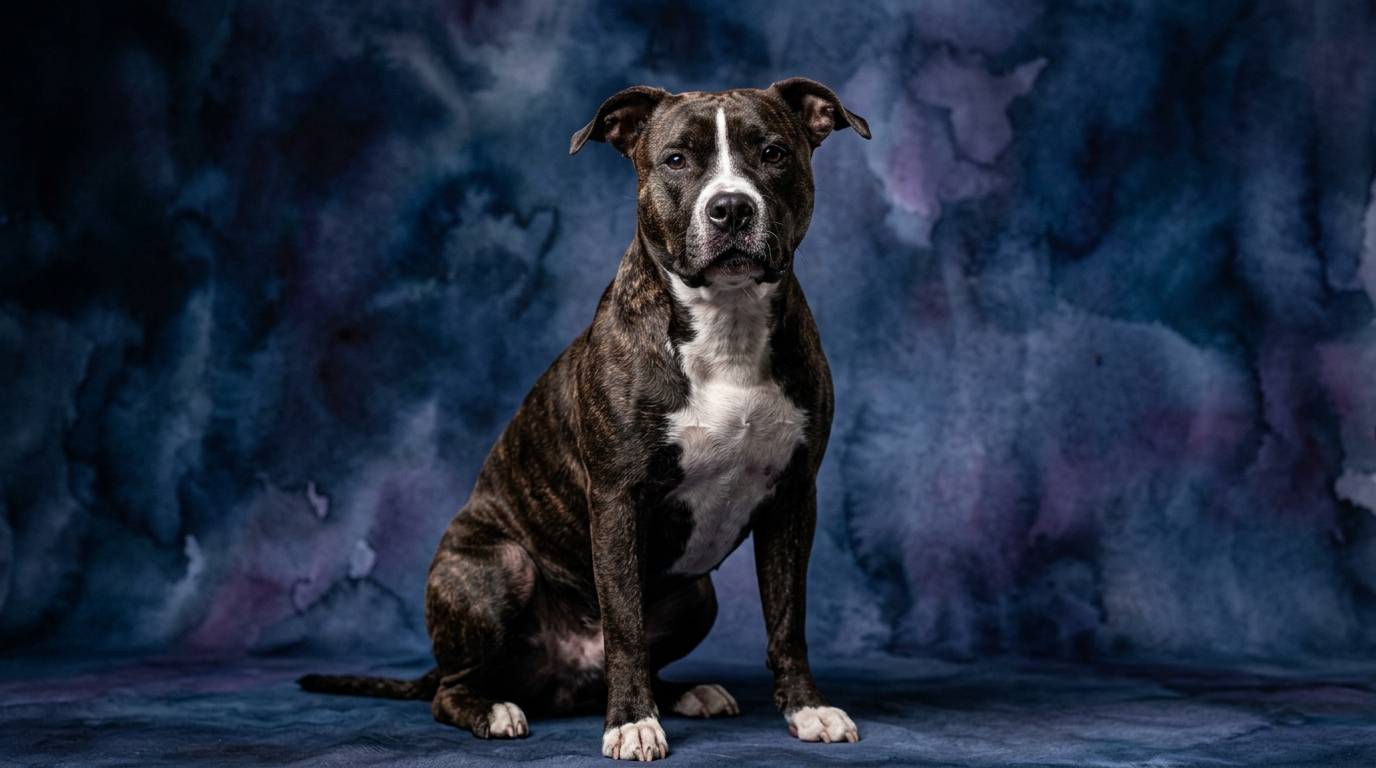
The Cosmic Pet Pet IQ Lab provides a unique framework for understanding canine cognition across five key dimensions. For the American Staffordshire Terrier, this breed, ranked #48 by Coren for obedience and working intelligence, shows a balanced yet distinct cognitive blueprint. Their Problem Solving is rated 3/5, indicating a solid capacity for navigating new challenges and figuring out solutions, often through observation and trial-and-error, but they may not always seek novel approaches without guidance. Training Speed also sits at 3/5, meaning they learn new commands and routines at a moderate pace, requiring consistent and engaging methods to solidify understanding. Social Intelligence is 3/5, reflecting an average understanding of social cues and interactions, capable of forming strong bonds and interpreting human emotions, though sometimes with an independent streak. Their Instinctive Drive is 3/5, exhibiting a moderate level of inherent drives, including prey drive and protection instincts, which can be channeled effectively with proper training and socialization. A notable strength is their Memory, scoring 4/5, showing a remarkable ability to retain learned behaviors, commands, and experiences over time, making previously taught lessons relatively easy to recall.
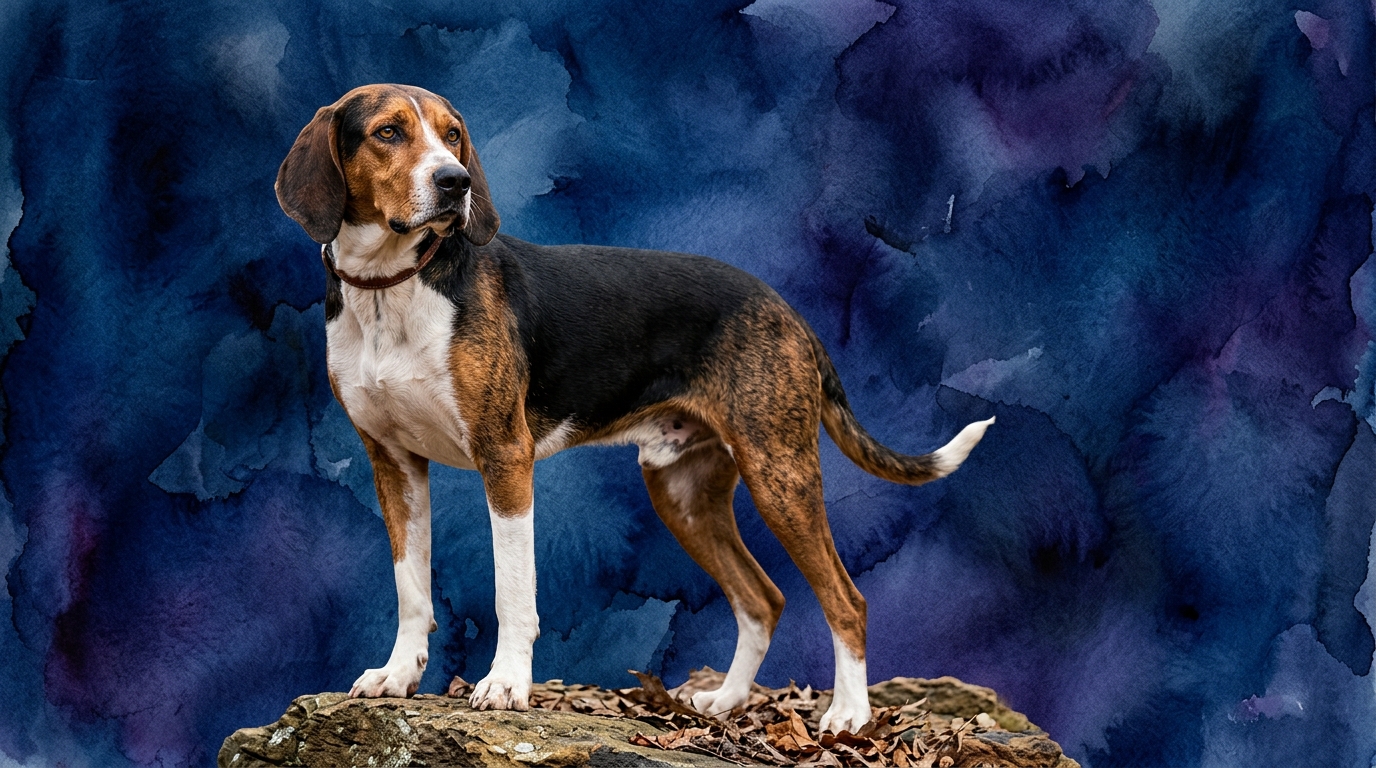
The Treeing Walker Coonhound, while not Coren-ranked—a common situation for many working hounds whose specialized intelligence doesn't align with obedience-focused methodologies—presents a cognitive profile that is highly specialized. Their Problem Solving is 3/5, indicating they are capable of solving problems, particularly those related to tracking and hunting, often relying on keen senses and persistence rather than abstract reasoning; their solutions are frequently practical and goal-oriented. Training Speed is 3/5, meaning they learn at a moderate pace, but their independent nature and strong focus on scent can sometimes make them appear slower to grasp human-centric commands, requiring patience and high-value rewards. Social Intelligence is 3/5, exhibiting a moderate capacity for social understanding, typically friendly and amiable with humans and other dogs, though their primary focus might shift to a scent trail rather than social cues in certain environments. Their Instinctive Drive is a formidable 3/5, primarily centered around scenting, tracking, and treeing game; this drive is a powerful motivator shaping much of their cognitive engagement with the world. Memory is rated 3/5, demonstrating a solid memory for scent trails and learned hunting routines, but general obedience recall might require more reinforcement compared to breeds with higher scores in this dimension.
Where American Staffordshire Terrier Wins Cognitively
The American Staffordshire Terrier holds a distinct cognitive edge in memory, scoring a 4/5 compared to the Treeing Walker Coonhound's 3/5. This superior recall means an AmStaff is often quicker to solidify learned commands and retains them for longer periods, translating to fewer repetitions during training and greater reliability in commands over time. Their memory also contributes to adaptability, allowing them to learn and adjust to various environments and routines more seamlessly. This strong memory is a cornerstone of their general trainability and their capacity to excel in diverse dog sports, from obedience to agility, where remembering complex sequences is paramount. While both breeds share similar scores in problem-solving and training speed, the AmStaff's enhanced memory provides a foundational advantage, making the application of those skills and the retention of training quicker and more durable.
Where Treeing Walker Coonhound Wins Cognitively
While the Treeing Walker Coonhound's numerical scores are largely similar or slightly lower, its cognitive strength lies in the *specialization* of its instinctive drive (3/5), which is extraordinary in its intensity and effectiveness for scent work. Their problem-solving abilities (3/5) are uniquely geared towards unraveling complex scent puzzles, demonstrating incredible persistence and logical deduction in following a trail. This isn't abstract reasoning, but a highly evolved form of practical intelligence: discriminating between countless smells, interpreting their age and direction, and ignoring distractions. Their memory (3/5), while general, is exceptional for scent patterns and terrain mapping related to their hunt. For a TWC, the world is a tapestry of smells, and their brain is wired to interpret it with a depth that far surpasses most breeds. This specialized cognitive ability makes them masters of their domain, showcasing intelligence deeply intertwined with their breed purpose.
Which is Easier to Train and Why
When assessing ease of training, the American Staffordshire Terrier generally presents a more straightforward experience for the average owner. Both breeds share a "Training Speed" score of 3/5, indicating a moderate learning pace. However, the AmStaff's superior "Memory" score of 4/5 gives it a significant advantage, meaning learned commands are retained with fewer refreshers, leading to more consistent and reliable responses. Their social intelligence (3/5), combined with a history of working closely with humans, often translates into a higher desire to please and greater focus during training. In contrast, the Treeing Walker Coonhound, while equally capable, often faces unique challenges due to its powerful "Instinctive Drive" (3/5) towards scent work and its independent nature. Their attention can be easily diverted by interesting smells, making sustained focus on human-centric commands difficult, especially in stimulating environments. While not untrainable, overcoming their ingrained drive requires immense patience, creativity, and high-value rewards to compete with compelling scents. Therefore, for general obedience and adaptability to various disciplines, the AmStaff's cognitive profile, particularly its memory, makes it the comparatively easier breed to train.
Which Suits Active Owners vs Relaxed Owners
Both the American Staffordshire Terrier and the Treeing Walker Coonhound thrive with active engagement, meaning neither is ideal for a truly sedentary owner. However, their activity needs manifest differently, suiting distinct types of active owners. The American Staffordshire Terrier, with its balanced instinctive drive (3/5) and robust physical capabilities, suits an owner seeking a versatile companion for diverse activities like vigorous walks, hikes, structured play, and dog sports. Their cognitive profile benefits from mental stimulation alongside physical exercise, appreciating a "job" such as learning new tricks or puzzle toys. An AmStaff owner needs to provide daily physical activity and consistent mental challenges. The Treeing Walker Coonhound, conversely, is best for an owner whose activity revolves around their breed's specialized instinctive drive. Their primary passion is following a scent, and this drive (3/5) is incredibly powerful, requiring extensive opportunities to engage their nose through hunting, scent work, tracking sports, or long, exploratory walks. While calm indoors after sufficient exercise, their daily need for highly specific mental and physical engagement is non-negotiable. For a truly relaxed owner, both breeds would likely become frustrated; however, the TWC's focused, high-endurance scent drive demands a particular kind of active engagement that differs from the AmStaff's more general athleticism.
The Verdict
Choose an American Staffordshire Terrier if you're seeking a versatile, trainable companion who excels in diverse activities and thrives on consistent mental and physical engagement, appreciating their reliable memory for learned behaviors. They are an excellent fit for owners who enjoy structured training, dog sports, and a dog that readily integrates into various family routines.
Opt for a Treeing Walker Coonhound if you are an active individual passionate about scent work, hunting, or providing dedicated outlets for a dog's profound instinctive drive, understanding that their independent nature and powerful nose require a specific approach to training and exercise. They are perfect for those who appreciate a specialized canine partner with incredible endurance and a deep connection to the natural world.
🧠 Find Your Pet's IQ Score
Our Pet IQ Lab assessment covers 25+ tests across 5 cognitive dimensions — personalized to your breed.
Take the Full IQ Test →Frequently Asked Questions
Are American Staffordshire Terriers good family dogs?
Yes, with proper socialization and training from a young age, American Staffordshire Terriers can be devoted and affectionate family members. Their social intelligence (3/5) and desire for companionship mean they thrive on being included in family activities, though their robust nature means supervision around very young children is always wise.
Do Treeing Walker Coonhounds bark a lot?
Treeing Walker Coonhounds are known for their distinctive "bay" and can be quite vocal, especially when on a scent trail or when excited. This vocalization is part of their instinctive drive (3/5) and serves a purpose in their traditional role, so potential owners should be prepared for their expressive nature.
How much exercise do these breeds need daily?
Both breeds require significant daily exercise. An American Staffordshire Terrier benefits from at least 60-90 minutes of vigorous activity, including walks, playtime, and mental challenges. A Treeing Walker Coonhound needs similar durations but with a strong emphasis on opportunities to use their nose, such as long exploratory walks or scent games, to satisfy their powerful instinctive drive.