Side-by-Side Cognitive Profiles
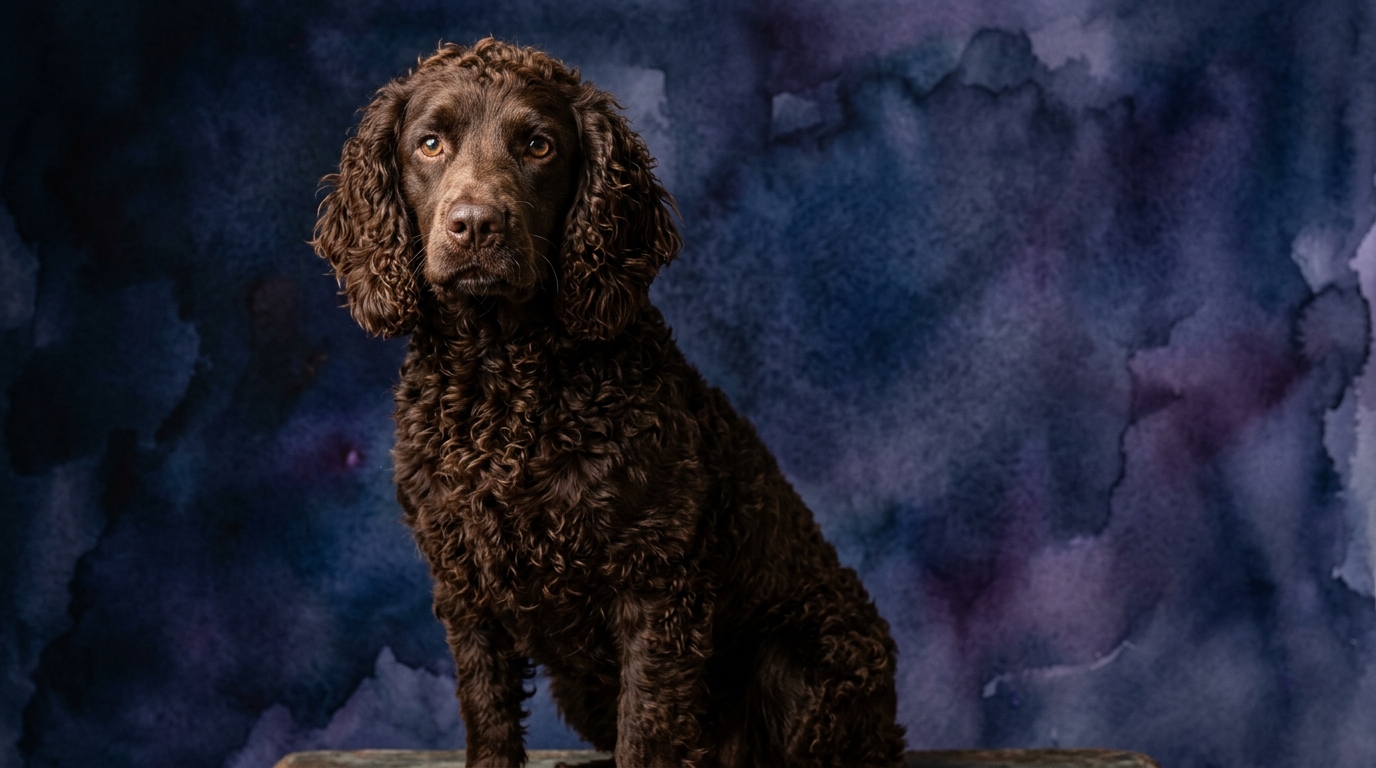
The American Water Spaniel, a Sporting Group member, is ranked #44 in Coren's list of working and obedience intelligence, reflecting a breed generally more inclined towards understanding and executing human commands. Its cognitive profile is shaped by centuries of collaborative hunting. For problem-solving, the AWS scores 3/5, indicating a solid capacity to navigate moderately complex situations, particularly those involving retrieving game or finding pathways in diverse terrains. Its training speed also sits at 3/5, meaning it learns new tasks and cues at a consistent, moderate pace, typically responding well to clear instruction and positive reinforcement. Social intelligence for the AWS is 3/5; these dogs are generally attuned to human moods and social cues, fostering strong, responsive partnerships. Their instinctive drive, rated 3/5, is geared towards their heritage as retrievers and water dogs, manifesting as a balanced eagerness for activity and work. Critically, the AWS excels in memory with a 4/5 score, demonstrating a robust ability to recall learned commands, past experiences, and complex routines, which is invaluable for intricate field work and consistent obedience.
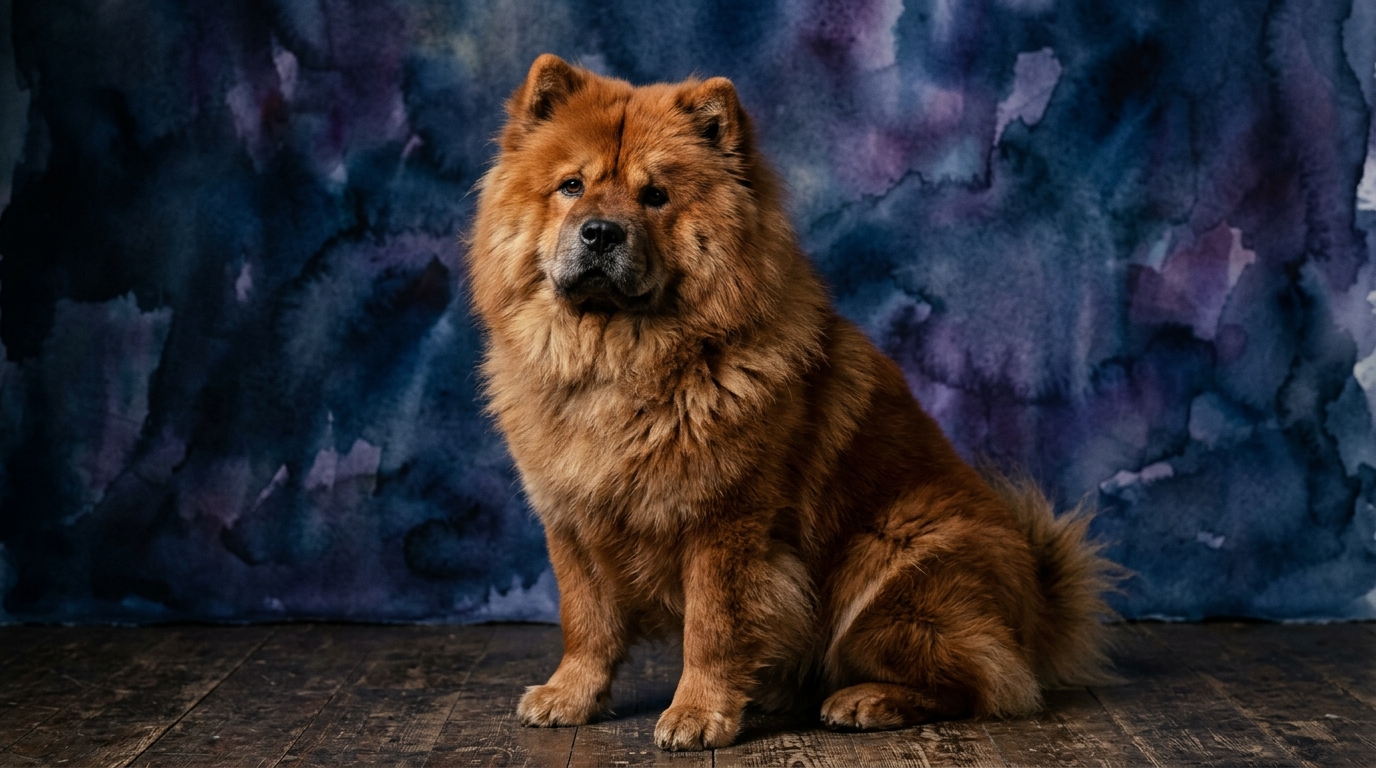
In contrast, the Chow Chow, hailing from the Non-Sporting Group, holds a Coren rank of #76, which suggests a more independent and less consistently compliant approach to human-directed tasks. Its ancient lineage as a guardian and companion in China has forged a different set of cognitive priorities. The Chow Chow also scores 3/5 for problem-solving, but this often manifests as an independent ability to assess situations and make decisions on its own terms, rather than seeking human guidance for solutions. Its training speed is likewise 3/5, meaning it can learn, yet this process often requires significant patience and motivation, as the Chow's self-reliant nature can lead to a perceived stubbornness or disinterest in repetitive drills. Social intelligence for the Chow Chow is also 3/5; they are observant and understand social dynamics, but typically choose to engage on their own terms, leading to their characteristic reserved and dignified demeanor. The instinctive drive is 3/5, strongly rooted in their historical role as guardians, focusing on vigilance, territoriality, and protection rather than active pursuit. Finally, the Chow Chow's memory is 3/5; they remember experiences and learned behaviors, but their independent streak means they may not always choose to demonstrate that recall when prompted, especially if they deem the task irrelevant or beneath them.
Where the American Water Spaniel Wins Cognitively
The American Water Spaniel's distinct cognitive advantage lies primarily in its superior memory and its overall disposition towards cooperative tasks, reflected in its higher Coren rank. With a 4/5 memory score, the AWS retains information more effectively and over longer periods than the Chow Chow. This translates into more reliable recall of complex command sequences, better retention of learned boundaries, and a quicker mastery of new skills without constant re-training. For an owner, this means a more consistent and predictable companion in terms of obedience and learned behaviors. While both breeds share a 3/5 in training speed, the AWS's higher memory and intrinsic drive for partnership make its training journey generally smoother and more rewarding for tasks that require human direction. Their social intelligence, while rated the same, often manifests as a greater eagerness to please and work alongside their human, enhancing their trainability and responsiveness in collaborative ventures like hunting or agility sports. The AWS's problem-solving, though rated 3/5 like the Chow, is typically applied to tasks that benefit human endeavors, such as navigating complex cover to retrieve game, rather than independent decision-making against human instruction.
Where the Chow Chow Wins Cognitively
The Chow Chow's cognitive strengths are rooted in its self-sufficiency and discerning nature, qualities that served it well as a guardian. While its problem-solving is rated 3/5, this often translates to a nuanced ability to assess its environment and react independently, without needing constant human input. A Chow Chow might excel at determining the most effective way to patrol its territory or decide when a perceived threat warrants a vocal warning versus a more assertive stance, based on its own judgment rather than a set of pre-programmed commands. Its instinctive drive, also 3/5, is profoundly tied to its protective instincts, fostering a sharp awareness of its surroundings and a steadfast loyalty to its family. This isn't about active pursuit but rather a deep-seated vigilance and a capacity for independent thought in safeguarding its home. Their social intelligence, though rated 3/5, allows them to be astute observers of human behavior and household dynamics, enabling them to understand their place and role within the family without necessarily displaying effusive affection or constant engagement. This reserved intelligence means they often process information internally and act with a quiet confidence, making them exceptional at being watchful sentinels.
The Chow Chow’s cognitive profile is less about rapid learning of varied human-directed tasks and more about a profound, independent understanding of its core purpose. Their memory (3/5) is sufficient for retaining crucial information related to their protective duties and established routines, even if they don't always demonstrate it on demand for less vital tasks. This breed's specific cognitive wins are in their ability to operate with a degree of intellectual autonomy, making decisions that align with their ingrained protective instincts, and maintaining a dignified, self-possessed demeanor.
Which is Easier to Train and Why
When it comes to ease of training, the American Water Spaniel generally presents a more straightforward experience for most owners. Their Coren rank of #44 places them significantly higher in working and obedience intelligence, indicating a greater inherent desire to understand and comply with human directives. The AWS was specifically bred to be a partner in the field, requiring them to be attentive, responsive, and willing to work collaboratively. Their 4/5 memory score ensures that once a command is learned, it is retained effectively, reducing the need for constant repetition. This breed's instinctive drive (3/5) is geared towards active engagement and retrieving, which makes them naturally receptive to training methods that involve play, rewards, and working towards a shared goal. They are often eager to please and find satisfaction in performing tasks for their human companions.
The Chow Chow, with its Coren rank of #76, represents a more challenging training prospect due to its profound independence and self-reliant nature. While their problem-solving and training speed are rated 3/5, their execution often hinges on their own motivation and assessment of the task's value. A Chow Chow may understand a command perfectly but choose not to execute it if it doesn't align with their perceived interests or if they are feeling particularly aloof. Their instinctive drive (3/5) is focused on guardianship and territoriality, not active collaboration, meaning they are less inclined to perform repetitive drills purely for human approval. Training a Chow Chow requires immense patience, consistency, and a deep understanding of their unique personality. Early and consistent socialization is paramount to channel their protective instincts positively. Owners must find ways to make training engaging and rewarding on the Chow's terms, often through positive reinforcement and by building a trusting relationship where the dog respects, rather than merely obeys, its human.
Which Suits Active Owners vs. Relaxed Owners
The American Water Spaniel is an excellent match for active owners who relish outdoor adventures and enjoy engaging their dogs in various activities. Their balanced instinctive drive (3/5) for work, coupled with their responsive social intelligence (3/5) and strong memory (4/5), means they thrive with consistent mental and physical stimulation. Owners who enjoy hiking, retrieving games, dog sports like agility or dock diving, or even hunting, will find a willing and capable partner in the AWS. They require regular exercise to prevent boredom and channel their energy constructively. An AWS will appreciate an owner who is committed to ongoing training, not just for basic obedience but for more advanced tasks that tap into their cognitive capabilities and desire for partnership.
Conversely, the Chow Chow tends to be a better fit for more relaxed owners who appreciate a dignified, independent, and generally less demanding companion in terms of constant physical activity. While they still require regular, moderate exercise to stay healthy, their activity needs are typically lower than those of a Sporting breed. Owners who prefer quiet evenings at home, short walks, and a watchful companion rather than a constant playmate may find the Chow Chow appealing. However, 'relaxed' does not equate to 'hands-off' when it comes to training and socialization. A Chow Chow owner must be dedicated to early, firm, and consistent guidance to manage their strong protective instincts and independent temperament. They suit owners who understand and respect their reserved nature, appreciate a bond built on mutual respect rather than effusive demonstrations, and are prepared to invest in ongoing socialization to ensure they are well-adjusted.
The Verdict
Choose the American Water Spaniel if you desire a highly cooperative, trainable partner for active pursuits and complex tasks, valuing consistent obedience and a strong working bond. Their superior memory and willingness to collaborate make them a rewarding choice for those committed to engagement.
Opt for the Chow Chow if you appreciate a dignified, independent, and watchful companion, valuing a reserved bond and a dog capable of making its own assessments. Be prepared for a training journey that requires patience, understanding, and a respect for their unique, self-reliant intelligence.
🧠 Find Your Pet's IQ Score
Our Pet IQ Lab assessment covers 25+ tests across 5 cognitive dimensions — personalized to your breed.
Take the Full IQ Test →Frequently Asked Questions
Are Chow Chows truly difficult to train?
Chow Chows are not inherently unintelligent, but their independent and discerning nature can make training more challenging. They learn at a moderate pace (3/5 training speed) but often require significant motivation and patience, as they may choose not to perform tasks if they don't see the value. Consistency and positive reinforcement are key to building a respectful working relationship.
Does the American Water Spaniel require a lot of mental stimulation?
Yes, the American Water Spaniel, with its Sporting background and strong memory (4/5), thrives on mental stimulation. They benefit greatly from activities that engage their problem-solving skills and instinctive drives, such as advanced obedience, puzzle toys, retrieving games, or dog sports. Adequate mental exercise is crucial to prevent boredom and ensure a well-adjusted companion.
How do their social intelligence scores manifest differently?
Both breeds score 3/5 in social intelligence, but this manifests distinctly due to their temperaments. The American Water Spaniel's social intelligence often appears as a responsiveness and eagerness to please, fostering a collaborative partnership. The Chow Chow's social intelligence, by contrast, is more about astute observation and understanding social dynamics, often leading to a reserved demeanor where they interact on their own terms rather than overtly seeking engagement.