Side-by-Side IQ Profile
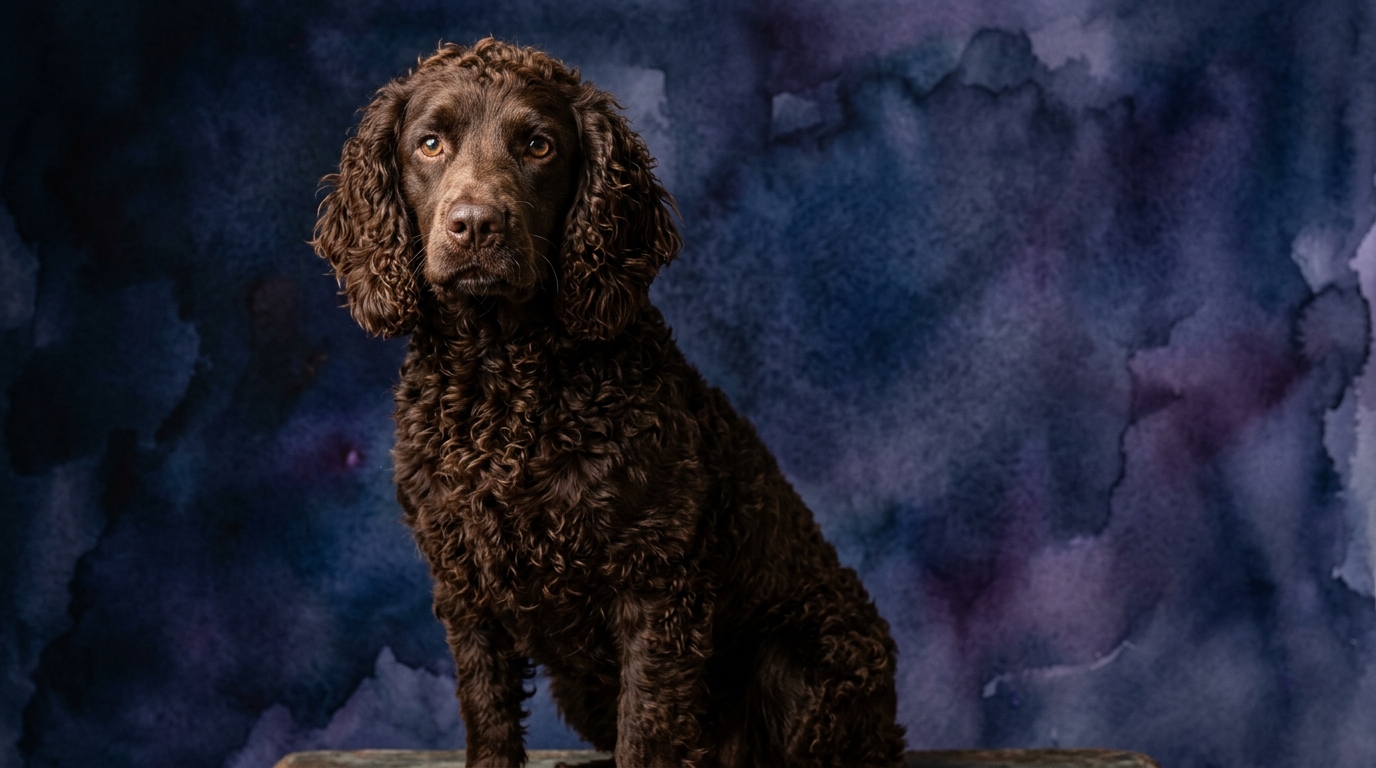
The Cosmic Pet Pet IQ Lab assesses canine intelligence across five key dimensions, providing a detailed look at how each breed processes information and interacts with its world. For the American Water Spaniel, a Sporting group dog with a Coren rank of #44, its profile is geared towards active partnership and task execution. Its Problem Solving is rated 3/5, indicating a moderate capacity to navigate new challenges and adapt to varied situations, learning through experience rather than sheer instinct. Training Speed also stands at 3/5, meaning they grasp new commands at a steady, consistent pace, requiring regular reinforcement but generally showing willingness to engage. Social Intelligence is 3/5, reflecting a solid understanding of human cues and pack dynamics, which underpins their cooperative nature. Instictive Drive, at 3/5, points to a moderate inherent motivation for tasks aligned with their retrieving heritage. A notable strength is their Memory, scoring 4/5, suggesting a strong ability to retain learned behaviors and past experiences.
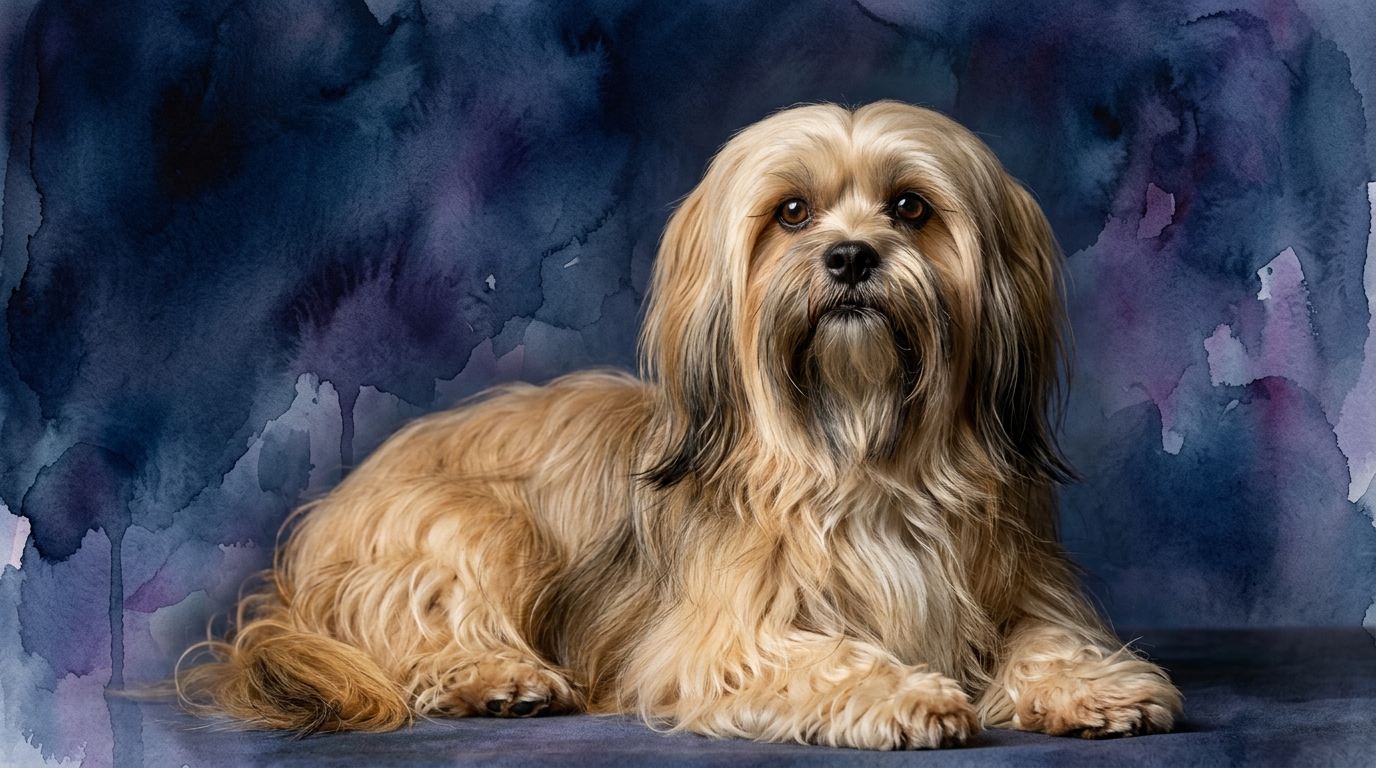
In contrast, the Lhasa Apso, a Non-Sporting breed ranked #68 by Coren, presents a profile rooted in vigilance and independent thought. Its Problem Solving is also 3/5, allowing it to navigate moderately complex situations, often through self-directed observation and strategy. Training Speed matches at 3/5, indicating they learn new commands at a similar pace, though often requiring more persuasive motivation due to their independent streak. Social Intelligence is likewise 3/5, enabling them to form deep, discerning bonds with their chosen family and understand subtle social cues within their trusted circle. Their Instictive Drive, also 3/5, is largely directed towards their historical role as watchful sentinels, prioritizing alertness and territorial awareness over active collaboration in complex tasks. The Lhasa Apso's Memory scores 3/5, meaning they retain information adequately, remembering routines and commands, but may benefit from more frequent refreshers to maintain sharp recall compared to breeds with higher scores in this dimension.
Where American Water Spaniel Wins Cognitively
The American Water Spaniel (AWS) demonstrates a clear cognitive advantage over the Lhasa Apso in one crucial area: memory. With a score of 4/5 compared to the Lhasa Apso's 3/5, the AWS exhibits a superior capacity for retaining learned commands, routines, and past experiences over extended periods. This enhanced recall is a significant asset, translating into a dog that builds upon its knowledge base more efficiently, requiring fewer repetitions during training and demonstrating greater consistency in recalling complex sequences of behaviors. For an owner, this means the AWS is more likely to remember advanced obedience cues, the intricacies of an agility course, or specific retrieval targets with greater reliability.
This superior memory, combined with its Sporting group background, underpins the AWS's proficiency in tasks requiring cumulative learning and precise execution. While both breeds share similar scores in problem-solving, training speed, social intelligence, and instinctive drive, the AWS's elevated memory score provides a tangible edge in scenarios demanding sustained application of learned lessons. Whether it's mastering a multi-stage field trial or consistently performing a series of tricks, the AWS's cognitive architecture is better equipped for the long-term retention and application of a broad repertoire of learned behaviors, making it a more predictable and efficient partner in structured activities.
Where Lhasa Apso Wins Cognitively
While the Lhasa Apso's raw scores are largely on par with or slightly below the American Water Spaniel's, its cognitive profile, particularly its 3/5 in problem-solving and social intelligence, manifests as distinct strengths within its specific historical context. The Lhasa Apso's centuries-long role as a monastic sentinel fostered a keen observational intelligence and an independent problem-solving approach that differs from the cooperative drive of a Sporting dog. They excel at assessing their environment and making decisions based on their own judgment, rather than solely relying on human direction, leveraging their 3/5 problem-solving to interpret novel situations with a self-reliant mindset.
This translates into a dog that is acutely aware of its surroundings, often noticing subtle changes or potential intruders before a human does, demonstrating a perceptive intelligence. Their 3/5 social intelligence, combined with their independent streak, allows them to form incredibly strong, discerning bonds with their chosen family members, often demonstrating a nuanced understanding of their specific household's dynamics and boundaries. They might not be driven to perform complex tasks for human approval in the same way a Sporting dog is, but their cognitive strengths lie in their self-sufficiency, their perceptive nature, and their ability to act as vigilant, discerning companions who can independently assess situations and respond appropriately within their domain. This independent thought, while sometimes perceived as stubbornness in training, is a cognitive 'win' when their role demands self-reliance and astute observation, making them adept at navigating their world with a subtle, self-directed competence.
Which is Easier to Train and Why
When evaluating ease of training, the American Water Spaniel generally offers a more straightforward experience for most owners. The AWS's higher memory score of 4/5 is a significant advantage, meaning they retain commands and lessons more effectively, requiring fewer repetitions and refreshers to solidify new behaviors. This enhanced recall significantly streamlines the training process. Coupled with their Sporting group heritage, which instills a natural inclination to work cooperatively with a handler, their 3/5 training speed is often bolstered by a strong desire to please and participate in joint activities. They are bred to take direction and perform tasks, making them inherently more receptive to structured training sessions and eager to learn.
In contrast, the Lhasa Apso, with a 3/5 memory and 3/5 training speed, often requires a more patient and nuanced approach. Their historical role as independent sentinels means they are less inherently motivated to follow commands simply for the sake of pleasing; they tend to evaluate the 'why' behind a request. This independent problem-solving, while a strength in other contexts, can translate into a perceived stubbornness or selective hearing during training. Owners must make training engaging, highly rewarding, and demonstrate the direct benefit to the Lhasa Apso to gain their cooperation, rather than expecting immediate compliance. While both breeds are capable of learning, the AWS's cognitive profile, particularly its superior memory and cooperative drive, makes the training journey generally smoother and more predictable for a broader range of owners.
Which Suits Active Owners vs. Relaxed Owners
The American Water Spaniel, with its Sporting background and a 3/5 instinctive drive geared towards activity, is an ideal match for active owners. This breed thrives on regular physical activity that engages both their body and mind, making them excellent companions for outdoor enthusiasts. Their moderate problem-solving and social intelligence, combined with their excellent memory, means they excel in activities like retrieving, swimming, agility, and obedience trials where they can work in partnership with their human. Owners who enjoy hiking, long walks, water sports, or structured training will find a willing and capable companion in the AWS, as their energy levels and need for mental stimulation demand consistent outlets. A relaxed owner might struggle to meet the AWS's needs, potentially leading to boredom or undesirable behaviors if not adequately stimulated.
Conversely, the Lhasa Apso is a better fit for more relaxed owners. While they are not inactive and enjoy daily walks and playtime, their instinctive drive (3/5) is primarily geared towards observation and companionship rather than demanding physical tasks. Their cognitive strengths in independent problem-solving and discerning social intelligence manifest in a more self-contained manner. They are content with moderate exercise and thrive in a home environment where they can serve as vigilant, affectionate companions. Owners who prefer leisurely strolls, indoor games, and a dog that is content to observe the household's goings-on will appreciate the Lhasa Apso. Their independent nature means they don't constantly demand interaction, offering a comfortable balance for owners seeking a loyal presence without the high-octane demands of a traditional working breed.
The Verdict
Opt for the American Water Spaniel if you are an active individual or family seeking a cooperative, mentally engaged canine partner for outdoor adventures, dog sports, or dedicated training, appreciating its superior memory and willingness to work alongside you.
Select the Lhasa Apso if you desire a discerning, independent, and vigilant companion suitable for a more relaxed lifestyle, valuing its keen observational skills and deep, protective bond within its family unit.
🧠 Find Your Pet's IQ Score
Our Pet IQ Lab assessment covers 25+ tests across 5 cognitive dimensions — personalized to your breed.
Take the Full IQ Test →Frequently Asked Questions
Is the American Water Spaniel a good choice for first-time dog owners?
With its cooperative nature and moderate training speed, an American Water Spaniel can be a good fit for first-time owners who are committed to consistent training, providing ample physical exercise, and mental stimulation. Their higher memory score aids in learning, but their needs are not minimal.
Do Lhasa Apsos require a lot of grooming due to their coat?
Yes, Lhasa Apsos possess a long, dense double coat that historically protected them from harsh Tibetan elements. This coat requires regular and thorough grooming, including daily brushing to prevent mats and tangles, making coat care a significant commitment for owners.
How do these breeds typically interact with children and other pets?
The American Water Spaniel, with its 3/5 social intelligence and cooperative nature, generally interacts well with respectful children and other pets, often enjoying playful engagement. The Lhasa Apso, also scoring 3/5 in social intelligence, tends to be more reserved and discerning, forming strong bonds with its immediate family but preferring older, calmer children and often tolerating, rather than actively seeking, interactions with other pets.