
Side-by-Side Cognitive Profiles
The Cosmic Pet Pet IQ Lab employs a five-dimensional framework to assess canine intelligence, offering a granular view beyond general perceptions. For the American Water Spaniel (AWS) and Parson Russell Terrier (PRT), these scores illuminate how each breed processes information and interacts with their world.
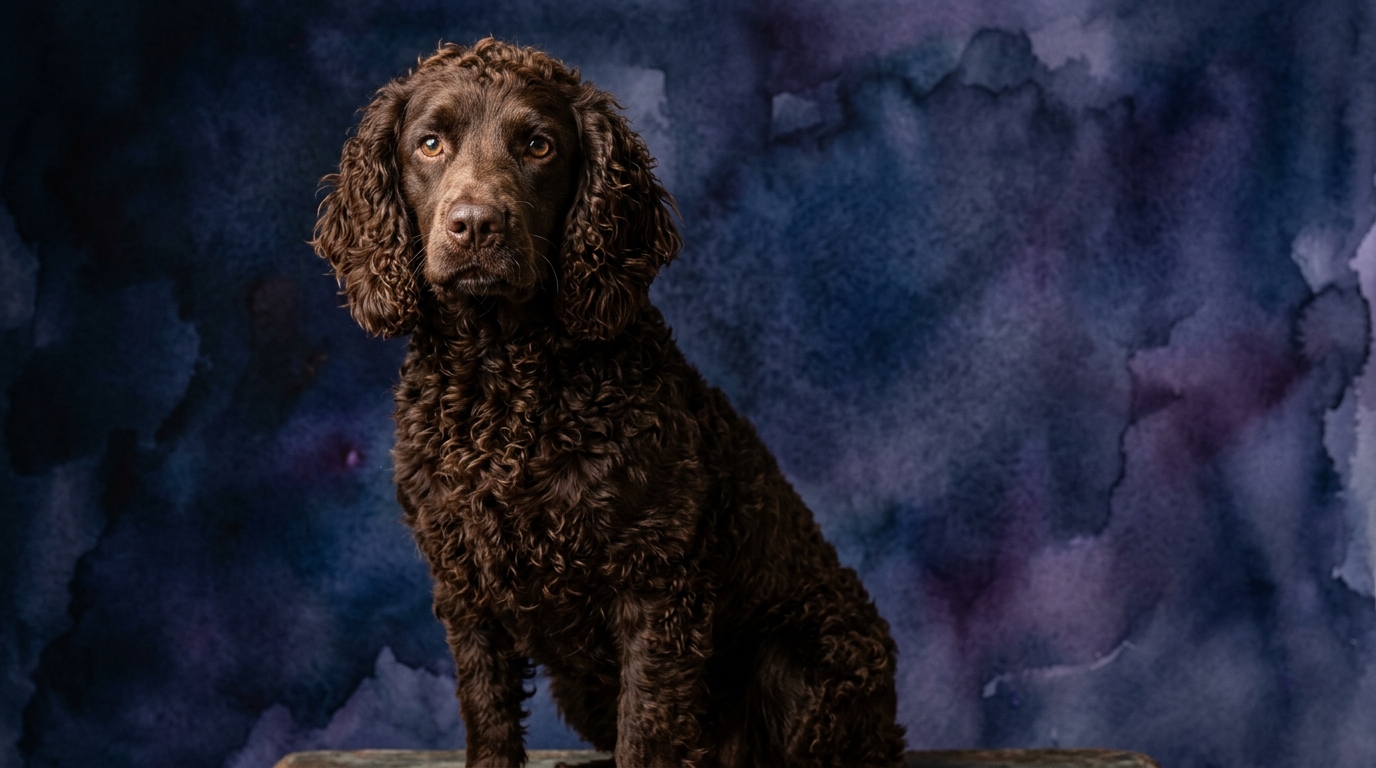
The American Water Spaniel, a Sporting group member and Coren-ranked at #44, presents a balanced cognitive profile with one notable strength. Their Problem Solving is rated at 3/5, indicating a moderate capacity for navigating novel challenges, often relying on learned behaviors and a methodical approach, particularly in practical scenarios like retrieving game from complex environments. Training Speed also sits at 3/5; while not the fastest learners, they are generally eager to please and responsive to consistent, positive reinforcement, leveraging their sporting breed biddability. Social Intelligence is 3/5, meaning they possess a moderate understanding of social cues, adapting typically well to various situations and integrating into family dynamics. Their Instinctive Drive, also 3/5, is centered around their hunting heritage, manifesting as a desire to retrieve, flush game, and work in water, a drive that is generally manageable. The AWS's standout cognitive trait is its Memory, scoring an impressive 4/5. This robust memory contributes significantly to their ability to retain complex sequences of tasks, recall specific locations for retrieving items, and maintain learned behaviors over long periods, making them reliable partners once a skill is established.
The Parson Russell Terrier, a spirited Terrier group member not currently Coren-ranked, shares several cognitive scores with the AWS but applies them with a distinct terrier flair. Their Problem Solving also scores 3/5, but their approach often stems from a tenacious, independent mindset, frequently involving persistent manipulation or digging to achieve a goal, especially when motivated by prey drive. Training Speed is likewise 3/5; PRTs learn at a moderate pace, but their terrier independence can sometimes translate into a perceived stubbornness, requiring engaging and rewarding methods to solidify skills. Social Intelligence is 3/5, with PRTs often being outgoing and confident, though their strong prey drive can influence interactions with smaller animals. Their Instinctive Drive, rated 3/5, is intensely focused on their heritage of hunting and dispatching vermin, resulting in a powerful prey drive and propensity for digging. Unlike the AWS, the PRT's Memory is 3/5. They are capable of remembering commands and routines, especially with consistent reinforcement, but their recall might not be as expansive or detailed, benefiting from periodic refreshers for established behaviors.
Where the American Water Spaniel Wins Cognitively
The most significant cognitive advantage for the American Water Spaniel lies in its superior memory, scoring 4/5 compared to the Parson Russell Terrier's 3/5. This robust memory capacity means an AWS is often more adept at retaining complex sequences of commands, remembering specific locations where objects were dropped, or recalling intricate routines over extended periods. For tasks requiring a dog to learn and execute multiple steps in a specific order, such as advanced obedience or field trials, the AWS's strong recall provides a notable edge. They are more likely to perform a multi-part retrieve flawlessly after fewer repetitions, or to remember the precise path taken through dense cover to find a fallen bird, leveraging their past experiences more effectively. This enhanced memory contributes significantly to their reliability in consistent performance once a skill is truly ingrained, making them excellent partners for intricate work.
Where the Parson Russell Terrier Wins Cognitively
While both breeds share identical scores in problem-solving and instinctive drive, the Parson Russell Terrier's cognitive 'win' is often found in the application of its moderate instinctive drive and problem-solving approach. Though the score is the same as the AWS, the PRT's drive is channeled into persistent, independent action, particularly in tasks requiring tenacity and resourcefulness to overcome physical obstacles. Their problem-solving, while rated similarly, often involves more independent, trial-and-error exploration, especially when focused on scent work or accessing hidden 'prey.' For an owner seeking a dog to independently navigate complex, confined spaces or to relentlessly pursue a scent puzzle, the PRT's combination of moderate problem-solving and tenacious drive often translates into a more self-directed and persistent effort. They might not remember a long sequence of commands as well, but they will likely find a way through a maze of obstacles with singular, focused determination, a distinct advantage in specific scenarios.
Training Dynamics: AWS vs. PRT
Despite both breeds scoring a 3/5 in Training Speed, their underlying temperaments and historical roles create distinct training experiences. The American Water Spaniel, as a sporting dog, typically exhibits a greater desire to work cooperatively with its handler. Their biddability and eagerness to please, combined with their strong memory, often make them more receptive to traditional obedience training. They are generally less prone to independent decision-making during a training session and more inclined to follow established commands, making the initial stages of training feel smoother and more predictable. This cooperative spirit means an AWS often thrives on positive reinforcement and clear communication, making them a rewarding partner for consistent training efforts.
The Parson Russell Terrier, conversely, brings a terrier's characteristic independence and tenacity to the training ring. While capable of learning at a similar pace, their strong instinctive drive and self-reliant nature mean they are more likely to challenge commands or find alternative, often less desirable, solutions if training isn't consistently engaging and rewarding. Their perceived 'stubbornness' isn't a lack of cognitive ability but a strong will and a preference for making their own choices, especially when their instincts are piqued. Training a PRT often requires more creativity, patience, and a deep understanding of motivation to channel their energy and intelligence effectively, making them potentially more challenging for a novice owner to train consistently. Success with a PRT often involves making training feel like a game or a puzzle they get to solve, rather than a rote exercise.
Matching Breeds to Lifestyles: Active vs. Relaxed Owners
For active owners, both breeds offer companionship, but for different types of activity. The American Water Spaniel thrives with owners who enjoy water sports, hunting activities, long hikes, or structured canine sports like agility or dock diving. Their moderate instinctive drive is best satisfied through purposeful work that utilizes their retrieving and flushing instincts, coupled with their endurance. They enjoy being part of family activities and require consistent physical and mental exercise to prevent boredom, which could manifest as undesirable behaviors. An AWS is a fantastic partner for an owner seeking a dog to actively participate in outdoor adventures and learn new skills, enjoying a cooperative partnership in their endeavors.
The Parson Russell Terrier also requires an active owner, though their activity needs often lean more towards intense bursts of mental and physical engagement rather than prolonged, steady exertion. They excel with owners who can provide outlets for their powerful prey drive, such as earthdog trials, scent work, or vigorous games of fetch and tug. Their independent nature means they can be content with slightly less constant human interaction during activities, as long as the activity itself is stimulating and challenging. A PRT is ideal for an owner who can commit to providing varied, challenging activities that tap into their terrier instincts, making them a suitable companion for someone who enjoys problem-solving games and vigorous, focused play. Neither breed is well-suited for a truly 'relaxed' owner who prefers minimal engagement beyond short walks; both demand significant investment in exercise and mental stimulation, though the specific types of activities that fulfill them differ.
The Verdict
Choose the American Water Spaniel if you desire a biddable, cooperative partner with excellent memory for complex tasks, especially suited for water-based activities or consistent obedience. Their eagerness to please and reliable recall make them a rewarding companion for an active, engaged owner.
Opt for the Parson Russell Terrier if you appreciate a tenacious, independent problem-solver with a strong, focused drive for engaging, challenging activities like scent work or earthdog trials. Their spirited nature and resourcefulness are best matched with an owner who enjoys creative training and provides ample mental stimulation.
🧠 Find Your Pet's IQ Score
Our Pet IQ Lab assessment covers 25+ tests across 5 cognitive dimensions — personalized to your breed.
Take the Full IQ Test →Frequently Asked Questions
How do the American Water Spaniel and Parson Russell Terrier compare in adaptability to new environments?
The American Water Spaniel, with its moderate social intelligence and biddability, generally adapts well to new environments, especially if their family is present and provides reassurance. The Parson Russell Terrier's confidence and independent nature also allow for good adaptability, though their strong instincts mean new environments might trigger more intense exploration or prey drive responses.
Are either of these breeds recommended for first-time dog owners?
While both breeds possess moderate training speeds, their specific needs and temperaments make them more suitable for experienced owners. The American Water Spaniel's need for consistent training and exercise, combined with the Parson Russell Terrier's independent streak and intense drive, can be challenging for those new to dog ownership.
How do their instinctive drives impact their suitability for multi-pet households?
The American Water Spaniel's moderate instinctive drive, focused on retrieving, generally makes them adaptable to multi-pet homes, especially with proper introductions. The Parson Russell Terrier's strong prey drive, however, requires careful consideration in households with small pets like cats or rodents, as their instinct to chase and hunt can be powerful and challenging to manage.