A Side-by-Side Look at Their Cognitive Profiles
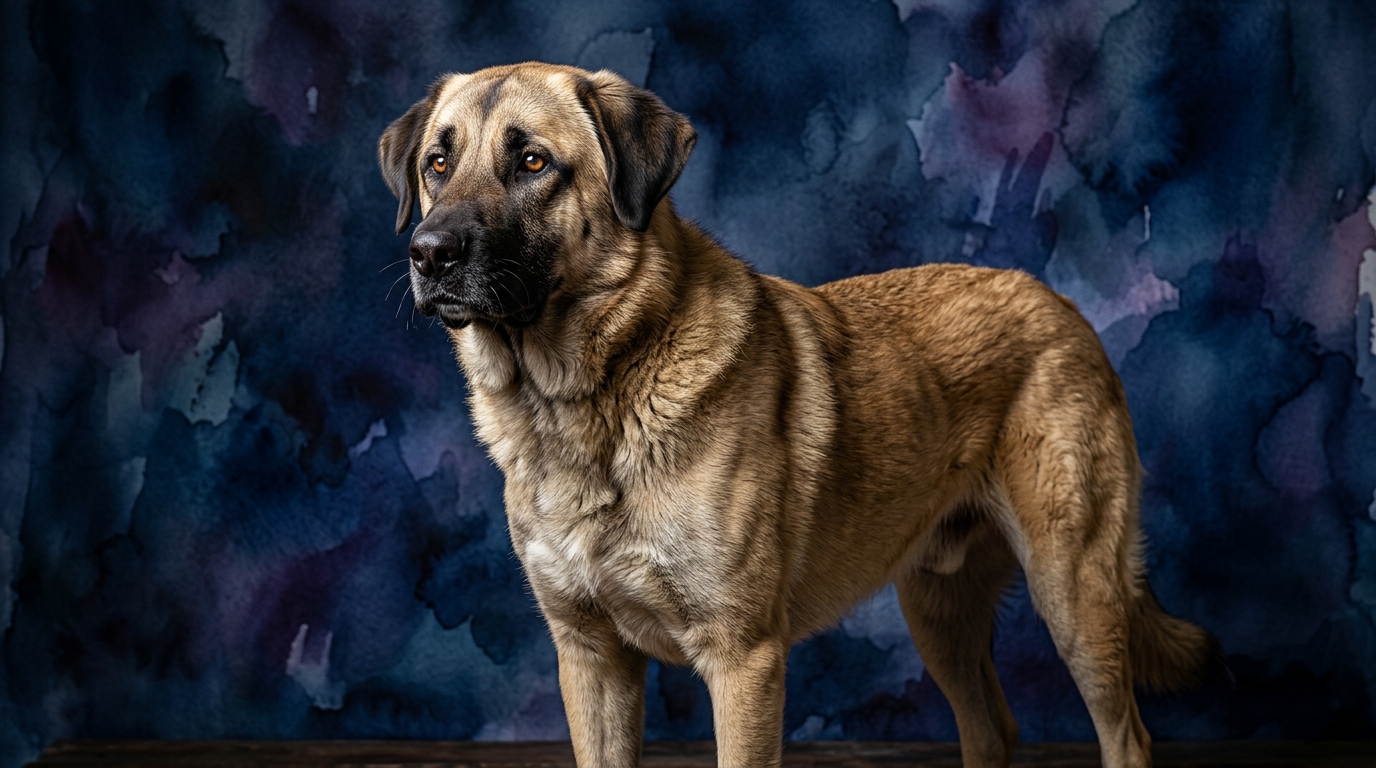
The Anatolian Shepherd Dog, a working breed, showcases its 3/5 Problem Solving by independently assessing threats to its flock, determining optimal responses without human instruction. Their solutions prioritize protection in vast, open spaces, requiring nuanced judgments about animal behavior and environmental cues. For Training Speed, their 3/5 reflects steady learning, but execution often depends on whether commands align with their guarding instinct; consistency and a strong, fair leader are crucial given their independent spirit. Their Social Intelligence, also 3/5, is rooted in discerning pack dynamics and territorial boundaries, reading intentions with a keen eye to identify threats or trusted members. The 3/5 Instinctive Drive is overwhelmingly geared towards guardianship, manifesting as profound territoriality, strong protection for their charges, and constant vigilance. Finally, their 3/5 Memory is robust for spatial details, routines, and experiences vital to their guarding duties, recalling specific threats or safe boundaries over long periods.
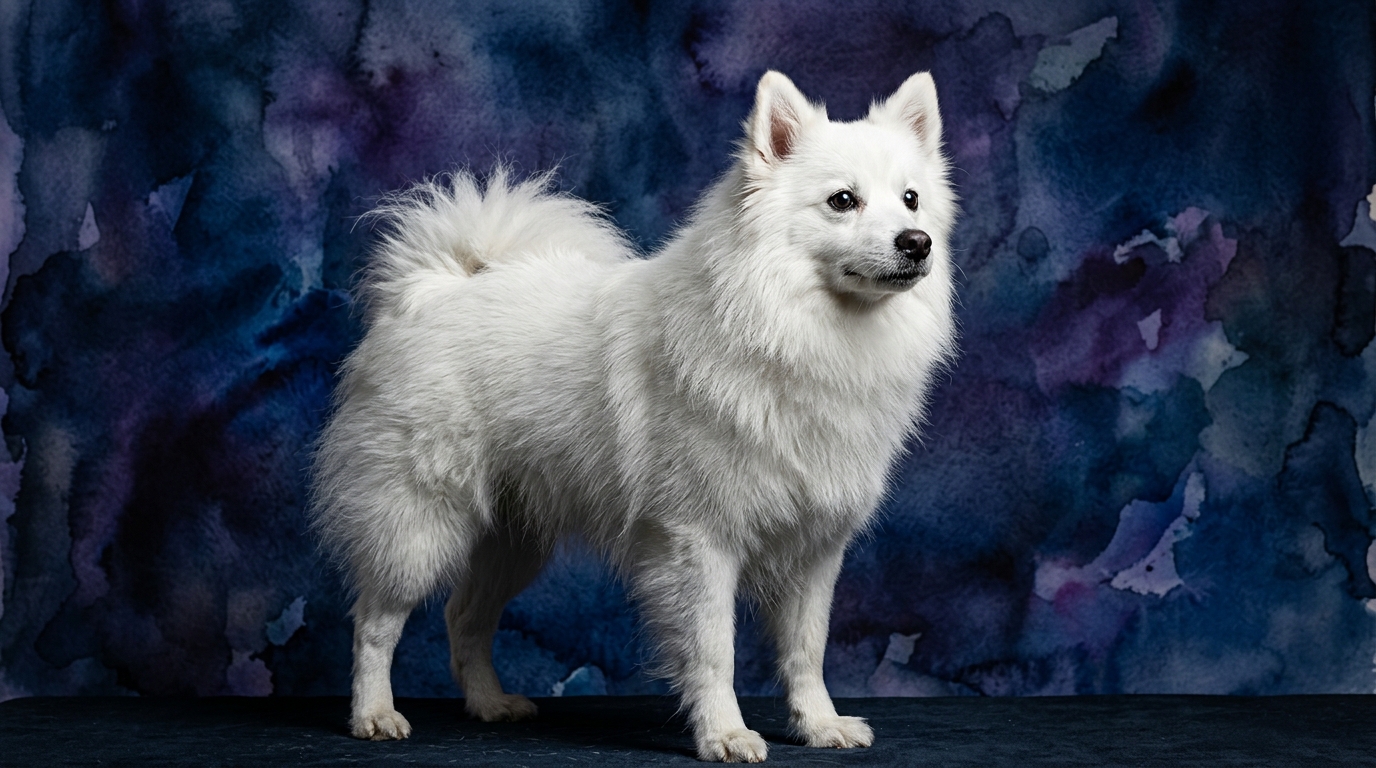
The American Eskimo Dog, a non-sporting companion, applies its 3/5 Problem Solving to navigate domestic environments and engage in interactive play, figuring out how to access treats or retrieve toys. Their solutions often involve object manipulation or clever communication to solicit human assistance, showcasing an adaptable, curious mind. For Training Speed, their 3/5 indicates a good pace for new commands and tricks, thriving on positive reinforcement and interaction, though their playful nature can sometimes influence consistency. Their 3/5 Social Intelligence shines in understanding human emotions and family dynamics, anticipating desires and communicating needs through barks and body language, fostering strong bonds. The 3/5 Instinctive Drive encompasses a strong companion drive, a desire for family involvement, and vocal alerts, alongside a playful nature and eagerness to perform tricks. Their 3/5 Memory is strong for learned commands, tricks, routines, and specific people, contributing to consistent social behaviors and anticipating daily events.
Where the Anatolian Shepherd Dog Cognitively Excels
The Anatolian Shepherd Dog's cognitive strengths are most apparent in scenarios demanding autonomous judgment and unwavering resolve in a protective capacity. Their superior ability to assess complex environmental threats and respond appropriately without direct human intervention sets them apart. An Anatolian will meticulously evaluate a potential predator's approach, determining the most effective deterrent strategy based on species, intent, and proximity. This involves a sophisticated form of risk assessment and decision-making where the consequences of error are significant, showcasing a mind intrinsically tied to its ancient role as a guardian.
Where the American Eskimo Dog Cognitively Excels
Conversely, the American Eskimo Dog demonstrates a cognitive edge in areas emphasizing adaptability, cooperative learning, and nuanced social engagement within a human household. They excel at deciphering human intentions and social cues, often anticipating desires before verbal expression, making them exceptional companions. An Eskie might learn a new multi-step trick with relative ease, not just through repetition, but by understanding the sequence and the associated reward, indicating a strong capacity for sequential learning and motivation to please. Their problem-solving is often applied to interactive games, puzzle toys, and finding creative ways to communicate needs or solicit attention, showcasing a mind geared towards domestic harmony.
Training Dynamics: Which Breed is Easier?
When considering ease of training, the American Eskimo Dog generally presents a more straightforward path for the average owner. Their inherent desire for human companionship and eagerness to engage in interactive activities translates into higher motivation for cooperative learning. An Eskie often views training as a fun, bonding experience, readily responding to positive reinforcement and enjoying the mental stimulation of learning new commands. Their goal is often to please their human, making them attentive and responsive. In contrast, the Anatolian Shepherd Dog, while capable, approaches training with a more independent mindset. Their ancestral role required autonomous decision-making, meaning they often weigh commands against their own judgment or protective instincts. This 'why should I do that?' attitude requires an experienced handler who can establish clear, consistent leadership and demonstrate the value of compliance, building a respectful partnership based on trust.
Activity Levels: Active vs. Relaxed Owners
Neither breed is particularly suited for truly 'relaxed' owners in the sense of minimal engagement, as both require significant mental and physical outlets, though their needs differ in nature. The Anatolian Shepherd Dog thrives with owners who can provide ample space, a sense of purpose, and consistent, purposeful exercise aligning with their guarding instincts, such as patrolling a large property or long, structured walks. Their mental activity often involves observation and independent decision-making, even when appearing calm. For the American Eskimo Dog, 'active' ownership means consistent interactive play, daily walks, and regular mental challenges like trick training, agility, or puzzle toys. They require owners who enjoy engaging directly with their dog, providing structured activities that prevent boredom and channel their abundant energy and social drive; an Eskie will not be content simply observing.
The Verdict
For individuals seeking a formidable, independent guardian for a large property or livestock, who possess experience with strong-willed working breeds and are committed to extensive socialization and patient, consistent training, the Anatolian Shepherd Dog is an unparalleled choice.
Conversely, the American Eskimo Dog is the ideal companion for owners who desire an engaging, interactive family member, enjoy active training sessions, trick learning, and can provide consistent mental stimulation and social interaction within a dynamic household environment.
🧠 Find Your Pet's IQ Score
Our Pet IQ Lab assessment covers 25+ tests across 5 cognitive dimensions — personalized to your breed.
Take the Full IQ Test →Frequently Asked Questions
Are Anatolian Shepherds good family dogs?
Anatolian Shepherds can be devoted family dogs to their immediate human 'flock,' displaying a calm and protective demeanor. However, their strong guarding instincts and wariness of strangers mean early, extensive socialization and firm, consistent leadership are crucial for them to integrate safely into a family setting, especially with children and other pets.
Do American Eskimo Dogs bark a lot?
American Eskimo Dogs are known for being vocal, often using barking to alert their owners to new sights or sounds, express excitement, or communicate their needs. While this makes them excellent watchdogs, consistent training from a young age is essential to manage excessive barking and teach them appropriate times to vocalize.
What is the main difference in their temperaments?
The primary temperament difference lies in their fundamental drives: the Anatolian Shepherd is inherently independent and protective, making decisions based on its guarding instincts and often reserved with strangers. The American Eskimo Dog is typically more outgoing, eager to please, and thrives on constant interaction and engagement with its human family, though can be wary of strangers.