Side-by-Side Cognitive Profiles: Anatolian Shepherd Dog vs. Bedlington Terrier
While both the Anatolian Shepherd Dog and the Bedlington Terrier register identical scores across The Cosmic Pet Pet IQ Lab's five cognitive dimensions, their vastly different ancestries and physical attributes mean these scores manifest in distinct and fascinating ways. Understanding these nuances is key to appreciating their individual intelligence.
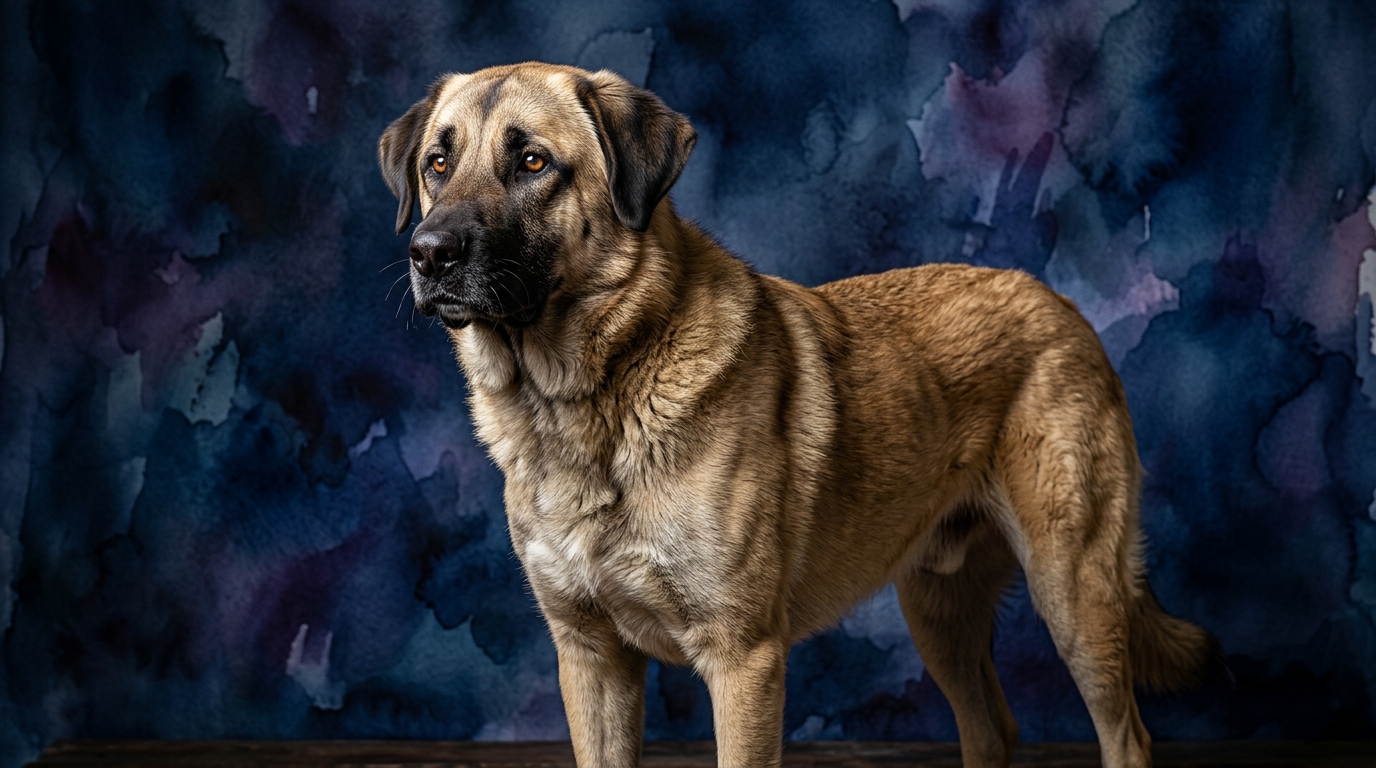
For the **Anatolian Shepherd Dog**, a breed rooted in guarding livestock across vast terrains, its cognitive profile is finely tuned for independent vigilance and protection:
**Problem Solving (3/5):** This score indicates an average capacity for independent thought, crucial for a guardian breed. An Anatolian's problem-solving often manifests in assessing threats to its flock or family, determining the most effective way to deter intruders, or navigating complex terrain while on patrol. They are deliberate in applying learned strategies to protect their charges rather than seeking novel puzzles.
**Training Speed (3/5):** An Anatolian learns new commands at an average pace. Their inherent independence means they weigh the value of a command against their own judgment, rather than blindly complying. Training requires consistent, fair leadership and understanding their guardian mindset, making progress steady but not always instantaneous or eager-to-please.
**Social Intelligence (3/5):** This refers to their ability to understand and respond to social cues from humans and other animals. Anatolians are observant of their family unit, capable of discerning friend from foe, and possess a strong sense of loyalty. They can read intentions and react appropriately to perceived threats or changes in their environment, though their social circle is typically smaller and more guarded.
**Instinctive Drive (3/5):** The strong instinctive drive in an Anatolian is primarily rooted in their deep-seated guarding and territorial instincts. This moderate score indicates a powerful, yet manageable, urge to protect. They are driven to survey their domain, monitor for anything out of place, and respond with a formidable presence, rather than a frantic pursuit.
**Memory (3/5):** Anatolians demonstrate an average ability to retain information, remembering routines, boundaries, and individuals within their trusted circle. They will recall training commands and past experiences, which contributes to their consistent guardian behavior and their ability to learn from previous encounters.
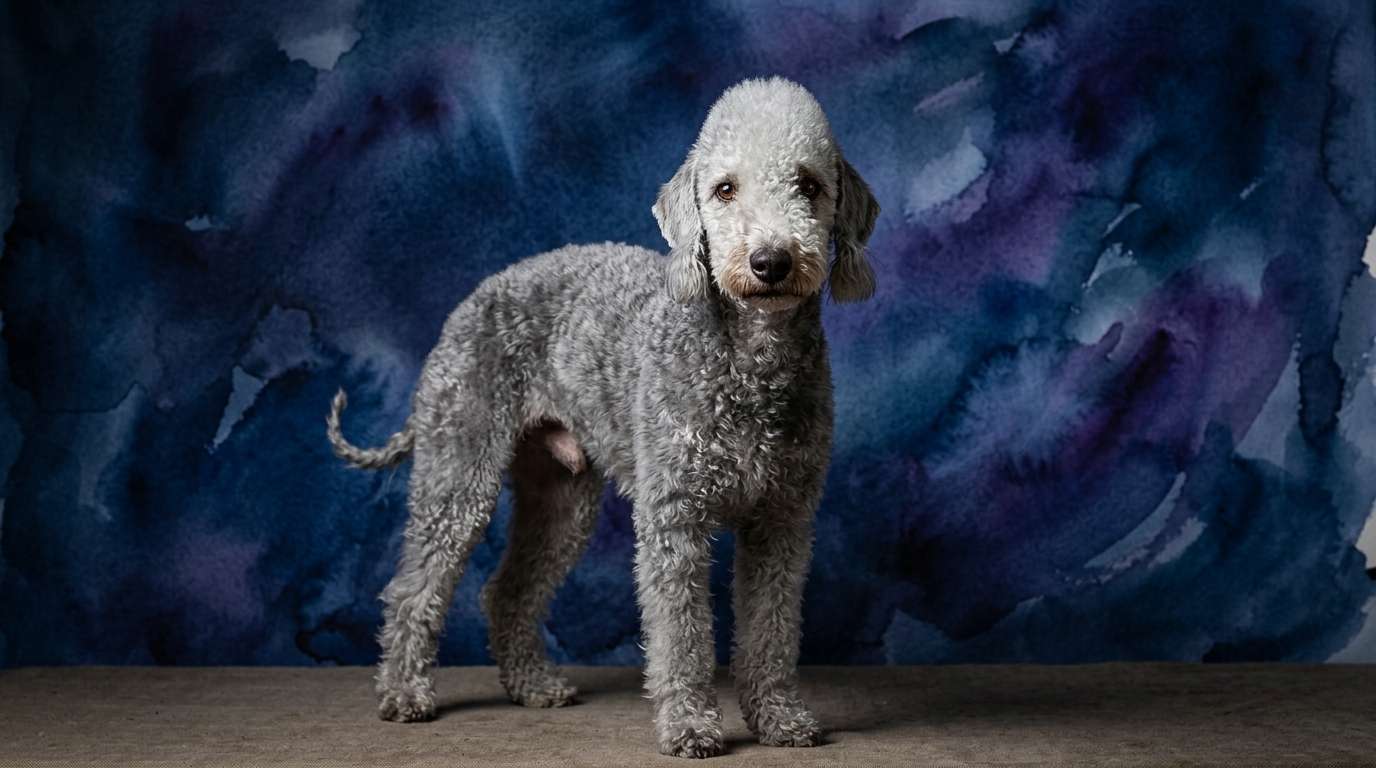
The **Bedlington Terrier**, with its distinctive lamb-like appearance, was originally bred for hunting vermin, and its cognitive profile reflects this agile, tenacious heritage:
**Problem Solving (3/5):** A Bedlington's problem-solving ability, though numerically identical to the Anatolian, is applied to a different set of challenges. This score indicates an average capacity for finding solutions, often manifesting in their tenacious pursuit of small prey, navigating complex environments to reach a goal, or figuring out how to manipulate objects to their advantage. They can be inventive in their efforts, driven by curiosity and persistence.
**Training Speed (3/5):** Bedlington Terriers learn commands at an average pace, but their terrier heritage often introduces a spirited independence. While capable of learning quickly, their focus can be diverted by environmental stimuli or their own strong-willed nature. Consistency, positive reinforcement, and making training engaging are key to harnessing their moderate learning speed.
**Social Intelligence (3/5):** This score reflects their ability to interpret social cues. Bedlingtons are generally perceptive within their family unit, able to pick up on moods and intentions. They can be charming and engaging with familiar people, but their terrier reserve means they might be discerning or aloof with strangers, relying on their judgment of social interactions.
**Instinctive Drive (3/5):** The Bedlington's instinctive drive is primarily centered on its strong prey drive and digging tendencies, characteristic of the terrier group. This moderate score indicates a persistent urge to hunt, chase, and explore with their nose. While not overwhelming, this drive requires thoughtful management and provides a significant motivational tool for training.
**Memory (3/5):** Bedlingtons possess an average memory for commands, routines, and experiences. They will remember where they buried a toy, the location of favored walking routes, and the details of past training sessions, which helps in building consistent behavior and reinforcing learned tasks.
Where the Anatolian Shepherd Dog Excels Cognitively
Despite identical numerical scores, the sheer scale and intended purpose of the Anatolian Shepherd Dog allow its 3/5 cognitive abilities to shine in specific contexts. Its Problem Solving (3/5) applied to large-scale environmental assessment and threat deterrence is formidable; a Bedlington, even with the same score, cannot physically deter a wolf pack or a human intruder across vast acreage. The Anatolian's Social Intelligence (3/5) is particularly impactful in its nuanced understanding of flock dynamics and its ability to distinguish genuine threats from harmless presence, a critical skill for a guardian. Its Instinctive Drive (3/5) to protect is channeled into a stoic, watchful vigilance, making it highly effective at its ancestral job without requiring constant human direction. This self-reliance in a challenging, expansive environment is where its cognitive profile truly excels.
Where the Bedlington Terrier Excels Cognitively
The Bedlington Terrier's cognitive strengths, though numerically matched, manifest differently and are exceptionally suited for its breed purpose. Its Problem Solving (3/5) is often expressed in its agility and determination to navigate complex, confined spaces, such as badger setts or dense undergrowth, tasks impossible for an Anatolian. Its Instinctive Drive (3/5) for prey and digging, while moderate, provides a tenacious focus that makes it an effective vermin controller, requiring a specific kind of quick decision-making and persistence. Furthermore, its Social Intelligence (3/5) allows it to integrate seamlessly into a human family as a companion, often displaying a playful and affectionate nature that, while present in Anatolians, is expressed in a more intimate, less guarded manner due to its smaller size and traditional companion role.
Ease of Training: Behavioral Nuances Beyond the Score
Assessing ease of training solely on "Training Speed (3/5)" is incomplete; behavioral tendencies play a significant role. The Anatolian Shepherd Dog, with its deeply ingrained independence and guardian instincts, often requires a handler who understands how to motivate a dog that prioritizes its own judgment. While it learns at an average pace, convincing an Anatolian that a command is more important than its perceived duty can be a challenge. They are not inherently eager to please in the way some breeds are, making consistency and clear, confident leadership crucial to overcome their self-directed nature.
The Bedlington Terrier, despite also scoring 3/5 in Training Speed, presents a different set of training considerations. Its terrier stubbornness and strong prey drive mean it can be easily distracted and will often test boundaries. While physically more manageable due to its size, its independent spirit and tendency to pursue interesting scents or movements require creative and engaging training methods. They can be sensitive to harsh correction, responding better to positive reinforcement that channels their inherent energy and curiosity. Neither breed is "easy" in the conventional sense, as both demand a nuanced approach that respects their distinct behavioral profiles. The Bedlington's smaller size might make its physical management during training easier, but its mental engagement can be equally demanding.
Suitability for Active vs. Relaxed Owners
The Anatolian Shepherd Dog, despite its calm demeanor once mature, requires an owner who can meet its substantial needs, leaning towards active rather than relaxed. They need ample space, regular opportunities to patrol a secure yard, and consistent mental engagement to prevent boredom. While they aren't marathon runners, their daily exercise involves purposeful movement and mental stimulation related to their guarding instincts. A "relaxed" owner who cannot provide this structure and outlet for their drives will likely find an Anatolian challenging.
The Bedlington Terrier, conversely, can adapt to a wider range of activity levels, making it potentially suitable for both active and moderately relaxed owners, provided their specific needs are met. They possess bursts of energy and thrive on regular walks, playtime, and mental challenges like puzzle toys or agility. While they can enjoy lounging, they are not content to be sedentary. Their strong prey drive means they need secure outdoor spaces or leashed walks to prevent them from chasing small animals. Therefore, an owner must be prepared for consistent, engaging activity, even if it's not always high-intensity.
The Verdict
Choose the Anatolian Shepherd Dog if you are an experienced, confident owner seeking a stoic, independent guardian for a large property or livestock, understanding their profound loyalty comes with a strong self-directed nature.
Choose the Bedlington Terrier if you desire an engaging, affectionate companion with a spirited personality, capable of adapting to various living situations but requiring consistent mental and physical stimulation to channel its terrier zest.
🧠 Find Your Pet's IQ Score
Our Pet IQ Lab assessment covers 25+ tests across 5 cognitive dimensions — personalized to your breed.
Take the Full IQ Test →Frequently Asked Questions
Do similar IQ scores mean Anatolian Shepherds and Bedlington Terriers behave identically?
Absolutely not. Identical numerical scores like 3/5 indicate an average capacity across dimensions, but the *expression* and *context* of these abilities differ immensely due to breed purpose, physical attributes, and innate drives. An Anatolian's problem-solving focuses on large-scale protection, while a Bedlington's applies to smaller, more agile challenges.
How does the "Instinctive Drive" score of 3/5 manifest differently in these two breeds?
For the Anatolian Shepherd Dog, a 3/5 instinctive drive translates to a powerful, inherent urge to guard and protect its territory and charges, manifesting as watchful vigilance and a formidable presence. In the Bedlington Terrier, the same 3/5 score signifies a strong, persistent prey drive and digging instinct, motivating it to chase small animals and explore with its nose.
Can a Bedlington Terrier be a good guard dog like an Anatolian Shepherd Dog, given their similar social intelligence scores?
While both breeds score 3/5 in social intelligence, a Bedlington Terrier is not suited to be a traditional guard dog in the same vein as an Anatolian Shepherd Dog. The Bedlington's social intelligence helps it discern within its family and be reserved with strangers, but its size and inherent drives are geared towards companionship and vermin control, not deterring large threats.