A Closer Look at Their Cognitive Profiles
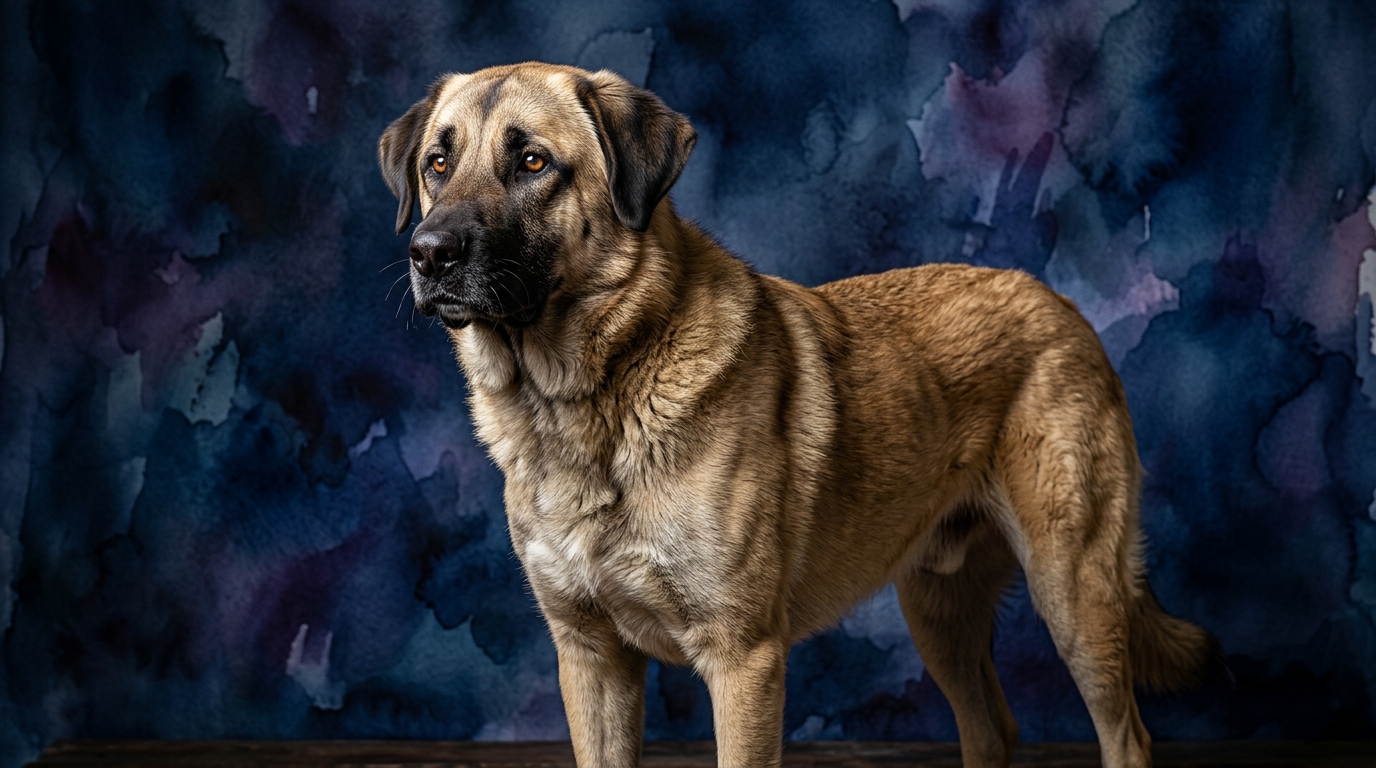
The Anatolian Shepherd Dog, a majestic guardian from the Working group, presents a consistent cognitive profile: Problem Solving 3/5, Training Speed 3/5, Social Intelligence 3/5, Instinctive Drive 3/5, and Memory 3/5. These scores suggest a robust, balanced intellect geared towards self-reliant work. A score of 3/5 in problem solving indicates competence in navigating novel situations, while 3/5 in training speed means they grasp new concepts at a moderate pace, requiring consistent reinforcement. Their social intelligence at 3/5 points to a fair ability to interpret cues, often in the context of their flock or territory. An instinctive drive of 3/5 highlights their inherent behavioral tendencies, such as guarding, which are present and influential. Finally, a memory score of 3/5 demonstrates a solid capacity for retaining learned information and experiences.
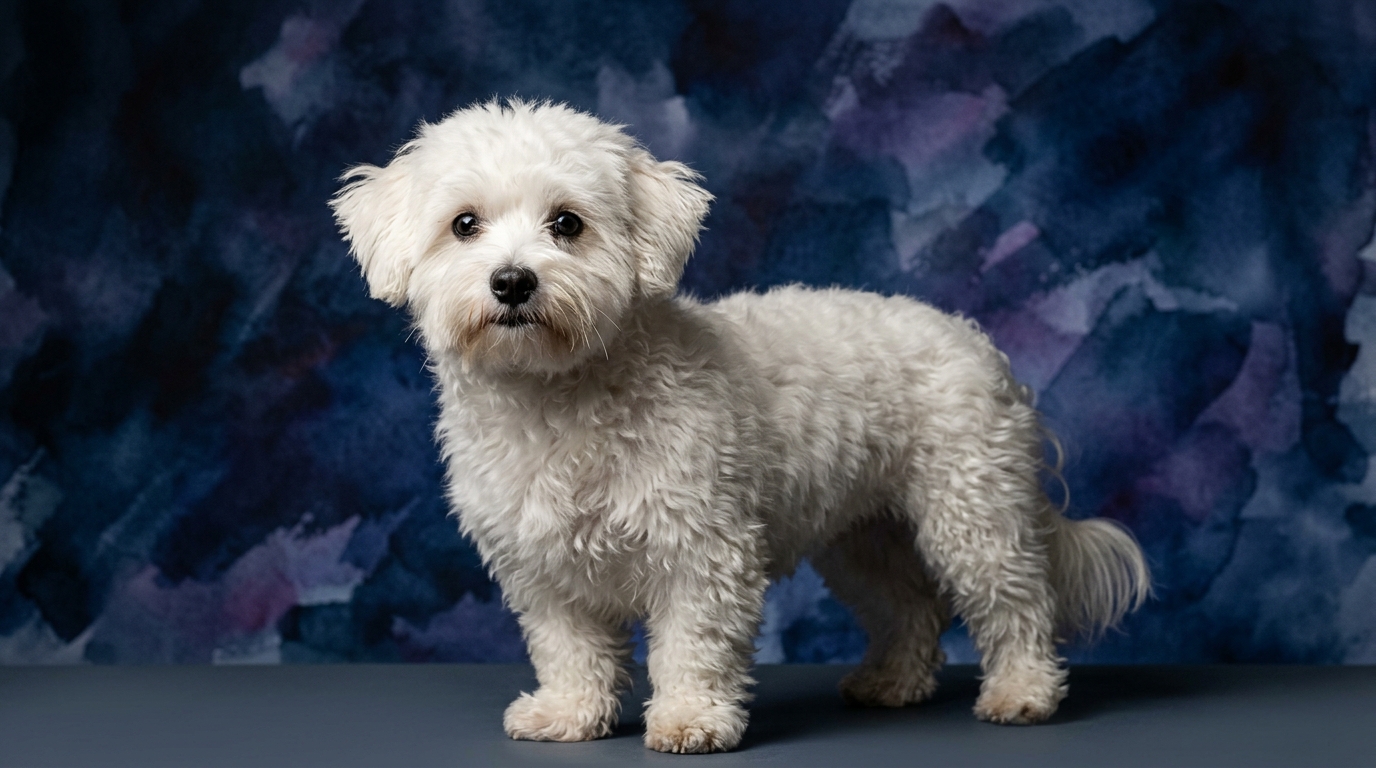
In stark contrast, the Coton de Tuléar, a delightful companion from the Non-Sporting group, mirrors these exact scores: Problem Solving 3/5, Training Speed 3/5, Social Intelligence 3/5, Instinctive Drive 3/5, and Memory 3/5. This identical numerical assessment is intriguing, especially considering their divergent purposes. For the Coton, 3/5 in problem solving means they are capable of figuring out moderate challenges, perhaps related to household routines or interactive toys. Their 3/5 training speed suggests they learn at a steady rate, often motivated by positive interaction. Social intelligence at 3/5 underscores their adeptness at perceiving human emotions and intentions, crucial for a companion animal. An instinctive drive of 3/5 reflects their moderate innate behaviors, such as a desire for play or companionship, which are generally manageable. Their 3/5 memory score ensures they recall family members and learned commands reliably.
Anatolian Shepherd Dog: The Nuances of Its Cognitive Strengths
While sharing numerical scores, the Anatolian Shepherd Dog’s cognitive strengths are profoundly influenced by its ancient role as a livestock guardian. Its 3/5 problem-solving ability is not about fetching a dropped toy, but about assessing a potential threat to its flock, determining the most effective deterrent, or finding a way to navigate challenging terrain to protect its charges. This translates into an ability to independently evaluate situations and make decisions, often without direct human instruction, which is paramount for a self-sufficient guardian. Their memory, also 3/5, is crucial for recalling the boundaries of their territory, the faces of familiar livestock and people, and the routines of their environment. This allows them to maintain vigilance and consistency in their protective duties.
The Anatolian’s 3/5 social intelligence manifests as a discerning understanding of its environment and the intentions of strangers or perceived threats. They are not necessarily eager to please, but rather to observe and interpret, deciding whether an approaching person or animal poses a risk. This contributes to their reserved nature with strangers, as their social cognition is focused on assessment rather than immediate engagement. Their instinctive drive, at 3/5, is deeply rooted in their guardian heritage, compelling them to patrol, bark warnings, and place themselves between their flock and perceived danger. This drive isn't about playful chasing, but about a serious, inherent need to protect, making their cognitive application highly specialized and purposeful.
Coton de Tuléar: Unpacking Its Companion-Oriented Acuity
The Coton de Tuléar’s identical 3/5 cognitive scores shine in a completely different context: that of a devoted and engaging companion. Their 3/5 problem-solving capability often manifests in figuring out how to get attention, solve a puzzle toy, or navigate a household environment to find a favorite sunbeam. This translates to a delightful resourcefulness in daily life, making them entertaining companions who can adapt to various living situations. Their memory, also 3/5, allows them to quickly learn household rules, remember where treats are stored, and recognize the voices and routines of their family members, fostering a strong bond and sense of belonging within the home.
The Coton’s 3/5 social intelligence is particularly evident in its interactions with humans. They are adept at picking up on emotional cues, understanding tone of voice, and adapting their behavior to suit the mood of their family. This makes them highly responsive and empathetic companions, capable of forming deep emotional connections. Their instinctive drive, at 3/5, tends to be expressed through a strong desire for companionship, play, and interaction. They thrive on being involved in family activities, and their natural inclination is towards engagement and affection, rather than independent guardianship. This cognitive profile makes them particularly attuned to the dynamics of a human family, making them excellent partners for those seeking an interactive and perceptive pet.
Training Dynamics: A Tale of Two Motivations
When considering ease of training, the identical 3/5 training speed scores for both breeds belie significant behavioral differences. The Anatolian Shepherd Dog, with its strong sense of independence and self-reliance, approaches training with a different mindset. Their 3/5 training speed means they grasp concepts steadily, but their inherent social intelligence and instinctive drive often lead them to prioritize their own assessment of a situation over immediate human compliance. Training an Anatolian requires immense patience, consistency, and a deep understanding of their guardian instincts. They respond best to a partnership approach where their intelligence is respected, and tasks are framed as contributing to their protective role. Rote obedience for obedience's sake is less motivating; they need to understand the 'why' behind a command, especially if it conflicts with their perceived duty. Their substantial physical presence and ingrained protective behaviors mean that training must be thorough and consistent from an early age, focusing on clear boundaries and socialization.
The Coton de Tuléar, despite the same 3/5 training speed, is generally considered easier to train for typical companion behaviors. Their 3/5 social intelligence makes them eager to interact and please their human companions, often thriving on positive reinforcement, praise, and play. They learn quickly in a fun, engaging environment, and their instinctive drive leans towards seeking interaction and companionship, which makes them more amenable to learning tricks, house manners, and basic obedience commands for the sake of pleasing their family. While they can be sensitive, a consistent, gentle approach yields excellent results. Their adaptability and desire to be involved in family life mean they are often quicker to integrate new commands into their daily routines, making them a more straightforward choice for owners seeking a biddable and responsive pet for general household living.
Lifestyle Compatibility: Active Guardians vs. Engaging Companions
The Anatolian Shepherd Dog is best suited for active owners who possess a deep understanding of working breeds and can provide a purpose-driven environment. Their significant physical presence and inherent need to patrol and protect demand ample space, ideally a large, securely fenced yard or rural property. These dogs require consistent mental stimulation that engages their problem-solving and instinctive drives, often through tasks that mimic their historical guardian role. Owners must be prepared for their reserved nature with strangers and their strong protective instincts. A relaxed owner who cannot provide consistent training, socialization, and an appropriate outlet for their drives may find an Anatolian challenging to manage. They are not typically suited for apartment living or a sedentary lifestyle, as their physical and mental needs are substantial.
Conversely, the Coton de Tuléar is an ideal match for relaxed owners seeking an engaging and adaptable companion. While they enjoy daily walks and playtime, their exercise needs are moderate, making them suitable for various living situations, including apartments, provided they receive sufficient mental engagement and social interaction. Their 3/5 social intelligence means they thrive on being part of family activities and are often content to snuggle on the couch or play indoor games. Owners who appreciate a dog that is responsive, affectionate, and can adapt to a more relaxed pace of life will find a Coton to be a delightful addition. They are less about physical exertion and more about consistent companionship and mental enrichment through interaction and gentle training.
The Verdict
Choose the Anatolian Shepherd Dog if you are an experienced, active owner with significant space and a desire for a dedicated, independent guardian with a profound sense of purpose.
Opt for the Coton de Tuléar if you seek an adaptable, engaging, and affectionate companion for a relaxed home environment, valuing strong social bonds and moderate activity.
🧠 Find Your Pet's IQ Score
Our Pet IQ Lab assessment covers 25+ tests across 5 cognitive dimensions — personalized to your breed.
Take the Full IQ Test →Frequently Asked Questions
Are Anatolian Shepherds good family pets?
Anatolian Shepherds can be devoted family members, particularly with children they are raised with, but their guardian instincts mean they are reserved with strangers and require extensive socialization. They are best suited for experienced owners who understand their protective nature and can provide consistent guidance.
How much exercise does a Coton de Tuléar need?
Coton de Tuléars have moderate exercise needs, typically satisfied with daily walks, indoor play, and opportunities for mental stimulation through games. While they enjoy activity, they are adaptable and thrive on companionship, making them suitable for various living situations including apartments, provided they receive regular engagement.
Can Anatolian Shepherds and Coton de Tuléars live together?
While possible, integrating these two breeds would require careful consideration and management due to their vastly different temperaments and needs. The Anatolian's strong guardian drive and the Coton's delicate size and companion focus mean supervised interactions and separate spaces would be crucial to ensure the safety and well-being of both dogs.