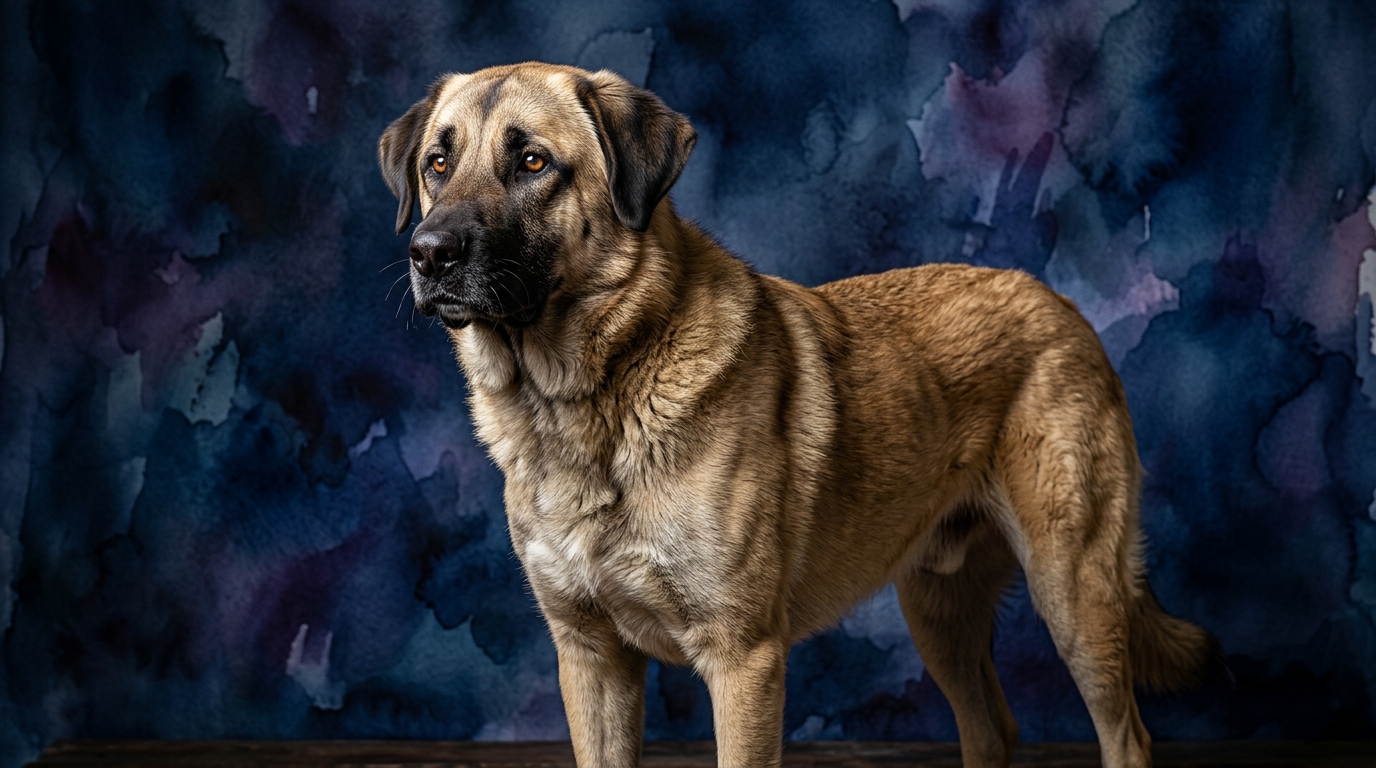
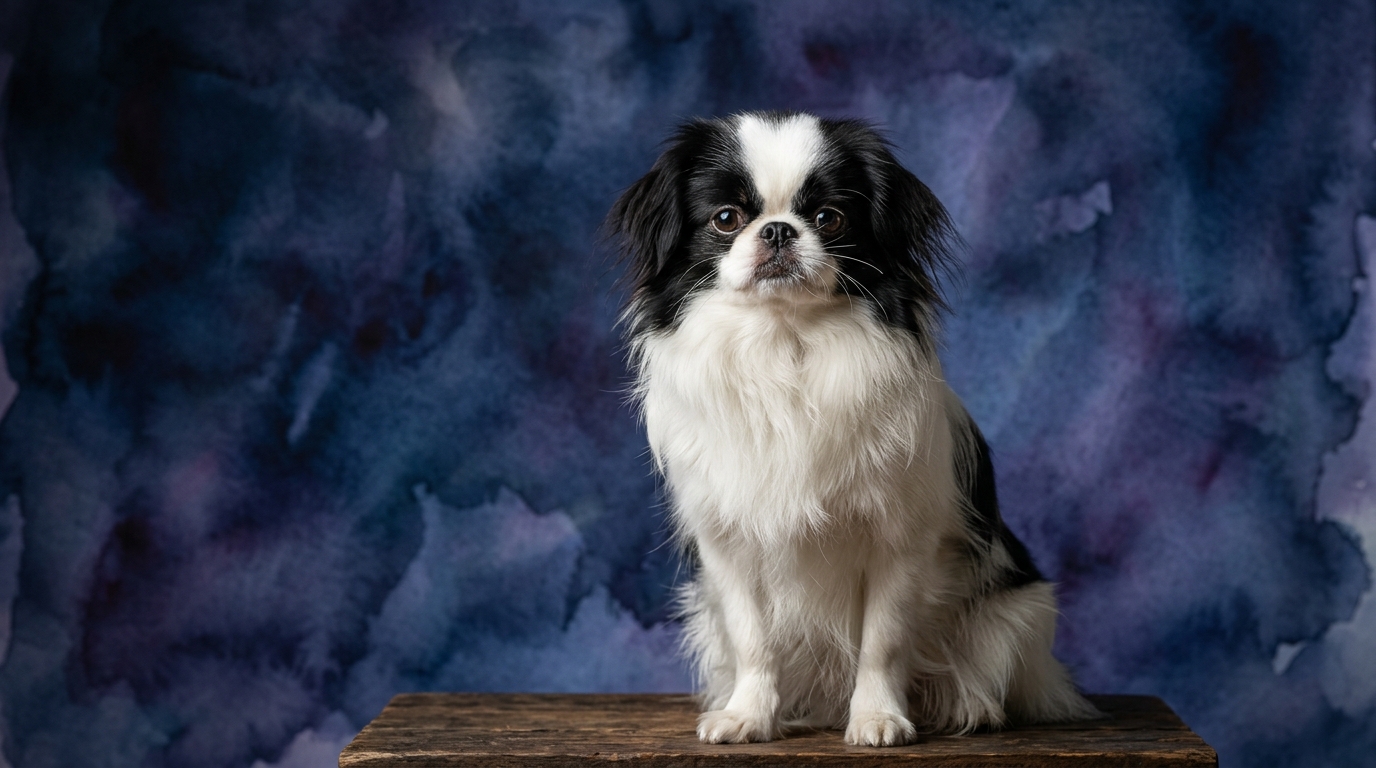
Side-by-Side IQ Profile: Anatolian Shepherd Dog vs. Japanese Chin
Despite both breeds scoring 3/5 across all categories, the practical implications of these scores diverge significantly due to their inherent breed purposes. The Anatolian Shepherd Dog, a working breed, embodies a deliberate intelligence focused on protection, while the Japanese Chin, a toy breed, exhibits a nuanced social cleverness.
For the Anatolian Shepherd Dog, a 3/5 in Problem Solving reflects a capacity for independent, strategic thought, particularly in situations involving their charges or territory. They excel at assessing environmental cues and making deliberate decisions about potential threats without constant human instruction, a trait essential for a livestock guardian. Their Training Speed score of 3/5 indicates they are capable learners, but progress is typically steady rather than rapid; their independent nature means they weigh commands against their perceived utility, making them less inclined towards rote obedience and more towards understanding the 'why.' A 3/5 for Social Intelligence points to a keen awareness of their family unit (human or animal) and a discerning approach to outsiders, adept at reading intentions and assessing social dynamics within their 'flock.' Their Instinctive Drive of 3/5 highlights a robust, inherent focus on protection, territoriality, and unwavering commitment to their charges, manifesting as innate vigilance. Finally, a 3/5 in Memory means Anatolians exhibit a solid recall for routines, boundaries, and past interactions, especially concerning individuals or events impacting their charges or territory, contributing significantly to their guardian effectiveness.
For the Japanese Chin, a 3/5 in Problem Solving often translates to cleverness in navigating human social structures and home environments. They might excel at figuring out how to get attention or secure a favorite spot through charming behaviors, optimizing comfort and interaction. Their Training Speed score of 3/5 means they are capable of learning basic commands and house rules, often with a playful approach; they respond well to positive reinforcement involving praise or gentle interaction, though they might prefer shorter, engaging sessions. The Chin's 3/5 Social Intelligence is a cornerstone of their companion nature, showing exquisite sensitivity to human emotions and subtle cues, often anticipating their owner's moods, enabling deep bonds and seamless adaptation to various social settings. Their Instinctive Drive of 3/5 centers primarily around companionship and seeking closeness, guiding them towards being an attentive, affectionate, and engaging family member, reflecting their centuries-long role as cherished companions. A 3/5 in Memory means Japanese Chins possess good recall, particularly for people, routines, and preferred locations, aiding their adaptability and strengthening bonds.
Where the Anatolian Shepherd Dog Wins Cognitively
Anatolians excel in situations demanding independent judgment and expansive environmental awareness. Their cognitive strength lies in their ability to survey a large area, assess multiple variables simultaneously (e.g., livestock, weather, distant sounds), and make autonomous decisions to maintain security without constant human direction. This complex problem-solving requires sustained focus and a nuanced understanding of their environment, far beyond what a typical companion breed manages. They demonstrate superior strategic vigilance, identifying potential threats long before they become immediate dangers, deciding on actions to deter or mitigate them, a cognitive function rooted in centuries of guardianship.
Where the Japanese Chin Wins Cognitively
The Japanese Chin demonstrates cognitive advantages in social finesse and emotional attunement. Their intelligence shines in their ability to read and respond to subtle human cues, often anticipating needs or moods with remarkable accuracy. This allows them to seamlessly integrate into diverse human social settings, adapting their behavior to charm and engage. They are adept at gaining attention and affection, using nuanced body language and vocalizations to communicate desires—a sophisticated form of social problem-solving leveraging emotional intelligence. Their strength lies in deep, intuitive social bonding and navigating human-canine communication within a domestic environment.
Which is Easier to Train and Why
For typical household behaviors and basic obedience, the Japanese Chin generally presents an easier training path. Their strong desire for companionship and affection makes them highly motivated by praise, gentle encouragement, and close interaction. They tend to be eager to please their caregivers, readily learning commands that reinforce their bond and earn positive attention. Their smaller size also simplifies managing their behavior during sessions.
The Anatolian Shepherd Dog, while capable, requires a different approach due to inherent independence. Their 3/5 training speed score reflects a need for consistent, patient, and respect-based methods. They are not typically motivated by a simple desire to please; instead, they need to understand the practical utility or logical reason behind a command. This independent streak, crucial for their guardian role, can be perceived as stubbornness in a training context, making them less inclined to perform repetitive tasks without clear purpose. Thus, while both can be trained effectively, the Chin's motivations align more readily with common companion dog training goals, making the process generally smoother for the average owner.
Which Suits Active Owners vs. Relaxed Owners
The choice between an Anatolian Shepherd Dog and a Japanese Chin significantly depends on an owner's lifestyle, though 'active' and 'relaxed' take on different meanings. An Anatolian is best suited for owners who are 'active' in providing purpose, extensive secure space, and mental engagement related to their guardian instincts. These aren't dogs for casual strolls; they require a property to patrol, a 'flock' to oversee, and opportunities to use their inherent cognitive and physical capabilities. Their activity is less about high-impact exercise and more about sustained vigilance, patrolling, and assessing their environment, demanding an owner who facilitates this deep-seated drive.
Conversely, the Japanese Chin is an ideal match for 'relaxed' owners who appreciate a companion focused on indoor comfort and intimate social interaction. While they enjoy short, gentle walks, their physical activity needs are minimal. Their 'activity' is more about being socially engaged, participating in family life from a comfortable spot, and receiving consistent affection and attention. Owners preferring quiet evenings, appreciating subtle companionship, and dedicated to a rich social environment will find the Chin a perfect fit, as their cognitive strengths are best expressed in close, personal interactions rather than extensive outdoor duties.
The Verdict
Choose the Anatolian Shepherd Dog if you are an experienced owner with ample secure space, seeking an independent, vigilant guardian who thrives on purpose and responsible autonomy, understanding their cognitive strengths lie in strategic protection.
Opt for the Japanese Chin if you desire a charming, highly socially intelligent companion who excels in close human interaction, thrives in a relaxed indoor environment, and offers intuitive emotional support.
🧠 Find Your Pet's IQ Score
Our Pet IQ Lab assessment covers 25+ tests across 5 cognitive dimensions — personalized to your breed.
Take the Full IQ Test →Frequently Asked Questions
Do identical IQ scores mean these breeds are equally easy to live with?
No, identical scores from the Pet IQ Lab indicate similar levels of cognitive capacity across specific dimensions, but their manifestation differs profoundly due to breed purpose. An Anatolian's problem-solving is for guarding, while a Chin's is for social navigation, leading to very different daily behaviors and owner requirements.
Can a Japanese Chin be trained for protection like an Anatolian Shepherd?
A Japanese Chin is not suited for protection work like an Anatolian Shepherd. While both have instinctive drive, the Chin's is geared towards companionship and comfort, whereas the Anatolian's is inherently for territorial guarding and livestock protection. Their physical and temperamental attributes are entirely different for such roles.
How do their social intelligence scores of 3/5 differ in practice?
For the Anatolian, 3/5 social intelligence means discerning loyalty to their family and cautious assessment of strangers, crucial for their guardian role. For the Japanese Chin, 3/5 signifies acute sensitivity to human emotions and social cues, enabling deep companion bonds and charming interaction within a domestic setting.