Side-by-Side: Unpacking Their Identical IQ Scores
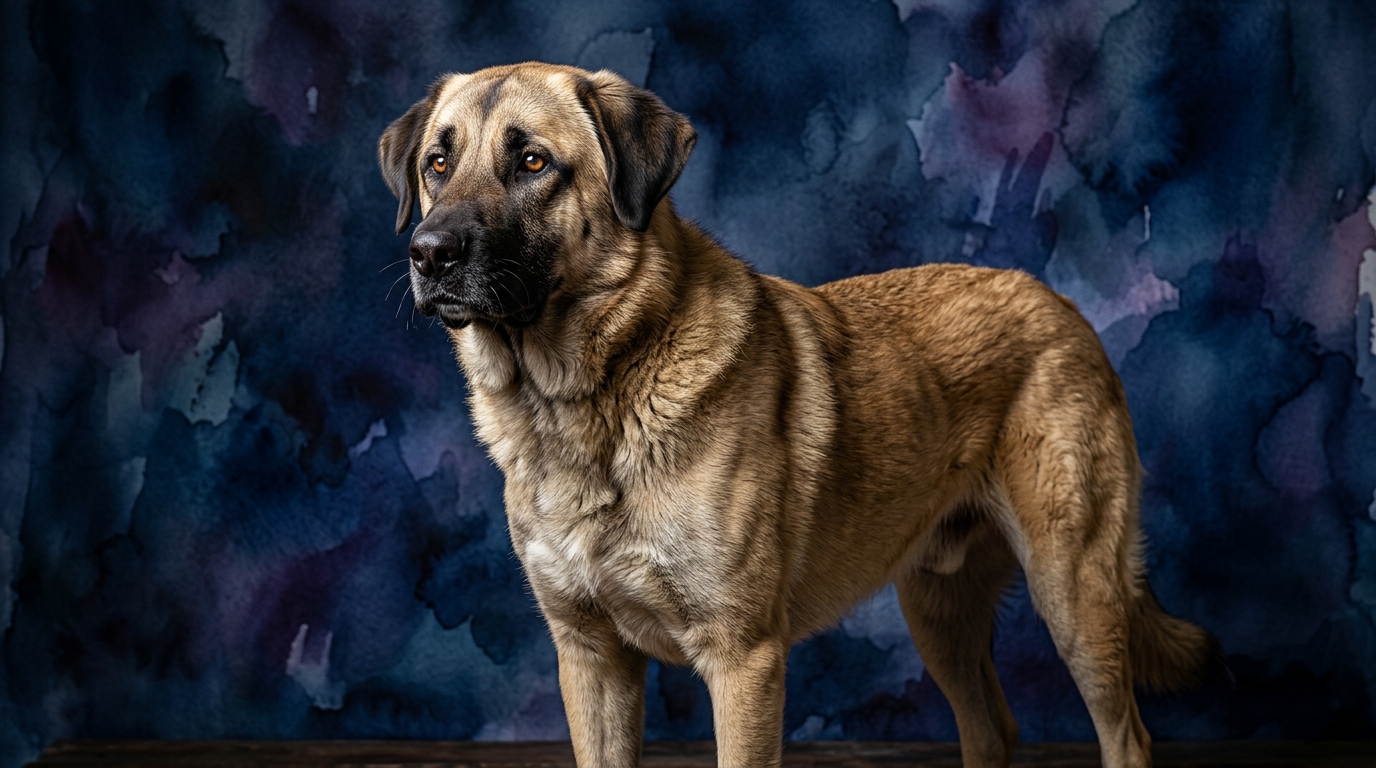
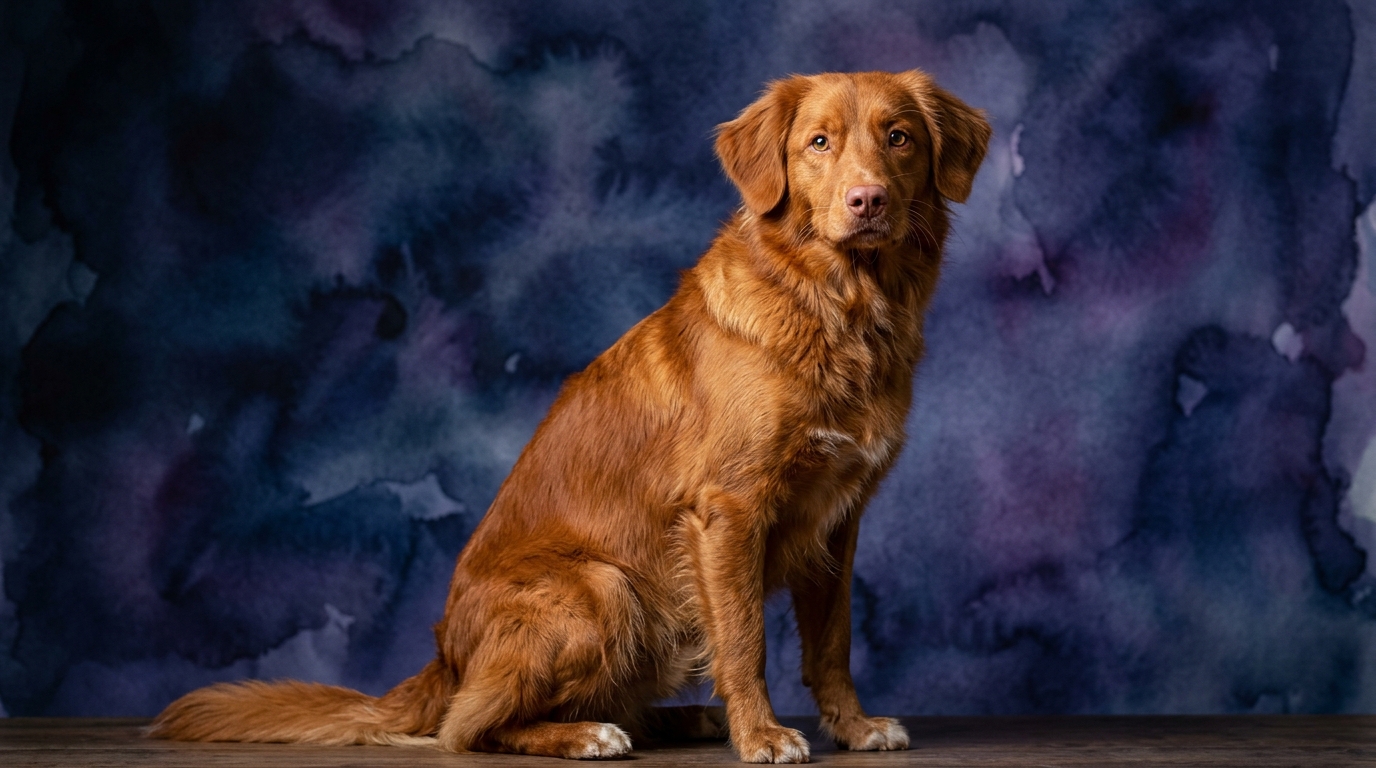
For the Anatolian Shepherd Dog, a 3/5 in problem-solving reflects their capacity for independent judgment in vast, often isolated environments. This breed excels at assessing threats to its flock without direct human command, determining the best course of action to deter predators, and navigating complex terrain—a practical, self-reliant form of cognitive application. In contrast, the Nova Scotia Duck Tolling Retriever's 3/5 in problem-solving is expressed through their strategic approach to retrieving tasks. Tollers quickly learn how to navigate challenging water currents, dense cover, or retrieve from seemingly inaccessible spots, often adapting their approach based on the specific hunting scenario and their handler's cues.
The Anatolian Shepherd Dog approaches training with a thoughtful, often questioning demeanor; their 3/5 score indicates they can learn commands, but their independent nature means they must understand the purpose behind an instruction, especially if it deviates from their guarding instincts. They aren't slow learners, but they are deliberate, requiring patience and a strong, trust-based relationship. The Nova Scotia Duck Tolling Retriever, also at 3/5, learns new tasks readily, driven by a strong desire to work alongside their human. Their enthusiasm and intense drive mean they pick up concepts quickly, though their high energy can sometimes translate into a need for focused, consistent training sessions to maintain attention and precision.
Anatolians display their 3/5 social intelligence through a nuanced understanding of their flock's dynamics and subtle environmental shifts that might signal danger. With humans, they form profound, protective bonds with their immediate family, yet are typically reserved and discerning with strangers, reading social cues to determine intent and potential threat. The Nova Scotia Duck Tolling Retriever's 3/5 social intelligence manifests as a deep attunement to their handler's emotions and intentions, making them exceptionally cooperative partners. They thrive on shared activities and are adept at interpreting human body language and vocal tones, focusing their social acumen on synergistic work and companionship.
The Anatolian Shepherd Dog's 3/5 instinctive drive is overwhelmingly centered on guardianship. Their inherent urge to protect their territory and charges, whether livestock or family, is a powerful motivator that shapes their every interaction and decision. This drive is not merely a learned behavior but an intrinsic part of their being. For the Nova Scotia Duck Tolling Retriever, a 3/5 instinctive drive is channeled into their namesake activity: retrieving and "tolling." Their innate desire to work game, coupled with their unique luring movements, is a potent and focused instinct that defines their purpose and provides immense satisfaction when fulfilled.
Anatolians, scoring 3/5 in memory, possess a robust recall for their established territories, the layout of their environment, and previous encounters with individuals or potential threats. This memory supports their protective duties, allowing them to recognize patterns and deviations. The Nova Scotia Duck Tolling Retriever's 3/5 memory is equally strong but often applied to recalling complex training sequences, the location of retrieved items, and specific commands. Their ability to retain detailed information over time is crucial for their performance in hunting scenarios and various dog sports.
Where the Anatolian Shepherd Dog's Cognition Shines
The Anatolian Shepherd Dog excels in scenarios demanding autonomous decision-making and subtle environmental vigilance. Their problem-solving (3/5) is uniquely geared towards independent threat assessment in dynamic, expansive environments, requiring them to make critical judgments without human prompting. This cognitive strength allows them to effectively manage livestock and secure vast properties, relying on their deep memory (3/5) of established routines and potential dangers, alongside their instinctive drive (3/5) for protection. Their social intelligence (3/5) in this context is less about eager cooperation and more about discerning trustworthiness and identifying anomalies within their perceived territory.
Where the Nova Scotia Duck Tolling Retriever's Cognition Excels
The Nova Scotia Duck Tolling Retriever's cognitive strengths lie in collaborative problem-solving and adaptable, focused work alongside a human partner. Their problem-solving (3/5) is quickly applied to practical tasks like navigating obstacles to retrieve, while their training speed (3/5) allows them to rapidly acquire and execute complex sequences of commands. This is bolstered by their exceptional social intelligence (3/5), which enables them to read and respond to their handler's cues with precision, and their intense instinctive drive (3/5) for retrieving, which provides sustained motivation. Their memory (3/5) is particularly adept at recalling intricate task instructions and environmental details pertinent to their work.
Training Dynamics: Independence vs. Cooperation
When it comes to ease of training, the Nova Scotia Duck Tolling Retriever generally offers a more straightforward path for typical obedience and dog sports. Their inherent desire to partner and strong drive to please their human (reflected in their 3/5 social intelligence and instinctive drive) means they are often eager participants in training sessions, quickly absorbing new commands. Their training speed (3/5) is optimized by their focus on cooperative tasks, making them responsive to positive reinforcement and clear guidance.
The Anatolian Shepherd Dog presents a different training experience. While their training speed is also rated 3/5, their deep-seated independence and guardian instincts mean they often evaluate commands based on their perceived relevance to their primary purpose. They might not immediately comply if a command conflicts with their role as a protector or if they don't see the immediate utility. Training an Anatolian requires immense patience, consistent leadership, and a profound understanding of their unique motivations, focusing on building a respectful partnership rather than expecting blind obedience. Their problem-solving (3/5) is about making their own decisions, which can sometimes manifest as a challenge in traditional obedience.
Matching Breeds to Owner Lifestyles
For owners seeking a companion that thrives on constant engagement, outdoor adventures, and structured activities, the Nova Scotia Duck Tolling Retriever is an ideal match. Their high energy levels and intense instinctive drive (3/5) for work demand significant physical exercise and mental stimulation, making them perfect for active individuals or families who enjoy hiking, running, dog sports, or hunting. A Toller will flourish with an owner who can consistently provide outlets for their intelligence and drive, transforming their enthusiasm into focused, cooperative behavior.
The Anatolian Shepherd Dog, while not a couch potato, suits a different kind of owner. They require a secure, spacious environment and an owner who understands their need for purpose and independent thought. They are not necessarily "active" in the sense of needing to jog miles daily, but they need mental engagement related to their guarding instincts and consistent, calm leadership to manage their protective nature. They are more suited to owners who appreciate a steadfast, self-reliant presence and can provide a stable, predictable environment where their social intelligence (3/5) and memory (3/5) can be applied to their guardianship role, rather than constant human-directed activity.
The Verdict
Opt for the Anatolian Shepherd Dog if you seek an independent, steadfast guardian for your property or family, and are prepared to provide ample space, consistent, calm leadership, and understand their inherent protective instincts.
Select the Nova Scotia Duck Tolling Retriever if you are an active, engaged owner who thrives on outdoor adventures, dog sports, and desires a cooperative, energetic partner eager to work alongside you.
🧠 Find Your Pet's IQ Score
Our Pet IQ Lab assessment covers 25+ tests across 5 cognitive dimensions — personalized to your breed.
Take the Full IQ Test →Frequently Asked Questions
Do identical IQ scores mean these dogs are equally smart?
Not exactly. Identical scores (like 3/5) indicate a similar level of cognitive ability within each dimension, but the manifestation of that intelligence varies greatly based on breed purpose and inherent traits. It's about how they apply their cognitive skills, not just the raw capacity.
Which breed is better for a first-time dog owner?
The Nova Scotia Duck Tolling Retriever, with proper guidance, might be more manageable for a first-time owner due to their eagerness to please and cooperative nature in training. The Anatolian Shepherd Dog's independence and strong guarding instincts require a more experienced owner capable of firm, consistent leadership.
Can a Nova Scotia Duck Tolling Retriever be a guardian dog?
While Tollers are alert and will bark at intruders, their primary instinctive drive is retrieving and partnership, not independent guardianship like the Anatolian. They lack the inherent territoriality and protective decision-making that defines a true livestock or property guardian.