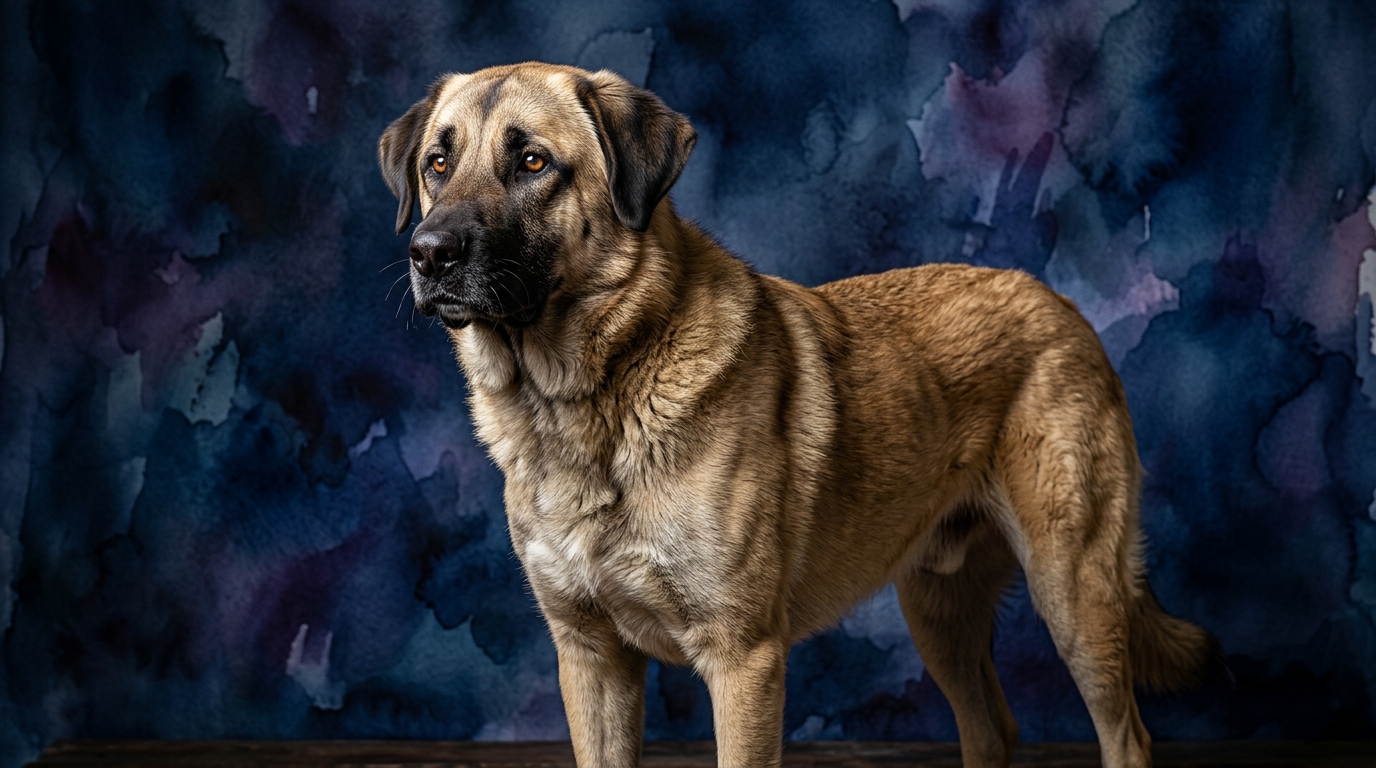
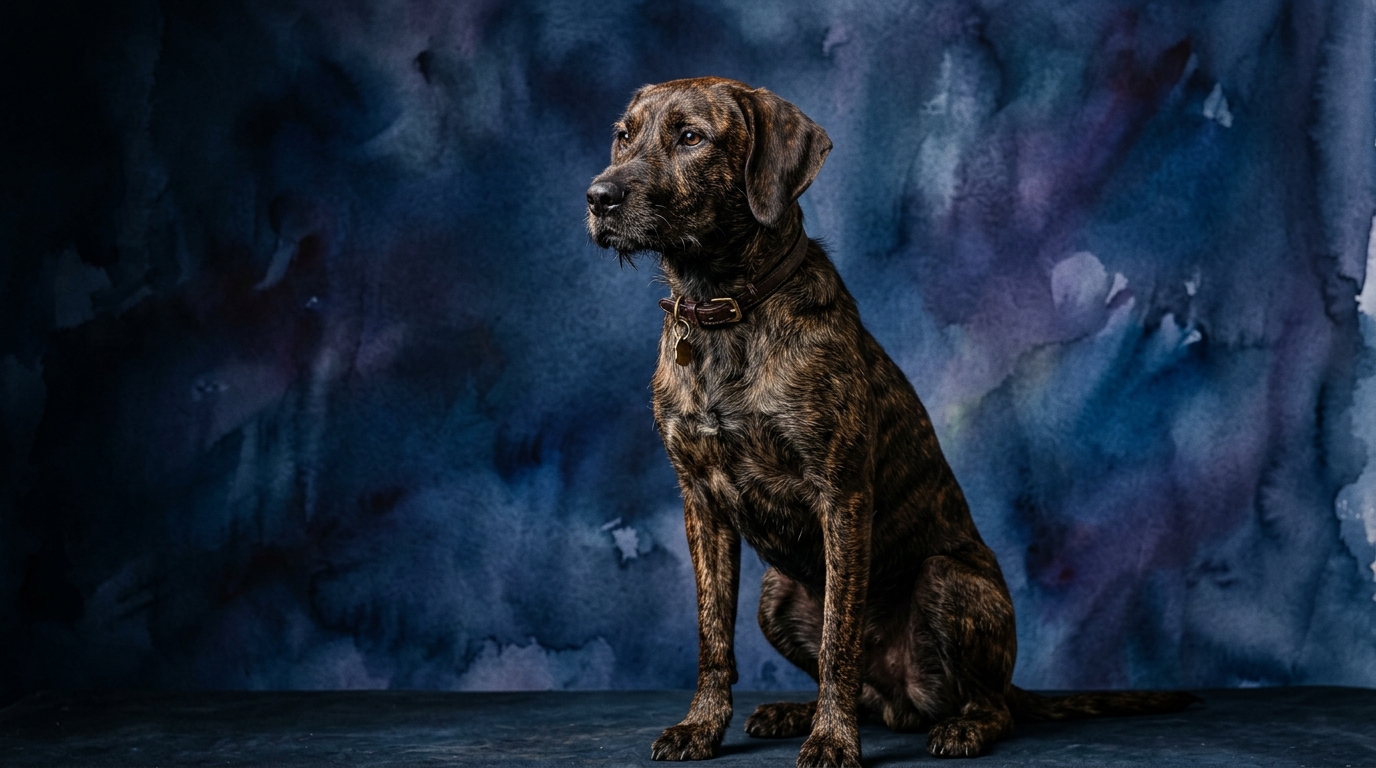
Side-by-Side IQ Profile: Interpreting Identical Scores
The Cosmic Pet Pet IQ Lab rates both Anatolian Shepherd Dogs and Plott Hounds with a 3/5 across problem solving, training speed, social intelligence, instinctive drive, and memory. While the numerical scores are identical, the manifestation of these cognitive dimensions is profoundly influenced by each breed's historical role and inherent temperament. Understanding these nuances is key to appreciating their distinct forms of canine intelligence.
For Problem Solving (3/5), the Anatolian’s score reflects their capacity for independent strategic thinking in livestock protection. They must assess threats, decide on appropriate responses without direct human command, and adapt to changing environmental conditions to keep their flock safe. Their problem-solving is often about proactive defense and territorial management. The Plott Hound’s 3/5 in problem solving manifests in their ability to untangle complex scent trails, navigate challenging terrain, and overcome obstacles to locate quarry. Their cognitive efforts are geared towards sequential deduction and persistent pursuit, requiring them to “solve” the puzzle of a lost scent or a hidden target.
Regarding Training Speed (3/5), an Anatolian’s score signifies a breed that learns, but often on its own terms. Their independence, a cornerstone of their guardian role, can translate to a perceived stubbornness in formal obedience. They absorb commands and routines, but their execution is often weighed against their primary duties and internal motivations, requiring patient and consistent instruction built on mutual respect. For the Plott Hound, a 3/5 indicates they learn quickly when highly motivated, particularly by scent work or the prospect of a chase. However, their single-minded focus on a trail can make them selectively deaf to commands, meaning training requires high-value rewards and methods that tap into their innate drive, rather than trying to suppress it.
Social Intelligence (3/5) in the Anatolian is deeply rooted in their protective instincts. They are adept at reading the nuanced behaviors of their livestock, distinguishing between a playful lamb and a genuine threat, and understanding the intentions of unfamiliar humans or animals entering their territory. With their family, they form profound, quiet bonds, communicating through subtle cues. The Plott Hound’s 3/5 social intelligence is expressed through their pack dynamics and interaction with their human hunting partners. They skillfully interpret the body language and vocalizations of other hounds and respond to a handler’s commands and intentions during a hunt, demonstrating a strong capacity for cooperative effort and communication within their working group.
Both breeds possess strong Instinctive Drive (3/5), but these drives are channeled differently. The Anatolian’s drive is primarily territorial and protective, an unwavering commitment to guarding their flock or family. This manifests as vigilance, a readiness to deter intruders, and a deep-seated need to maintain order within their perceived domain – a drive for preservation and defense. The Plott Hound’s 3/5 instinctive drive is overwhelmingly a prey drive, a powerful urge to track, chase, and corner quarry. This drive fuels their endurance, their focus on scent, and their characteristic vocalizations – a drive for pursuit and culmination of the hunt.
Finally, Memory (3/5) for an Anatolian is critical for retaining detailed information about their territory, recognizing recurring threats, remembering routines, and recalling past interactions with specific individuals or animals. This memory contributes to their reliability as guardians, allowing them to anticipate and adapt. The Plott Hound’s 3/5 memory is specialized for recalling complex scent patterns, remembering specific training cues associated with different phases of a hunt, and learning the most efficient routes through varied terrain. Their memory serves their tracking prowess, allowing them to build a mental map of scents and strategies over time.
Where the Anatolian Shepherd Dog Wins Cognitively
The Anatolian Shepherd Dog’s cognitive strengths truly shine in scenarios requiring autonomous decision-making and strategic vigilance, areas where their 3/5 problem-solving and memory scores translate into superior performance. Unlike many breeds that rely heavily on human direction, the Anatolian was bred to operate independently, often for days or weeks at a time, making complex judgments about threats to their livestock. Their problem-solving isn't about following a trail, but about assessing a situation – discerning a predator from a harmless passerby, deciding whether to deter or engage, and determining the safest course of action for their charges without a handler's immediate input. This involves a sophisticated understanding of their environment and the behavior of other creatures within it. Their memory isn't just about recalling commands; it's about remembering specific threats, the boundaries of their territory, and the individual temperaments of their flock, allowing them to anticipate and act proactively. This unique blend of independence and strategic thinking gives them an edge in roles demanding self-sufficiency and nuanced threat assessment.
Where the Plott Hound Wins Cognitively
The Plott Hound's cognitive prowess, despite matching scores, demonstrates a distinct advantage in domains demanding exceptional sensory processing and unwavering focus, particularly in scent work. Their 3/5 problem-solving and memory are geared towards the intricate task of tracking. A Plott Hound excels at distinguishing and isolating a specific scent from a myriad of competing odors, a cognitive feat that requires intense concentration and an ability to process vast amounts of olfactory data simultaneously. They don't just follow a trail; they interpret its nuances, discerning age, direction, and even the subtle shifts in scent as the quarry moves. This relentless, single-minded pursuit requires an extraordinary capacity for sustained attention and the ability to mentally reconstruct a path from ephemeral cues. Their memory is specialized for recalling these complex scent patterns and the strategies for navigating them, making them unparalleled in tasks requiring persistent, sensory-driven deduction. This specialized cognitive architecture sets them apart in the world of tracking and pursuit.
Which is Easier to Train and Why
Despite both breeds scoring 3/5 in training speed, the “easier” label is highly dependent on the owner's approach and expectations, rooted in their breed-specific behaviors. The Anatolian Shepherd Dog, with its deeply ingrained independence, often requires a patient, respectful, and consistent trainer who understands their guardian nature. They are not typically eager to please in the conventional sense; rather, they respond best to clear, fair leadership and tasks that align with their protective instincts. Their 3/5 training speed means they *can* learn, but their internal motivation often overrides external commands, making recall challenging if they perceive a more pressing “duty.” Training an Anatolian means building a strong partnership where they trust your judgment, rather than demanding blind obedience.
The Plott Hound, while also scoring 3/5, presents a different training challenge. Their powerful instinctive drive for scent work means they can be incredibly focused and trainable *when that drive is engaged*. However, this single-mindedness can make them notoriously difficult to divert once they've latched onto a scent. Their 3/5 training speed is evident in how quickly they pick up hunting commands, but their selective hearing in the face of an interesting trail means constant reinforcement and high-value rewards are essential. For a Plott, training is often about managing their instincts and channeling their focus, rather than overcoming independence. Therefore, neither is “easier” universally; the Anatolian demands understanding of their self-reliant nature, while the Plott requires mastery of their powerful instincts.
Which Suits Active Owners vs. Relaxed Owners
Neither the Anatolian Shepherd Dog nor the Plott Hound are ideal choices for a truly “relaxed” owner, as both breeds possess significant energy and mental stimulation requirements stemming from their working heritage. An active owner, however, might find either breed a rewarding companion, depending on their preferred activities.
The Anatolian Shepherd Dog, though not a high-octane running partner, requires an owner active enough to provide a secure, expansive territory to patrol and mental engagement consistent with their guardian role. They thrive on having a “job,” whether it's overseeing a property, livestock, or simply being a watchful family protector. Their exercise needs are moderate but consistent, often satisfied by long, purposeful walks where they can observe their surroundings, or structured “patrols” of their yard. An owner who appreciates their calm vigilance and independent nature, and can provide ample space and mental stimulation through their guardian instincts, would be well-suited.
The Plott Hound, in contrast, is undeniably suited for highly active owners who can meet their intense physical and mental demands. Their instinctive drive, rated 3/5, dictates a need for vigorous daily exercise that goes beyond a simple walk around the block. They excel in activities like long-distance running, hiking, scent work, and other dog sports that engage their incredible stamina and keen nose. An owner who enjoys outdoor adventures, is committed to consistent training, and can provide outlets for their powerful tracking instincts will find a Plott Hound to be an enthusiastic and tireless partner. For an owner seeking a quiet, sedentary companion, both breeds would likely prove overwhelming, but the Plott's physical demands are arguably more pronounced and less adaptable.
The Verdict
Choose the Anatolian Shepherd Dog if you seek a stoic, independent guardian for your property or family, appreciating a dog whose cognitive strengths lie in autonomous decision-making and nuanced threat assessment. They thrive with owners who understand their self-reliant nature and provide a clear role as a protector.
Opt for the Plott Hound if you're an active adventurer seeking a relentless, scent-driven partner for outdoor pursuits, valuing a dog whose cognitive abilities excel in complex sensory processing and sustained, single-minded focus on a task. They require an owner committed to channeling their powerful hunting instincts.
🧠 Find Your Pet's IQ Score
Our Pet IQ Lab assessment covers 25+ tests across 5 cognitive dimensions — personalized to your breed.
Take the Full IQ Test →Frequently Asked Questions
Are Anatolian Shepherd Dogs good family pets despite their guardian instincts?
Yes, Anatolians can be devoted family pets, especially if raised with children and other animals. Their social intelligence (3/5) ensures strong bonds with their immediate family, though their protective nature means they are often reserved with strangers and require early socialization to manage their territorial instincts.
Do Plott Hounds bark a lot, given their hunting background?
Plott Hounds are indeed known for their distinctive “baying” vocalizations, which are an integral part of their hunting communication. While not incessant, their instinctive drive (3/5) means they may bay when tracking a scent or when excited, and this trait requires understanding and management from their owners.
How much exercise do these breeds truly need daily?
Both breeds are working dogs, so their exercise needs are substantial. An Anatolian Shepherd Dog requires moderate, purposeful exercise like long walks or property patrols, ideally with a large, secure yard. A Plott Hound demands vigorous daily activity, such as long runs, hikes, or dedicated scent work, to satisfy their high energy and powerful instinctive drive for pursuit.