A Side-by-Side Look at Cognitive Profiles
At first glance, the cognitive profiles of the Anatolian Shepherd Dog and the Polish Lowland Sheepdog appear identical across The Cosmic Pet Pet IQ Lab's five dimensions. Both breeds register a 3 out of 5 for Problem Solving, Training Speed, Social Intelligence, Instinctive Drive, and Memory. This parity, however, does not suggest a lack of distinction; rather, it invites a deeper, contextual analysis of how these shared scores manifest within their very different breed histories and purposes.
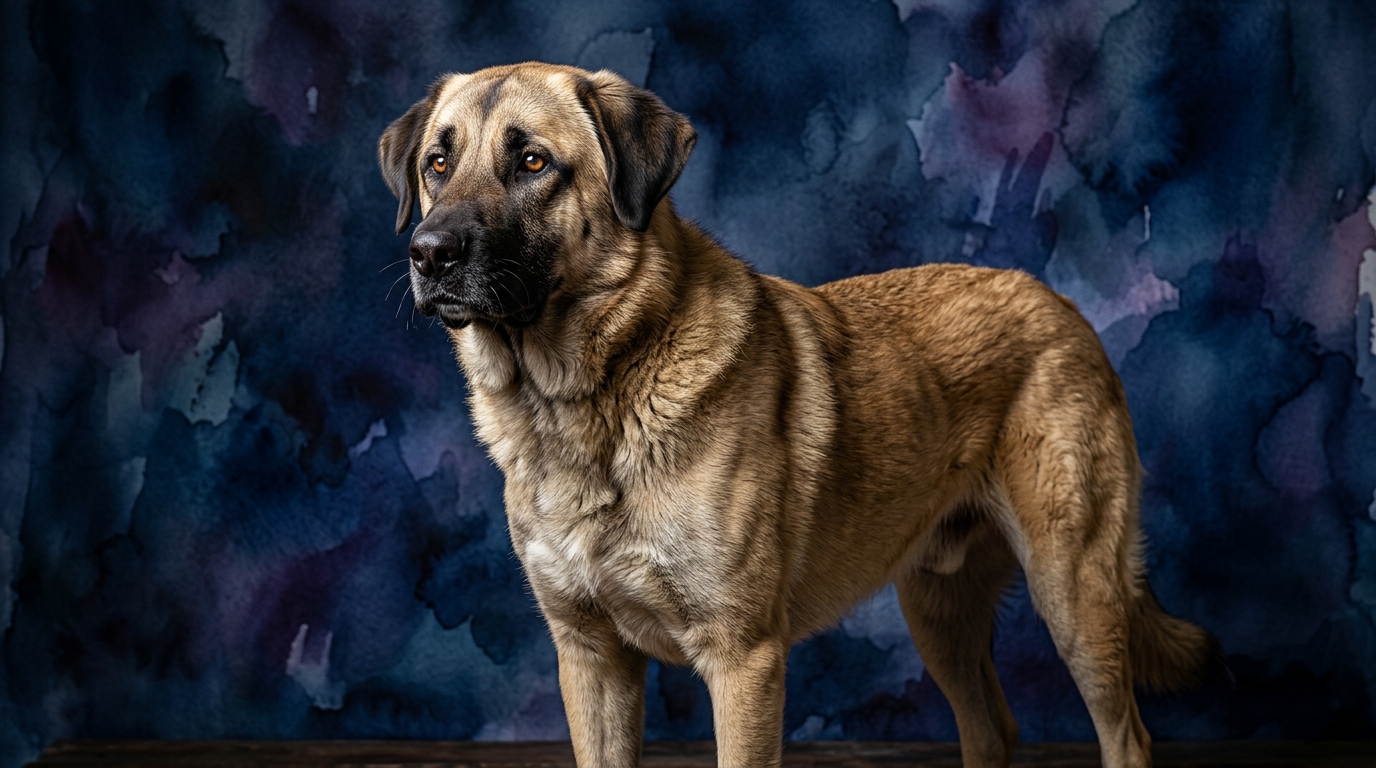
The Anatolian Shepherd Dog, a majestic guardian breed, displays its 3/5 scores through a lens of independence and protection. Its problem-solving capacity is often directed at assessing environmental threats and making autonomous decisions to safeguard its flock or territory. Training speed, while moderate, reflects a deep-seated self-reliance rather than a deficiency in learning. Social intelligence focuses on discerning friend from foe, while its instinctive drive is powerfully channeled into watchful guardianship, all supported by a memory that tracks long-term patterns within its domain.
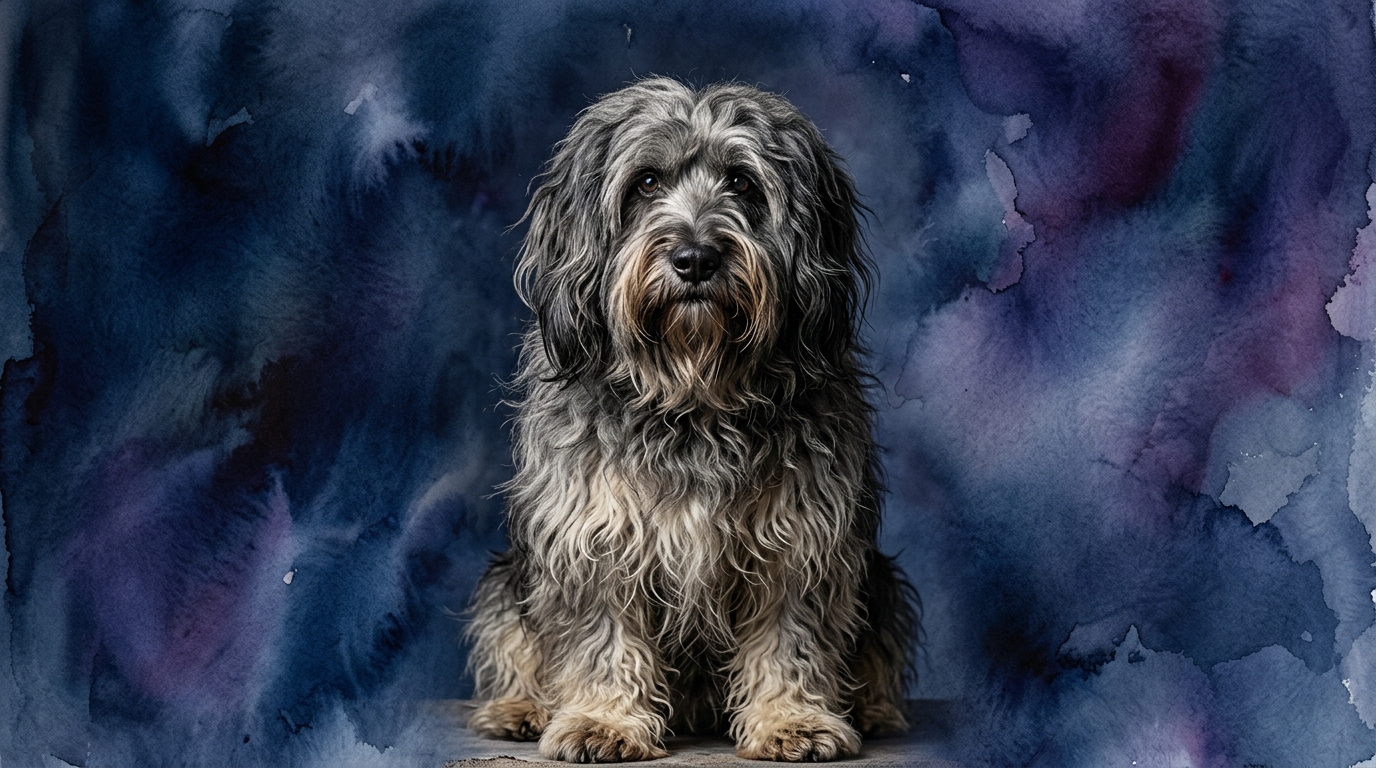
Conversely, the Polish Lowland Sheepdog (PON), a lively herding dog, expresses its identical 3/5 scores through engagement and responsiveness. Its problem-solving is dynamic, geared towards maneuvering livestock and adapting strategies on the move, often in concert with a handler. The PON's training speed, though the same rating, often appears more cooperative because its inherent drive is to participate and respond to human direction. Its social intelligence thrives on understanding handler cues and flock dynamics, with an instinctive drive for precise control and a memory adept at retaining complex commands and routines.
Where the Anatolian Shepherd Dog Exhibits Distinct Cognitive Strengths
The Anatolian Shepherd Dog's cognitive strengths are deeply rooted in its ancient role as a livestock guardian. Its Problem Solving at 3/5 is not about fetching a thrown ball, but about strategic assessment: identifying potential threats, evaluating the safest course of action for its charges, and making independent decisions often far from human oversight. This involves complex spatial reasoning and predictive behavior, anticipating the movements of predators or trespassers and positioning itself effectively. Their Instinctive Drive, also 3/5, is a powerful, unwavering commitment to protection, manifesting as a calm vigilance that can erupt into formidable action when necessary, all without needing constant instruction.
Their Social Intelligence, rated 3/5, is finely tuned to the nuances of their immediate 'flock'—be it sheep or human family—and a cautious wariness towards outsiders. This isn't about universal sociability, but about discerning loyalty and threat within their perceived social structure. The Anatolian's Memory (3/5) serves this purpose by retaining detailed knowledge of their territory, the individuals within it, and patterns of past events, allowing them to build a comprehensive mental map of their protective duties. This memory contributes to their consistent, reliable guardianship over extended periods.
Where the Polish Lowland Sheepdog Shows Unique Cognitive Aptitudes
The Polish Lowland Sheepdog's cognitive aptitudes are a testament to its herding heritage, where quick thinking and adaptability are paramount. Its Problem Solving at 3/5 shines in dynamic, fluid situations, such as anticipating the unpredictable movements of a flock and devising split-second strategies to guide them. This requires not just intelligence but agility of thought, often involving complex spatial awareness and the ability to course-correct in real-time. Their Instinctive Drive, also 3/5, is a highly refined impulse to gather and control, manifesting as focused energy and a strong desire to work collaboratively, making them adept at various canine sports and tasks.
A PON's Social Intelligence (3/5) is particularly geared towards understanding and responding to human communication, often picking up on subtle cues and intentions from their handler. This makes them highly communicative and responsive partners, eager to engage in joint activities. Their Memory (3/5) is excellent for retaining a vast repertoire of commands, sequences, and routines, which is crucial for complex herding patterns or advanced obedience work. This robust memory allows them to build upon learned behaviors efficiently, contributing to their versatility and trainability in structured environments.
Navigating Training: A Tale of Two Approaches
Both breeds share a Training Speed rating of 3/5, indicating a moderate pace of learning. However, the *approach* to training and the owner's experience will significantly influence the perceived ease. This isn't about one breed being inherently 'smarter' in the classroom, but about their core motivations and how they process instruction.
For the Anatolian Shepherd Dog, training often requires immense patience and a deep understanding of their independent nature. They learn, but they often process commands through the lens of their guardian instincts, sometimes questioning the necessity or efficacy of a task if it doesn't align with their perceived duty. Consistency, clear expectations, and building a foundation of trust are critical. Repetitive drills might be met with disinterest, as their 3/5 training speed is less about eager compliance and more about thoughtful, deliberate assimilation of information that serves their protective role.
The Polish Lowland Sheepdog, despite the same 3/5 training speed, often appears more cooperative and eager during training sessions. Their herding background instills a desire to work *with* a handler and find purpose in tasks. They grasp concepts readily and enjoy interactive learning, making them excellent candidates for advanced obedience, agility, or rally. Their 3/5 training speed is often perceived as a willingness to engage in repetition when it leads to a clear outcome or a valued interaction with their human, making them generally more responsive to traditional reward-based methods.
Matching Canine Minds to Lifestyles
The cognitive differences between these two breeds mean they are suited for vastly different owner lifestyles, even with similar IQ scores. It's less about raw intellect and more about how that intellect is channeled and what kind of daily engagement fulfills their inherent drives.
Anatolian Shepherds are ideal for owners who appreciate an independent, watchful companion and can provide ample space and a clear sense of purpose, even if that purpose is guarding the family home. Their mental stimulation often comes from monitoring their environment, assessing situations, and making their own 'decisions' within their territory. They are not typically suited for owners seeking a dog for constant, high-energy interactive play or competitive obedience. Their cognitive needs lean towards observational vigilance and strategic protection, making them suitable for owners with a more 'relaxed' interaction style who respect their autonomy.
Polish Lowland Sheepdogs, conversely, thrive with active owners who can provide consistent mental and physical challenges. Their herding background demands regular engagement through activities that stimulate their quick minds and channel their energetic drive. They excel in canine sports, advanced obedience, and puzzle-solving tasks that allow them to 'work' alongside their human. They are best suited for owners who enjoy daily structured activities, training sessions, and interactive play, fulfilling their need for partnership and purposeful activity.
The Verdict
Choose the Anatolian Shepherd Dog if you seek an independent, steadfast guardian who makes calculated decisions within its domain and values a deep, respectful partnership over constant direct instruction.
Opt for the Polish Lowland Sheepdog if you desire an an engaged, responsive partner eager to learn and participate in joint activities, thriving on mental and physical challenges alongside their human.
🧠 Find Your Pet's IQ Score
Our Pet IQ Lab assessment covers 25+ tests across 5 cognitive dimensions — personalized to your breed.
Take the Full IQ Test →Frequently Asked Questions
Do Anatolian Shepherds or Polish Lowland Sheepdogs require more mental stimulation?
While both breeds possess a 3/5 problem-solving ability, their stimulation needs differ. Anatolians are mentally engaged by monitoring their territory and making independent guardian decisions, often preferring observational roles. PONs, conversely, thrive on interactive mental tasks, requiring more direct engagement through training, puzzles, and activities that challenge their herding instincts.
Are either of these breeds suitable for first-time dog owners?
Neither breed is typically recommended for first-time dog owners due to their strong working instincts and specific cognitive needs. Anatolians require an owner experienced in handling independent, protective breeds, while PONs need someone adept at channeling their energetic herding drives into constructive activities and consistent training from an early age.
How does their social Intelligence (3/5) manifest differently?
For the Anatolian Shepherd, a 3/5 social intelligence often means they are adept at discerning intentions within their perceived flock and territory, but are reserved with strangers, prioritizing protection. The Polish Lowland Sheepdog's 3/5 social intelligence is typically expressed through a keen awareness of their human's moods and cues, alongside an ability to read and influence livestock behavior through subtle interactions.