Side-by-Side IQ Profile: Unpacking the 3/5 Score
In The Cosmic Pet Pet IQ Lab, a score of 3/5 across our five cognitive dimensions indicates a solid, above-average capacity for learning and adaptation, signifying a capable canine mind. This rating suggests that while these breeds may not be the quickest to grasp complex abstract concepts or the most eager to please in every training scenario, they possess a robust foundation for understanding their environment and interacting with their world effectively. The true intrigue lies in how this shared numerical value translates into distinct behavioral expressions shaped by their lineage and intended purpose.
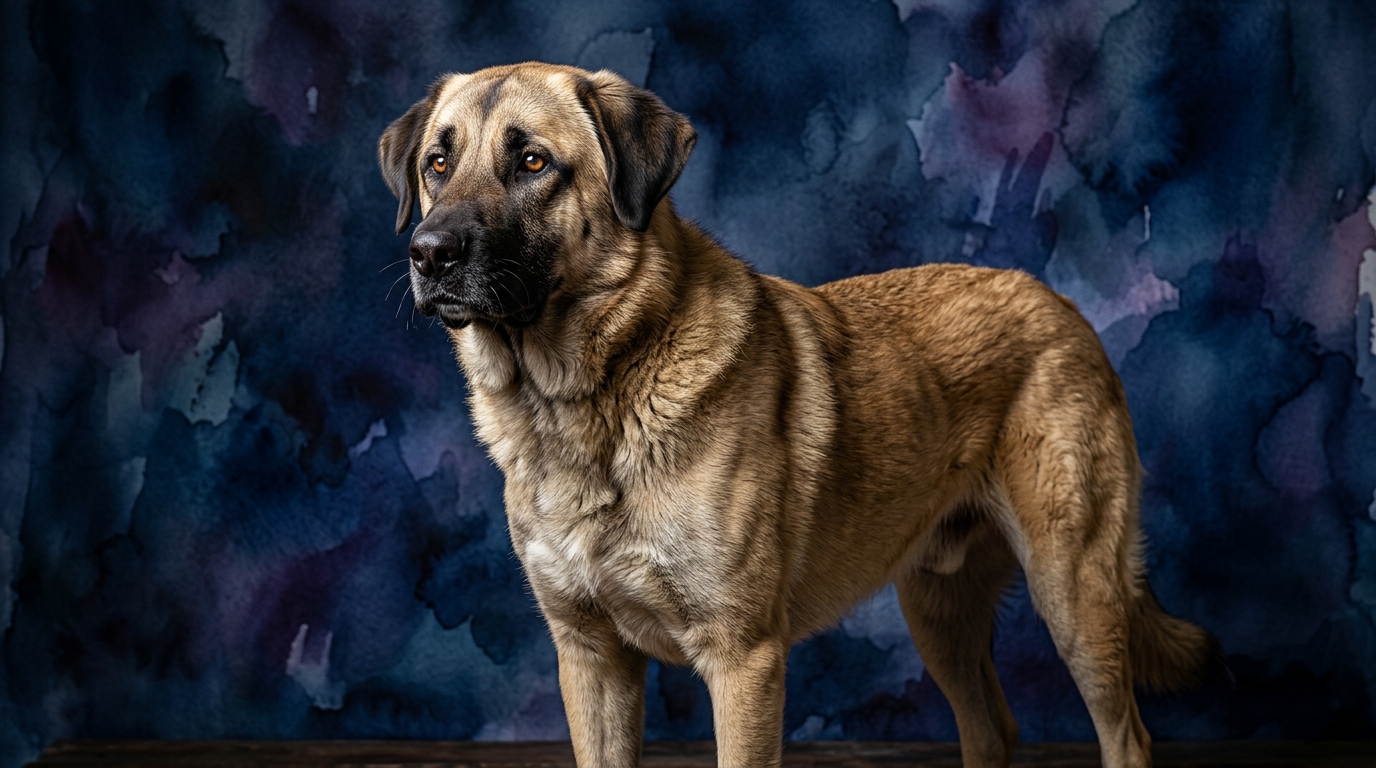
For the Anatolian Shepherd Dog, a 3/5 in Problem Solving reflects a methodical approach to assessing threats or tasks, often relying on established patterns and independent judgment derived from their guardian heritage. Their Training Speed at 3/5 implies they are capable learners, though not typically driven by a desire for constant human approval, requiring patient, consistent, and purpose-driven methods. Social Intelligence at 3/5 means they are astute observers of their immediate family and livestock, discerning friend from foe, but often reserved with outsiders. Their Instinctive Drive, also 3/5, is profoundly rooted in their territorial and protective behaviors, forming the core of their decision-making. Finally, a Memory score of 3/5 highlights their ability to retain routines, commands, and critically, to remember individuals and territorial boundaries with accuracy.
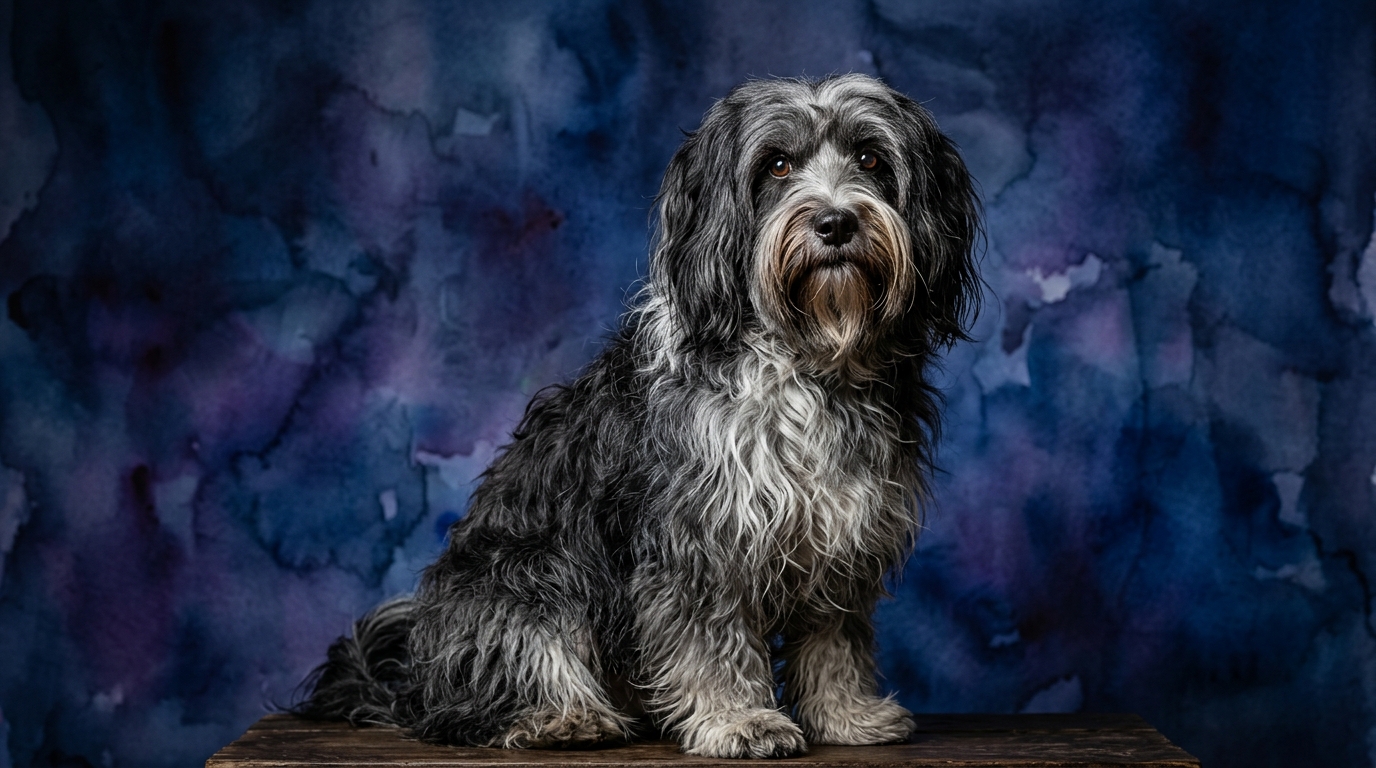
The Tibetan Terrier, also scoring 3/5 across the board, expresses these capacities differently. Their Problem Solving at 3/5 often manifests as resourcefulness in navigating complex household dynamics or cleverly achieving desired outcomes, such as securing attention or accessing forbidden spaces. A 3/5 in Training Speed means they learn well with engaging, positive reinforcement, though their independence might require creative approaches to maintain focus. Their Social Intelligence at 3/5 reflects a keen awareness of human emotions and family dynamics, making them perceptive companions, albeit sometimes discerning with strangers. The Instinctive Drive at 3/5 is less about livestock guarding and more about companionship, alertness (often expressed as alarm barking), and an independent spirit. Their Memory at 3/5 ensures they retain commands, routines, and experiences, remembering people and places vividly, which can contribute to their sometimes mischievous charm.
Where the Anatolian Shepherd Dog Excels Cognitively
The Anatolian Shepherd Dog's cognitive strengths are profoundly tied to their historical role as independent livestock guardians. Their 3/5 scores, particularly in problem-solving and social intelligence, are amplified by their powerful 3/5 instinctive drive for protection, allowing them to excel in autonomous decision-making in challenging environments. They demonstrate a superior capacity for assessing environmental threats, distinguishing genuine dangers from innocuous events, and making independent judgments to safeguard their charges—be it livestock or family—without constant human direction. Their memory is exceptionally tuned to spatial awareness and the recognition of territorial integrity, remembering boundaries and perceived intruders with unwavering consistency.
While not listed on Coren's rankings, their problem-solving ability is a testament to practical, real-world application in a solitary, high-stakes context. They don't require human prompting to 'figure things out' within their domain; instead, they operate with an internal compass shaped by centuries of selective breeding for self-sufficiency. This translates into a remarkable aptitude for vigilance and a deep understanding of their territory, making them unparalleled in situations demanding independent thought and steadfast determination.
Where the Tibetan Terrier Shines Cognitively
The Tibetan Terrier, in contrast, showcases cognitive brilliance rooted in their companion and alert dog heritage. Their 3/5 scores, especially in social intelligence and problem-solving, manifest as remarkable adaptability and a nuanced understanding of human social cues. They excel at navigating the complexities of human households, quickly learning routines, anticipating owner needs or desires, and often employing clever strategies to engage their humans. Their cognitive strengths are evident in their capacity for interactive learning and their ability to integrate seamlessly into a family unit, often with a mischievous and endearing flair. They are adept at 'reading the room' and adjusting their behavior accordingly.
Their Coren rank of #63 underscores a solid capacity for obedience learning, but their intelligence extends beyond mere command following. Tibetan Terriers often display creative problem-solving in their interactions, using their memory and social acumen to exploit patterns in human behavior for their benefit, whether it's coaxing an extra treat or initiating a game. This makes them highly engaging and sometimes wonderfully challenging companions, thriving on mental stimulation and playful interaction.
Training Dynamics: Anatolian Shepherd Dog vs. Tibetan Terrier
Training an Anatolian Shepherd Dog, despite their 3/5 Training Speed, requires a specific approach due to their inherent independence. They learn, but compliance is not their default setting; they often question commands if they don't perceive a clear purpose or if it conflicts with their strong guarding instincts. Owners must exhibit immense patience, consistency, and focus on building a strong, trust-based relationship. Force-based methods are counterproductive, as these dogs need to respect their trainer's authority and judgment, not fear it. Their problem-solving is geared towards autonomous action, which means they are not inherently predisposed to quick, eager obedience.
The Tibetan Terrier, also with a 3/5 Training Speed, learns quite readily, especially when motivated by positive reinforcement and engaging methods. Their independence manifests as a potential for getting bored or deciding a command isn't worth their effort if not sufficiently incentivized. They thrive on variety, praise, and reward, making training a fun, interactive experience. Their social intelligence makes them keen observers of human reactions, which they can cleverly use to their advantage, sometimes leading to willful behavior. While not as inherently resistant to direction as the Anatolian Shepherd, consistency is still key to managing their cleverness.
In essence, training the Anatolian Shepherd Dog is about convincing an independent, thoughtful guardian to accept your leadership and guidance for a shared purpose. Training the Tibetan Terrier, however, is about engaging a clever, sometimes willful companion, making learning a rewarding game that harnesses their innate resourcefulness and desire for interaction.
Lifestyle Match: Active vs. Relaxed Owners
The Anatolian Shepherd Dog is best suited for experienced, active owners who profoundly understand independent working breeds and can provide a secure, spacious environment. Their 3/5 instinctive drive for patrolling and guarding means they require a clear purpose and consistent, assertive management. They are not dogs content to be solely house pets; they need ample outdoor space to exercise their vigilance and fulfill their territorial instincts. Their social intelligence, while strong within their family, is not geared towards constant social interaction outside of their established circle, making them less suitable for owners seeking a highly gregarious canine companion.
The Tibetan Terrier, by contrast, suits owners who enjoy an active, engaging companion but do not necessarily require a working dog with intense guarding instincts. They are adaptable to various living situations, including apartments, provided they receive adequate mental stimulation and regular physical activity. Their 3/5 social intelligence thrives on close family interaction, making them excellent companions who enjoy being involved in household activities. They are clever and require owners who can match their wit, providing consistent, positive guidance and ample opportunities for play and training to prevent boredom and potential mischief.
The Verdict: Choosing Your Canine Companion
The Verdict
The Anatolian Shepherd Dog is ideal for owners seeking a steadfast, independent guardian with a profound sense of duty, who are prepared for a dog that makes its own judgments and requires consistent, experienced handling and ample space.
The Tibetan Terrier suits those desiring an engaging, adaptable, and clever companion who thrives on family interaction and requires an owner willing to engage its quick wit and independent spirit with consistent training and affection.
🧠 Find Your Pet's IQ Score
Our Pet IQ Lab assessment covers 25+ tests across 5 cognitive dimensions — personalized to your breed.
Take the Full IQ Test →Frequently Asked Questions
Do identical IQ scores mean these breeds are equally easy to live with?
No, identical IQ scores of 3/5 indicate similar potential across cognitive dimensions, but their breed-specific instincts and historical roles profoundly shape how this intelligence manifests. An Anatolian Shepherd's problem-solving focuses on guardian duties, while a Tibetan Terrier's might be geared towards household navigation, leading to very different living experiences and management needs.
How does the Coren rank difference influence their intelligence perception?
The Coren rank primarily assesses a dog's capacity for obedience and working intelligence, which is why the Tibetan Terrier ranks #63. The Anatolian Shepherd Dog's lack of a Coren rank doesn't imply lower intelligence, but rather that their cognitive strengths lie more in independent thought and autonomous decision-making for their guardian role, rather than quick, eager obedience to human commands, which isn't the primary measure for their specific intelligence.
Are Anatolian Shepherd Dogs less social than Tibetan Terriers?
While both score 3/5 in social intelligence, their expressions differ significantly. Anatolian Shepherds are profoundly social within their established family unit and with their charges, but are often reserved or wary of strangers. Tibetan Terriers are generally more open and adaptable in social settings, thriving on interaction with their human family and often engaging readily with new people once introduced, though they can also be discerning.