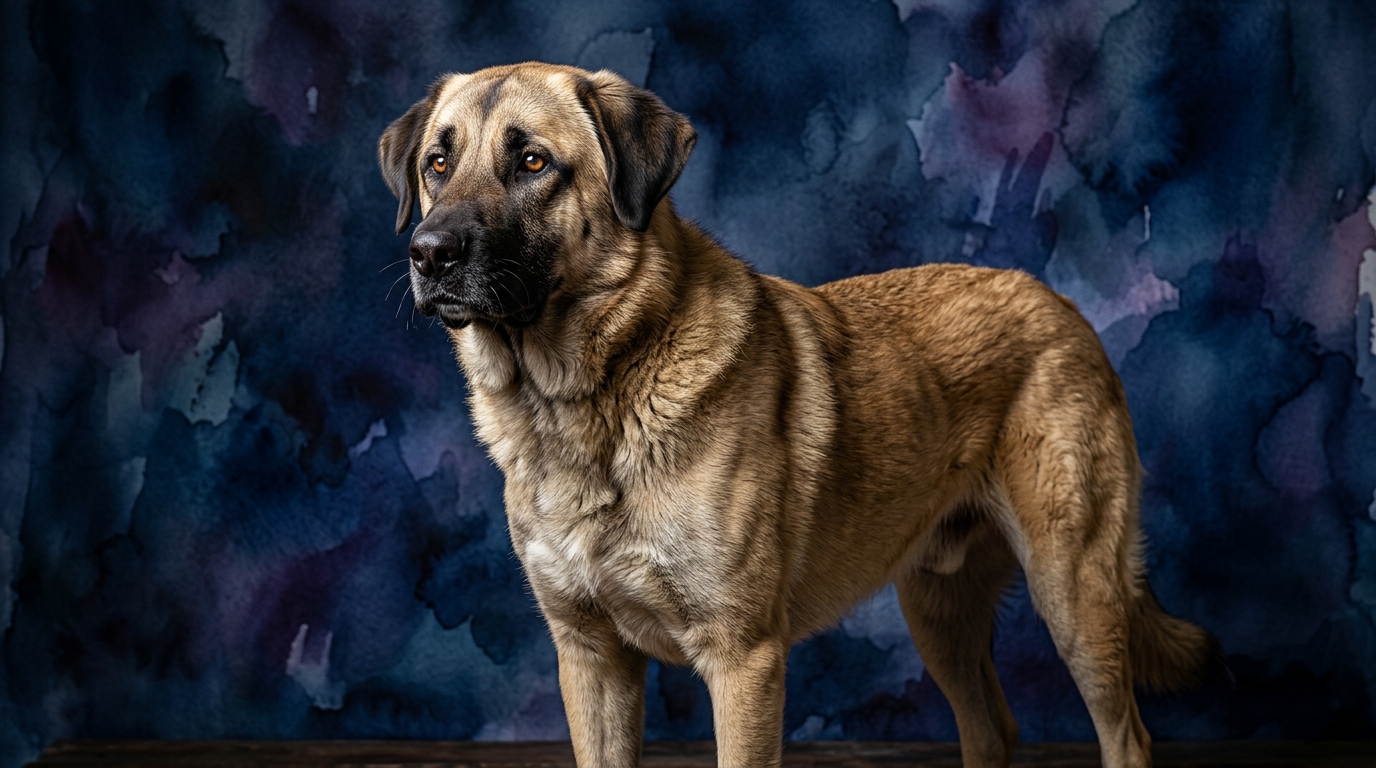
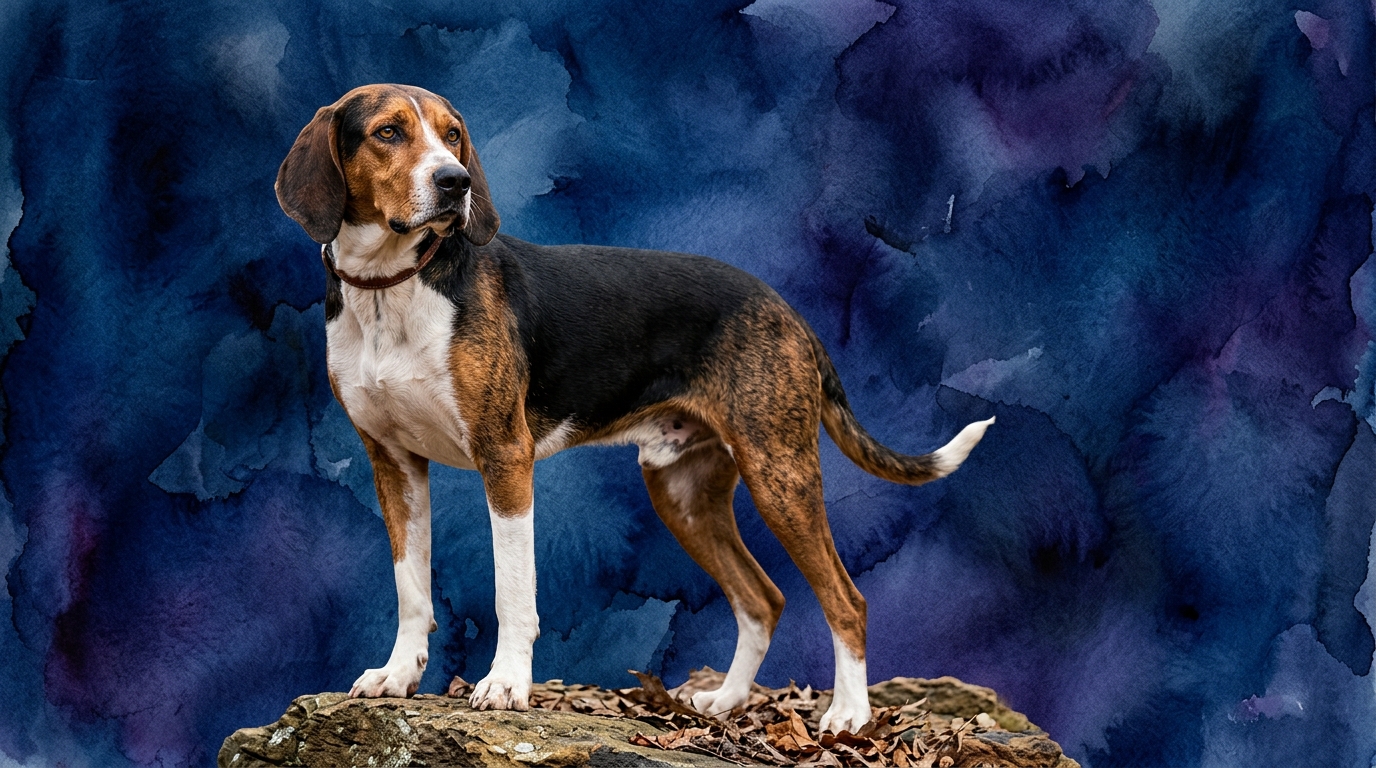
Side-by-Side IQ Profile: Guardianship vs. Pursuit
Despite sharing identical scores across our five cognitive dimensions, the application and manifestation of these abilities diverge significantly between the Anatolian Shepherd Dog and the Treeing Walker Coonhound. These scores of 3/5 for each dimension indicate a solid, functional intelligence, but one that is profoundly colored by their breed-specific mandates.
For the Anatolian Shepherd Dog, a 'Working' breed, their cognitive strengths are anchored in autonomous guardianship. Their problem-solving (3/5) is geared towards assessing threats and making independent decisions to protect livestock, often in vast, solitary environments. Training speed (3/5) reflects their capacity to learn commands, but often with an independent streak, requiring consistency to overcome their self-reliant nature. Social intelligence (3/5) is highly attuned to their flock or human family, discerning between allies and potential threats. Their instinctive drive (3/5) is powerfully focused on protection and territorial defense, a core motivator for all their actions. Memory (3/5) is vital for recalling safe boundaries, past threats, and established routines, crucial for long-term vigilance.
The Treeing Walker Coonhound, a 'Hound' breed, channels its intelligence into the art of the chase and the hunt. Their problem-solving (3/5) is a dynamic, real-time process of unraveling complex scent trails, navigating varied terrain, and locating game, a highly specialized form of cognitive engagement. Training speed (3/5) means they can learn, but their overwhelming instinctive drive often makes compliance challenging unless training is made more rewarding than a captivating scent. Social intelligence (3/5) is typically robust within their human and canine 'pack' but can become secondary when a potent scent demands their full attention. Their instinctive drive (3/5) is an all-consuming passion for tracking and treeing game, a relentless pursuit that defines their mental focus. Memory (3/5) is crucial for retaining scent profiles, successful hunting patterns, and the location of past finds, enhancing their efficiency in the field.
Where the Anatolian Shepherd Dog Excels Cognitively
The Anatolian Shepherd Dog's cognitive strengths truly shine in scenarios demanding independent judgment and strategic self-reliance. While both breeds score 3/5 in problem-solving, the Anatolian applies this to complex, long-term guardianship. They excel at autonomously assessing dynamic situations, identifying potential threats to their charges (be it livestock or family), and devising proactive or reactive strategies without constant human direction. This isn't about following a trail, but about understanding a landscape of potential danger and making nuanced decisions, like deciding when to bark, when to position themselves, or when to intervene physically.
Their social intelligence, also rated 3/5, is particularly acute in its protective application. An Anatolian develops a profound understanding of their family unit or flock's dynamics, quickly discerning who belongs and who poses a risk. This translates into a sophisticated ability to read intentions and react appropriately, making them excellent, discerning guardians. Their memory (3/5) further supports this by allowing them to catalog perceived threats and safe individuals over time, building a comprehensive mental map of their territory and its inhabitants' security.
Where the Treeing Walker Coonhound Excels Cognitively
The Treeing Walker Coonhound's cognitive prowess is undeniably centered around its extraordinary sensory processing and relentless pursuit. Their 3/5 problem-solving skill manifests as a highly specialized intelligence for deciphering intricate scent puzzles. They demonstrate an unparalleled ability to filter out environmental noise, follow faint and complex trails over diverse terrains, and persistently work towards a goal – locating the treed quarry. This requires immense focus, analytical scent discrimination, and a deep understanding of scent dynamics, a truly impressive feat of canine cognition.
Moreover, their instinctive drive, while numerically similar at 3/5, is channeled into an unwavering tenacity that few breeds can match. This drive fuels their persistence, allowing them to overcome obstacles and distractions that would deter other dogs. Their memory (3/5) plays a crucial role here, enabling them to remember successful hunting grounds, scent patterns, and the specific 'signature' of different prey animals, making them increasingly effective with experience. This focused, dynamic intelligence in the field is where the Treeing Walker Coonhound truly stands apart.
Training: Independence vs. Distraction
When it comes to training, both breeds, with their 3/5 training speed scores, present unique challenges that stem from their core temperaments and working purposes. The Anatolian Shepherd Dog is capable of learning, but their profound independence and self-reliant nature mean they are not inherently 'eager to please' in the conventional sense. They will learn commands, but they often weigh them against their own judgment, especially if a command conflicts with their perceived duty to guard. Training an Anatolian requires immense patience, consistency, and a confident leader who can earn their respect and trust, rather than simply demanding obedience. They respond best to fair, firm, and reward-based methods, but expect a dog that thinks for itself.
The Treeing Walker Coonhound's 3/5 training speed is hampered primarily by their overwhelming instinctive drive and propensity for distraction. While they can learn quickly, any captivating scent can instantly override their focus on a training session. For general obedience in a home environment, this can be incredibly frustrating. Success with a Coonhound demands high-value rewards, engaging training methods that compete with their natural urges, and an understanding that their nose will often dictate their priorities. While an Anatolian might choose not to listen, a Coonhound might simply not *hear* you over the call of a scent. Therefore, for the average pet owner seeking general obedience, the Coonhound might prove more challenging due to its intense distractibility, whereas the Anatolian's challenge lies in its strong will and independent decision-making.
Suitability for Active vs. Relaxed Owners
The Anatolian Shepherd Dog is decidedly not a breed for relaxed owners. While they might appear calm and watchful indoors, their inherent purpose demands a significant outlet for their cognitive and physical energy. They require secure, spacious environments where they can patrol and feel they have a job to do, even if it's guarding the family and property. Owners must be prepared to provide consistent boundaries, early and ongoing socialization, and mental engagement that respects their independent, protective nature. A truly relaxed owner who prefers minimal dog involvement will quickly find themselves overwhelmed by an Anatolian's needs for purpose and assertive guidance.
Similarly, the Treeing Walker Coonhound is a breed best suited for highly active owners. Their immense energy, stamina, and insatiable scent drive necessitate extensive daily exercise and mental stimulation, preferably involving scent work or long, vigorous runs in a safe, fenced area. While they can be affectionate and settle down indoors after sufficient activity, they are not content with short walks around the block. Owners must be committed to providing regular, intense physical and mental outlets for their hound's drive. A relaxed owner who cannot meet these demands will likely face issues such as destructive behaviors, excessive vocalization, and an overall restless, unfulfilled companion.
The Verdict: Choosing Your Canine Companion
Choosing between an Anatolian Shepherd Dog and a Treeing Walker Coonhound hinges entirely on an owner's lifestyle, experience, and the specific role they envision for their dog. Both breeds, despite their identical IQ scores, offer distinct cognitive profiles and behavioral patterns rooted in their ancient purposes.
The Verdict
Choose the Anatolian Shepherd Dog if you seek a formidable, independent guardian with a deep sense of duty, possess the confidence to provide consistent leadership, and have a secure environment for them to patrol. This breed thrives with owners who respect their self-reliance and understand their protective instincts.
Opt for the Treeing Walker Coonhound if you are an exceptionally active individual or family, relish outdoor adventures, and can provide ample opportunities for their intense scent drive and boundless energy. They are ideal for those who appreciate a focused, persistent companion for hunting, scent work, or vigorous outdoor activities.
🧠 Find Your Pet's IQ Score
Our Pet IQ Lab assessment covers 25+ tests across 5 cognitive dimensions — personalized to your breed.
Take the Full IQ Test →Frequently Asked Questions
Do Anatolian Shepherds make good family pets?
Yes, with early and extensive socialization, consistent training, and clear boundaries, Anatolian Shepherds can be devoted and protective family members. They are particularly good with children they consider part of their flock, though their size and guarding instincts require experienced ownership.
Are Treeing Walker Coonhounds good for apartment living?
Generally, Treeing Walker Coonhounds are not ideal for apartment living due to their high energy levels, vocal nature (baying), and profound need for extensive outdoor exercise. They thrive in homes with large, securely fenced yards and owners committed to daily vigorous activity.
How do their problem-solving skills differ in a practical home setting?
In a home, an Anatolian's problem-solving might involve figuring out how to deter an unfamiliar visitor or strategically position themselves to observe their territory. A Coonhound's problem-solving might manifest as finding the source of an intriguing smell in the house or figuring out how to access a forbidden treat using their nose.