
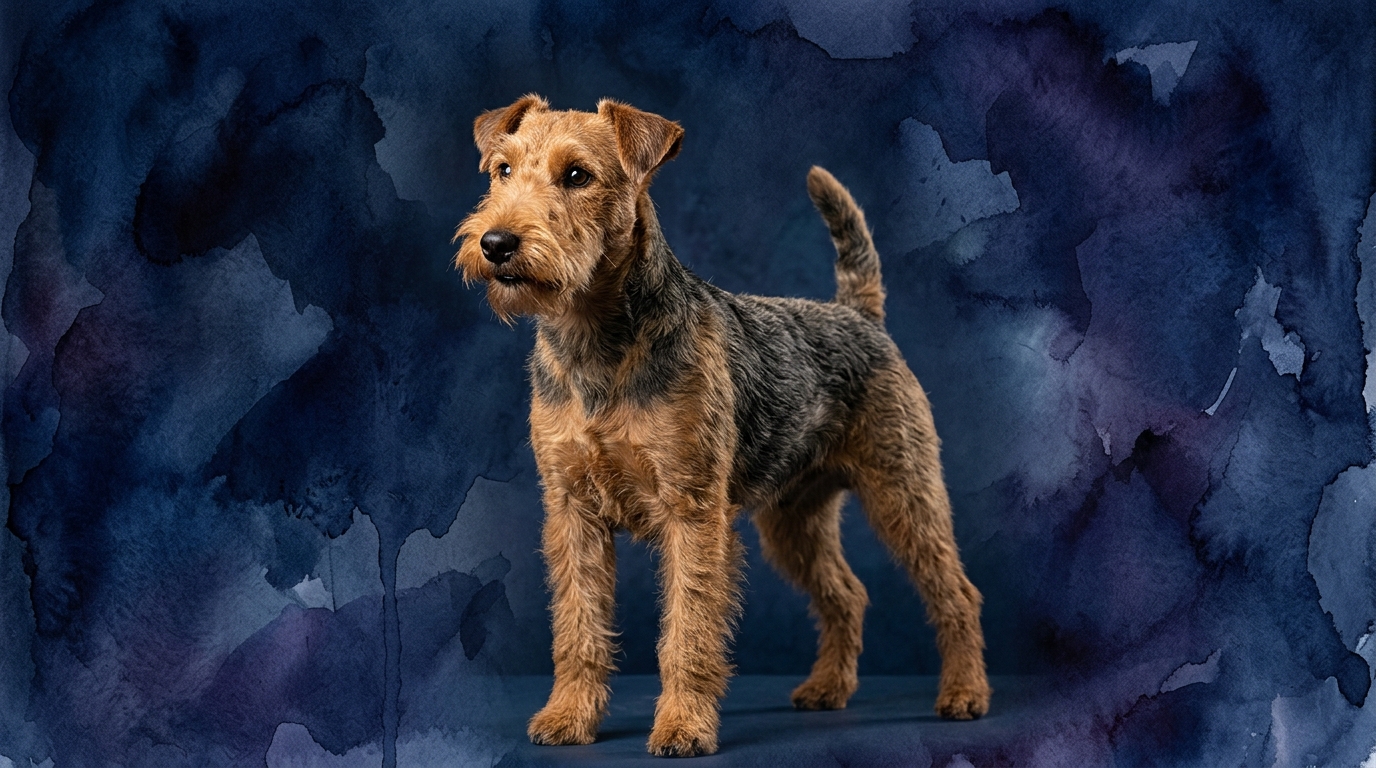
Side-by-Side Cognitive Profile: Anatolian Shepherd Dog vs. Welsh Terrier
The Cosmic Pet Pet IQ Lab evaluates canine intelligence across five dimensions, each scored out of five. Both the Anatolian Shepherd Dog and the Welsh Terrier register a solid 3/5 in every category, suggesting a robust but distinct set of cognitive capabilities that are worth exploring in detail.
The **Anatolian Shepherd Dog** presents with a **Problem Solving** score of 3/5, reflecting their role as independent guardians who must assess threats and make decisions without human intervention. Their solutions are often strategic and self-reliant, focused on protecting their territory and charges. Their **Training Speed** also rates 3/5; while capable of learning, their inherent independence means they process commands deliberately. Compliance often stems from understanding a command's purpose and its alignment with their protective instincts, rather than a strong desire to please. In **Social Intelligence**, they score 3/5, demonstrating a keen ability to read the intentions of livestock, familiar humans, and potential intruders. They bond deeply with their family but remain watchful and often wary of unfamiliar individuals. Their **Instinctive Drive** is 3/5, dominated by powerful guarding and protective urges rooted in centuries of lineage, compelling them to survey, patrol, and defend. Finally, their **Memory** at 3/5 ensures they reliably recall routines, territorial boundaries, and individuals, crucial for their role as vigilant protectors.
The **Welsh Terrier** also earns a 3/5 in **Problem Solving**, showcasing their resourceful and clever nature. They excel at figuring out how to achieve immediate goals, whether navigating an obstacle or locating a favored toy, often with agile and persistent solutions. Their **Training Speed** is 3/5; they can grasp new concepts quickly, but their independent streak and susceptibility to distraction can make consistent training a challenge. Their **Social Intelligence** at 3/5 means they are expressive and adept at understanding human moods within their trusted circle, though their assertive nature and prey drive can lead to less harmonious interactions with other animals. Their **Instinctive Drive** is a strong 3/5, defined by a powerful prey drive that manifests as an urge to chase, dig, and explore with boundless energy, embodying their heritage as working terriers. For **Memory**, they score 3/5, reliably recalling commands, routines, and the locations of interesting smells or digging opportunities, also influencing their future behaviors based on past experiences.
Where the Anatolian Shepherd Dog Excels Cognitively
Despite identical scores, the Anatolian Shepherd Dog demonstrates unique cognitive strengths rooted in their history as livestock guardians. Their 3/5 problem-solving isn't about agility in a tight space, but about strategic, independent judgment in complex, fluid situations. They excel at nuanced threat assessment, distinguishing between a harmless hiker and a genuine predator, often without direct human instruction. This involves processing environmental cues, body language, and sounds to make critical decisions that protect their flock or family.
Their social intelligence, also 3/5, manifests as an exceptional ability to read the energy and intentions of a wide range of beings, from vulnerable lambs to potentially aggressive strangers. This deep situational awareness, combined with their memory for safe and unsafe individuals or events, allows them to maintain a consistent, reliable protective presence. They don't just react; they anticipate and manage, showcasing a deliberate, calculated form of intelligence crucial for their demanding role.
Where the Welsh Terrier Shows Cognitive Prowess
The Welsh Terrier, with its 3/5 problem-solving score, excels in a distinctly different arena. Their cognitive strengths lie in adaptable, tenacious pursuit of specific goals, often involving navigating physical challenges or outsmarting obstacles. This might mean figuring out how to open a cabinet, tunnel under a fence, or cleverly retrieve a hidden toy. Their solutions are often characterized by quick thinking, persistence, and a dash of mischievous creativity, reflecting their terrier heritage of independently hunting quarry.
Their 3/5 social intelligence is often expressed through their engaging personality and ability to 'work' their human family for attention or resources. They are adept at learning household routines and leveraging their charm to get what they want. Coupled with their strong 3/5 instinctive drive, their cognitive prowess allows them to relentlessly focus on a task, whether it's tracking a scent or mastering a new trick, demonstrating a focused, energetic form of intelligence driven by curiosity and an innate drive to explore and conquer.
Training Dynamics: Which is Easier to Train and Why?
Neither the Anatolian Shepherd Dog nor the Welsh Terrier fits the mold of a 'biddable' dog eager to please and quick to learn rote commands, despite both scoring 3/5 in training speed. The Anatolian's challenge in training stems from their deep-seated independence. They were bred to make decisions autonomously, so they often view commands as suggestions rather than directives, especially if they don't perceive a clear purpose. Training an Anatolian requires immense patience, consistency, and building a relationship based on mutual respect and understanding; repetitive drills may bore them, and they respond best when they understand the 'why' behind a command, particularly if it relates to their guarding responsibilities. Their deliberation means they learn thoroughly, but not quickly.
The Welsh Terrier's training dynamics are shaped by their strong will, high prey drive, and distractibility, all contributing to their 3/5 training speed. While they are intelligent and can pick up concepts rapidly, their enthusiasm for anything more interesting (like a squirrel or a new scent) can easily derail a session. Training a Welsh Terrier demands firm, consistent leadership, engaging methods, and a sense of humor to channel their tenacious energy. They are clever at applying their 3/5 problem-solving to outsmarting their trainer or finding loopholes. While they might learn a trick faster than an Anatolian if highly motivated, maintaining consistent obedience requires ongoing effort to overcome their independent and sometimes stubborn nature. Ultimately, the Anatolian's challenge is thoughtful independence, while the Welsh's is energetic stubbornness.
Matching Breeds to Lifestyles: Active vs. Relaxed Owners
When considering an Anatolian Shepherd Dog, the term 'active owner' takes on a nuanced meaning. These dogs are not necessarily suited for owners who desire a running partner or a dog for daily, high-intensity physical activity in the traditional sense. Instead, they require owners who are 'active' in managing a powerful, independent, and territorial breed, providing vast, secure space, consistent socialization, and mental stimulation related to their guarding instincts. Their need is for purpose and responsibility, not constant fetch. A 'relaxed' owner, meaning one who prefers a low-maintenance companion without significant management demands, would find the Anatolian overwhelming due to their sheer size and protective nature.
The Welsh Terrier, conversely, demands a truly active owner. Their 3/5 instinctive drive and boundless energy mean they thrive with consistent physical exercise, mental challenges through training, and outlets for their strong prey drive. They are not content with short walks; they need vigorous play, long hikes, or engaging dog sports to prevent boredom and potential destructive behaviors. Owners who are 'relaxed' in terms of preferring a sedentary lifestyle or minimal daily engagement would quickly find a Welsh Terrier bored, under-stimulated, and potentially difficult to manage due to their vibrant personality and persistent energy. Both breeds require dedicated owners, but the nature of that dedication differs significantly.
The Verdict
Choose an Anatolian Shepherd Dog if you are an experienced owner seeking a thoughtful, independent guardian, possessing ample secure space and prepared for the unique management demands of a powerful, self-reliant breed.
Opt for a Welsh Terrier if you are an active, committed owner who enjoys a tenacious, playful companion with a strong personality, prepared to provide consistent training, vigorous exercise, and engaging mental stimulation.
🧠 Find Your Pet's IQ Score
Our Pet IQ Lab assessment covers 25+ tests across 5 cognitive dimensions — personalized to your breed.
Take the Full IQ Test →Frequently Asked Questions
Are Anatolian Shepherd Dogs good family pets?
Yes, Anatolian Shepherd Dogs can be incredibly devoted to their families, forming deep bonds with children and other pets within their trusted circle. However, their strong guarding instincts necessitate early and extensive socialization, coupled with consistent boundaries, especially when introducing them to new people or situations.
Do Welsh Terriers shed a lot?
Welsh Terriers possess a wiry, dense coat that sheds minimally, making them a potentially suitable choice for some individuals with allergies. To maintain their coat's health and appearance, regular grooming is essential, typically involving hand-stripping or professional clipping.
How do the problem-solving skills differ despite both being 3/5?
The Anatolian's 3/5 problem-solving is often strategic and context-dependent, focused on broad territory management and nuanced threat assessment for protection. In contrast, the Welsh Terrier's 3/5 problem-solving is more opportunistic, agile, and persistent, typically aimed at achieving immediate goals like accessing a hidden toy, navigating an obstacle, or following a compelling scent.