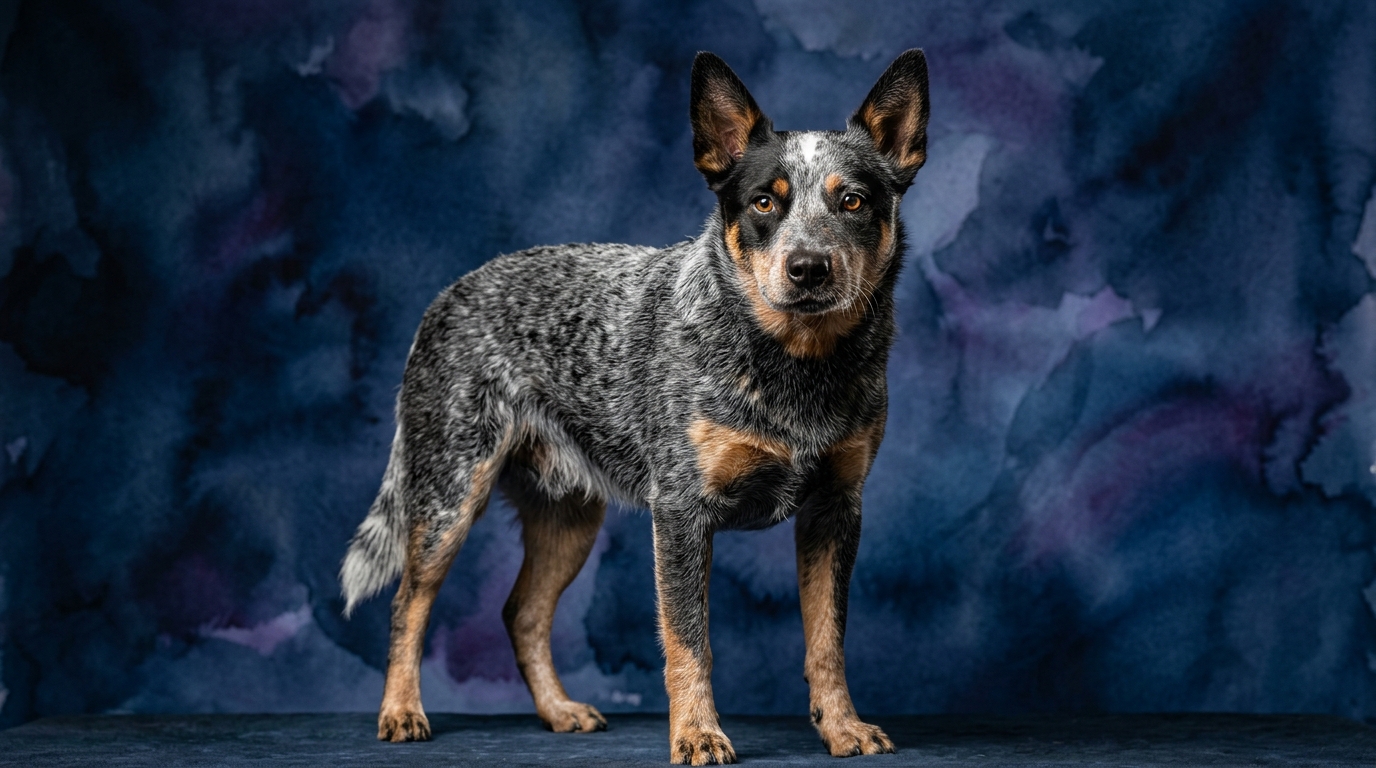
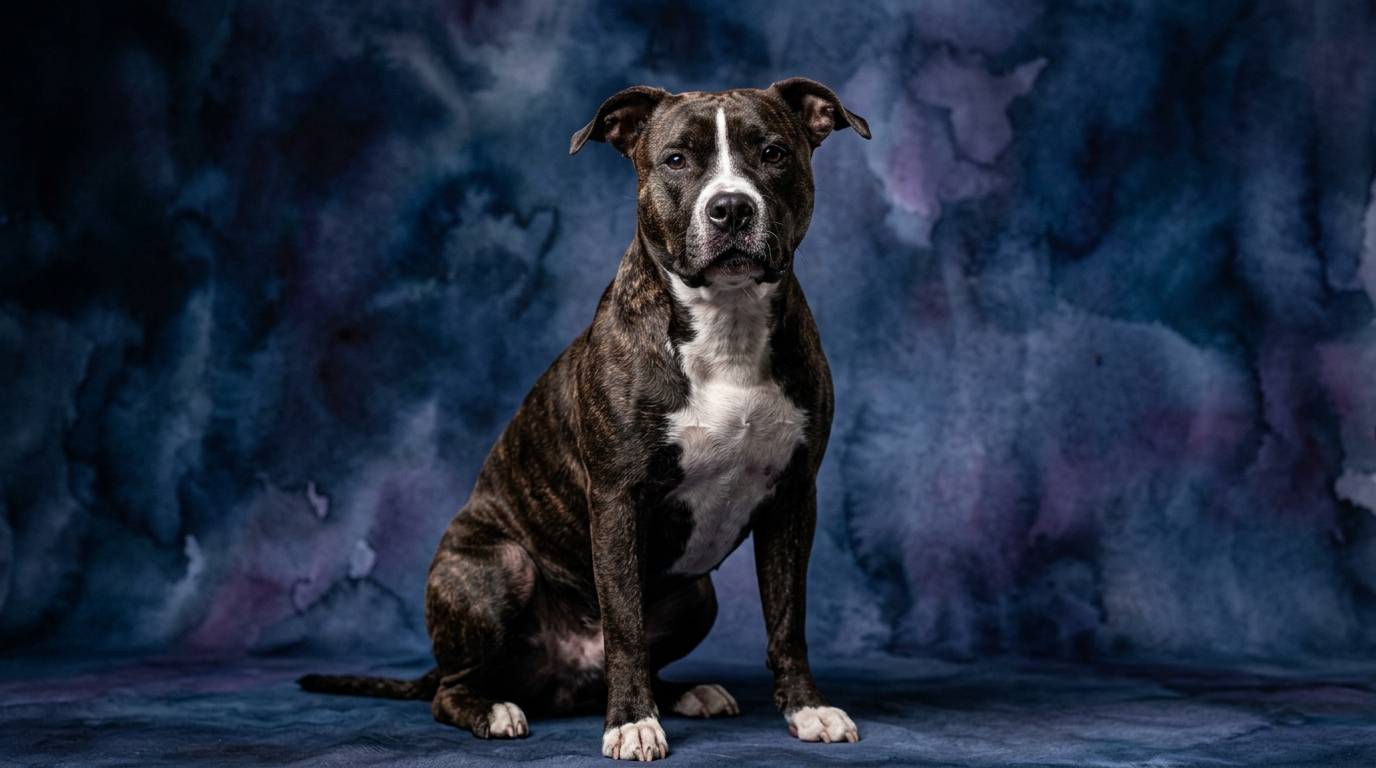
Side-by-Side Cognitive Profiles
Delving into The Cosmic Pet Pet IQ Lab's data provides a clear picture of the cognitive strengths of both breeds. The Australian Cattle Dog (ACD), a Herding breed, consistently demonstrates exceptional working intelligence, reflected in its Coren rank of #10. Its problem-solving ability scores a perfect 5/5, indicating an exceptional capacity for complex thought and independent decision-making in challenging situations. Training speed is also rated 5/5, signifying rapid acquisition of new commands and intricate routines with minimal repetition. While highly task-focused, their social intelligence is rated 3/5, suggesting they are adept at understanding handler cues but perhaps less broadly attuned to complex human social dynamics beyond their immediate work. An instinctive drive of 5/5 highlights their profound internal motivation for purposeful activity, and their memory, also 5/5, ensures a vast retention of learned behaviors and experiences.
In contrast, the American Staffordshire Terrier (AmStaff), a Terrier breed, holds a Coren rank of #48, suggesting a solid but different cognitive profile. Their problem-solving capacity is rated 3/5, indicating they are capable of navigating practical challenges but may require more guidance or repetition for highly complex scenarios. Training speed also scores 3/5, meaning they learn new commands at a steady, reliable pace, thriving on consistent reinforcement rather than instant grasp. Interestingly, their social intelligence matches the ACD at 3/5, showing competence in reading human cues within their social circle and adaptability in various social settings. The AmStaff's instinctive drive is 3/5, a moderate level that allows for motivation in play and focused tasks without the relentless intensity of a herding dog. Finally, their memory is a robust 4/5, demonstrating a good capacity for retaining commands, routines, and past experiences, building effectively on consistent training.
Where the Australian Cattle Dog Excels Cognitively
The Australian Cattle Dog's cognitive strengths are undeniably rooted in its history as a livestock drover, requiring a blend of independent thought and precise execution. Their 5/5 problem-solving ability means they can quickly assess dynamic situations, such as maneuvering a stubborn herd or navigating complex agility courses, and devise effective strategies on the fly. This isn't just about following commands; it's about anticipating, adapting, and innovating.
Coupled with their 5/5 training speed and 5/5 memory, ACDs absorb and retain vast amounts of information with remarkable efficiency. They don't just learn a command; they understand its context and can generalize that learning to new, similar situations. This makes them exceptional candidates for advanced obedience, competitive dog sports like flyball or dock diving, and intricate scent work, where understanding complex sequences and patterns is paramount. Their profound instinctive drive (5/5) fuels this cognitive prowess, providing an unwavering focus and persistence that few breeds can match when engaged in a task.
Where the American Staffordshire Terrier Shines Cognitively
While the American Staffordshire Terrier's scores are generally lower than the ACD's, their cognitive profile indicates a distinct and valuable set of strengths, particularly suited to companion and family life. Their 3/5 problem-solving and training speed, combined with a 4/5 memory, means they are consistent learners who respond well to clear, fair instruction. They are not prone to overthinking or creating their own complex 'jobs' out of boredom in the same way an ACD might, making their cognitive engagement more predictable for the average owner.
The AmStaff's 3/5 social intelligence, matching the ACD, is a key asset in a home environment. It suggests a dog that is equally capable of understanding and responding to human emotional states and social cues, fostering strong bonds with their family. Their moderate instinctive drive (3/5) means they are motivated by interaction and activity without the obsessive intensity that can sometimes be challenging in a working breed. This balance allows them to be robust, confident, and adaptable companions who enjoy mental stimulation without demanding constant, high-level cognitive work to remain content.
Ease of Training: Behavioral Differences
Evaluating which breed is 'easier' to train depends heavily on the owner's experience and the desired outcome. The Australian Cattle Dog, with its 5/5 training speed and problem-solving, learns basic and complex commands with impressive swiftness. They are eager to work and excel at intricate tasks, often requiring fewer repetitions than many other breeds. However, this same high intelligence and 5/5 instinctive drive can present challenges: if not adequately stimulated, ACDs are notorious for 'creating their own jobs,' which can manifest as undesirable behaviors like herding children, nipping heels, or incessant barking. Their independent problem-solving can also mean they 'outsmart' inexperienced owners, finding loopholes in rules or developing clever ways to get what they want.
The American Staffordshire Terrier, with 3/5 training speed and problem-solving, requires more consistency and patience but is generally a more straightforward training prospect for a typical pet owner. They are eager to please and respond well to positive reinforcement, without the same intense drive to constantly be 'working' or the propensity for inventive mischief when bored. Their moderate instinctive drive means they are motivated by play and praise but are less likely to become obsessed with a single task or exhibit the relentless energy of a herding dog. For an owner seeking a well-mannered companion skilled in basic obedience and adaptable to various situations, the AmStaff's steady learning curve and less demanding cognitive needs can make the training journey feel more manageable.
Suitability for Active vs. Relaxed Owners
For owners with an intensely active lifestyle and a passion for engaging in high-level dog sports or demanding outdoor activities, the Australian Cattle Dog is an ideal match. Their 5/5 instinctive drive necessitates a daily outlet for their mental and physical energy, thriving in environments where they have a 'job' to do, whether it's herding, advanced agility, or long, challenging hikes. They are not content to be couch potatoes and require consistent, structured engagement to prevent boredom and potential behavioral issues. An ACD owner must be prepared to dedicate significant time and effort to channeling their dog's formidable intelligence and drive.
The American Staffordshire Terrier caters to active owners who enjoy robust play, regular exercise, and consistent training, but who also appreciate a dog that can relax and settle down in the home. Their moderate instinctive drive (3/5) means they are eager participants in activities like hiking, jogging, or fetch, but they don't possess the relentless, unyielding demand for work that defines the ACD. AmStaffs thrive on companionship and structured activity, but they are also content to cuddle on the sofa after a good exercise session. They offer a versatile balance, fitting well into families that enjoy an active lifestyle without requiring a dog that needs to be constantly challenged with complex, high-stakes tasks.
The Verdict
Choose the Australian Cattle Dog if you are an experienced, highly active individual or family prepared to consistently engage a dog with exceptional problem-solving, rapid learning, and an intense drive for purposeful work.
Opt for the American Staffordshire Terrier if you seek a robust, confident companion who thrives on consistent training, enjoys active play, and possesses a balanced temperament that allows for both engagement and relaxation within a loving home.
🧠 Find Your Pet's IQ Score
Our Pet IQ Lab assessment covers 25+ tests across 5 cognitive dimensions — personalized to your breed.
Take the Full IQ Test →Frequently Asked Questions
Do Australian Cattle Dogs require more mental stimulation than American Staffordshire Terriers?
Yes, Australian Cattle Dogs, with their 5/5 problem-solving and instinctive drive, generally require significantly more complex mental stimulation. Their cognitive makeup drives them to constantly seek tasks, whereas American Staffordshire Terriers, at 3/5 in these areas, have more moderate mental needs, thriving on consistent training and interactive play.
Which breed is better for a first-time dog owner?
For most first-time dog owners, the American Staffordshire Terrier might be a more manageable choice due to its more moderate instinctive drive and less intense demand for constant, high-level cognitive engagement. Australian Cattle Dogs can be challenging for novices given their independent problem-solving and need for experienced handling to channel their strong working instincts positively.
Are both breeds good with children?
Both breeds can be good with children with proper socialization and training, though their approaches differ. Australian Cattle Dogs might instinctively try to 'herd' children, which needs careful management, while American Staffordshire Terriers, known for their robust and tolerant nature, often form strong bonds, provided interactions are supervised and respectful.