Side-by-Side Cognitive Profiles
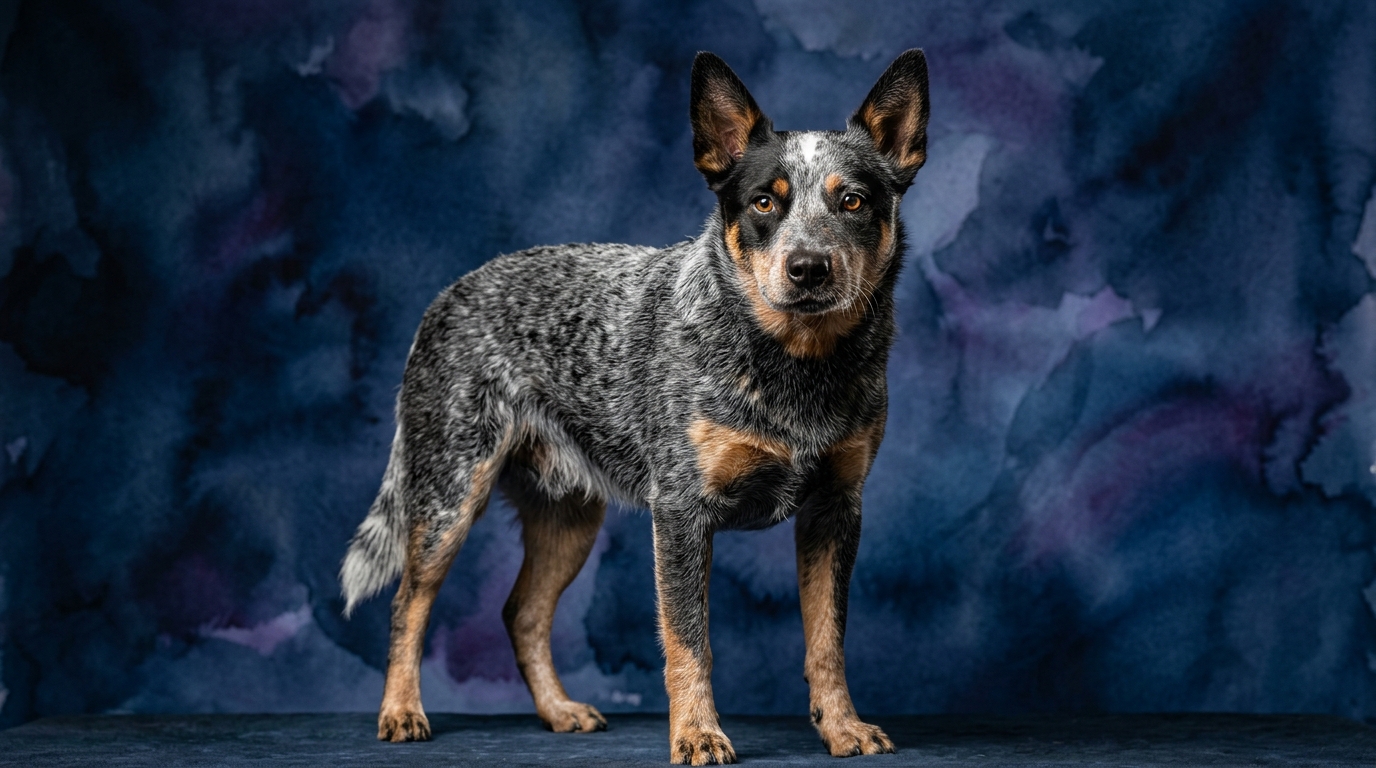
The Cosmic Pet Pet IQ Lab employs a five-dimensional framework to assess canine intelligence, offering a nuanced view beyond mere obedience. For the Australian Cattle Dog (ACD), ranked #10 by Coren, its profile paints a picture of intense mental activity. Their Problem Solving is rated 5/5, indicating an exceptional capacity for independent thought and strategic planning. Training Speed also stands at 5/5, reflecting their rapid acquisition of new commands and routines. Social Intelligence, at 3/5, suggests a more task-oriented focus rather than an innate desire for broad social interaction. An Instinctive Drive of 5/5 highlights their profound natural urges, particularly for herding and work, while their Memory, a perfect 5/5, ensures they retain learned behaviors and experiences with remarkable fidelity.
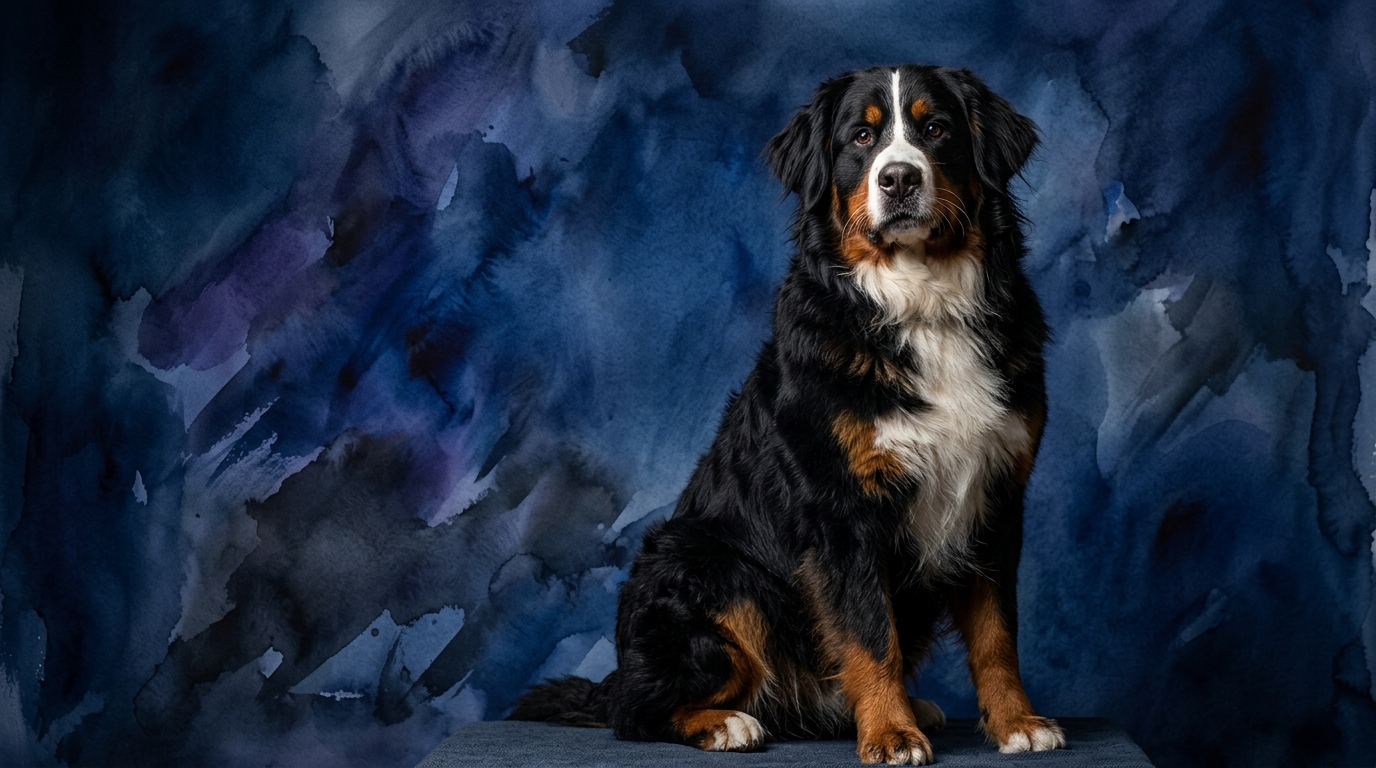
Conversely, the Bernese Mountain Dog (BMD), Coren ranked #27, presents a different cognitive landscape. Their Problem Solving is a solid 3/5, demonstrating competence but perhaps less independent initiative compared to the ACD. Training Speed is 4/5, indicating efficient learning, though potentially requiring a few more repetitions. Where the Bernese truly shines is in Social Intelligence, scoring a 5/5, which underscores their deep connection to human emotions and social cues. Their Instinctive Drive is 4/5, leaning towards companionship, protection, and draft work, rather than the singular focus of a herder. Lastly, their Memory is 3/5, competent for familiar routines and people but perhaps not as exhaustive as the ACD’s.
Where the Australian Cattle Dog Cognitively Excels
The Australian Cattle Dog's cognitive edge shines brightest in areas demanding rapid, independent thought and execution. Their 5/5 problem-solving capability isn't merely about understanding a task; it's about creatively devising strategies to achieve a goal, often without direct instruction. For instance, an ACD might instinctively figure out how to maneuver livestock through a gate by anticipating their movements, rather than just reacting to commands. This inherent capacity for independent strategic planning makes them exceptional partners in complex, dynamic tasks. Furthermore, their perfect 5/5 training speed means they absorb new information with astonishing alacrity. A new command might click for an ACD in just a few repetitions, allowing for a vast and diverse behavioral repertoire to be built relatively quickly. This speed isn't just about memorization (where they also excel with a 5/5 score); it's about the rapid formation of associations between cues and actions, driven by their intense desire for purpose and their 5/5 instinctive drive. This drive translates into an unwavering focus on the task at hand, making them less prone to distraction when engaged in a recognized 'job.' Their memory ensures that once a skill is acquired, it's rarely forgotten, fostering a consistent and reliable working relationship.
Where the Bernese Mountain Dog Cognitively Excels
In contrast, the Bernese Mountain Dog's cognitive strengths lie profoundly in the realm of social interaction and emotional attunement. Their perfect 5/5 social intelligence score signifies a deep capacity to understand and respond to human emotions, making them exceptionally empathetic companions. A Bernese will often intuitively sense a shift in mood, offering comfort or seeking interaction in a way that suggests a profound understanding of social dynamics within a family unit. This isn't just about being friendly; it's about reading nuanced cues and adapting their behavior to foster harmony. While their problem-solving and training speed scores (3/5 and 4/5 respectively) indicate competence, their social acumen often guides their application of these skills. They might not independently devise a complex solution as quickly as an ACD, but they will readily engage with and respond to human guidance, often motivated by a desire to please and connect. Their 4/5 instinctive drive, while not as singularly focused on herding, is geared towards companionship, protection, and a historical role in draft work, meaning they enjoy purposeful activity alongside their people. This balanced drive, combined with their social intelligence, makes them exceptionally adaptable family members who thrive on shared experiences and emotional reciprocity, rather than solely on task completion.
Training Dynamics: Which Breed is 'Easier'?
Determining which breed is 'easier' to train depends heavily on the trainer's approach and the desired outcomes. The Australian Cattle Dog, with its 5/5 training speed, will undoubtedly learn new commands at a blistering pace. Their cognitive agility allows for rapid concept acquisition and generalization, meaning they can apply a learned behavior to new contexts quickly. However, this speed comes with an intense 5/5 instinctive drive and an independent problem-solving mindset. If not consistently engaged with challenging tasks, an ACD can quickly become 'self-employed,' using their formidable intellect to invent their own activities, which might not align with human expectations. Training an ACD requires a firm, consistent, and mentally stimulating approach, channeling their natural working instincts into constructive outlets. They demand a trainer who can keep pace with their quick learning and provide constant mental work to prevent boredom and potential undesirable behaviors.
The Bernese Mountain Dog, while scoring a respectable 4/5 in training speed, might take a a few more repetitions to solidify a new command. However, their exceptional 5/5 social intelligence makes them incredibly eager to please and highly responsive to positive reinforcement rooted in connection. They are less likely to strike out on their own path if under-stimulated, often preferring to stick close to their people. Their training journey is often characterized by a cooperative spirit and a strong desire for companionship. While they may not learn as quickly as an ACD, their willingness to engage and their emotional sensitivity can make the training process feel more collaborative and less like a battle of wits. They are generally more forgiving of a less experienced trainer, provided there's consistency and warmth.
Matching Breeds to Lifestyles: Active vs. Relaxed Owners
For owners leading a highly active lifestyle, particularly those involved in dog sports, hiking, or farm work, the Australian Cattle Dog is an undeniable match. Their boundless energy, coupled with their 5/5 instinctive drive and problem-solving prowess, means they require constant physical and mental engagement. An ACD thrives when given a 'job,' whether it's herding, agility, or extensive daily exercise that challenges both body and mind. They are not suited for a sedentary existence and will quickly become restless and potentially destructive if their needs for activity and purpose are not met. They demand an owner who can commit to hours of engagement daily and provide a structured environment that channels their intense focus.
In contrast, the Bernese Mountain Dog offers a more balanced approach to activity. While they are large, robust dogs with a 4/5 instinctive drive for activities like hiking, carting, and outdoor exploration, they are equally content to relax with their family. Their 5/5 social intelligence means they prioritize companionship and thrive on being an integrated part of family life, whether that involves a long walk or simply quiet time together. They need consistent, moderate exercise to maintain their physical health and mental well-being, but they don't possess the same relentless drive for constant work as an ACD. Bernese Mountain Dogs are an excellent choice for owners who enjoy regular outdoor adventures but also appreciate a calm, affectionate presence at home, making them suitable for owners who might be described as 'active-relaxed' rather than 'hyper-active.'
The Verdict
Choose an Australian Cattle Dog if you're seeking a dynamic, independent working partner for demanding tasks and an active, structured lifestyle.
Opt for a Bernese Mountain Dog if you desire an empathetic, social companion who enjoys moderate activity and deep family integration, valuing connection above constant work.
🧠 Find Your Pet's IQ Score
Our Pet IQ Lab assessment covers 25+ tests across 5 cognitive dimensions — personalized to your breed.
Take the Full IQ Test →Frequently Asked Questions
Are Australian Cattle Dogs good family pets?
Yes, Australian Cattle Dogs can be devoted family members for active households that understand their significant need for mental and physical stimulation. Their strong herding instincts mean they might try to 'herd' children or other pets, requiring consistent training and supervision.
Do Bernese Mountain Dogs need a lot of exercise?
Bernese Mountain Dogs require moderate, consistent exercise to maintain their health and happiness. Daily walks, playtime, and opportunities for outdoor exploration are important, but they do not demand the extreme levels of activity characteristic of some working breeds.
Which breed is better for apartment living?
Neither breed is ideally suited for small apartment living due to their size and activity needs. However, a Bernese Mountain Dog might adapt slightly better to an apartment with sufficient daily outdoor access, due to their lower intensity compared to an Australian Cattle Dog's relentless drive.