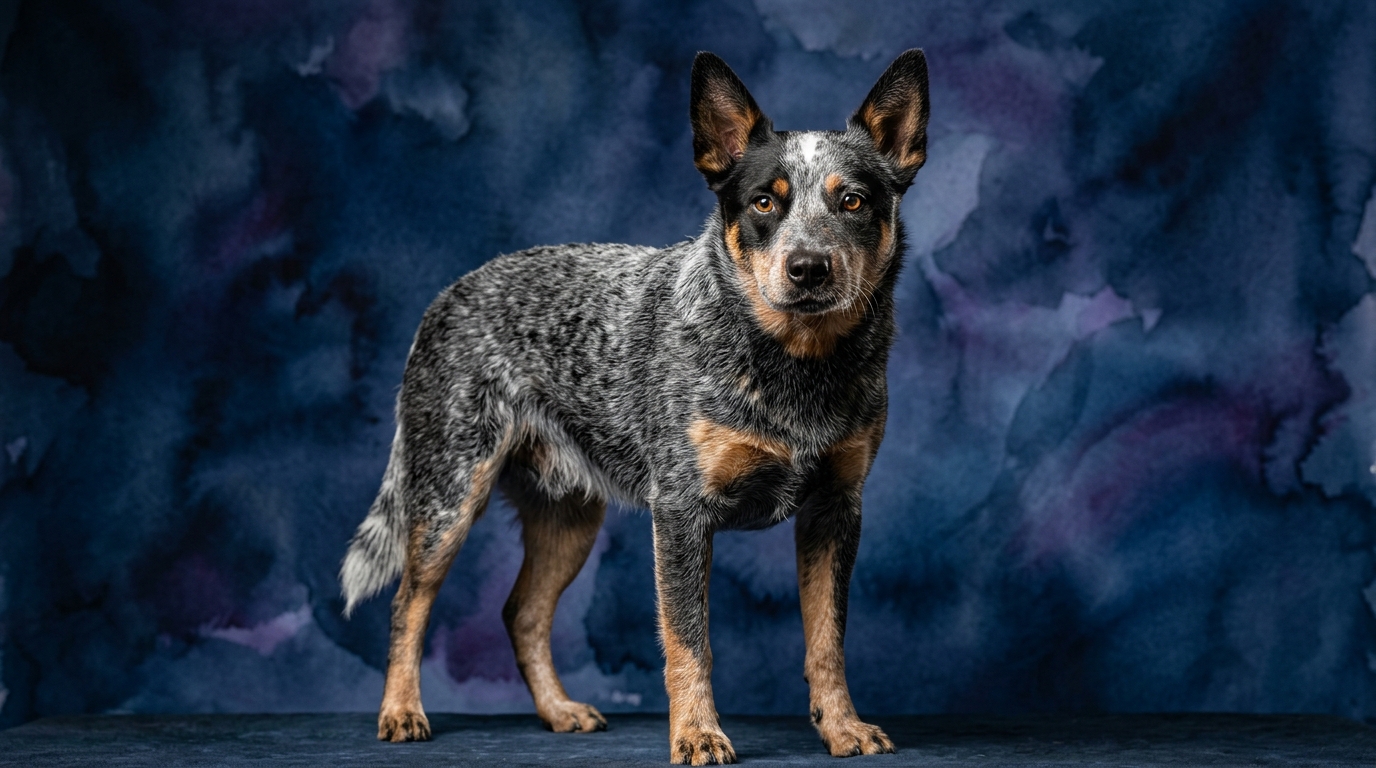
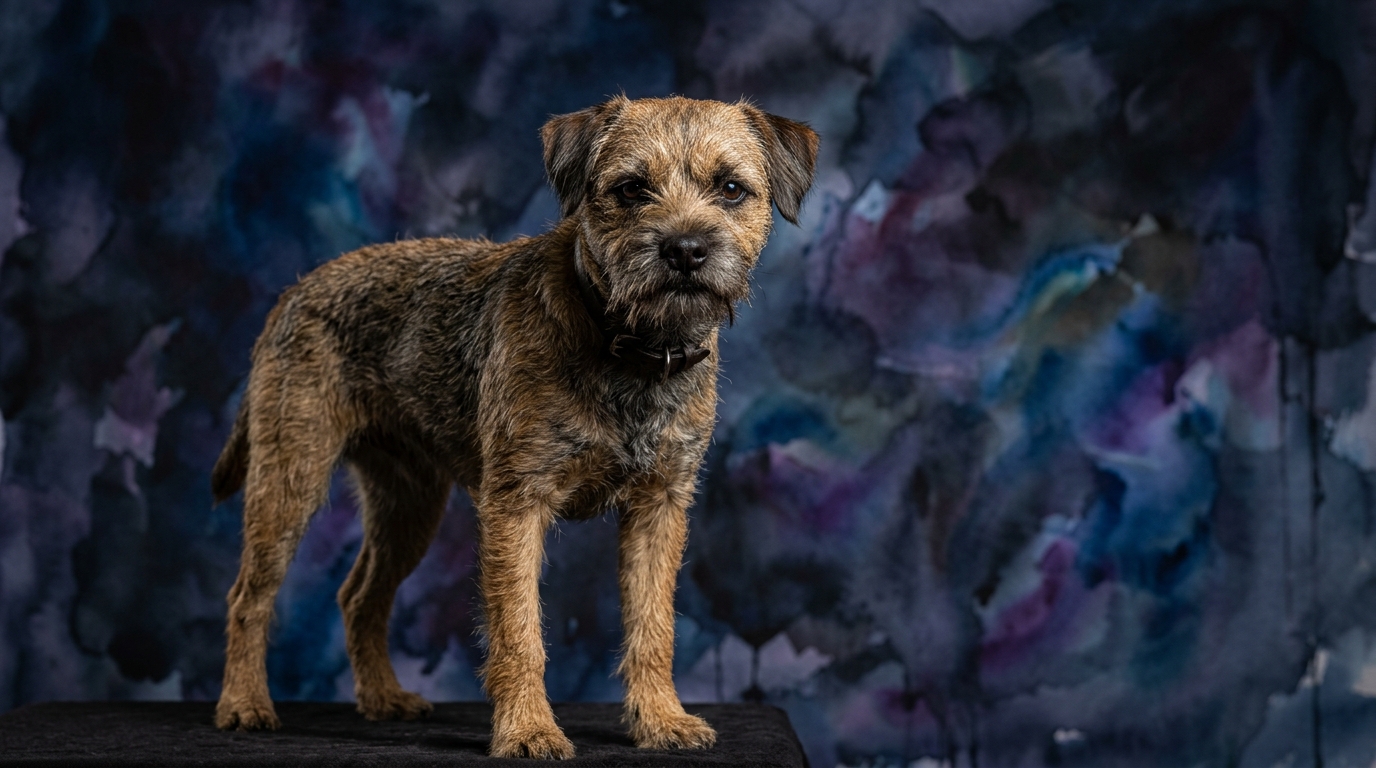
Side-by-side IQ profile
The Australian Cattle Dog (ACD), with a Coren rank of #10, exhibits a formidable cognitive profile. Its Problem Solving is rated 5/5, indicating an exceptional capacity to analyze novel situations and devise effective solutions independently. Training Speed also scores 5/5, reflecting an eagerness and quickness to grasp new commands and routines, often requiring fewer repetitions than most breeds. Social Intelligence is 3/5, suggesting they understand human cues and social dynamics adequately but are not overly focused on pleasing or highly attuned to subtle emotional shifts, preferring a more direct working relationship. Their Instinctive Drive is a powerful 5/5, manifesting as an intense compulsion to herd, chase, and control movement, a trait deeply ingrained from their ancestry. Memory, at 5/5, means they retain learned behaviors, past experiences, and environmental layouts with remarkable persistence, making both positive and negative associations long-lasting.
Ranking #30 on Coren's scale, the Border Terrier (BT) possesses a distinct terrier mind. Its Problem Solving is rated 4/5, demonstrating a strong ability to figure things out, particularly when it involves persistence and navigating complex environments to achieve a goal. Training Speed is 4/5, showing they learn commands effectively, though they might require a bit more motivation or creative approaches compared to the ACD, often preferring to engage on their own terms. Social Intelligence is 3/5, similar to the ACD, meaning they are generally aware of their human companions and family dynamics but maintain a certain independent streak, valuing partnership over constant deference. Their Instinctive Drive is 3/5, a moderate yet purposeful drive to hunt, dig, and pursue small prey, less intense than a herding dog's but certainly present and influential. Memory, at 4/5, indicates good recall for training and experiences, though perhaps not with the same near-perfect retention as the ACD, allowing for some flexibility in their learned behaviors.
Where Australian Cattle Dog wins cognitively
The Australian Cattle Dog's cognitive profile positions it as a master of complex, dynamic tasks. Its 5/5 Problem Solving and 5/5 Instinctive Drive combine to create a dog that not only identifies issues in real-time but also possesses the inherent motivation and physical prowess to act decisively. In scenarios requiring improvisation and quick tactical adjustments, such as managing livestock or navigating agility courses, the ACD's ability to process information and execute solutions rapidly gives it a distinct advantage. Furthermore, its 5/5 Training Speed means it can acquire and refine elaborate sequences of commands at an astonishing pace, making it exceptionally adept at advanced obedience, competitive dog sports, and intricate working roles where precise responses are paramount. The ACD's flawless 5/5 Memory ensures that once a solution or command is learned, it is deeply embedded, contributing to consistent performance even after long breaks.
Where Border Terrier wins cognitively
While numerically lower in some aspects, the Border Terrier's cognitive strengths lie in its unique blend of tenacity and independent thought, perfectly suited for its original purpose. Its 4/5 Problem Solving, coupled with a 3/5 Instinctive Drive geared towards pursuit and excavation, results in a dog that is incredibly determined to achieve its goal, often demonstrating a clever, persistent approach to overcoming obstacles. This manifests as a resourceful ability to navigate challenging environments, whether it's finding a hidden toy or figuring out how to bypass a gate. The Border Terrier's moderate instinctive drive, while not as overwhelming as the ACD's, is precisely calibrated for focused, independent work without constant human direction, making it less prone to intense, high-energy demands for mental stimulation compared to its herding counterpart. Its 3/5 Social Intelligence, being equal to the ACD, means it forms strong bonds while retaining a self-sufficient streak, valuing collaboration over subservience, which can be a "win" for owners seeking a companion with a distinct personality and less pressure for constant interaction.
Which is easier to train and why
The Australian Cattle Dog, with its 5/5 Training Speed and 5/5 Memory, generally presents as easier to train in terms of command acquisition and retention. They pick up new cues almost instantly and remember them for life, making them highly responsive to structured, consistent training. Their powerful 5/5 Instinctive Drive, while needing direction, can be effectively channeled into working tasks, making them eager participants in learning. However, their 3/5 Social Intelligence means they respond best to clear, firm, and fair handling, rather than relying on emotional nuance or constant praise. The Border Terrier, with 4/5 Training Speed and 4/5 Memory, is still very capable of learning but might require more patience and varied methods. Their independent terrier spirit means they may not always see the immediate "point" of a command, and their 3/5 Instinctive Drive, though moderate, is often focused on self-rewarding behaviors like scent tracking or digging, which can compete with human-directed training. Their 3/5 Social Intelligence means they also appreciate clear communication but might be more inclined to offer a "take it or leave it" attitude if the training isn't engaging or rewarding enough from their perspective. Essentially, the ACD is often a willing and quick student of formal commands, while the Border Terrier is a clever problem-solver who needs to be convinced that following commands is more rewarding than following its own nose.
Which suits active owners vs relaxed owners
The Australian Cattle Dog is unequivocally suited for active owners. Its 5/5 Instinctive Drive and 5/5 Problem Solving capacity demand significant mental and physical engagement daily. Owners who thrive on long hikes, competitive dog sports like agility or obedience, or even farm work will find the ACD a tireless and engaged partner. A relaxed owner who cannot provide consistent outlets for their cognitive and physical energy risks developing a bored, potentially destructive, or overly controlling dog. The Border Terrier, while having a more moderate 3/5 Instinctive Drive, is still far from a couch potato. Its 4/5 Problem Solving and historical role as a vermin hunter mean it requires regular exercise and mental stimulation to prevent boredom. These activities don't necessarily need to be as intense or structured as with an ACD, but consistent walks, opportunities for scent work, and engaging play are crucial. Therefore, the Border Terrier is better suited for active owners who appreciate outdoor adventures and interactive games, but perhaps not the all-consuming commitment required by an ACD. A truly "relaxed" owner who prefers minimal engagement would likely struggle with either breed, but the Border Terrier's demands are comparatively more manageable for a moderately active individual.
The Verdict
Choose the Australian Cattle Dog if you are an experienced, highly active owner seeking a dedicated working partner for demanding sports, farm tasks, or a lifestyle that provides consistent, intense mental and physical challenges.
Opt for the Border Terrier if you are an active owner who appreciates a tenacious, independent companion for varied outdoor adventures, engaging problem-solving games, and a dog that thrives on partnership without requiring overwhelming, constant stimulation.
🧠 Find Your Pet's IQ Score
Our Pet IQ Lab assessment covers 25+ tests across 5 cognitive dimensions — personalized to your breed.
Take the Full IQ Test →Frequently Asked Questions
Does the Australian Cattle Dog's high instinctive drive make it difficult to live with?
The ACD's 5/5 instinctive drive can be challenging if not properly managed. It translates to a strong desire to herd, chase, and control, which requires consistent training and ample outlets for their energy to prevent redirection onto household members or other pets.
How does the Border Terrier's 3/5 social intelligence impact its family life?
A Border Terrier's 3/5 social intelligence means they form strong bonds but maintain a degree of independence. They are affectionate with their families but aren't typically "velcro" dogs, valuing their own space and often engaging in activities that require less direct human interaction.
Which breed is better for a first-time dog owner looking for a smart companion?
Neither breed is ideal for a truly relaxed first-time owner. However, for a first-time owner committed to learning and providing consistent activity and training, the Border Terrier's slightly less intense demands and more moderate instinctive drive might be a more manageable starting point than the Australian Cattle Dog's formidable requirements.