Side-by-Side Cognitive Profiles
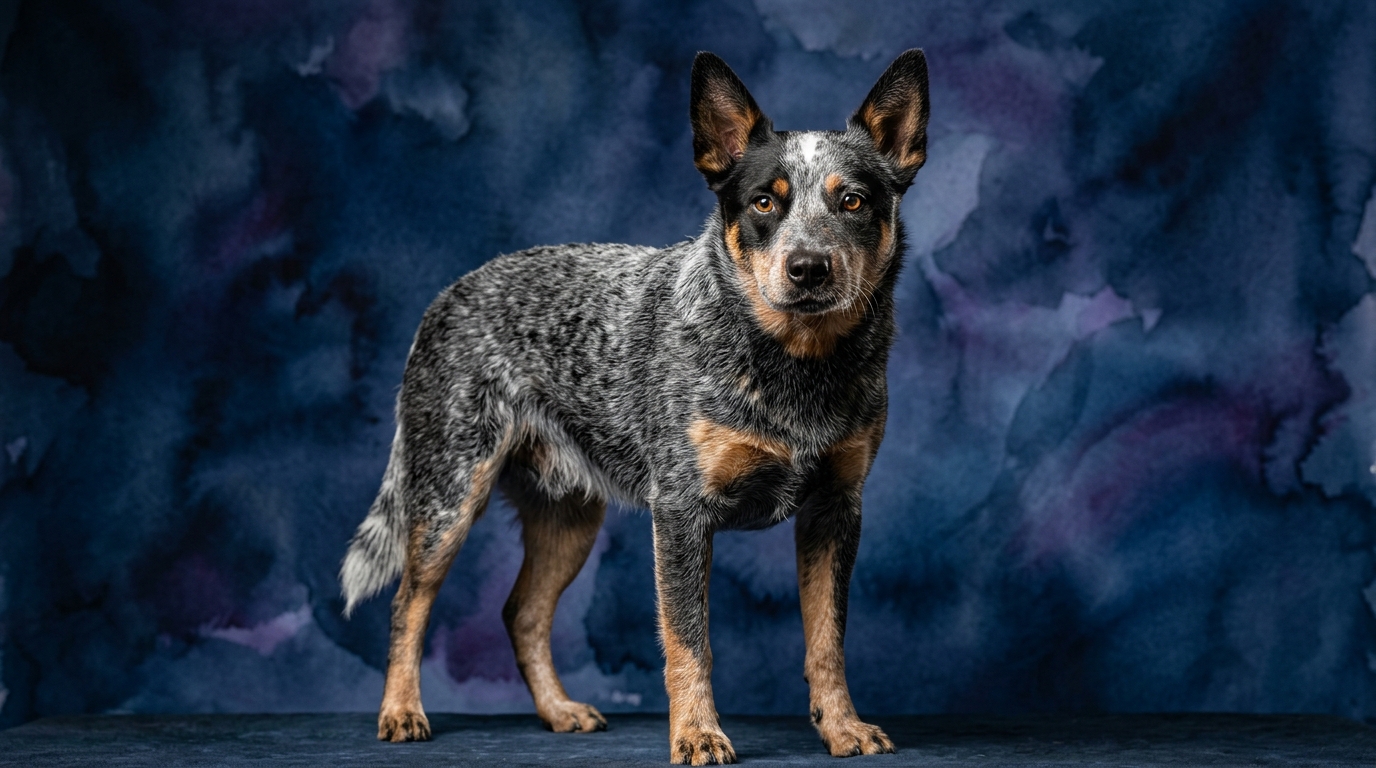
The Cosmic Pet Pet IQ Lab employs a five-dimensional framework to assess canine cognition, offering a granular view beyond simple obedience rankings. For the Australian Cattle Dog, our profile reveals a breed built for complex tasks: Problem Solving 5/5, Training Speed 5/5, Social Intelligence 3/5, Instinctive Drive 5/5, and Memory 5/5. This paints a picture of a dog that not only quickly grasps new concepts and retains information but also possesses a powerful inherent motivation to work and resolve challenges in their environment.
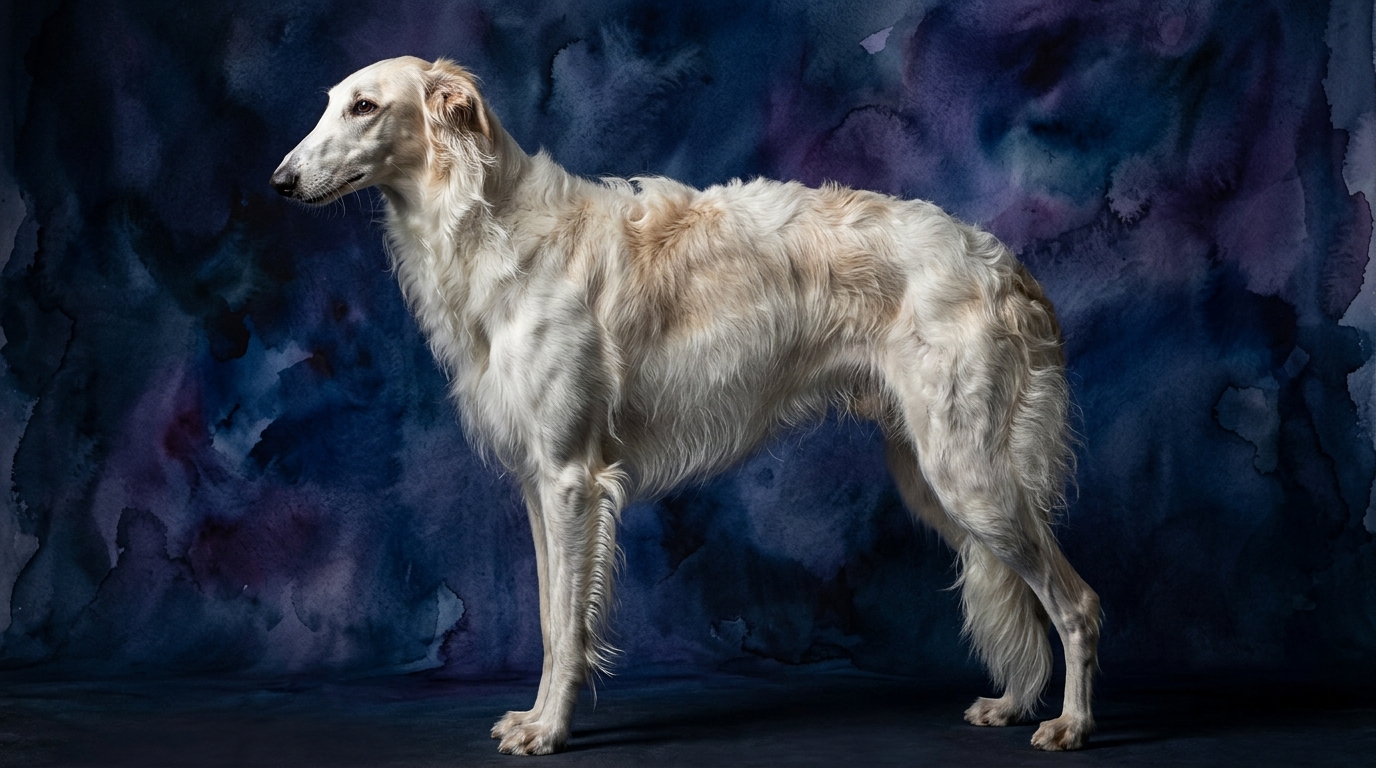
In contrast, the Borzoi’s cognitive profile reflects its sighthound heritage: Problem Solving 3/5, Training Speed 3/5, Social Intelligence 3/5, Instinctive Drive 3/5, and Memory 3/5. These scores suggest a cognitive makeup geared towards independent action and focused pursuit rather than intricate problem-solving or high-speed obedience. While still capable learners and companions, their approach to tasks and interaction differs significantly from that of a herding breed, emphasizing self-reliance and situational awareness over constant human direction.
Where the Australian Cattle Dog Excels Cognitively
The Australian Cattle Dog’s cognitive strengths are profoundly tied to its heritage as a working herding breed. Their 5/5 score in Problem Solving manifests in their capacity to independently assess and manage complex situations, such as maneuvering livestock through challenging terrain or devising strategies to return a stray animal. This isn't just about following commands; it's about making on-the-fly decisions, adapting to changing variables, and demonstrating initiative to achieve a goal, often without direct human intervention.
Their 5/5 Training Speed is a direct result of their attentiveness and strong desire for engagement, allowing them to rapidly acquire and generalize new behaviors and cues. Coupled with a 5/5 Memory, an Australian Cattle Dog can recall an extensive repertoire of commands and routines, even after long periods. This impressive recall extends to remembering specific tasks, locations, and even the nuances of individual animals or people they interact with, making them exceptionally reliable partners in structured environments. Their 5/5 Instinctive Drive further reinforces these traits, providing an innate motivation to engage in work-like activities, which translates into a persistent focus on tasks and a robust work ethic.
Where the Borzoi’s Cognitive Strengths Shine
While the Borzoi’s scores might appear lower in traditional metrics, their cognitive strengths are simply optimized for a different purpose: the pursuit of fast-moving prey over vast distances. Their 3/5 Problem Solving reflects a tendency to rely on instinctual reactions and visual cues rather than intricate, multi-step solutions. This means they excel at making instantaneous decisions during a chase, navigating obstacles, and adjusting their trajectory with remarkable agility and speed, a form of situational problem-solving unique to sighthounds.
The Borzoi’s 3/5 Instinctive Drive is intensely focused on the chase, where their selective attention allows them to filter out distractions and lock onto a moving target with singular determination. This isn't a drive for constant human-directed activity, but rather an internal compass guiding their primary genetic purpose. Their 3/5 Social Intelligence can be interpreted as a preference for a more independent relationship; they are affectionate but often less demanding of constant interaction, valuing their personal space and exhibiting a calm, dignified presence, which is a specific social strength for owners seeking a less overtly 'needy' companion.
Training Dynamics: A Tale of Two Breeds
When it comes to ease of training, the Australian Cattle Dog holds a clear advantage, largely due to its 5/5 Training Speed and high Problem Solving ability. These dogs possess an eager-to-please temperament and a profound desire for mental engagement, making them highly responsive to positive reinforcement. They thrive on learning complex sequences and quickly generalize commands to new contexts, often anticipating what is expected of them, which makes advanced obedience or specialized task training a rewarding experience.
The Borzoi, with its 3/5 Training Speed, presents a different training journey. They are capable of learning, but their independence and strong prey drive mean they often require more patience, consistency, and motivation. A Borzoi might understand a command perfectly but choose not to execute it if it conflicts with a more compelling instinct, like the sudden appearance of a squirrel. Their selective hearing isn't a lack of comprehension but a prioritization of stimuli, demanding a trainer who respects their sighthound nature and employs engaging, reward-based methods without relying on constant compliance.
Matching Canine Cognition to Lifestyle
For active owners seeking a highly engaged and mentally stimulating companion, the Australian Cattle Dog is an ideal match. Their boundless energy, coupled with a profound need for mental work, means they excel in dog sports like agility, obedience, flyball, or even intricate scent work. Owners must be prepared to provide daily, structured activities that challenge their problem-solving skills and harness their powerful instinctive drive; a bored Australian Cattle Dog is prone to inventing its own (often undesirable) entertainment.
Conversely, Borzoi often appeal to owners who appreciate a more relaxed, independent presence indoors, yet can facilitate bursts of intense physical activity. While they are not the type to constantly demand a job, they require regular opportunities to stretch their long legs in a secure, expansive area where they can run at full speed. Their calm demeanor within the home makes them excellent companions for those who enjoy a quiet presence, but their deep-seated instinctive drive for the chase means off-leash excursions outside of fully fenced areas are generally not advisable, catering to an owner who understands and respects their unique sighthound requirements.
The Verdict
Choose an Australian Cattle Dog if you desire a highly engaged, problem-solving partner for active pursuits and enjoy consistent, structured training and mental challenges.
Opt for a Borzoi if you appreciate an elegant, independent companion with a calm indoor demeanor, and can provide secure spaces for their specific need for high-speed, instinctual running.
🧠 Find Your Pet's IQ Score
Our Pet IQ Lab assessment covers 25+ tests across 5 cognitive dimensions — personalized to your breed.
Take the Full IQ Test →Frequently Asked Questions
Are Borzoi difficult to train due to their lower IQ scores?
Borzoi are not inherently difficult to train, but their cognitive profile indicates a need for different methods. Their independence and strong prey drive mean training requires significant patience, consistency, and high-value rewards to capture and maintain their focus effectively.
How do the social intelligence scores of these breeds impact their family interactions?
Both breeds score 3/5 in social intelligence, but this manifests differently. Australian Cattle Dogs are devoted and bond closely, often being protective, while Borzoi are affectionate but typically more reserved, valuing their personal space and displaying a dignified, less overtly 'needy' social style.
Do Australian Cattle Dogs truly need constant mental stimulation?
Yes, their 5/5 Problem Solving and Instinctive Drive mean Australian Cattle Dogs thrive on mental engagement. Without consistent tasks, puzzles, or training, they are prone to boredom, which can lead to destructive behaviors or excessive herding instincts directed towards family members.