Side-by-Side Cognitive Profile
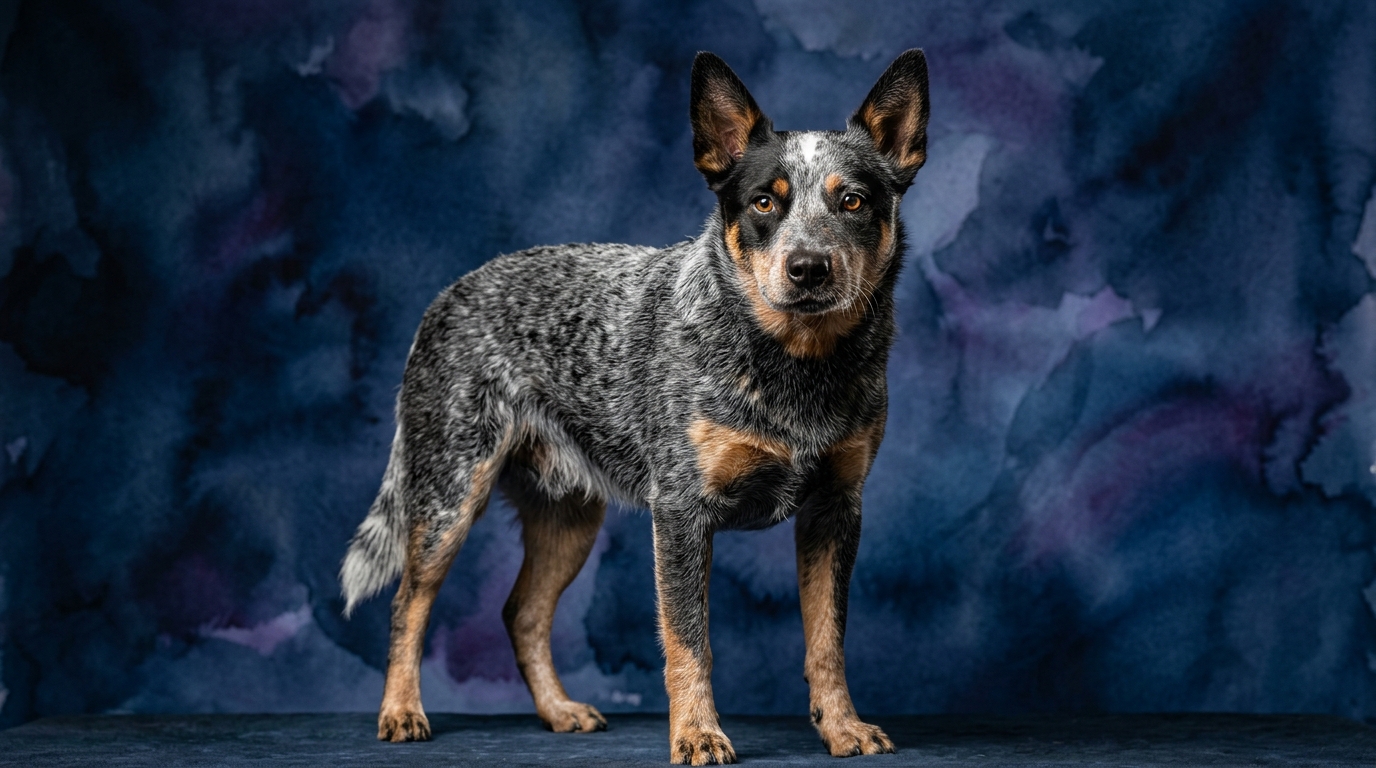
At The Cosmic Pet Pet IQ Lab, we evaluate canine intelligence across five distinct dimensions, providing a nuanced understanding of each breed's mental landscape. For the Australian Cattle Dog (ACD), a Herding breed ranked #10 by Coren, its profile speaks to a working mind: Problem Solving 5/5, Training Speed 5/5, Social Intelligence 3/5, Instinctive Drive 5/5, and Memory 5/5. This blueprint describes a canine built for autonomous, complex tasks.
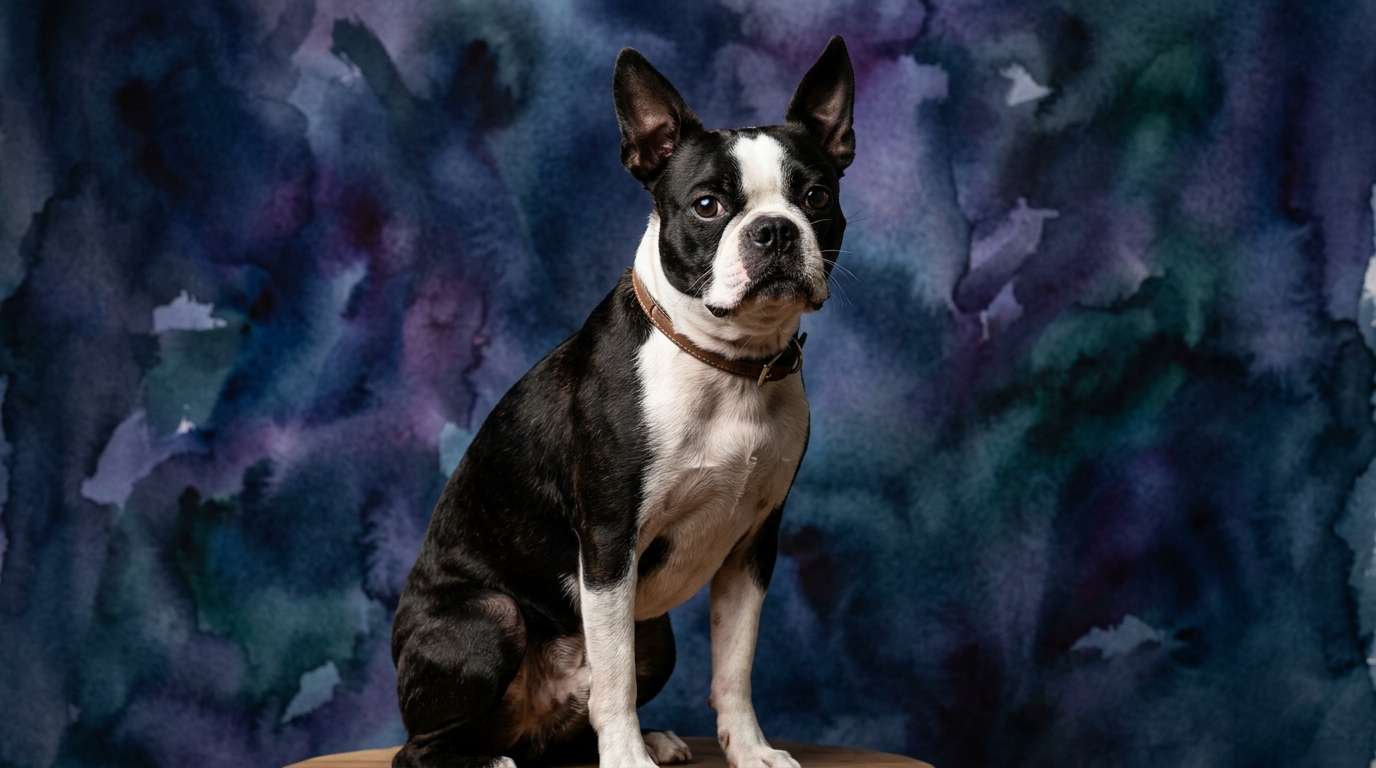
Conversely, the Boston Terrier (BT), a Non-Sporting breed with a Coren rank of #54, presents a companion-oriented cognitive profile: Problem Solving 3/5, Training Speed 3/5, Social Intelligence 4/5, Instinctive Drive 2/5, and Memory 3/5. This suggests a dog with a different set of priorities, favoring interaction and adaptability over intense work. Examining these scores reveals where each breed's cognitive strengths truly lie.
Where the Australian Cattle Dog Excels Cognitively
The Australian Cattle Dog's cognitive strengths are deeply rooted in its herding heritage, manifesting as exceptional capabilities in several key areas. Their 5/5 Problem Solving score means they possess an outstanding capacity for independent thought and navigating complex situations, often demonstrating ingenuity in figuring out intricate puzzles or even outmaneuvering livestock. This contrasts sharply with the Boston Terrier, who might look to their owner for guidance when faced with a novel obstacle, rather than devising an independent solution.
Furthermore, the ACD's 5/5 Training Speed indicates they grasp new commands and routines with remarkable alacrity, often requiring fewer repetitions than many other breeds. This rapid acquisition of skills means ACDs can master complex multi-step commands and learn entire routines quickly, a stark difference from the more moderate pace of a Boston Terrier. Their powerful 5/5 Instinctive Drive translates into an inherent desire for a job, making them highly motivated for structured activities like agility, obedience, or herding games, a drive largely absent in the companion-focused Boston Terrier. Finally, their robust 5/5 Memory allows them to recall commands, routines, and even specific environmental cues over long periods, supporting consistent performance in complex, sequential tasks.
Where the Boston Terrier Shines Cognitively
While the Australian Cattle Dog dominates in working intelligence, the Boston Terrier possesses a distinct set of cognitive strengths that make them exceptional companions. Their 4/5 Social Intelligence score is a clear win, indicating a natural aptitude for understanding human cues and interacting harmoniously with a wide range of individuals. Boston Terriers are often more naturally attuned to subtle human emotions and generally more welcoming to strangers and new experiences than the often more reserved ACD, making them highly adaptable in social settings.
The Boston Terrier's lower 2/5 Instinctive Drive, while a contrast to the ACD's intensity, is a significant cognitive advantage for domestic tranquility. They are less likely to invent their own 'jobs' that might conflict with household rules, such as herding children or furniture, making them cognitively predisposed to a more relaxed home life. Their cognitive makeup requires less intense, structured mental 'work' to feel fulfilled; they find satisfaction in companionship and play, whereas an ACD's mind constantly seeks engaging problems to solve, which can be a cognitive burden for owners unprepared for it. This makes the Boston Terrier's cognitive needs more easily met in a typical companion lifestyle.
Trainability: A Tale of Two Approaches
When considering ease of training, the distinction between these breeds is less about inherent capability and more about the nature of the training required and the owner's experience. The Australian Cattle Dog, with its 5/5 in both Problem Solving and Training Speed, is remarkably quick to learn complex, task-oriented behaviors. They absorb new commands with minimal repetitions and retain them exceptionally well. However, this formidable intellect comes with a powerful 5/5 Instinctive Drive; channeling this drive is paramount. If an ACD's sharp mind and physical needs aren't adequately met through consistent training, structured activities, and plenty of exercise, they are prone to devising their own 'entertainment,' which can manifest as challenging or unwelcome behaviors. Their focused social intelligence means they might not be universally eager to please every person, but rather their primary handler, requiring a strong, consistent bond.
The Boston Terrier, conversely, with its 3/5 scores in Problem Solving, Training Speed, and Memory, combined with a 4/5 Social Intelligence and 2/5 Instinctive Drive, is generally easier to train for basic obedience and house manners in a typical companion setting. They are eager to please their owners and respond well to positive reinforcement, making them quite compliant. While they might take more repetitions to master complex tricks than an ACD, their overall willingness to engage and lower drive means they are less likely to invent complex 'bad behaviors' out of boredom or an unfulfilled need for 'work.' This makes the Boston Terrier a more forgiving choice for first-time dog owners or those seeking a less demanding training journey focused on pleasant companionship rather than advanced task mastery.
Matching Canine Minds to Lifestyles
The cognitive profiles of the Australian Cattle Dog and the Boston Terrier dictate very different ideal living arrangements. The Australian Cattle Dog is an ideal match for active owners who can provide not only ample physical exercise but, crucially, consistent and challenging mental engagement. Their 5/5 problem-solving and instinctive drive demand a lifestyle rich in purpose – whether it's advanced obedience, agility, herding, or long, challenging hikes where their keen memory and decision-making skills are utilized. Owners who thrive on partnering with a sharp-minded, driven canine will find the ACD incredibly rewarding, as their cognitive needs align perfectly with a dynamic, engaged, and often outdoor-centric lifestyle. Failing to meet these intense cognitive demands can lead to frustration for both dog and owner, as their powerful brains will find their own ways to stay busy.
In contrast, the Boston Terrier is better suited for relaxed owners who appreciate a companion content with moderate daily walks and indoor play. Their moderate problem-solving and low instinctive drive mean they don't require constant 'work' or intricate challenges to be content. They find satisfaction in companionship and social interaction (4/5 Social Intelligence), making them perfect for individuals or families who want a charming, adaptable dog to share their daily lives without the intense cognitive demands of a working breed. Their cognitive makeup is geared towards comfort and connection, making them excellent apartment dwellers or companions for those with a less physically demanding routine, as long as they receive consistent attention and affection.
The Verdict
Select an Australian Cattle Dog if you are an experienced, active owner ready to channel a formidable intellect and unwavering drive into structured activities, seeking a true working partner.
Opt for a Boston Terrier if you desire a charming, socially adept companion who thrives on human interaction and requires moderate mental and physical stimulation, fitting seamlessly into a more relaxed household.
🧠 Find Your Pet's IQ Score
Our Pet IQ Lab assessment covers 25+ tests across 5 cognitive dimensions — personalized to your breed.
Take the Full IQ Test →Frequently Asked Questions
Do Australian Cattle Dogs get bored easily?
Yes, Australian Cattle Dogs, with their 5/5 problem-solving and instinctive drive, can become easily bored without sufficient mental and physical engagement. Their sharp minds constantly seek tasks, and a lack of appropriate stimulation can lead to them inventing their own, potentially unwelcome, activities.
Are Boston Terriers good with children?
Boston Terriers generally exhibit high social intelligence (4/5) and a lower instinctive drive, making them often very good with children. They are typically patient, adaptable, and enjoy companionship, though supervision is always recommended with any dog-child interaction.
Which breed is more independent?
The Australian Cattle Dog is significantly more independent, boasting a 5/5 in problem-solving and instinctive drive, allowing them to make decisions and work autonomously. The Boston Terrier, while capable, often prefers to seek human guidance and companionship, making them less independently driven.