Cognitive Blueprints: ACD vs. Bull Terrier IQ Profiles
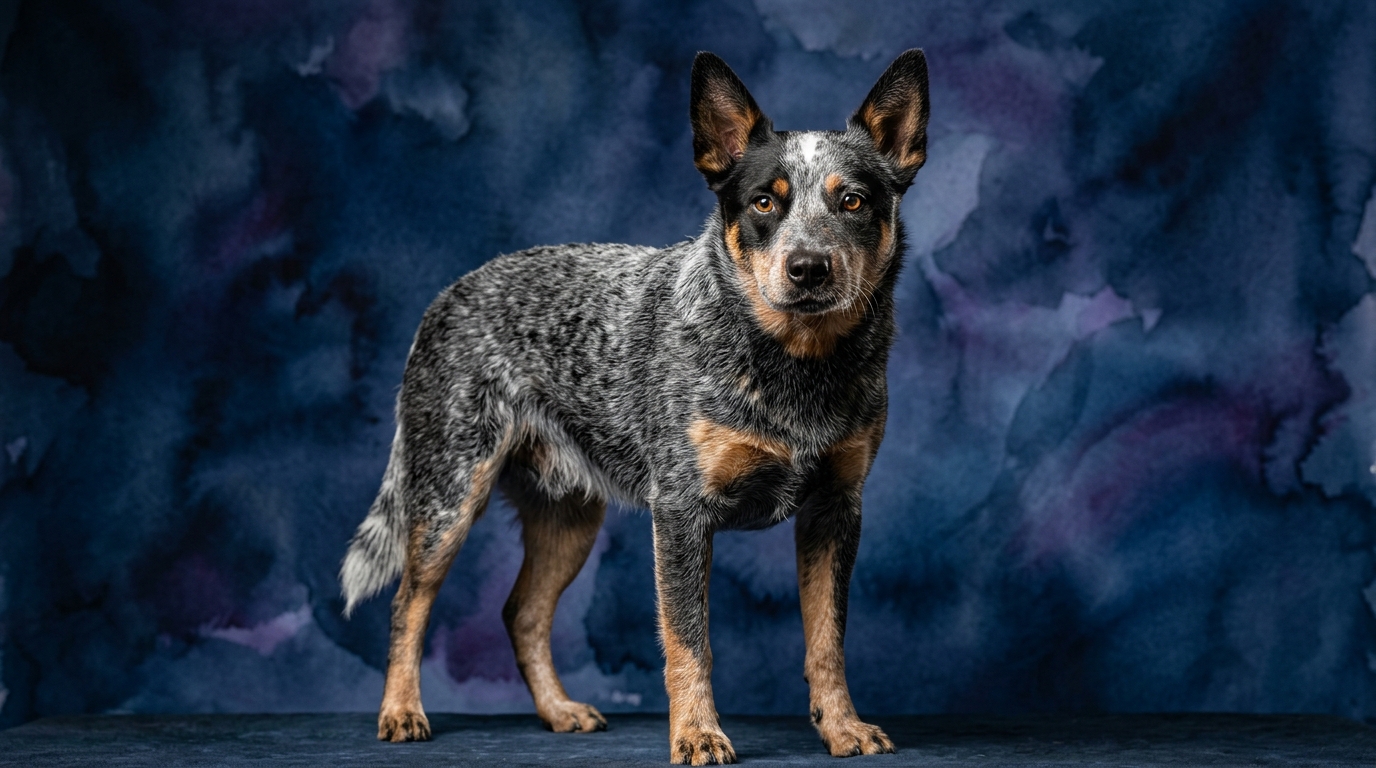
The Australian Cattle Dog, ranking an impressive #10 on the Coren scale, presents a cognitive profile optimized for complex work. Their Problem Solving is rated 5/5, indicating an exceptional capacity to navigate intricate situations and devise solutions independently, a crucial trait for managing livestock across varied terrains. This breed's Training Speed also scores a perfect 5/5, reflecting their quick grasp of commands and routines, driven by an inherent desire to engage with and respond to their handler's directives.
Their Memory is equally robust at 5/5, allowing them to retain vast amounts of information, from specific commands to complex sequences of tasks and environmental layouts, which is vital for sustained working roles. Instinctive Drive in the Australian Cattle Dog is a commanding 5/5, manifesting as a powerful urge to herd, chase, and control, deeply embedded in their genetic makeup and requiring appropriate outlets. However, their Social Intelligence, while adequate, is rated 3/5; while they can form deep bonds with their chosen family, their focus is often task-oriented rather than broadly social, and they may exhibit a reserved or watchful demeanor towards strangers. This combination paints a picture of a dog built for purpose, with a mind that thrives on engagement and structure.
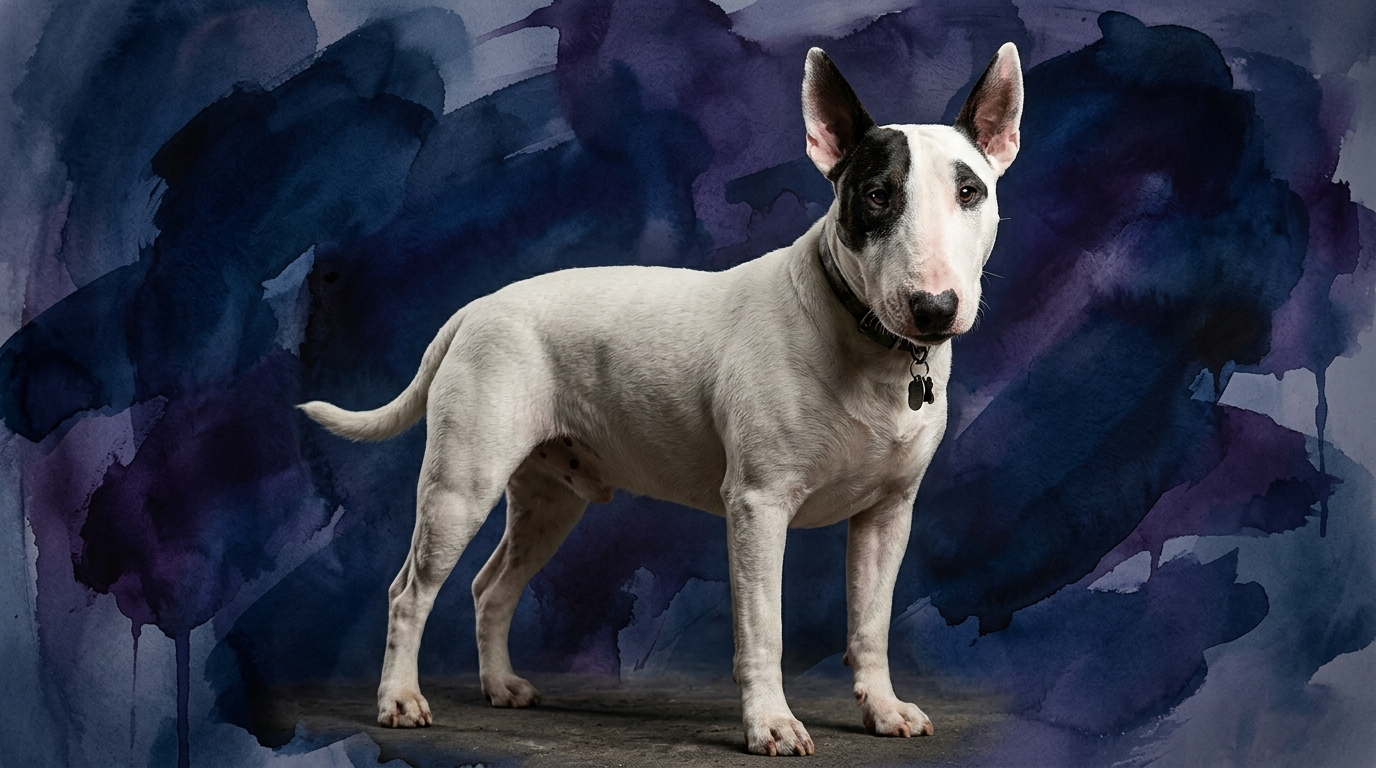
In contrast, the Bull Terrier, positioned at Coren rank #66, offers a different cognitive landscape, shaped by its history as a sporting and companion dog. Their Problem Solving ability is rated 3/5, suggesting they can certainly figure things out, but perhaps with less urgency or systematic approach than a working breed, often employing persistence or creative, sometimes mischievous, tactics. Their Training Speed also stands at 3/5, meaning they are capable of learning, but often require more repetition, patience, and motivational innovation to solidify commands.
The Bull Terrier's Memory is similarly rated 3/5; they remember what's important to them, but might not retain extensive command sequences with the same precision or duration as an ACD, sometimes appearing to "forget" if a task lacks immediate reward or interest. Their Instinctive Drive is 3/5, present but typically less intense and more varied than a herding dog's, often expressing itself in playful pursuits, digging, or an independent spirit rather than a singular, focused drive. Social Intelligence for the Bull Terrier is also 3/5, indicating they are generally friendly and enjoy interaction, but may have their own opinions on how those interactions should proceed, sometimes displaying a charming stubbornness or selective engagement.
Where the Australian Cattle Dog's Mind Shines Brightest
The Australian Cattle Dog's cognitive superiority is most evident in their unparalleled aptitude for complex, goal-oriented tasks. Their 5/5 Problem Solving isn't just about figuring out puzzles; it's about dynamic decision-making in real-time, such as anticipating livestock movement or adapting strategies when a gate is unexpectedly open. This capacity translates into an ability to learn intricate multi-step commands and apply them flexibly, making them exceptional candidates for advanced obedience, agility, and, of course, herding trials.
Their perfect 5/5 Training Speed is directly linked to their innate biddability and focus. An ACD absorbs new information like a sponge, often needing only a few repetitions to understand a concept. This isn't just about speed; it's about retention, backed by their 5/5 Memory, which ensures that once a lesson is learned, it's deeply ingrained. They recall cues, boundaries, and past experiences with remarkable clarity, enabling consistent performance even after extended breaks.
Furthermore, their 5/5 Instinctive Drive fuels their motivation to work and excel. This isn't a random energy; it's a directed, purposeful drive that, when channeled correctly, makes them tirelessly dedicated to their jobs. Whether it's rounding up sheep or mastering a complex scent-detection pattern, the ACD approaches tasks with an intensity and precision that few other breeds can match, turning challenges into opportunities for mental engagement and accomplishment.
Unpacking the Bull Terrier's Unique Cognitive Strengths
While the Bull Terrier's cognitive scores might appear modest compared to the ACD, their intelligence manifests in distinct, equally valuable ways, particularly within a companion role. Their 3/5 Problem Solving, for instance, often involves creative, sometimes humorous, approaches to achieving their desires. A Bull Terrier might not systematically figure out a complex latch, but they might persistently nudge, paw, or even charmingly manipulate their owner to open it, demonstrating a different type of adaptive wit.
Their 3/5 Social Intelligence, while not broadly encompassing, allows them to form incredibly strong, devoted bonds with their immediate family. This isn't the reserved, watchful social understanding of a working dog; it's often a more direct, affectionate, and sometimes boisterous engagement. They excel at being engaging companions, reading human emotions within their trusted circle and offering comfort or comic relief with equal enthusiasm.
The Bull Terrier's 3/5 Instinctive Drive, rather than being task-focused, often translates into a spirited zest for life and play. This drive fuels their unique personality and can be harnessed for engaging games, structured play, or even specific dog sports that appeal to their independent nature. Their cognitive strength here lies in their sheer resilience and often unwavering determination once they set their mind to something, even if that "something" is simply getting extra attention or finding the most comfortable spot on the sofa.
Training Trajectories: Ease of Learning Compared
When it comes to formal training, the distinction between these two breeds is stark and rooted in their evolutionary purposes. The Australian Cattle Dog, with its 5/5 Training Speed and 5/5 Memory, is inherently designed to be highly biddable and responsive. Their genetic predisposition for cooperative work means they eagerly seek direction and find satisfaction in performing tasks for their handler. They pick up new commands with remarkable speed, often generalizing concepts quickly and requiring minimal repetition, making them a joy to train for experienced handlers. This innate desire to work and please, combined with their sharp cognitive abilities, means they thrive on consistent, clear instruction and quickly integrate learned behaviors into their routine.
Conversely, the Bull Terrier, with a 3/5 Training Speed and 3/5 Memory, presents a different training challenge. Their history as independent pit fighters and then companion animals means they are less instinctively driven to take direction from humans without a compelling reason. They possess a charming stubbornness and a strong independent streak; while they can learn, they often require more patience, creativity, and a high-value reward system to stay engaged. A Bull Terrier might understand a command perfectly but choose not to execute it if they perceive a better alternative or if their motivation wanes. Their training requires understanding their unique blend of playful persistence and selective hearing, leveraging positive reinforcement and making training feel like a fun game rather than a strict lesson.
Lifestyle Match: Cognitive Fit for Owners
For active owners seeking a true partner in complex endeavors, the Australian Cattle Dog is an ideal match. Their 5/5 Problem Solving and 5/5 Instinctive Drive mean they require significant mental stimulation and physical exercise to remain content and well-behaved. An ACD thrives when given a "job," whether it's agility, herding, advanced obedience, or even just consistent, challenging puzzle toys and structured walks. Owners who can provide this level of engagement will find an incredibly devoted, capable companion. Without sufficient outlets for their sharp minds and boundless energy, ACDs can become bored, leading to destructive behaviors or excessive "herding" of family members or other pets.
The Bull Terrier, while certainly not a couch potato, caters to owners who appreciate a spirited companion with a unique personality, perhaps leaning towards a more relaxed yet still engaged lifestyle. Their 3/5 Instinctive Drive means they need regular exercise and play, but not necessarily the intense, task-oriented work an ACD demands. Owners who enjoy creative play, consistent but patient training, and can appreciate a dog with an independent streak will find a loyal and entertaining friend. A Bull Terrier's problem-solving might be applied to figuring out how to get attention or access to forbidden areas, so owners need to be prepared for their clever antics and provide clear boundaries and consistent training, often with a good dose of humor. They thrive on human companionship and being part of family activities, even if those activities are less structured than an ACD would prefer.
The Verdict
Select an Australian Cattle Dog if you seek a highly engaged, task-oriented partner for complex training, competitive sports, or a working role, thriving on consistent mental and physical challenges.
Opt for a Bull Terrier if you appreciate a spirited, independent companion with a unique charm, willing to engage in playful interaction but requiring patience and creativity in training.
🧠 Find Your Pet's IQ Score
Our Pet IQ Lab assessment covers 25+ tests across 5 cognitive dimensions — personalized to your breed.
Take the Full IQ Test →Frequently Asked Questions
Are Australian Cattle Dogs suitable for first-time dog owners?
Due to their intense cognitive needs, high drive, and potential for specific behavioral traits like nipping at heels, Australian Cattle Dogs are generally better suited for experienced owners who understand working breeds and can commit to extensive training and mental stimulation. They thrive with clear leadership and consistent boundaries.
What kind of mental stimulation do Bull Terriers need to stay happy?
Bull Terriers benefit from varied mental stimulation, including interactive toys, puzzle feeders, and engaging training sessions that focus on positive reinforcement and fun. While not always keen on complex tasks, they enjoy learning tricks and participating in activities that allow them to use their senses and unique problem-solving abilities in a playful manner.
How does 'social intelligence' differ between these two breeds?
The Australian Cattle Dog's 3/5 social intelligence often means they are reserved, forming deep bonds with their immediate family but being watchful or aloof with strangers, prioritizing their handler. The Bull Terrier's 3/5 social intelligence typically manifests as friendly and outgoing within their trusted circle, enjoying interaction but sometimes displaying an independent or selective engagement with people or other dogs.