A Side-by-Side Look at Cognitive Profiles
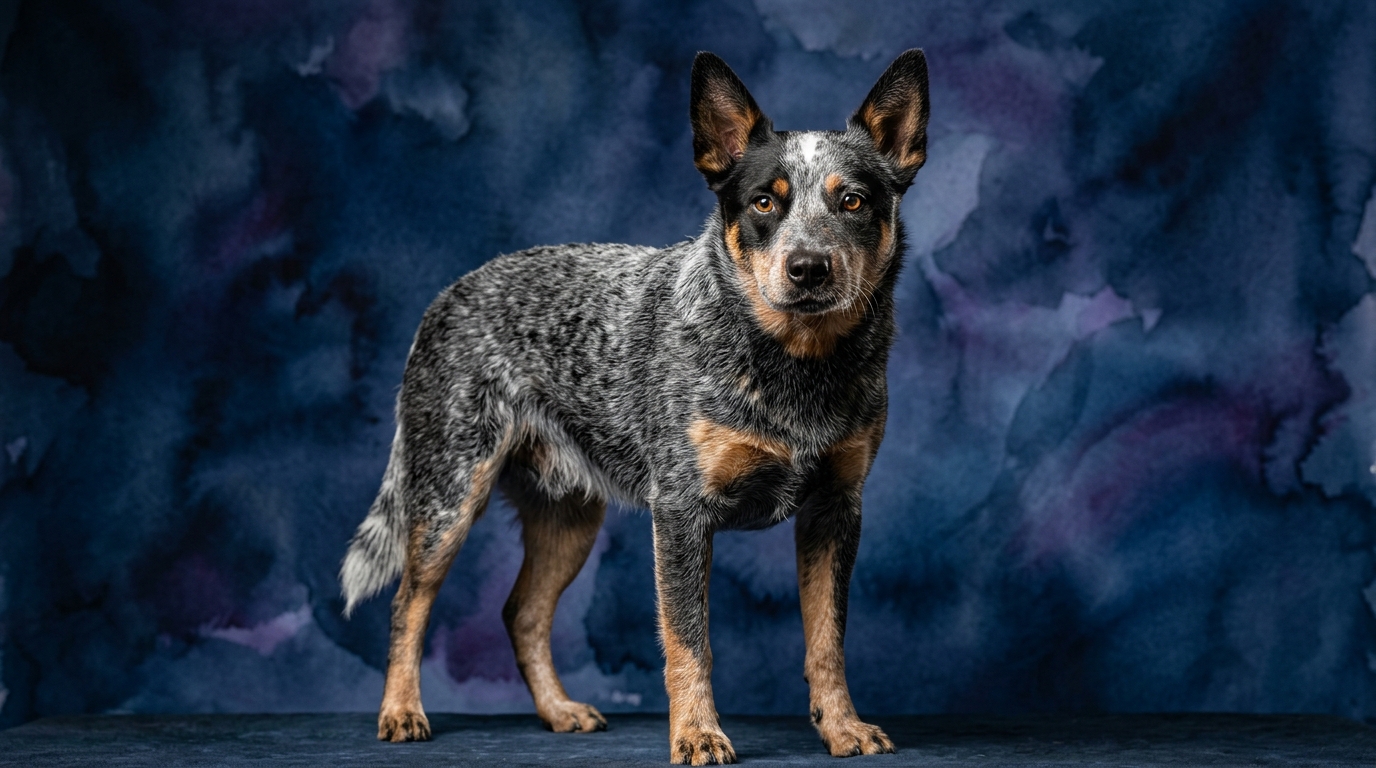
The Cosmic Pet Pet IQ Lab provides a fascinating framework to dissect canine cognition across five key dimensions. For the Australian Cattle Dog (ACD), a breed traditionally engaged in complex livestock management, their profile paints a picture of sharp, task-oriented mental faculties. Their Problem Solving is rated 5/5, indicating an exceptional capacity to navigate novel situations and devise solutions independently. Training Speed also scores 5/5, reflecting their rapid assimilation of new commands and routines, often needing minimal repetition. Instinctive Drive is likewise 5/5, a testament to their powerful, innate urges to herd, chase, and control, which significantly influences their cognitive focus. Their Memory is rated 5/5, suggesting a remarkable ability to retain information, commands, and experiences over long periods, crucial for complex working roles. Social Intelligence, however, stands at 3/5, implying competence in understanding human cues but perhaps a more reserved or independent social approach compared to breeds specifically selected for effusive human interaction.
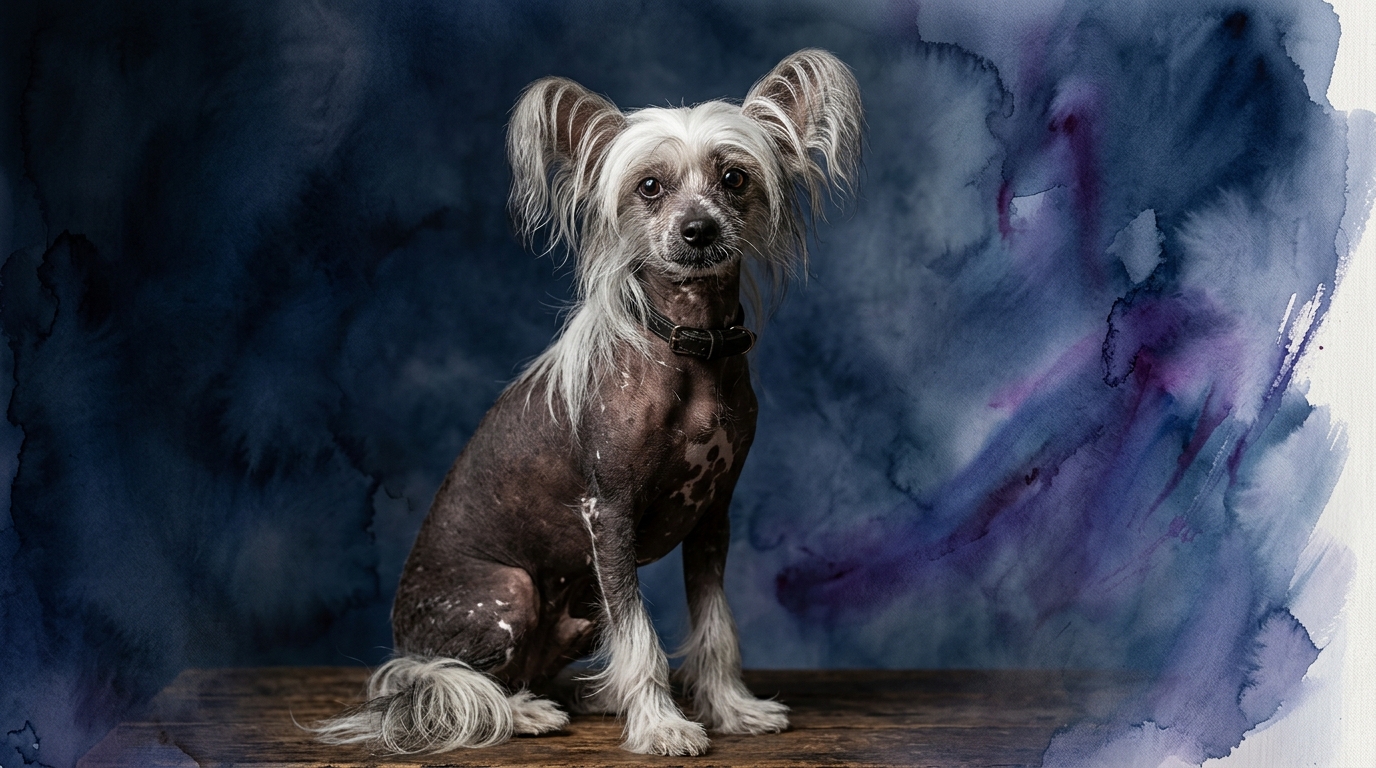
In stark contrast, the Chinese Crested (CC), a breed primarily developed for companionship and warmth, exhibits a more moderate cognitive profile. Across all five dimensions – Problem Solving, Training Speed, Social Intelligence, Instinctive Drive, and Memory – the Chinese Crested receives a rating of 3/5. This suggests a dog that is capable and adaptable but operates without the intense cognitive demands or specialized mental architecture seen in a working breed. Their problem-solving skills are sufficient for navigating a typical home environment and understanding basic requests, but they may not instinctively seek out or excel at complex, multi-step challenges. Their training speed and memory indicate they can learn and retain information, though perhaps requiring more consistent reinforcement than an ACD. Their social intelligence, at 3/5, aligns with their role as a companion, allowing for good rapport with their primary people without necessarily possessing the nuanced social interpretation of a highly people-focused breed. Their instinctive drive, also 3/5, means they possess general dog behaviors but lack the intense, specialized urges of a herding or hunting dog, making them less prone to specific driven behaviors like intense chasing or guarding.
Where the Australian Cattle Dog's Cognition Excels
The Australian Cattle Dog's cognitive strengths are undeniably rooted in its heritage as a working animal. Its 5/5 Problem Solving isn't just about figuring out puzzles; it manifests as a strategic mind capable of assessing dynamic situations, like a scattered herd, and formulating a plan to bring it under control. This isn't passive observation; it's active, adaptive thinking. Coupled with a 5/5 Training Speed, ACDs absorb complex command sequences and task structures with remarkable efficiency, often anticipating next steps. They don't just learn a trick; they learn the 'job' behind it. This rapid learning, paired with a 5/5 Memory, means an ACD can master intricate routines and retain them even after long breaks, making them exceptional candidates for advanced obedience, agility, or specialized scent work where multi-stage tasks are common. Their powerful 5/5 Instinctive Drive fuels this cognitive engine, providing an inherent motivation to engage with tasks and challenges, turning work into a highly rewarding mental exercise.
Cognitive Strengths of the Chinese Crested
While the Chinese Crested's cognitive scores are more moderate, these attributes are precisely what make them excel in their intended role as devoted companions. Their 3/5 Problem Solving allows them to navigate household dynamics and learn routines without the independent, often challenging, ingenuity of a working dog. They are observant enough to understand the rhythm of their human's life and adapt, rather than constantly seeking new challenges. Their 3/5 Social Intelligence means they are generally receptive to human interaction and can form strong bonds, capable of picking up on mood and subtle cues to maintain harmony within the home, without being overly demanding of constant attention or exhibiting complex social manipulation. Similarly, their 3/5 Instinctive Drive translates to a generally calmer demeanor in a domestic setting; they are less likely to be driven by overwhelming urges to herd, dig, or bolt, which can be a significant advantage for owners seeking a more relaxed companion. Their moderate Memory and Training Speed ensure they are perfectly capable of learning household rules, basic manners, and enjoying simple games, making them approachable and manageable for a broader range of owners.
Ease of Training: A Question of Approach
Determining which breed is 'easier' to train hinges entirely on the owner's goals and methods. The Australian Cattle Dog, with its 5/5 Training Speed, 5/5 Problem Solving, and 5/5 Memory, is a powerhouse for structured learning. They grasp new concepts quickly and retain them impressively. However, this cognitive intensity also means they require consistent mental engagement and clear, firm guidance. An ACD's strong instinctive drive can manifest as stubbornness or independent decision-making if they perceive a task as illogical or if their human isn't providing sufficient direction. They thrive on challenges and can become bored or destructive if their sharp minds aren't adequately stimulated, often 'problem-solving' their own entertainment. Training an ACD means channeling their immense mental capacity and drive into productive outlets, demanding an owner who is equally engaged and consistent, treating training as an ongoing mental sport.
The Chinese Crested, with its 3/5 ratings across the board for training speed, problem-solving, and memory, presents a different training experience. They can certainly learn, but typically require more repetition and patience. Their lower instinctive drive means they are less likely to be independently driven to perform complex tasks, but also less likely to challenge an owner's authority with the same intensity as an ACD. Training with a Chinese Crested often involves positive reinforcement, consistency, and making learning enjoyable. They generally respond well to establishing clear routines and positive encouragement for basic obedience and house manners. While they may not excel at complex multi-step commands as rapidly as an ACD, their willingness to please and less independent nature can make them more amenable to a casual training approach focused on integration into family life, without the inherent 'battle of wits' that can sometimes characterize training a highly driven working dog.
Matching Canine Cognition to Owner Lifestyles
The cognitive profiles of these two breeds naturally align with vastly different owner lifestyles. The Australian Cattle Dog is a clear choice for active owners who relish mental and physical engagement. Their 5/5 Problem Solving and Instinctive Drive mean they need a 'job' – whether that's herding, advanced obedience, agility, flyball, or extensive hiking and exploratory walks. An ACD thrives when its mind is challenged, and its physical energy is expended. Owners who lead sedentary lives or cannot commit to significant daily mental and physical stimulation will likely find an ACD's cognitive needs overwhelming, potentially leading to frustration for both dog and human. They require an owner who understands and can consistently meet the demands of a dog whose brain is always 'on,' seeking purpose and activity.
Conversely, the Chinese Crested is perfectly suited for relaxed owners seeking a devoted and less demanding companion. Their moderate 3/5 ratings across all cognitive dimensions indicate a dog that is content with a more relaxed pace of life. While they appreciate walks and playtime, their instinctive drive and need for complex mental stimulation are lower than a working breed. They are typically happy to snuggle on the couch, participate in gentle activities, and thrive on companionship rather than intense athletic or intellectual pursuits. Owners who prefer a calm home environment, have limited space, or cannot commit to rigorous daily exercise and training will find the Chinese Crested's cognitive and physical needs to be a much better fit, providing affectionate company without the intense demands of a highly driven working dog.
The Verdict
Choose an Australian Cattle Dog if you are an active, experienced owner ready to channel immense mental and physical energy into structured tasks and ongoing training.
Opt for a Chinese Crested if you seek a gentle, adaptable companion for a more relaxed lifestyle, prioritizing affection and moderate engagement over intense cognitive challenges.
🧠 Find Your Pet's IQ Score
Our Pet IQ Lab assessment covers 25+ tests across 5 cognitive dimensions — personalized to your breed.
Take the Full IQ Test →Frequently Asked Questions
Do Australian Cattle Dogs require a 'job' to be content?
Yes, their 5/5 instinctive drive and problem-solving abilities mean they are most content when given a purpose. This 'job' can be anything from herding livestock to excelling in dog sports or even complex puzzle toys, provided it offers consistent mental and physical challenge.
Are Chinese Cresteds difficult to house train due to their moderate training speed?
Chinese Cresteds are not inherently difficult to house train, but their 3/5 training speed means they may require more patience and consistency than a faster-learning breed. Positive reinforcement, a strict schedule, and prompt rewards are key to successful housetraining with this breed.
How does the social intelligence difference impact household dynamics?
The ACD's 3/5 social intelligence often translates to a more independent nature, forming deep bonds with primary family members but possibly being reserved with strangers. The CC's 3/5 social intelligence allows for good adaptability within the family unit, being affectionate and generally amenable, without the intense social demands or aloofness of extremes.