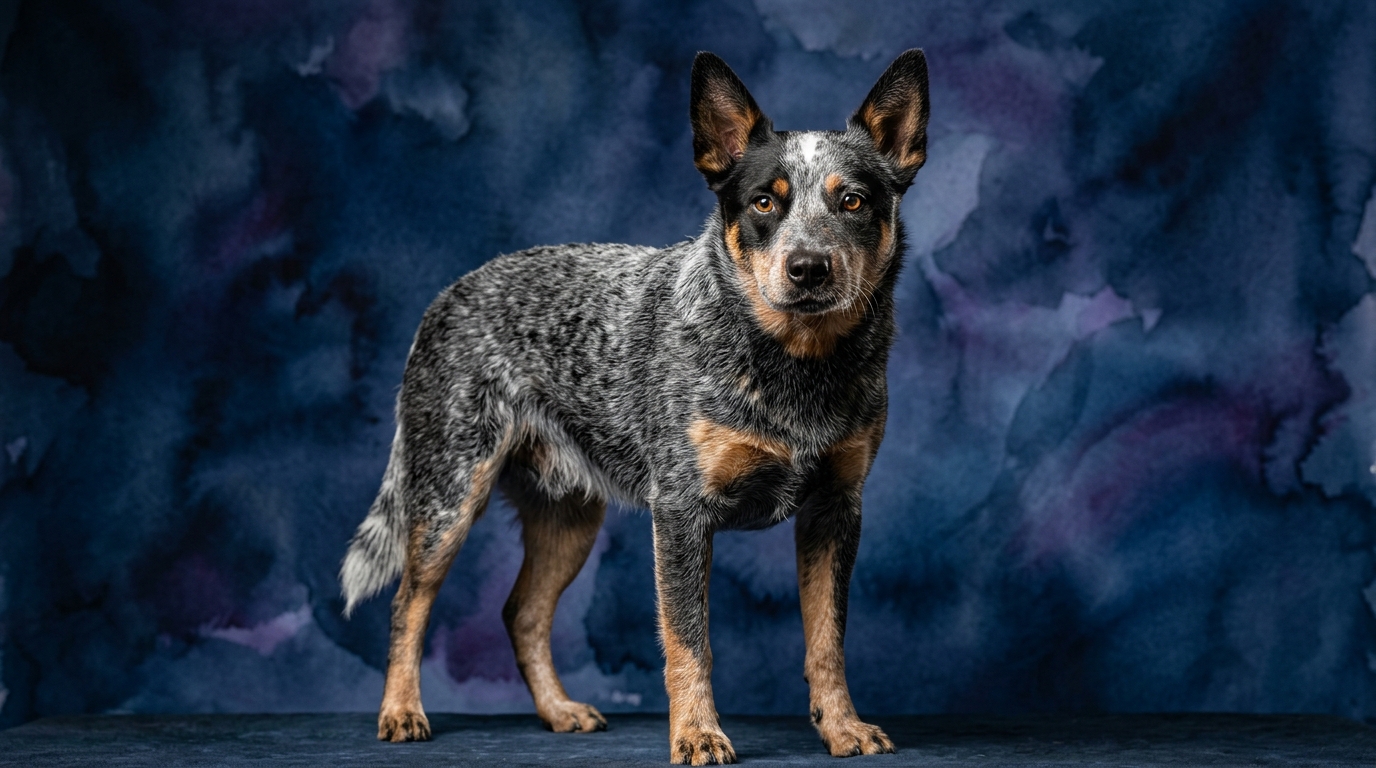
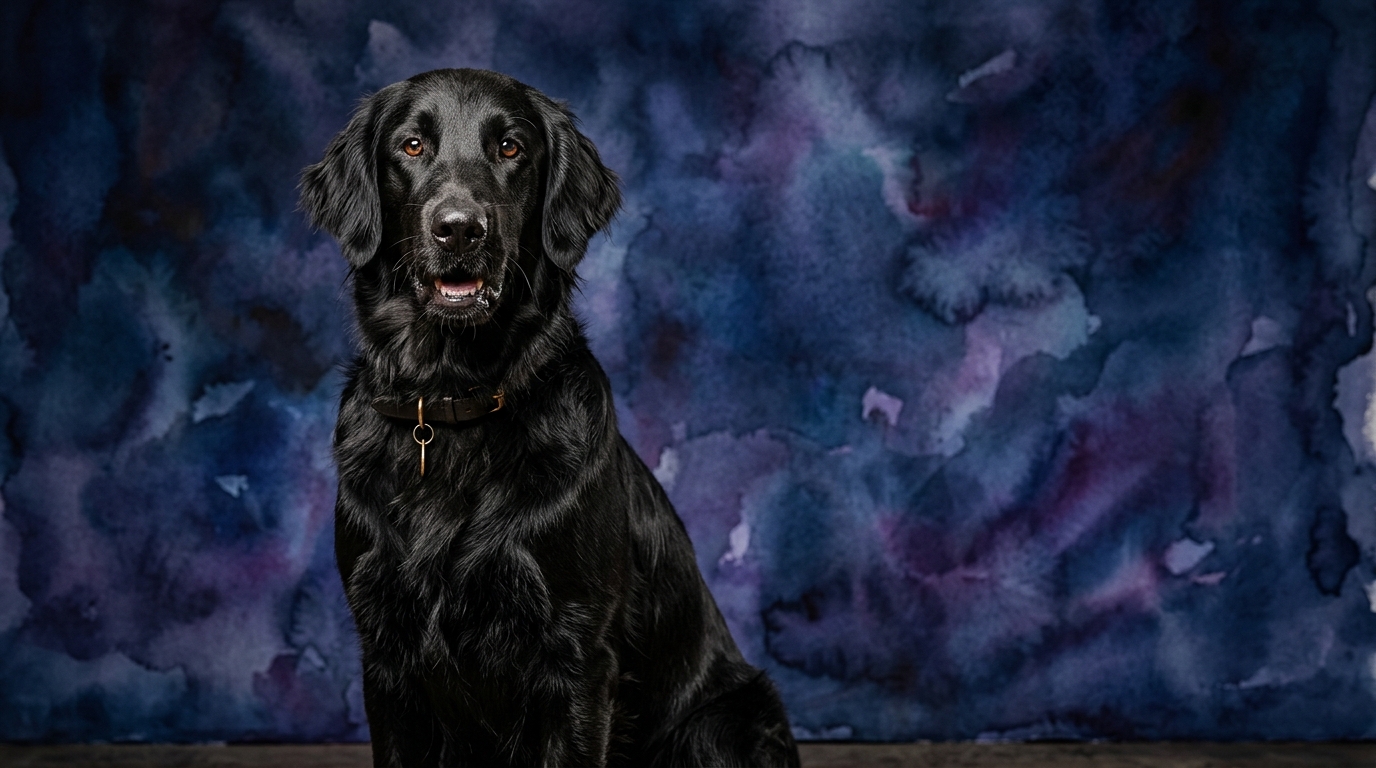
Side-by-Side IQ Profile: Herding vs. Sporting Minds
The Cosmic Pet Pet IQ Lab assesses canine intelligence across five crucial dimensions: Problem Solving, Training Speed, Social Intelligence, Instinctive Drive, and Memory. Understanding these scores provides a window into a breed's inherent cognitive wiring. The Australian Cattle Dog (ACD), a Herding type, registers an impressive Problem Solving 5/5, Training Speed 5/5, Social Intelligence 3/5, Instinctive Drive 5/5, and Memory 5/5. This profile paints a picture of a highly capable, driven, and independent thinker.
In contrast, the Flat-Coated Retriever (FCR), a Sporting type, presents a slightly different yet equally functional cognitive blueprint. Its scores are Problem Solving 4/5, Training Speed 4/5, Social Intelligence 3/5, Instinctive Drive 3/5, and Memory 5/5. Both breeds share perfect Memory scores and identical Social Intelligence, indicating strong recall and a similar capacity for forming bonds within their primary social group. However, the differences in Problem Solving, Training Speed, and particularly Instinctive Drive are where their cognitive paths diverge most significantly.
Where the Australian Cattle Dog Excels Cognitively
The Australian Cattle Dog's cognitive strengths are deeply rooted in its heritage as an independent problem-solver on vast cattle stations. Its perfect 5/5 in Problem Solving signifies an unparalleled capacity to assess and react to complex, dynamic situations without constant human direction. This isn't just about learning tricks; it's about making tactical decisions, anticipating movements, and adapting strategies in real-time, crucial for managing livestock effectively.
Complementing this is its 5/5 Training Speed, meaning an ACD can grasp new commands and intricate sequences with remarkable rapidity, often needing fewer repetitions than many other breeds. This quick uptake is fueled by its 5/5 Instinctive Drive, a profound and persistent motivation to work and engage with a purpose. This drive translates into intense focus and endurance for tasks, a cognitive commitment to a 'job' that few breeds can match. For an ACD, engagement isn't just physical; it's a deep mental investment in its activities, making it a formidable partner in demanding roles like herding trials, agility, or competitive obedience.
Where the Flat-Coated Retriever Shines Cognitively
While the Flat-Coated Retriever may not boast the same numerical highs in every cognitive dimension as the ACD, its intelligence profile is perfectly tailored for its role as a joyful and cooperative sporting companion. Its 4/5 in Problem Solving is highly effective for tasks such as navigating varied terrain to retrieve game, figuring out how to access a dropped item, or understanding subtle human cues in a collaborative hunting scenario. This problem-solving is less about independent, reactive decision-making and more about attentive, purposeful execution in partnership with a handler.
The FCR's Training Speed of 4/5, combined with its more moderate 3/5 Instinctive Drive, represents a distinct cognitive advantage for many owners. It learns quickly and with enthusiasm, but its drive is geared towards collaboration and pleasing its people rather than the intense, often independent, focus of a herding dog. This balance makes the FCR highly responsive and amenable to training, often perceived as 'easier' to work with because its cognitive drive is naturally aligned with human interaction and cooperation. Its perfect 5/5 Memory and 3/5 Social Intelligence further support its role, enabling it to retain learned behaviors and form strong, lasting bonds within its family unit, thriving as an engaged and consistent companion.
Training Ease: Unpacking Behavioral Differences
When considering which breed is 'easier' to train, the nuance lies in managing their distinct cognitive profiles and inherent drives. The Australian Cattle Dog's 5/5 Training Speed means it learns commands with astonishing quickness. However, this rapid learning is coupled with a 5/5 Instinctive Drive and 5/5 Problem Solving, which demand consistent, mentally engaging training from an experienced handler. If not channeled into productive tasks, these traits can lead to the ACD engaging in self-directed problem-solving, which might manifest as undesirable behaviors like herding children or nipping at heels, requiring specific behavioral modification.
The Flat-Coated Retriever, with a still excellent 4/5 Training Speed, is also a quick learner. Its 3/5 Instinctive Drive, geared towards retrieving and collaboration, makes it generally more amenable to positive reinforcement and less prone to the intense, independent challenges seen in herding breeds. FCRs thrive on praise and engagement with their humans, making them feel more 'trainable' for the average owner due to their eager-to-please nature and less overwhelming drive. Their natural inclination to fetch and carry provides a solid foundation for various training games, often making the training process feel like a joyful partnership rather than a management challenge.
Matching Lifestyles: Active Owners vs. Relaxed Companionship
The cognitive demands of these breeds significantly dictate their suitability for different owner lifestyles. The Australian Cattle Dog, with its 5/5 Problem Solving, Instinctive Drive, and Memory, is unequivocally a breed for highly active, experienced owners. These dogs require immense daily physical exercise and, crucially, substantial mental stimulation. They need a 'job' – whether it's competitive dog sports like agility or obedience, herding, or extensive, structured daily activities that challenge their intellect. A relaxed or novice owner will likely find an ACD's unmet cognitive and physical needs overwhelming, leading to destructive behaviors, incessant restlessness, or a dog that is simply unfulfilled.
The Flat-Coated Retriever, while still requiring an active lifestyle, offers a degree of adaptability not found in the ACD. Its 4/5 Problem Solving and Training Speed, coupled with a 3/5 Instinctive Drive, mean it needs regular exercise and mental engagement but perhaps not to the same extreme intensity. They thrive on vigorous walks, games of fetch, swimming, and puzzle toys, followed by a contented evening with their family. FCRs are well-suited for active families or individuals who enjoy outdoor activities and can provide consistent engagement, but who might not be seeking a full-time working partner that requires the relentless drive management of a herding breed. A 'relaxed' owner for an FCR would still be active, just with a slightly less demanding intensity threshold.
The Verdict
Choose the Australian Cattle Dog if you are an experienced, highly active owner seeking a challenging working partner who thrives on complex tasks, independent problem-solving, and requires immense mental and physical engagement daily.
Opt for the Flat-Coated Retriever if you are an active family or individual seeking a joyful, collaborative, and responsive companion who learns quickly and excels in various activities, yet offers a slightly more adaptable energy level than its herding counterpart.
🧠 Find Your Pet's IQ Score
Our Pet IQ Lab assessment covers 25+ tests across 5 cognitive dimensions — personalized to your breed.
Take the Full IQ Test →Frequently Asked Questions
Which breed is better for first-time dog owners?
The Flat-Coated Retriever is generally more forgiving for first-time owners due to its slightly lower intensity and eager-to-please nature, though both require commitment. The Australian Cattle Dog's strong drive and cognitive demands often suit more experienced handlers.
Do both breeds require significant mental stimulation?
Yes, both breeds require substantial mental engagement. The Australian Cattle Dog's 5/5 Problem Solving and Instinctive Drive demand constant challenges, while the Flat-Coated Retriever's 4/5 in these areas still means they benefit greatly from training, puzzle toys, and interactive play to prevent boredom.
How do their social intelligence scores impact family life?
Both breeds score 3/5 in Social Intelligence, meaning they are capable of forming strong bonds with their family but might not be universally outgoing with strangers or other animals without proper socialization. Their primary loyalty often lies with their immediate human pack.