Side-by-Side IQ Profile: Herding Precision vs. Sporting Finesse
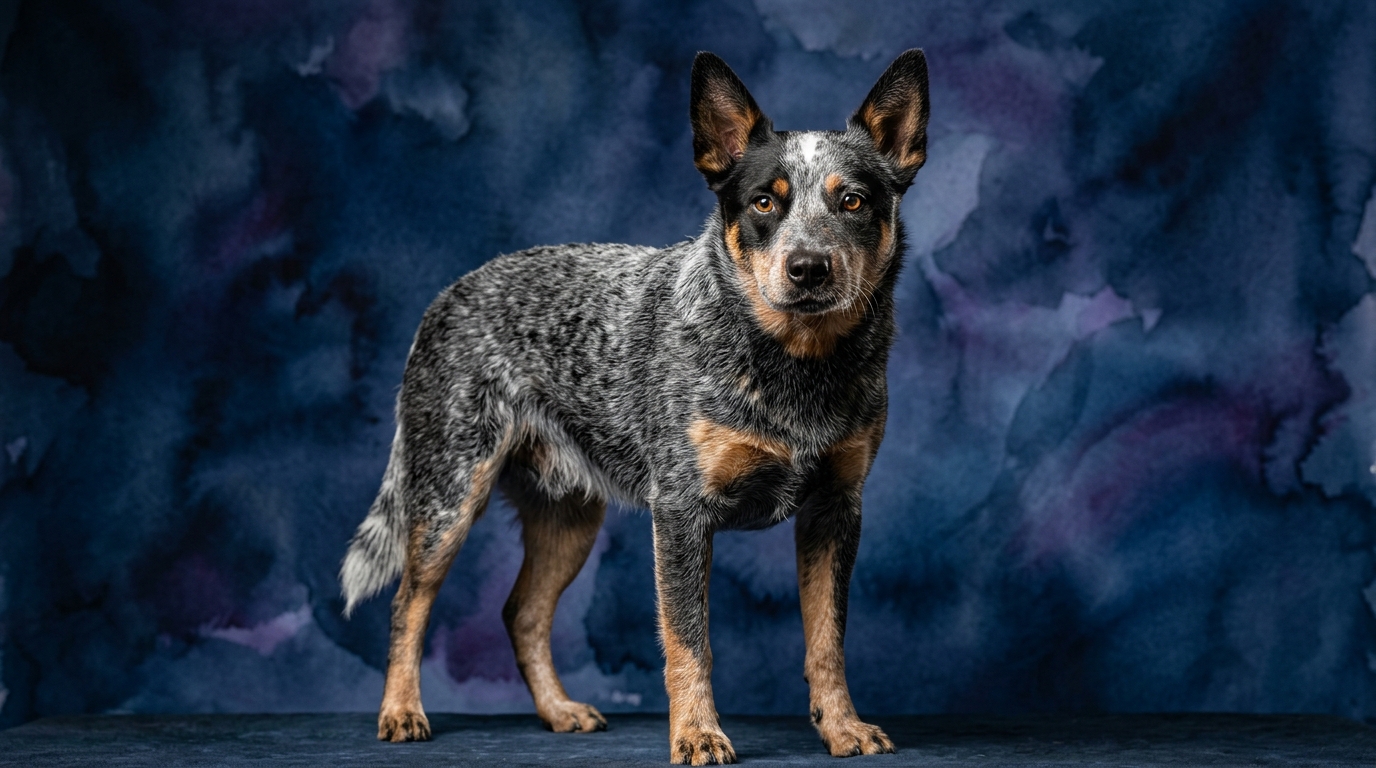
The Australian Cattle Dog, a breed steeped in the demands of livestock management, showcases a remarkable cognitive blueprint. The Cosmic Pet Pet IQ Lab data assigns them a Coren rank of #10, reflecting a rapid understanding of new commands and an impressive working memory. Their Problem Solving is rated 5/5, indicating an exceptional capacity to independently strategize and overcome obstacles, a trait honed by managing wayward cattle across vast terrains. Training Speed also scores 5/5, underscoring their quick grasp of new concepts and an eagerness to engage in structured learning, making them highly receptive to instruction. Instinctive Drive is a perfect 5/5, highlighting their profound genetic predisposition for specific tasks, primarily herding, which manifests as intense focus and purpose. Their Memory is rated 5/5, suggesting an enduring recall of learned behaviors, commands, and environmental details, crucial for complex work patterns. Social Intelligence, however, stands at 3/5, implying competence in interpreting human cues but perhaps a more task-oriented rather than overtly people-pleasing approach.
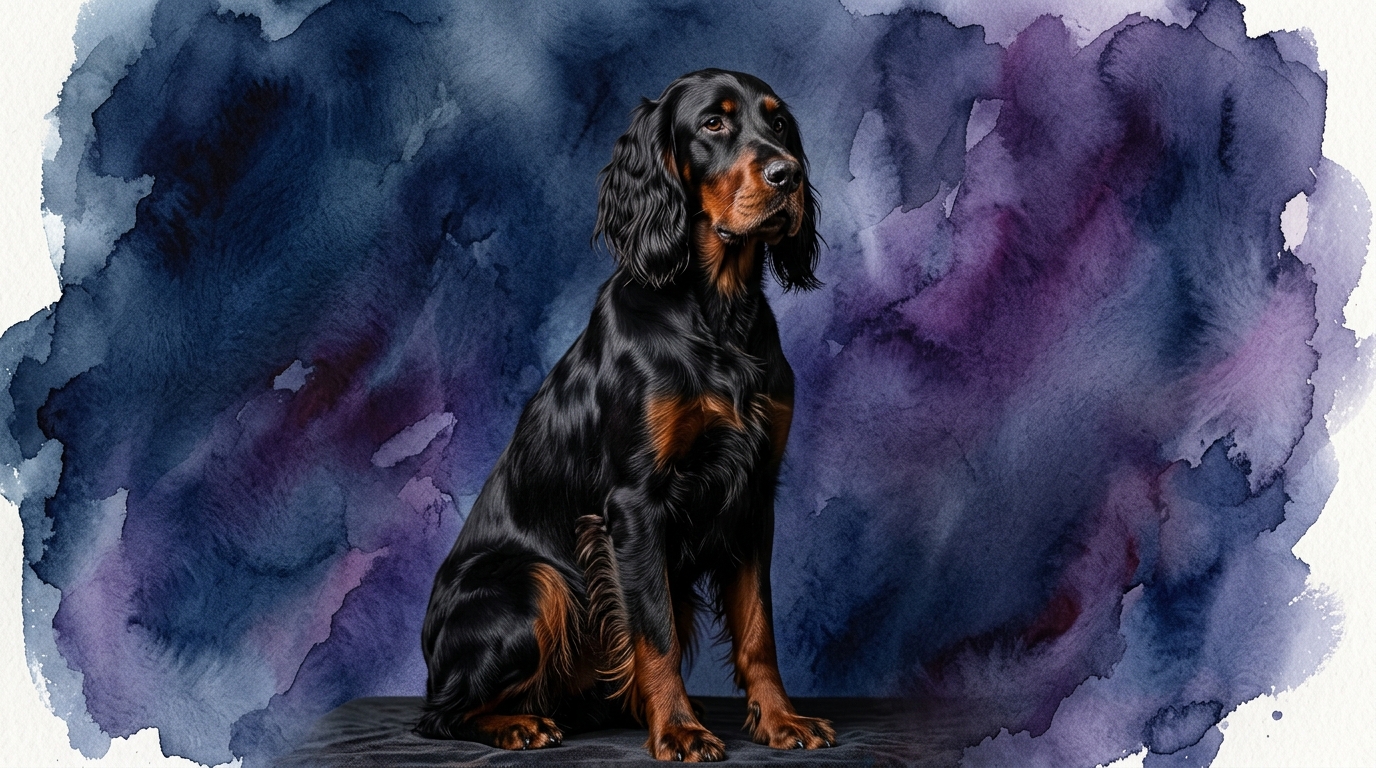
In contrast, the Gordon Setter, a dignified member of the sporting group with a Coren rank of #39, presents a cognitive profile built for partnership in the field. Their Problem Solving is a robust 4/5, demonstrating solid capabilities in navigating hunting scenarios and figuring out how to locate game, though perhaps with less independent innovation than the Cattle Dog. Training Speed also registers at 4/5, indicating a strong willingness and ability to learn, albeit potentially requiring a few more repetitions or a slightly different motivational approach than their herding counterpart. Instinctive Drive is a respectable 3/5, signifying a clear genetic inclination for tasks like pointing and retrieving, but generally with less relentless intensity than a high-drive herding breed. Their Memory is a strong 4/5, enabling them to recall vast expanses of terrain, scent patterns, and learned commands with good accuracy. Like the Cattle Dog, their Social Intelligence is rated 3/5, suggesting a good understanding of human interaction but prioritizing their working partnership over elaborate social displays.
Where the Australian Cattle Dog Shines Cognitively
The Australian Cattle Dog's cognitive strengths are deeply rooted in its heritage as a problem-solver on the farm. Their 5/5 Problem Solving score means they excel at navigating complex situations, such as figuring out how to outmaneuver a stubborn cow or open a gate that's not quite latched. This isn't just about following commands; it's about independent thought and devising solutions in dynamic environments, making them adept at puzzle toys and intricate obedience sequences that require more than rote memorization. Their mind is constantly assessing, planning, and executing, a relentless drive to impose order on their surroundings.
Further reinforcing their cognitive edge is their 5/5 Training Speed and 5/5 Memory. This combination translates into a dog that not only picks up new commands with startling rapidity but also retains them for the long term, even with infrequent practice. This mental tenacity means they can build an extensive vocabulary of cues and behaviors, learning complex multi-step tasks faster than many other breeds. Coupled with their 5/5 Instinctive Drive, this allows them to apply their rapid learning and memory to highly purposeful work, channeling their energy into productive outcomes rather than aimless activity, provided they are given appropriate mental and physical outlets.
Where the Gordon Setter's Mind Excels
While the Gordon Setter's raw scores might not match the Australian Cattle Dog's peak, their cognitive strengths are uniquely tailored to their specific purpose. Their 4/5 Problem Solving and 4/5 Memory, though numerically lower, represent a highly refined intelligence for tasks requiring focused sensory processing and recall over expansive areas. A Gordon Setter excels at triangulating complex scent trails, remembering precise locations of game birds, and navigating varied terrain with a keen sense of direction. Their problem-solving is less about controlling and manipulating, and more about seeking, finding, and indicating, requiring a different but equally valuable form of mental acuity.
The Gordon Setter's 3/5 Instinctive Drive, when compared to the ACD's 5/5, can be a distinct advantage for certain owners. This level of drive means they possess a strong, purposeful desire to hunt and engage in sporting activities, but it often manifests with a more cooperative and less intensely controlling demeanor than a herding breed. Their intelligence in the field is about partnership and precision; they are less likely to try to 'herd' children or other pets with the same intensity as an ACD, making their natural instincts more easily integrated into a family setting, provided they receive appropriate outlets for their energy and mental stimulation related to their breed's purpose.
Training Dynamics: A Study in Speed and Partnership
When it comes to ease of training, the Australian Cattle Dog's 5/5 Training Speed means they will typically grasp new commands and concepts in fewer repetitions than the Gordon Setter, whose score is 4/5. An ACD often learns a new command after just one or two successful repetitions, demonstrating an almost immediate understanding of the desired behavior. This rapid acquisition stems from their intense focus, high desire to work, and an inherent need for mental engagement. However, this quick learning also means they can just as quickly pick up undesirable habits if training isn't consistent and engaging.
The Gordon Setter, while not quite as lightning-fast, is still a very capable learner with a 4/5 Training Speed. They thrive on positive reinforcement and building a strong working relationship with their handler. Their learning process might be slightly more deliberate, requiring a few more repetitions, but they are eager to please and will diligently work to understand what is asked of them. Their training success often hinges on clear, patient instruction and making the learning process enjoyable, rather than relying solely on their innate drive to 'figure things out' independently, which is more characteristic of the ACD. This difference translates to an ACD potentially being more challenging for a novice owner due to their independent problem-solving and high mental demands, while a Gordon Setter offers a slightly more forgiving, cooperative training experience.
Matching Minds to Lifestyles: Active Explorers vs. Dedicated Workers
For owners seeking an intensely engaged, working partner, the Australian Cattle Dog is a clear match. Their 5/5 Problem Solving, 5/5 Instinctive Drive, and boundless energy demand a lifestyle filled with purpose. These dogs thrive with active owners who are committed to providing daily mental challenges, whether through advanced obedience, dog sports like agility or herding, or complex puzzle-solving activities. A relaxed owner who cannot meet these cognitive and physical needs will likely find an ACD inventing their own, potentially destructive, forms of mental stimulation, such as reorganizing furniture or herding family members with nips.
The Gordon Setter, while still requiring significant activity and mental engagement, offers a slightly different cadence. Their 3/5 Instinctive Drive means they possess a strong desire for outdoor exploration and scent work, but often with a more companionable, less intensely controlling approach than the Cattle Dog. They are superb partners for active owners who enjoy hiking, long runs, or field work, and appreciate a dog that is keen to participate but also enjoys downtime curled up with their family. They suit owners who value a balanced dog that can transition from energetic outdoor adventures to a calm indoor presence, without the constant 'what's next?' mental demand of a Cattle Dog.
The Verdict
Choose the Australian Cattle Dog if you are an experienced, active owner seeking a relentless, quick-thinking partner for advanced training, dog sports, or real-world work that demands independent problem-solving and intense focus. Be prepared to provide consistent, high-level mental and physical stimulation to channel their formidable cognitive abilities.
Opt for the Gordon Setter if you are an active owner who values a loyal, cooperative companion for outdoor adventures and field work, appreciating a strong but less intensely driven intelligence focused on partnership. They thrive with consistent, positive training and a lifestyle that blends energetic exploration with comfortable family time.
🧠 Find Your Pet's IQ Score
Our Pet IQ Lab assessment covers 25+ tests across 5 cognitive dimensions — personalized to your breed.
Take the Full IQ Test →Frequently Asked Questions
Is an Australian Cattle Dog or Gordon Setter better for a first-time dog owner?
Neither breed is typically recommended for first-time owners without significant research and commitment. The Australian Cattle Dog's high drive and independent problem-solving can be overwhelming, while the Gordon Setter's energy and specific training needs for a sporting breed also require dedication. Both benefit from experienced handlers.
Which breed is more adaptable to apartment living?
Neither breed is ideally suited for apartment living without extraordinary efforts to meet their exercise and mental stimulation needs. The Australian Cattle Dog's intense energy and need for a job make it particularly challenging, while the Gordon Setter's desire for expansive outdoor activity also requires significant daily effort from owners in a small living space.
Do Australian Cattle Dogs or Gordon Setters shed more?
Both breeds shed, but generally, the Gordon Setter's longer, thicker coat typically results in more noticeable shedding than the Australian Cattle Dog's dense double coat. Regular grooming is essential for both to manage shedding and maintain coat health, with the Gordon Setter requiring more extensive brushing to prevent mats.