Side-by-Side IQ Profile: Understanding Their Minds
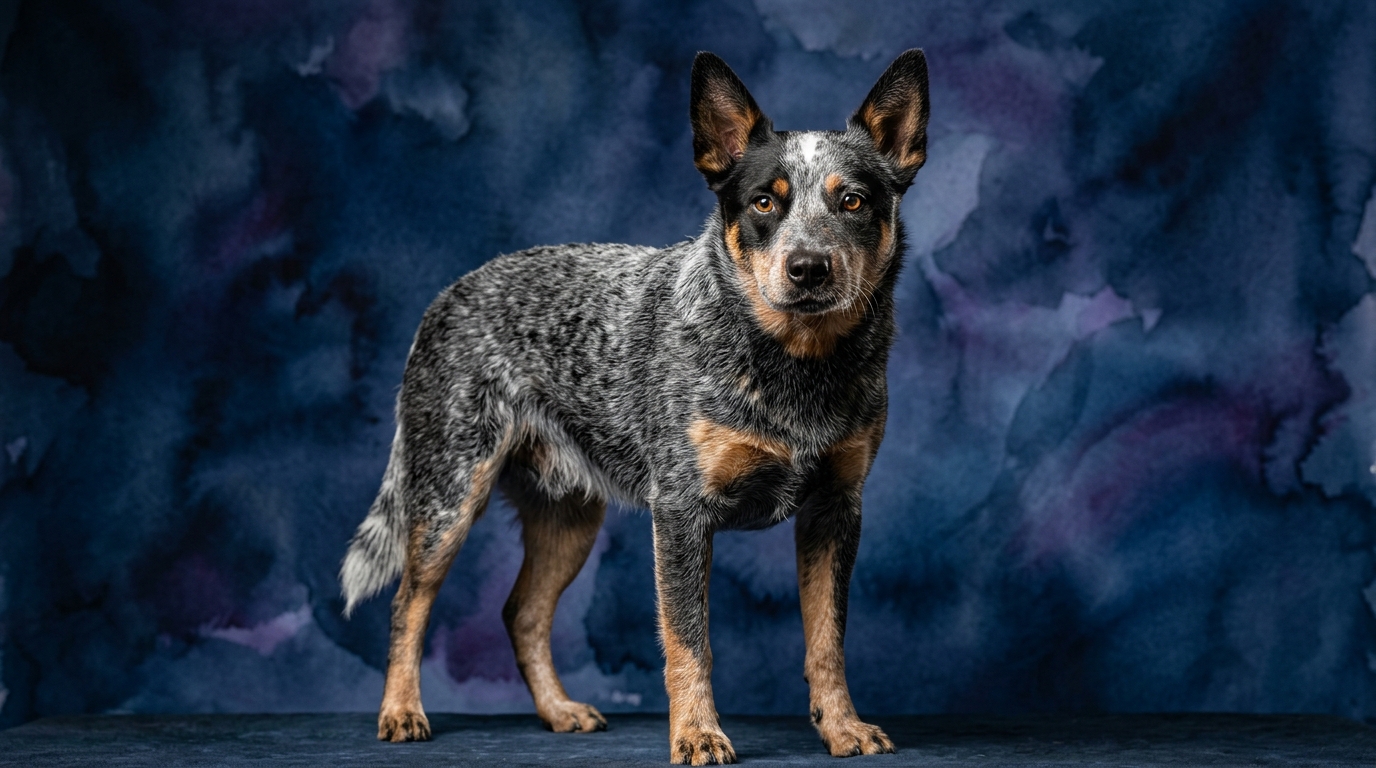
The Australian Cattle Dog, a breed frequently ranked among the most capable working dogs (Coren rank #10), presents a formidable cognitive profile. Their Problem Solving is rated 5/5, reflecting a capacity for intricate, multi-step tasks and strategic thinking, crucial for managing livestock. Training Speed is also 5/5, indicating an exceptional ability to acquire new commands and routines with minimal repetition. Their Social Intelligence is 3/5, suggesting they are observant of their handlers but can be reserved or wary of strangers, preferring a close circle. An Instinctive Drive of 5/5 underscores their powerful herding and protective instincts, always ready for a challenge. Finally, their Memory is 5/5, allowing them to retain complex sequences, learn from experience, and recall vast amounts of information.
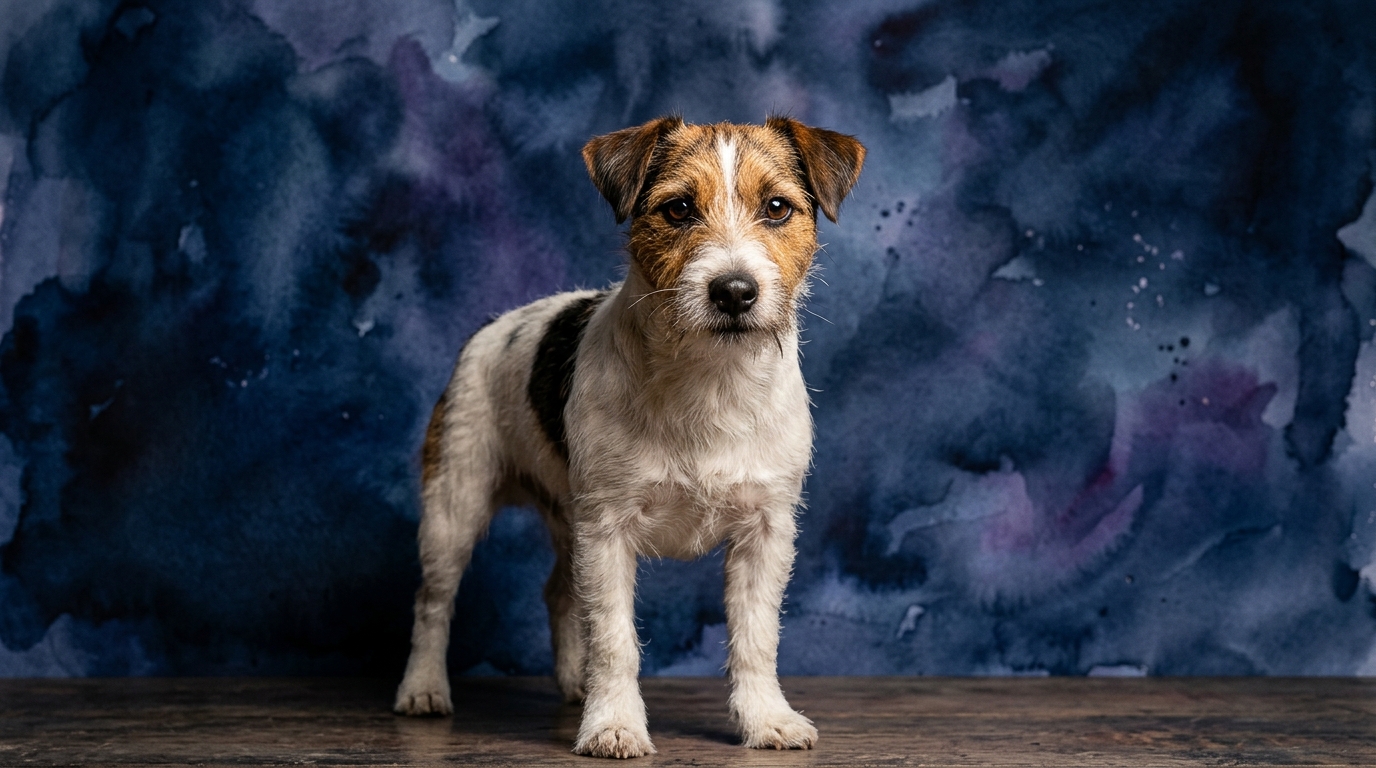
The Jack Russell Terrier, though not Coren-ranked, brings a different kind of mental prowess to the table. Their Problem Solving also scores 5/5, but this manifests as quick, inventive solutions, often involving manipulation or determination to overcome obstacles, particularly when pursuing a goal. Training Speed is 3/5; while they grasp concepts, their independent nature and strong will can make consistent compliance a longer process than with a highly biddable breed. Social Intelligence is 3/5, similar to the Cattle Dog, meaning they are alert to human cues but their intense focus on their environment or prey can sometimes overshadow social niceties. Their Instinctive Drive is a powerful 5/5, centered on hunting, digging, and tracking, a relentless pursuit of their quarry. Memory is 4/5, a solid capacity for remembering tasks, locations, and learned behaviors, though perhaps less for abstract or highly complex, multi-layered information compared to the ACD.
Where the Australian Cattle Dog Wins Cognitively
The Australian Cattle Dog truly shines in areas requiring sustained, strategic cognitive effort. Their 5/5 Problem Solving isn't just about finding solutions; it's about devising complex plans to achieve a goal, like anticipating livestock movement or navigating intricate agility courses. This breed excels at tasks demanding a high degree of foresight and sequential thinking. Their 5/5 Training Speed and 5/5 Memory work in tandem, allowing them to absorb and recall extensive command sets and intricate routines with remarkable efficiency. This translates into a capacity for advanced obedience, complex sport work, or specialized assistance roles where precision and reliability are paramount. They demonstrate a deep understanding of cause-and-effect within structured environments, making them exceptional partners for tasks requiring logical progression and consistent execution. The ACD's mental stamina for repetitive, yet challenging, tasks is a distinct cognitive advantage, allowing them to maintain focus on a single objective for extended periods.
Where the Jack Russell Terrier Wins Cognitively
The Jack Russell Terrier's cognitive strengths lie in their dynamic adaptability and inventive resourcefulness. Their 5/5 Problem Solving manifests as a quick, often audacious, approach to obstacles. Faced with a challenge, a JRT will rapidly cycle through solutions, often employing clever manipulations or persistent, tenacious efforts to achieve their objective, whether it's reaching a hidden toy or figuring out a gate latch. This breed displays a remarkable agility of thought, able to switch focus and re-evaluate strategies on the fly when a situation changes, a trait honed by their hunting heritage. Their powerful 5/5 Instinctive Drive fuels a relentless curiosity and persistence, allowing them to overcome setbacks with sheer determination. While their memory is 4/5, it's particularly strong for spatial awareness and the location of objects or specific hunting spots, crucial for their original purpose. The JRT's cognitive edge is in their ability to think on their feet, demonstrating creative, often surprising, ingenuity in novel or fast-evolving situations.
Which is Easier to Train and Why
When considering ease of training, the Australian Cattle Dog generally presents a more straightforward path for handlers. Their exceptional Training Speed of 5/5 means they grasp new commands and concepts with remarkable rapidity, often after just a few repetitions. This is paired with a 5/5 Memory, ensuring that once learned, commands are retained reliably. Their powerful 5/5 Instinctive Drive is typically channeled into cooperative work, as they possess an inherent desire to collaborate with their handler and fulfill a purpose. They respond well to consistent, structured training methods and thrive on having a 'job' to do, which reinforces their focus and biddability. Their mental architecture is geared towards understanding and executing complex instructions as part of a team.
Conversely, while the Jack Russell Terrier also possesses a 5/5 Problem Solving ability, their Training Speed is rated 3/5, indicating that while they are certainly capable of learning, their independent nature and powerful 5/5 Instinctive Drive can introduce challenges. A JRT learns quickly but may not always choose to comply if their own interests (like chasing a scent or exploring) outweigh the handler's instruction. This requires a trainer to be highly engaging, consistent, and creative with motivation, making training less about raw speed of acquisition and more about managing their tenacious will. Their memory of 4/5 is solid, but their strong prey drive and desire for self-directed exploration can sometimes lead them to 'forget' commands in stimulating environments. Training a Jack Russell Terrier often requires a deeper understanding of their motivations and a more patient, persistent approach to achieve consistent results.
Which Suits Active Owners vs. Relaxed Owners
It is crucial to understand that neither the Australian Cattle Dog nor the Jack Russell Terrier is suited for relaxed or sedentary owners. Both breeds demand a significant commitment to physical exercise and, more importantly, consistent mental stimulation.
The Australian Cattle Dog, with its 5/5 Problem Solving and 5/5 Instinctive Drive, requires an owner who can provide structured activities that tap into their strategic thinking and herding instincts. This means daily, vigorous exercise coupled with advanced obedience, agility, herding trials, puzzle toys, or even a real working job. An active owner for an ACD is someone prepared to engage their dog's mind as much as their body, channeling their intensity into productive outlets. They thrive when given a purpose and consistent mental challenges.
The Jack Russell Terrier, with its equally powerful 5/5 Problem Solving and 5/5 Instinctive Drive, also demands an extremely active owner. Their energy is boundless, and their curiosity relentless. Owners must be prepared for long walks, runs, hikes, and engaging play sessions that allow them to explore, dig (in appropriate places), and 'hunt' for toys or treats. Earthdog trials, agility, or vigorous games of fetch are excellent outlets. A relaxed owner will quickly find a JRT becoming bored, potentially leading to destructive behaviors or excessive barking as they invent their own (often inconvenient) forms of entertainment. Both breeds require owners who embrace an active lifestyle and are dedicated to daily engagement.
The Verdict
Choose the Australian Cattle Dog if you are seeking a highly cooperative, strategic companion eager for complex tasks and consistent mental engagement, particularly in structured environments or roles demanding sustained focus and precise execution.
Choose the Jack Russell Terrier if you appreciate a tenacious, quick-witted partner with a vibrant personality, ready for inventive problem-solving and vigorous outdoor adventures that satisfy a powerful instinctive drive and independent spirit.
🧠 Find Your Pet's IQ Score
Our Pet IQ Lab assessment covers 25+ tests across 5 cognitive dimensions — personalized to your breed.
Take the Full IQ Test →Frequently Asked Questions
Do Australian Cattle Dogs need a job?
Yes, their powerful problem-solving and instinctive drive require an outlet. Without consistent mental stimulation and physical activity, they can become bored and destructive, channeling their energy into unwanted behaviors like excessive barking or chewing.
Are Jack Russell Terriers good for first-time dog owners?
Jack Russell Terriers can be challenging for first-time owners due to their intense energy, robust personality, and independent nature. They require consistent training, early socialization, and significant mental and physical engagement from an experienced hand.
How do their social intelligence ratings impact family life?
Both breeds have a social intelligence rating of 3/5, meaning they are observant of their human family but may not be overly effusive or immediately welcoming with strangers. They typically bond strongly with their primary caregivers but might require careful introductions and supervision in social settings or with new people.